Table of Contents >> Show >> Hide
- Why a Tin Accent Wall Works So Well Outdoors
- Choosing the Right Look for Your Backyard
- Best Materials for a Backyard Tin Accent Wall
- How to Plan the Wall Before You Build
- Step-by-Step: Building a Tin Accent Wall for the Backyard
- Common Mistakes to Avoid
- Ways to Style the Finished Wall
- Maintenance Tips That Keep It Looking Sharp
- Conclusion
- Experiences Related to “Tin Accent Wall- for the Backyard”
A backyard can be many things: a party zone, a quiet coffee corner, a dog racetrack, or the place where you keep promising yourself you will finally build that “outdoor retreat” this weekend. One of the easiest ways to give that space more personality is with a tin accent wall. It looks bold, adds texture, helps define an outdoor room, and can even provide privacy without making your yard feel like a fortress.
Now, let’s clear up one small but important detail. When people say tin accent wall, they are usually talking about corrugated metal panels, galvanized steel sheets, Galvalume panels, or sometimes aluminum. In other words, not the same tin your grandma kept cookies in. The good news is that these materials are widely used outdoors because they are durable, low-maintenance, and surprisingly stylish when paired with wood, stone, concrete, or greenery.
If you want a backyard upgrade that feels modern, rustic, farmhouse, industrial, or somewhere delightfully in between, a metal accent wall can do the job. It is one of those rare design choices that can look expensive even when your budget is politely clearing its throat.
Why a Tin Accent Wall Works So Well Outdoors
A tin accent wall earns its keep in the backyard because it does more than just sit there looking handsome. It creates visual contrast, which is the secret sauce of great outdoor design. If your patio is full of soft cushions, green plants, and natural wood, metal introduces a crisp texture that wakes everything up. If your yard already leans modern with pavers and black trim, corrugated panels reinforce that clean architectural look.
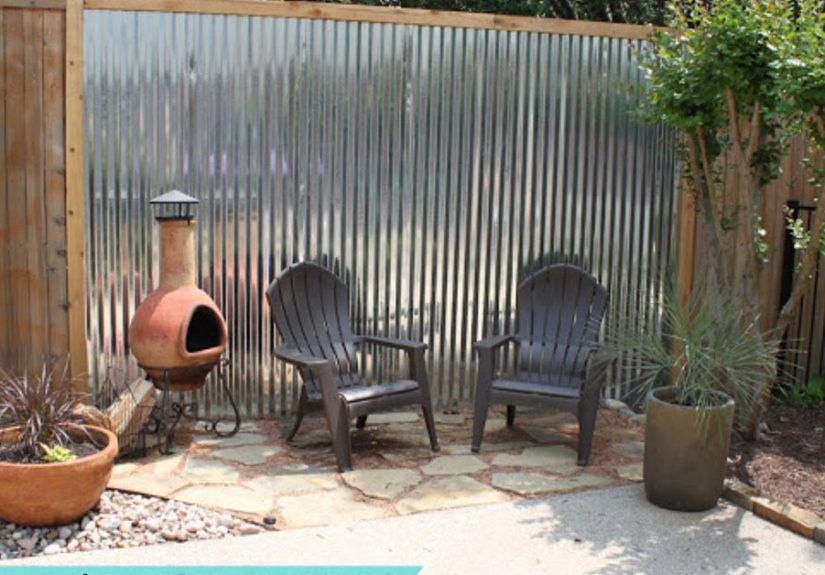
It also performs well in the real world. Unlike plain wood, metal does not rot, attract termites, or beg for constant repainting. That makes it especially appealing for high-sun, high-humidity, or high-“I forgot to maintain it for two years” backyards. A well-designed backyard accent wall can serve as a privacy screen, a backdrop for a seating area, a way to hide an ugly fence, or a decorative panel behind a grill station, garden bench, or outdoor bar.
Another major advantage is versatility. You can install a full-height metal privacy wall, mount smaller panels inside a wood frame, create a mixed-material fence section, or build a feature wall that doubles as an art display. Add sconces, hanging planters, or a narrow ledge for decor, and suddenly your yard looks less like “patchy grass with folding chairs” and more like a destination.
Choosing the Right Look for Your Backyard
Modern and Minimal
For a modern backyard accent wall, use dark-framed corrugated panels with clean lines and a restrained palette. Black-painted wood posts, gray metal, gravel, and structured plants such as boxwood or ornamental grasses create a polished look. In this style, less is more. Let the ribbed texture of the metal do the heavy lifting.
Rustic or Farmhouse
If you prefer a warmer, more lived-in style, pair galvanized metal with cedar or redwood. The combination feels relaxed and intentional. Add string lights, a few terra-cotta pots, maybe a weathered bench, and the whole area starts saying, “Come sit here and pretend you enjoy weeding.”
Industrial Backyard Style
Industrial style loves a metal garden wall because it celebrates raw materials. Think charcoal cushions, concrete pavers, black hardware, and a strong geometric layout. This look works especially well in smaller urban yards where you want a little drama without clutter.
Garden-Friendly Feature Wall
A tin accent wall can also soften beautifully with plants. It makes a fantastic backdrop for hanging baskets, vertical planters, climbing vines trained on a separate trellis, or a row of large containers. The trick is not to press wet soil and foliage directly against the metal all day long. Give plants airflow and a little breathing room.
Best Materials for a Backyard Tin Accent Wall
The words on the product label matter. Some panels sold for roofing and siding also work beautifully for outdoor wall and fence projects, but you still want material meant for exterior use.
Galvanized Steel
This is one of the most common and budget-friendly options. It has that classic silver corrugated look and works well in backyard projects where you want a practical, industrial, or farmhouse vibe.
Galvalume Steel
Galvalume is often a smart upgrade because of its improved corrosion resistance. If your wall will live in a wet climate or deal with constant weather exposure, this option is worth serious consideration.
Aluminum Panels
Aluminum is lightweight and highly corrosion-resistant, making it useful in coastal environments or for DIYers who want easier handling. It can cost more, but it is a strong performer where moisture is relentless.
Framing Materials
Most backyard accent walls combine metal panels with a wood or metal frame. Pressure-treated lumber is common for outdoor framing, but it is important to use compatible fasteners. Cheap, mismatched hardware is a fantastic way to create future rust, headaches, and the phrase “Why is this happening?”
How to Plan the Wall Before You Build
A great-looking accent wall starts with proportion and placement. Randomly attaching shiny metal to a fence can work, but planning works better.
Pick the Purpose First
Ask one question before anything else: what is this wall supposed to do? If the answer is privacy, you may want a taller structure with minimal gaps. If the goal is decoration, a shorter wall or framed insert may be enough. If you are hiding a trash can zone, AC unit, or the side yard of doom, size it to block the view from the angles that matter most.
Study Light and Reflection
Metal reflects light, so check how the sun hits your backyard. In some locations, a bright galvanized panel can create an energetic sparkle. In others, it can feel a little too disco at 3 p.m. If your yard gets intense sun, a matte painted finish or darker framing can tone things down.
Check Local Rules
Before building a full privacy wall or fence-like structure, review local zoning, HOA rules, setback requirements, and height limits. Backyard freedom is wonderful, but paperwork has a way of showing up uninvited.
Step-by-Step: Building a Tin Accent Wall for the Backyard
1. Build a Strong Frame
Start with sturdy posts and rails. A freestanding backyard privacy wall needs reliable support, especially in windy areas. If the wall is attached to an existing fence or structure, make sure that structure is sound before adding weight.
2. Measure Panels Carefully
Corrugated metal looks forgiving, but bad cuts have a way of announcing themselves forever. Measure twice, mark clearly, and account for overlap if you are using multiple panels. Decide whether you want the corrugation to run vertically or horizontally. Vertical feels taller and more classic; horizontal feels more contemporary.
3. Cut Safely
Use the right cutting tool for the panel type, and wear gloves and eye protection. Freshly cut sheet metal edges can be sharp enough to ruin your afternoon in one careless move. Clean cuts also help protect the finish and make installation look more professional.
4. Use the Right Fasteners
When attaching metal panels outdoors, use exterior-rated hardware. If you are fastening into or around pressure-treated wood, choose compatible hot-dip galvanized or stainless fasteners. This is not the glamorous part of the project, but it is the part that keeps the glamorous part attached to the wall.
5. Leave Room for Drainage and Airflow
Do not trap moisture behind the panels. A small air gap and thoughtful detailing help the wall dry out after rain. This reduces the chances of corrosion, staining, or soggy framing that ages poorly.
6. Finish the Edges
Trim pieces, wood framing, or clean border details make a huge visual difference. Even a simple wood picture frame around a corrugated insert can transform the project from “utility panel” to “intentional backyard feature.”
Common Mistakes to Avoid
Choosing panels only by price: Cheap interior-grade or flimsy material may not hold up outdoors. Look for exterior-rated panels with durable coatings.
Ignoring climate: In coastal areas, aluminum may outperform steel. In wet environments, corrosion-resistant finishes matter even more.
Using the wrong hardware: This is one of the fastest ways to shorten the life of the wall. Outdoor conditions are not kind to bargain-bin fasteners.
Skipping structure: A decorative backyard wall still needs proper support. Wind does not care that your accent wall is pretty.
Forgetting style balance: Too much bare metal can feel harsh. Soften it with wood, lighting, textiles, or plants.
Ways to Style the Finished Wall
Once your tin accent wall is up, the fun begins. Add warm outdoor sconces for evening glow. Mount slim shelves for lanterns or small planters. Hang a large outdoor clock, modern metal art, or a reclaimed wood sign if that fits your style. You can also place a bench in front of the wall and instantly create a little destination inside the yard.
For entertaining spaces, the wall makes an ideal backdrop for an outdoor dining table, serving cart, or beverage station. For quiet spaces, it can anchor a reading nook with a chair, side table, and container plants. In small yards, this kind of focal wall helps the space feel designed rather than accidental.
Maintenance Tips That Keep It Looking Sharp
A metal backyard accent wall is relatively low-maintenance, but “low” does not mean “ignore it until the next presidential administration.” Wash it occasionally with mild soap and water, especially if dust, pollen, or grime build up. Avoid harsh abrasive cleaners that could damage the protective finish.
Inspect the wall once or twice a year. Look for scratches, loose fasteners, trapped debris, or areas where sprinklers constantly hit the surface. If branches or vines are rubbing the metal every day, trim them back. If you painted the frame, touch up worn spots before water gets ideas.
If your design includes planters, keep drainage under control. Standing water is rarely a design upgrade. A little maintenance goes a long way toward keeping the wall crisp, clean, and ready for compliments.
Conclusion
A tin accent wall for the backyard is one of those rare upgrades that feels stylish and practical at the same time. It adds privacy, texture, and structure while giving you a chance to turn an average outdoor space into something memorable. Whether your taste leans rustic, industrial, modern, or a happy mash-up of all three, metal panels can create a strong focal point without demanding constant upkeep.
The secret is choosing exterior-ready materials, building a solid frame, using the right fasteners, and balancing metal with warmer elements like wood, plants, and lighting. Do that well, and your backyard will not just look better. It will feel more finished, more welcoming, and far more intentional. In short, your outdoor space starts acting like it has its life together.
Experiences Related to “Tin Accent Wall- for the Backyard”
One of the most interesting things about a backyard tin accent wall is how differently people experience it once it is installed. On paper, it sounds like a design move. In real life, it often changes the way a space feels and how people use it. That is where the project becomes more than a materials list.
Many homeowners are surprised by how much definition a metal accent wall adds to an otherwise open yard. A patio that once felt like a random slab suddenly feels like an outdoor room. Put a chair, a rug, and a potted olive tree in front of that wall, and the space starts pulling people toward it. Guests naturally gather there. Photos look better there. Even your morning coffee tastes more sophisticated there, which is scientifically unproven but emotionally true.
There is also the experience of contrast. Corrugated metal can seem cold when you are standing in the store staring at a stack of panels under fluorescent lights. But outdoors, surrounded by wood fencing, soft landscaping, and natural daylight, it often reads as textured and architectural rather than harsh. That shift surprises people. What looked like a practical building material becomes a design statement once it is framed well and placed intentionally.
Another common experience is realizing that the wall does not need to do everything. Some of the best backyard accent walls are not massive privacy barriers. They are focused moments: a screen behind a grill, a backdrop for a bench, a side panel near a pergola, or a decorative insert that breaks up a long boring fence. Once people stop expecting the wall to solve every yard problem, the project becomes more flexible and more successful.
There is usually a learning curve during the build. First-time DIYers often discover that sheet metal is lightweight but not exactly cuddly. Edges are sharp, measuring matters, and a rushed cut can turn a confident afternoon into an unexpectedly creative vocabulary lesson. But there is also a strong sense of reward. When the final screws go in and the wall stands straight, the result feels custom in a way many off-the-shelf backyard products do not.
People also notice how much the wall changes through the day. Morning light gives galvanized panels a soft sheen. Late afternoon shadows emphasize the ribs and texture. At night, even a simple wall sconce can make the surface glow in a way that feels upscale and dramatic. The wall becomes a background actor with excellent stage presence.
Perhaps the most lasting experience is this: a tin accent wall often gives homeowners permission to treat the backyard like a real extension of the home. Once that first bold element goes in, it becomes easier to add the bench, the planters, the lighting, and the details that make the space feel complete. The wall is not just a wall. It is the moment the backyard stops being leftover space and starts becoming somewhere you actually want to be.