Table of Contents >> Show >> Hide
- What tinnitus really is (and why it’s so common)
- The headline you saw: can diet lower tinnitus risk?
- Why dietary fiber might matter for your ears
- Why dairy might be protective (for some people)
- What the research does (and doesn’t) mean
- Putting it together: a tinnitus-smart eating pattern
- Other proven ways to reduce tinnitus risk (and protect your sanity)
- When to see a clinician
- Experiences: what people notice when they try “fiber + dairy” for tinnitus risk
- Conclusion
Tinnitus is the world’s most annoying “notification”a ringing, buzzing, hissing, or whooshing sound that shows up
with zero permission and refuses to tap “dismiss.” If you’ve ever wondered whether what you eat can influence your
chances of developing tinnitus (or at least stack the odds in your favor), you’re not alone. And recently, researchers
have been asking that same questionwith a specific spotlight on dietary fiber and dairy.
Here’s the deal: a growing body of research suggests that people who eat more fruit, dietary fiber, dairy products,
and even caffeine may have a lower risk of tinnitus. That doesn’t mean yogurt is a cure, oatmeal is medical treatment,
or coffee is an ENT appointment. But it does mean your grocery cart might be a small (and surprisingly tasty) part of a
bigger prevention strategyalongside hearing protection, cardiovascular health, and smart stress management.
What tinnitus really is (and why it’s so common)
Tinnitus isn’t a disease by itself. It’s a symptomyour auditory system waving a tiny flag that says,
“Something’s up.” Sometimes that “something” is harmless and temporary (hello, loud concert). Other times it’s tied
to hearing loss, ear injury, certain medications, jaw issues, blood-flow problems, or inner-ear conditions.
Most tinnitus is subjective, meaning only you can hear it. A smaller subset is pulsatile tinnitusoften described
as a rhythmic whoosh or thump that matches your heartbeatwhich can be linked to blood-flow changes and deserves
prompt medical attention.
The biggest “usual suspects” behind tinnitus include noise exposure and age-related hearing changes. But lifestyle
and overall health matter, tooespecially anything that affects circulation, inflammation, metabolism, sleep, and stress.
In other words: your ears don’t live on an island. They live in you.
The headline you saw: can diet lower tinnitus risk?
A 2025 systematic review and meta-analysis (published in BMJ Open) pooled data from multiple observational studies
to look at dietary patterns and tinnitus. The researchers evaluated a range of common dietary factors and found that
higher intake of fruit, dietary fiber, dairy products, and caffeine was associated with a lower incidence of tinnitus.
The biggest association was seen with fruit intake, followed by dairy, then caffeine, and then fiber.
Important reality check: this kind of research can’t prove cause and effect. Observational studies can show
associations, but they can’t confirm that fiber or dairy prevents tinnitus. People who eat more fiber and dairy may also
do other health-protective thingslike exercising, sleeping better, and not treating their eardrums like rental property
at a fireworks show.
Still, the findings are intriguing because they align with something clinicians have said for years:
tinnitus risk and severity often track with whole-body healthespecially cardiovascular and metabolic health.
Why dietary fiber might matter for your ears
1) Fiber supports steadier blood sugar and metabolism
One proposed link between fiber and tinnitus is metabolic health. Higher-fiber diets are associated with improved
insulin sensitivity and more stable blood sugar. Why does that matter for your ears? Because the inner ear is
extremely sensitive to changes in blood flow and cellular stress. If the tiny structures involved in hearing are
dealing with chronic metabolic strain, they may be more vulnerable over time.
2) Fiber can be anti-inflammatory in the long run
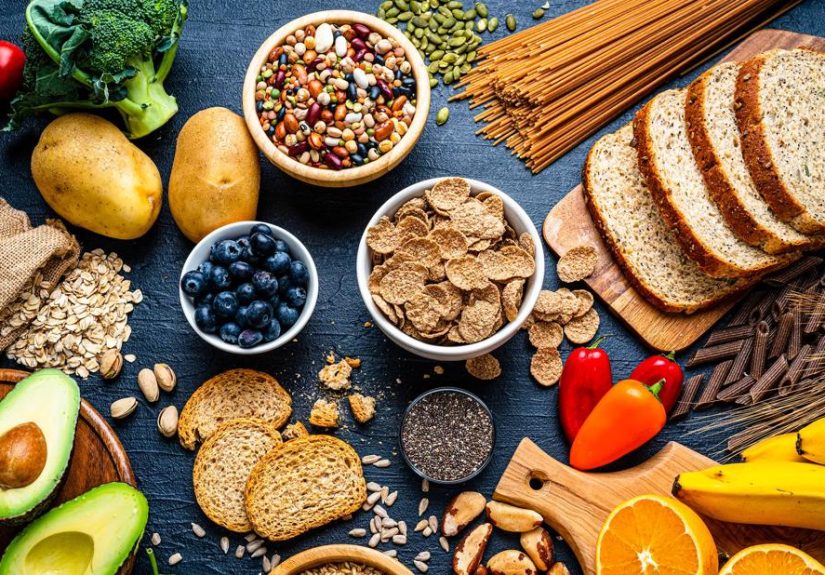
Fiber-rich foods (think beans, oats, berries, nuts, vegetables, whole grains) tend to show up in eating patterns that
are also rich in antioxidants and beneficial compounds. That overall package is often linked to lower systemic
inflammationanother factor researchers suspect may be relevant for tinnitus risk.
3) Fiber helps your heart and blood vesselsyour ears’ supply line
Your cochlea (the hearing organ in the inner ear) relies on a steady, healthy blood supply. Diets that support
cardiovascular health can help support that supply line. This is one reason dietary patterns tied to better vascular
function are being studied in connection with tinnitus.
How much fiber do you actually need?
Many Americans don’t hit recommended fiber targets (no judgmentmodern life is basically a drive-thru with Wi-Fi).
A common goal range for adults is roughly 25–38 grams per day, depending on age and sex. If your current fiber
intake is low, going from “almost none” to “all the beans” overnight can cause bloating and discomfortso increase
gradually and drink enough water.
Fiber upgrades that don’t feel like punishment
- Breakfast: Oatmeal topped with berries + chia or ground flax.
- Lunch: Add chickpeas or black beans to salads, soups, and rice bowls.
- Snacks: An apple + peanut butter, or carrots + hummus.
- Swap: Choose whole-grain bread/pasta more often than refined versions.
- Easy win: Keep frozen berries and frozen veggies on hand (fiber doesn’t care if it traveled by freezer truck).
Why dairy might be protective (for some people)
Dairy brings a useful nutrient toolkit
Dairy foods (and fortified soy alternatives) can contribute nutrients that support general nerve and muscle function,
bone health, andindirectlysystems that affect hearing health. Key nutrients often include calcium,
vitamin D (in fortified milk), potassium, protein, and vitamin B12.
Does that mean dairy directly “protects your ears”? Not proven. But if dairy intake is part of a broader pattern
associated with better overall health, it could plausibly connect to tinnitus risk through vascular or metabolic pathways.
What “counts” as dairy?
In U.S. nutrition guidance, the Dairy Group typically includes milk, yogurt, cheese, and fortified soy milk/soy yogurt
because the nutrient profile is similar. Many adult meal patterns recommend about 3 cup-equivalents per day
(for example, 1 cup milk, 1 cup yogurt, and 1.5 ounces of hard cheese).
Choosing dairy wisely
- Go lower in added sugar: Plain Greek yogurt + fruit beats “dessert disguised as yogurt.”
- Consider kefir or yogurt: Fermented options can be easier for some people to digest.
- If lactose is an issue: Lactose-free dairy and fortified soy alternatives can still fit the pattern.
- If you have a milk allergy: Skip dairy entirely and use safe alternativesthis is not a “power through” situation.
What the research does (and doesn’t) mean
Let’s translate the science headline into normal-human language:
- It suggests association, not causation. Fiber and dairy may be markers of an overall healthier diet.
- It’s about risk, not instant relief. This isn’t “eat yogurt, stop ringing by Thursday.”
- Quality of evidence matters. The researchers themselves note limitations, including study design and the small number of included studies.
- Diet is one lever. Noise exposure, hearing loss, and health conditions remain major drivers of tinnitus.
Putting it together: a tinnitus-smart eating pattern
If you want to eat in a way that’s consistent with the “lower risk” pattern observed in research, think less “miracle
food” and more “boringly effective habits”:
A simple day of eating that emphasizes fiber + dairy
-
Breakfast: Oatmeal cooked with milk (or fortified soy milk) + blueberries + walnuts.
Why it fits: Fiber from oats and berries, plus dairy nutrients. -
Lunch: Big salad with mixed greens, quinoa, chickpeas, olive oil + lemon, and a side of plain yogurt.
Why it fits: Fiber + healthy fats + protein; yogurt adds dairy. -
Snack: Apple slices + cheese (or a fortified soy yogurt if dairy-free).
Why it fits: Fiber + dairy, without turning your afternoon into a sugar roller coaster. -
Dinner: Salmon (or tofu) + roasted vegetables + brown rice, plus a small glass of milk or kefir.
Why it fits: A heart-friendly pattern that supports vascular healthyour inner ear’s “plumbing.”
Other proven ways to reduce tinnitus risk (and protect your sanity)
Protect your hearingseriously
Repeated exposure to loud sound is a major risk factor for hearing damage and tinnitus. A helpful rule of thumb:
chronic exposure around 85 decibels and above can contribute to hearing harm over time. Use earplugs or earmuffs
when you’re around loud tools, concerts, motorcycles, or anything that makes you shout to be heard.
Check the “boring health” box: blood pressure, circulation, meds
Tinnitus can be associated with circulatory issues or medications that affect hearing. If you have tinnitusespecially
new or worseningreview medications with a clinician, and make sure your cardiovascular risk factors are being
managed. If the sound is rhythmic (pulsatile), don’t “wait it out.” Get evaluated.
When tinnitus is already here: what actually helps
There may not be a universal cure, but there are evidence-based tools that reduce how intrusive tinnitus feels:
hearing aids (when hearing loss is present), sound therapy, and behavioral approaches such as cognitive behavioral
therapy (CBT). Think of it as changing the brain’s relationship with the sound, even if the sound doesn’t fully vanish.
When to see a clinician
Call a healthcare professional promptly if tinnitus is:
- Sudden or comes with sudden hearing loss
- Only in one ear or rapidly worsening
- Pulsatile (in time with your heartbeat)
- Paired with dizziness, severe ear pain, neurologic symptoms, or a major change in hearing
- Disrupting sleep, mood, work, or daily function
Experiences: what people notice when they try “fiber + dairy” for tinnitus risk
To be clear: the research is about risk, not a guaranteed “ringing reduction protocol.” Still, many people who decide
to eat more fiber and include sensible dairy options report something valuable: not a magical silence, but a more
stable baseline. And sometimes, that’s the difference between “I can ignore this” and “I am auditioning for a role as a tea kettle.”
One common experience is realizing that tinnitus often feels louder when the body is under strainpoor sleep,
high stress, dehydration, or an all-day blood-sugar roller coaster. People who add fiber (especially at breakfast and lunch)
often describe fewer energy crashes and less “wired and tired” late in the day. Their tinnitus may not disappear,
but the volume of their overall discomfort dial can turn down a notch. In practical terms, they stop feeling like their
nervous system is running a background app that never closes.
Another pattern: swapping ultra-sugary snacks for fiber-rich options changes the afternoon. For example, someone
who used to grab a pastry at 3 p.m. might shift to an apple with peanut butter or yogurt with berries. They may notice
improved focus, fewer jitters, and less end-of-day irritabilityfactors that can influence how “front-and-center” tinnitus
feels. It’s not that the snack treats tinnitus; it’s that the snack supports steadier physiology, which can make the sound
easier to tune out.
People who add dairy often do it in a “quietly strategic” way: plain Greek yogurt instead of dessert yogurt, milk in oatmeal
instead of a sugary coffee drink, or kefir as a protein-rich snack. Some describe better satiety (less late-night grazing),
which can support sleep routines. And sleep matters because tinnitus is famously obnoxious in a silent bedroom at 2 a.m.
(Silence is great until your ears decide to host a solo.)
There are also very real “not for me” experiences. Some people find dairy triggers reflux, congestion, or digestive issues.
Others have lactose intolerance and feel better switching to lactose-free dairy or fortified soy alternatives. Some notice
that adding fiber too quickly causes bloating, which becomes its own distraction. The best results usually come from
gradual changes: increasing fiber by a few grams every several days, drinking more water, and choosing dairy options
that agree with your body.
A surprisingly helpful strategy people report is keeping a simple two-week “ringing journal.” Not obsessive trackingjust
quick notes: sleep quality, stress level, loud noise exposure, caffeine timing, and what they ate. Patterns often emerge:
tinnitus spikes after loud environments, poor sleep, or high stress; it feels more manageable on days with balanced meals.
Even when the sound doesn’t change dramatically, the sense of control improvesand that alone can reduce distress.
Conclusion
The best way to think about “fiber and dairy for tinnitus risk” is as a sensible add-on to the big-ticket prevention items:
protect your hearing, manage cardiovascular and metabolic health, and address sleep and stress. A 2025 meta-analysis
suggests that higher intake of fruit, dietary fiber, and dairy is associated with lower tinnitus incidencebut the evidence
quality is limited, and causality isn’t proven.
Still, a fiber-forward pattern and smart dairy choices are broadly supportive of healthand your ears benefit from the same
things your heart and brain benefit from: good blood flow, steady energy, and fewer inflammatory hits. If tinnitus is already
affecting your life, don’t white-knuckle it. Evaluation and evidence-based management can make a real difference.