Table of Contents >> Show >> Hide
- Why Carpeted Stairs Feel Like a Cleaning Prank
- The “Amazing” Staircase Upgrade: Ditch the Full Carpet, Keep the Comfort
- Step One: Figure Out What You’re Working With Under That Carpet
- How to Remove Carpet From Stairs Without Losing Your Mind
- Fix the Annoying Stuff While the Stairs Are Exposed
- The Makeover Options: Choose Your “Amazing”
- How Stair Runner Installation Works (Without the Boring Parts)
- Design Choices That Make People Say “WaitThose Used to Be Carpeted?”
- Cleaning After the Upgrade: The Whole Point of This Story
- Cost and Time: What to Expect (So You Don’t Start and Panic)
- Common Mistakes to Avoid (Learn From Other People’s Pain)
- The Payoff: Why This Upgrade Feels So Good
- Real-Life Experiences After Ditching Full Stair Carpet (The 500-Word Reality Check)
- Conclusion
If you’ve ever tried to vacuum a giant carpeted staircase, you already know the truth: it’s not “cleaning,” it’s an
unpaid obstacle-course audition. The vacuum tries to tumble down the steps like it’s chasing fame. The hose gets
tangled around your elbow like a clingy scarf. And the corners? Those little dust-and-pet-hair bunkers laugh at you.
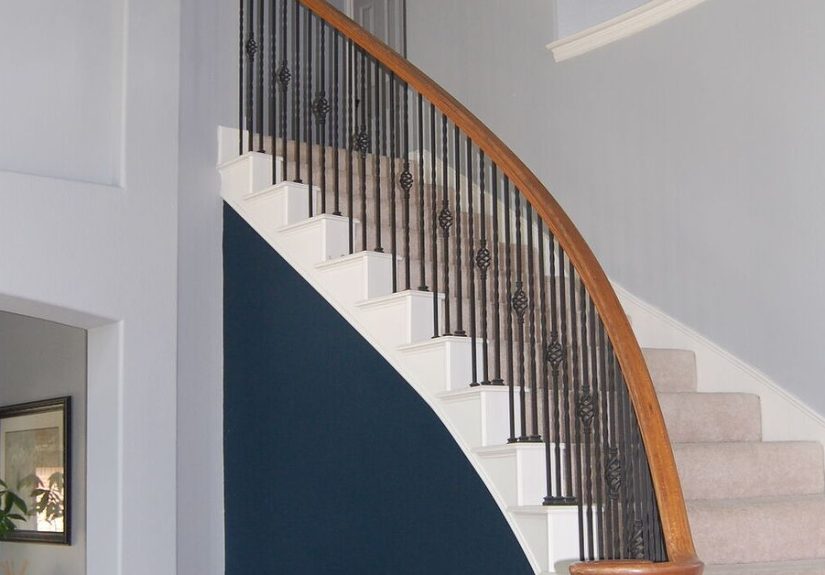
So when one fed-up household looked at their enormous carpeted staircase and thought, “There has to be a better
way,” they weren’t being dramaticthey were being reasonable. What they did next was the kind of home upgrade that
feels like a life upgrade: they ditched the wall-to-wall stair carpet and replaced it with a smarter, cleaner, far
more stylish solution that made vacuuming easier, the stairs safer, and the whole entryway look like it got a glow-up
on a home makeover show.
If you’re staring at your own carpeted stairs and daydreaming about freedom (or at least a less dusty future), here’s
an in-depth, practical guide to the “amazing” fixplus a few alternatives depending on your budget, your DIY courage,
and how much your vacuum has personally offended you.
Why Carpeted Stairs Feel Like a Cleaning Prank
Carpet on stairs can be cozy and quiet, and it does add traction underfoot. The problem is that stairs are basically
a high-traffic runway: shoes, socks, pets, crumbs, lint, pollen, and mysterious grit you swear wasn’t there yesterday.
Add tight angles, seams, and edges, and you get a surface that traps debris in all the worst places.
The “corners and edges” problem
Stairs have lots of nooksespecially where the tread meets the riser and where the carpet wraps around the nose.
Standard vacuum heads don’t love those angles, which is why you end up switching to attachments, doing multiple
passes, and still missing the stuff wedged in the sides.
The “this is cardio now” problem
Vacuuming stairs often means lifting, balancing, and repositioning your vacuum constantly. Canister vacuums can help,
but plenty of people still wrestle with awkward weight and limited reach. Even when you do everything right, it’s slow
workbecause carpet generally cleans best when you move the vacuum deliberately and methodically.
The “high-traffic means high-frequency” problem
Carpets typically need regular vacuuming, and high-traffic areas often need it more than once per week. On stairs,
that can feel like you’re stuck in a loop: clean, immediately re-dirty, repeat.
The “Amazing” Staircase Upgrade: Ditch the Full Carpet, Keep the Comfort
The most satisfying fix isn’t always to go fully bare wood (though that can look stunning). The upgrade many homeowners
end up loving is this: remove the wall-to-wall stair carpet, refresh what’s underneath (wood treads or a clean base),
and install a stair runner.
A runner gives you traction and softness where your feet land, while leaving exposed wood on the sides for easier
cleaning and a higher-end look. It’s the best of both worlds: less carpet to trap grime, and less slippery surface
than fully finished stairs.
Why a runner makes life easier
- Vacuuming becomes faster: You’re cleaning a narrower strip, not a full carpeted staircase.
- Edges don’t hoard fuzz as much: Less wrapped carpet means fewer “hair-collection zones.”
- Design upgrade: A runner can add pattern, color, and personality without overwhelming the space.
- Safety: Runners add traction and cushionespecially helpful for kids, older adults, and pets.
Step One: Figure Out What You’re Working With Under That Carpet
Before you start imagining gorgeous stained wood, remember the two classic staircase surprises:
- Surprise #1: Beautiful hardwood treads hiding underneath.
- Surprise #2: Builder-grade treads with paint splatters, staple marks, and a personality disorder.
Either outcome is workable. If the wood is decent, you can sand and refinish. If it’s rough, you can paint, cap the
treads, install new treads, or still do a runner over a cleaned-up base. The key is planning the end result before you
begin ripping anything out.
How to Remove Carpet From Stairs Without Losing Your Mind
Carpet removal is usually a “weekend project” level job for a motivated DIYer. It’s not glamorous, but it’s
straightforward: pull up carpet, remove padding, remove tack strips, and deal with staples.
Safety first (seriously)
Stairs are already a fall-risk zone. Add sharp staples, tack strips, and flying debris, and suddenly “just a little DIY”
becomes “why do I own a first-aid kit?” Protect your hands and eyes, and wear a mask if you’re sensitive to dust and fibers.
The general removal sequence
- Start at the top: Cut the carpet into manageable strips and pull it back carefully.
- Remove the padding: Padding is often stapled downexpect lots of staples.
- Pry up tack strips: These are spiky wood strips used to grip carpethandle with care.
- Pull staples: This is the “character-building” part. Pliers help. Patience helps more.
- Clean thoroughly: Vacuum debris and wipe down surfaces so you’re not sealing dust under new finishes.
Pro tip: keep a small container nearby for staples and metal scraps so they don’t migrate into your socks later. Staples
have a remarkable ability to travel across space and time just to ruin your day.
Fix the Annoying Stuff While the Stairs Are Exposed
Once the carpet is off, you have a rare opportunity: access. Use it to handle problems that carpet was hidinglike squeaks,
loose treads, or gaps.
Quieting squeaky stairs
Squeaks often come from movement between the tread and the stringer or riser. Some common fixes involve shimming gaps
and securing joints so the wood stops rubbing and flexing. If the staircase feels structurally questionable, it’s worth
having a professional look before you invest time in finishing and installing a runner.
The Makeover Options: Choose Your “Amazing”
Here are the most popular staircase transformations for people who are done vacuuming a full carpeted staircasebut still
want a practical, safe surface.
Option A: Refinish wood treads + install a stair runner
This is the classic “wow, that looks expensive” upgrade. You expose the wood, repair and prep it, then finish it (stain or
paint) and add a runner down the center. The runner becomes the functional landing zone, and the finished wood adds polish.
If you want a designer look, consider painting risers a crisp color (often white) and staining treads for contrast. Then
choose a runner with a subtle pattern that hides everyday lint better than a solid light color.
Option B: Install a runner without fully refinishing everything
Not every staircase needs a museum-level refinish. If the treads are structurally sound but cosmetically “meh,” you can
clean, patch, and paint the exposed sides and risers, then install a runner. This is a great middle-ground: you still get
the runner’s function, and you save time and money on a full refinish.
Option C: Stair tread caps or replacement treads + runner or mats
If the wood underneath is too damaged (or just not worth sanding for three years), tread caps or replacement treads can
give you a fresh surface. Pair them with a runner or individual stair treads for grip.
Option D: Individual stair treads (stair mats) instead of a runner
Stair treads are like little rugs for each step. They’re often easier to install than a full runner and can be replaced
piece-by-piece if one gets stained or worn out. They’re also a favorite for pet households, because you can target the
exact steps where fur collects.
Option E: A painted “runner” (yes, really)
Some homeowners paint a runner-like stripe pattern down the stairs for a bold, budget-friendly look. It’s striking and
easy to clean, but you’ll still want to add traction in some way (a rug strip, grip tape designed for stairs, or a finish
intended to reduce slipping). It’s the minimalist’s answer to “I hate vacuuming.”
How Stair Runner Installation Works (Without the Boring Parts)
Installing a stair runner is part measuring, part precision, and part “why did I choose a project with 14 identical steps?”
But when it’s done, it looks sharp and it feels great underfoot.
Key decisions before you buy
- Width: Most runners leave a margin of exposed stair on each side for a tailored look.
- Material: Look for durabilitytight weaves and low-to-medium pile tend to handle stairs well.
- Binding: If you’re cutting carpet to runner size, consider professionally bound edges for a finished look.
- Padding: Padding can improve comfort and longevity, but too much squish can make stairs feel unstable.
The basic installation flow
Most guides follow the same rhythm: measure the stairs, determine runner size, cut and attach padding, mark the center line,
and secure the runner from top to bottomstapling at key points like the top of the riser and under the stair nose.
Done carefully, the runner sits tight, straight, and smooth.
If you want the extra “custom” factor, stair rods can be added as a decorative element. They’re not always structurally
necessary with modern installation methods, but they can deliver a classic, tailored look.
Design Choices That Make People Say “WaitThose Used to Be Carpeted?”
The secret to an amazing staircase makeover isn’t just removing carpetit’s choosing a finish and runner that fit your home.
Patterns that work hard (so you don’t have to)
A subtle patternlike stripes, diamonds, or small geometricscan hide everyday dust far better than a solid light runner.
If your household is busy (kids, pets, frequent guests), you want “forgiving” design.
Color strategy for high-traffic reality
Very light runners can look gorgeous on day one and look like they’ve lived a full life by day fourteen. Mid-tones and
mixed-color patterns tend to stay visually calm even when the stairs are doing what stairs do: collecting evidence of
your existence.
Risers: the underrated glow-up
Painting risers can make the entire staircase feel brighter and cleanerespecially in darker entryways. It also creates
contrast that highlights the runner and the tread finish in a more intentional way.
Cleaning After the Upgrade: The Whole Point of This Story
Once you swap full stair carpet for a runner (or treads), cleaning gets dramatically easier. You still vacuumbut you’re
no longer vacuuming an entire carpeted mountain.
Smarter stair cleaning habits
- Vacuum slowly: Carpet and runners generally respond better to deliberate passes than frantic swipes.
- Use the right attachment: A brush or upholstery tool can help lift debris from fibers.
- Hit corners efficiently: A crevice tool helps, and some people even use a simple squeegee to pull up pet hair on carpeted surfaces.
- Reduce the incoming dirt: Shoe-off habits and regular doormats make a real difference.
If your goal is “spend less time vacuuming stairs,” the runner approach is one of the most effective changes you can make
without compromising safety or comfort.
Cost and Time: What to Expect (So You Don’t Start and Panic)
Costs vary wildly based on your staircase size, runner choice, and whether you DIY or hire a pro. A runner can be relatively
affordable if you choose budget-friendly materials and install it yourself. A fully custom runner with professional installation
can cost morebut it can also look like it belongs in an architectural magazine.
Budget factors that actually matter
- Runner material and binding: Wool and custom binding cost more than basic synthetic options.
- Prep work: Repairing damaged treads or fixing squeaks adds time and materials.
- Finishing: Stain and polyurethane or paint and topcoat costs are modest, but labor is not.
- Professional help: Hiring out can be worth it for tricky stairs (curves, landings, odd dimensions).
If you’re comparing hard surfaces, remember that broader hardwood flooring installation costs are often discussed for entire
rooms and levels of a home; stairs can be priced differently. Still, the big-picture numbers help you understand why many
homeowners choose a runner upgrade as a “high impact, lower chaos” alternative to a full flooring overhaul.
Common Mistakes to Avoid (Learn From Other People’s Pain)
1) Choosing a runner that shows everything
White and cream runners are gorgeousuntil you realize your stairs are a dirt transportation system. If you love light color,
pick a pattern with texture or flecks so it doesn’t look tired the second someone walks upstairs.
2) Skipping prep because you’re excited
Staples left behind can telegraph through finishes. Dust can ruin paint adhesion. And squeaks don’t magically stop squeaking
because you gave the stairs a new outfit. Prep is not the fun part, but it’s the difference between “amazing” and “we need
to redo this.”
3) Making the stairs less safe in the name of style
Stairs are not the place to prioritize aesthetics over traction. If you go with bare wood, plan for grip. If you go with a
runner, make sure it’s installed securely and doesn’t shift.
The Payoff: Why This Upgrade Feels So Good
The reason this makeover feels “amazing” isn’t just the before-and-after photo moment. It’s the daily win: fewer vacuuming
battles, fewer stubborn corners, fewer “why is there so much hair here?” spirals.
And the best part? A staircase makeover changes how your whole home feels. Stairs are often one of the first things you see
when you walk in. When they look intentionalclean lines, crisp finish, a runner that fits the vibeit makes the entire space
feel more pulled together.
Real-Life Experiences After Ditching Full Stair Carpet (The 500-Word Reality Check)
The first week after the upgrade is usually when people realize how much mental energy that old carpeted staircase was stealing.
It’s not just that vacuuming gets easierit’s that the stairs stop feeling like a “project” you’re always behind on. One
homeowner described it as the difference between “I should clean the stairs” and “the stairs are fine.” That’s a surprisingly
luxurious feeling.
Another common experience: you start noticing your home stays cleaner longer. With full carpet, stairs act like a giant lint
magnetespecially if you have pets. Fur gets embedded, dust settles deep, and even when it looks okay, it can feel like it’s
never truly fresh. With a runner (or stair treads), you can do quick maintenance passes without the whole production:
grab a handheld vacuum, run it down the center, and you’re done. No hauling a heavy vacuum up the steps like you’re training
for a fitness test you didn’t sign up for.
People also talk about how the stairs “sound” and “feel” differently. Fully carpeted stairs often cushion footsteps and soften
noise. When you switch to exposed wood with a runner, you usually keep much of that comfort in the center where you walk, while
the wood edges make the staircase feel more open and finished. The result can feel surprisingly upscaleeven if you didn’t spend
upscale money.
If you have kids, the biggest change is often speed. Spills and sticky spots on full carpet can become a whole ordeal. With a runner,
you can spot-clean the problem area and move on. Some families even keep a small cleaning kit nearby for quick touch-upsbecause
it’s finally worth doing quick touch-ups. The stairs aren’t a bottomless pit anymore.
Pet owners tend to become runners’ biggest fans (and also their biggest critics). The “fan” part is obvious: less carpet means less
fur trapped on the sides and in the corners. The “critic” part is that runner choice matters. A tight weave can be easier to maintain,
while a fluffy option can cling to hair like it’s trying to adopt it. Many people say that once they found the right materialdurable,
not too plush, not too lightthe runner became one of the most practical changes they made in the entire house.
And then there’s the social experience, which is real even if it sounds silly: guests notice stairs. A staircase is a visual anchor.
When someone walks in and sees a clean, updated stairwayespecially one that used to be a big, dated slab of carpetit can trigger a
cascade of compliments. People ask what you did, how hard it was, and whether you hired it out. In other words, your staircase becomes
a conversation piece instead of a chore. That’s a pretty good trade.
The most honest takeaway from people who’ve done it? The upgrade doesn’t just change the stairsit changes your relationship with your
home. You stop dreading a recurring cleaning task, and you start enjoying a space you pass through every single day. And that’s the kind
of “amazing” that actually lasts.
Conclusion
If you’re tired of vacuuming a giant carpeted staircase, you’re not lazyyou’re simply aware that stairs shouldn’t require a weekly
wrestling match. Replacing full stair carpet with a well-installed runner (especially over refreshed treads) is one of the smartest
staircase upgrades you can make: it keeps traction and comfort while cutting down cleaning time and upgrading the look of your home.
Whether you go all-in on refinished wood and a statement runner, choose individual stair treads for easy swaps, or keep it simple with
a durable runner that hides daily life, the goal is the same: make your stairs easier to live with. Your vacuum will survive. Your knees
will thrive. And your entryway might just look like it got a magazine featurewithout the magazine crew.