Table of Contents >> Show >> Hide
- What Is Transoral Robotic Surgery?
- Who May Be a Good Candidate for TORS?
- How to Prepare for Transoral Robotic Surgery
- What Happens During the Procedure?
- Why TORS Is Different From Traditional Open Surgery
- What Recovery Looks Like After TORS
- Possible Risks and Complications
- Will You Need More Treatment After Surgery?
- Tips for a Smoother Recovery
- Patient and Caregiver Experiences: The Part Brochures Usually Leave Out
- Conclusion
If the phrase transoral robotic surgery sounds like something borrowed from a sci-fi movie and handed to an ENT surgeon, that is understandable. Fortunately, TORS is not a robot going rogue in an operating room. It is a surgeon-controlled, minimally invasive technique used to reach tumors and other problem areas in the mouth and throat through the mouth instead of through large external incisions.
For many patients, that difference matters a lot. Traditional open surgery for certain throat tumors could involve bigger cuts, longer hospital stays, more visible scarring, and a tougher road back to eating, talking, and feeling like yourself again. Transoral robotic surgery was developed to make that journey more precise and, in the right patient, less punishing.
This guide walks through what TORS is, how to prepare for it, what happens during the procedure, and what recovery actually looks like when the anesthesia wears off and real life starts asking questions.
What Is Transoral Robotic Surgery?
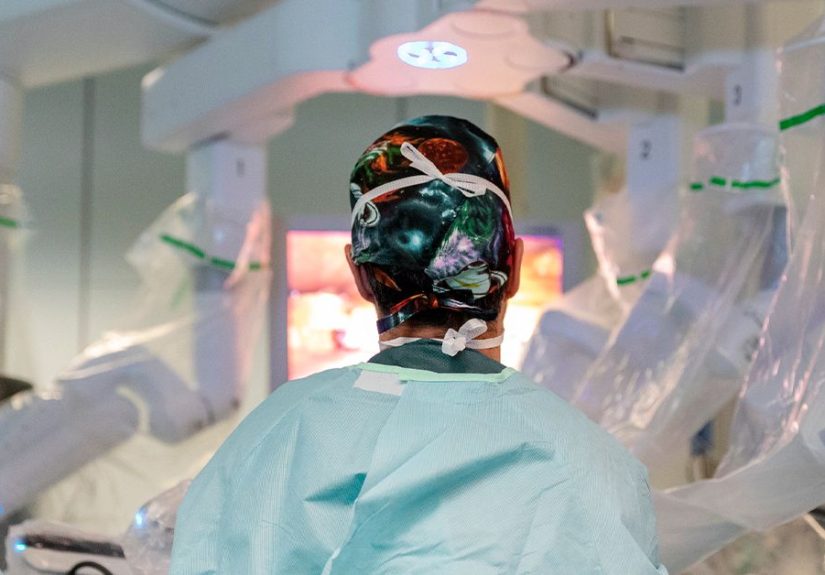
Transoral robotic surgery, often shortened to TORS surgery, is a minimally invasive procedure in which a surgeon uses robotic instruments and a high-definition 3D camera to operate through the mouth. It is most often discussed in the treatment of select cancers in hard-to-reach parts of the throat, especially the oropharynx, including the tonsils and base of tongue.
The important detail here is that the robot does not make decisions. It does not “perform surgery by itself.” The surgeon sits at a console and controls every movement. The robotic system simply translates the surgeon’s hand motions into very precise movements in a tight surgical space where visibility and access are otherwise limited.
In practice, TORS is often used for carefully selected tumors in the mouth and throat, but some centers also use transoral robotic approaches for certain benign conditions, including obstructive sleep apnea or selected noncancerous masses. Still, when most people search for transoral robotic surgery recovery, they are usually talking about head and neck cancer treatment.
Who May Be a Good Candidate for TORS?
Not every throat tumor is a TORS tumor. Candidacy depends on several things: the tumor’s size, exact location, whether it can be safely exposed through the mouth, whether nearby structures are involved, whether lymph nodes in the neck also need treatment, and the patient’s overall health.
In broad terms, surgeons may consider robotic throat surgery when the disease is in a location that is difficult to reach but still accessible transorally, and when a minimally invasive approach could preserve function without compromising cancer control. Patients with more extensive disease, difficult anatomy, major bleeding risk, or tumors that cannot be safely accessed through the mouth may need a different strategy.
In other words, TORS can be an excellent tool, but it is not a universal coupon code for every head and neck case.
How to Prepare for Transoral Robotic Surgery
1. Pre-op evaluation comes first
Before surgery, your team usually reviews your medical history, imaging, biopsy results, current medications, and anesthesia risk. Depending on your case, you may also have lab work, heart testing, airway evaluation, nutrition counseling, or swallowing assessment. If a neck dissection may be done at the same time, that is usually discussed ahead of schedule so you are not surprised when you wake up with a sore throat and a neck incision.
2. Medication review is not optional homework
One of the biggest transoral robotic surgery preparation steps is reviewing medicines that can increase bleeding risk. Your care team may tell you to stop certain blood thinners, aspirin-containing products, NSAIDs, or supplements before surgery. The timing varies, so this is absolutely not the moment for freestyle medicine management. If your surgeon says, “Call before stopping anything,” that is not small talk.
3. Fasting instructions matter
Most patients are told not to eat or drink for a set period before surgery, often beginning at midnight or according to a more specific anesthesia schedule. The exact timing depends on your procedure time and your hospital’s policy. Either way, “just one cracker” is not the kind of plot twist your anesthesiologist enjoys.
4. Smoking and alcohol deserve a serious mention
If you smoke, tell your team honestly. Smoking can affect anesthesia risk, wound healing, and recovery. Heavy alcohol use also matters because it can influence bleeding, healing, and withdrawal risk after surgery. This is a good time to be clinically honest, not impressively mysterious.
5. Prepare your home for recovery, not for company
Practical preparation often gets overlooked because it is less glamorous than “state-of-the-art robotic platform.” But it matters. Arrange your ride home, make sure someone can stay with you at least initially if your team recommends it, and stock your kitchen with liquids and soft foods. Think broths, smoothies, yogurt, pudding, protein drinks, mashed potatoes, applesauce, scrambled eggs, and anything else that does not fight back on the way down.
You may also want a humidifier, a water bottle you will actually use, a medication log, and patience. Lots of patience. That one is rarely in the hospital gift shop.
What Happens During the Procedure?
TORS is performed under general anesthesia, so you will be asleep. After you are positioned, the surgical team places a retractor in the mouth to provide exposure. The robotic camera and small articulated instruments are then introduced through the mouth, giving the surgeon a magnified 3D view of the surgical field.
The surgeon controls the system from a nearby console and removes the tumor with careful attention to margins. Depending on the case, a laser or other instruments may be used as part of the resection. If lymph nodes in the neck need to be removed, a neck dissection may be performed during the same operation through an external incision in the neck.
Some patients may have a temporary feeding tube placed through the nose to help with nutrition and hydration during early recovery. A tracheostomy is less common than with older open approaches, but it may still be needed in select cases depending on swelling, airway concerns, or the extent of surgery.
How long does the procedure take? It depends. Some patient education materials describe around three to four hours for the transoral portion, while additional work such as neck dissection can extend the total time. This is one reason your surgeon may answer the timing question with a phrase that translates roughly to, “It depends, and I promise I’m not being annoying on purpose.”
Why TORS Is Different From Traditional Open Surgery
The biggest benefit of head and neck cancer surgery with a transoral robotic approach is access without a large external incision for the primary tumor. That can mean less visible scarring, less disruption of surrounding tissue, less blood loss, and a shorter hospital stay for many patients. It may also support better preservation of speech and swallowing function compared with more invasive older operations.
That said, “minimally invasive” should not be confused with “minor.” TORS is still major surgery in a delicate area involving breathing, swallowing, speaking, nutrition, and cancer control. It is less invasive than some alternatives, not casual.
What Recovery Looks Like After TORS
The first day or two
After surgery, you are monitored closely for airway issues, bleeding, pain, hydration, and swallowing ability. Some centers keep patients in an intensive care or high-acuity setting initially, while others use a step-down approach depending on the case. A hospital stay of a few days is common, though the exact length depends on the extent of surgery, whether a neck dissection was done, how well you are swallowing, and whether you are meeting nutrition goals.
Expect throat pain and swallowing trouble
This is the part patients should hear clearly: transoral robotic surgery recovery usually involves a sore throat, painful swallowing, mucus, fatigue, and a temporarily limited diet. None of that means the surgery failed. It means your throat just had surgery and is not sending thank-you notes yet.
Many patients start with clear liquids, then full liquids, then soft foods, and finally transition toward a more regular diet as tolerated. Weight loss is common because swallowing can hurt and eating may feel like work. Hydration becomes a daily mission. If you do not feel like drinking, your care team still wants you drinking.
Speech and swallow rehab may be part of the plan
Some patients work with a speech-language pathologist after surgery, especially if swallowing is difficult. This is not a sign of failure either. It is part of smart recovery. Swallowing often improves over the following weeks, and structured exercises can help patients regain safer and more comfortable function.
Bleeding risk gets extra attention
One of the most important recovery warnings after TORS is bleeding. The throat heals differently than a knee or an elbow because you cannot exactly put a “do not chew here” sticker on it. Some patient instructions warn that bleeding risk may be higher several days after surgery, not just immediately after it. That is why surgeons are very specific about diet progression, activity restrictions, and when to call right away.
Activity usually returns before you feel fully normal
Many patients are able to resume routine daily activity within a few weeks, but that does not mean they feel completely recovered. Fatigue, altered taste, throat discomfort, limited diet, and anxiety about pathology results can linger. A more complete recovery may take several weeks, and longer if additional radiation or chemotherapy is needed.
Possible Risks and Complications
Like any surgery, TORS has risks. These can include bleeding, infection, pain, tongue swelling, breathing trouble, aspiration, difficulty swallowing, difficulty speaking, dehydration, need for a feeding tube, anesthesia complications, and the possibility that more treatment will be recommended based on the final pathology.
There is also the emotional complication nobody puts in a neat bullet point: waiting for the pathology report. Patients often feel physically sore and mentally suspended at the same time. That part is real, too.
Will You Need More Treatment After Surgery?
Sometimes oropharyngeal cancer surgery with TORS is the main treatment. Sometimes it is just the opening act. Final pathology may show features that change the next step, such as close or positive margins, lymph node involvement, extranodal extension, or other high-risk findings. In those cases, your team may recommend radiation therapy, chemotherapy, or both.
This is why treatment planning for TORS is usually multidisciplinary. Surgeons, radiation oncologists, medical oncologists, pathologists, radiologists, speech specialists, and nutrition professionals may all have a seat at the table. Good cancer care is rarely one person in a heroic spotlight. It is more of a well-organized group project, which is not a phrase anyone expected to hear used positively after high school.
Tips for a Smoother Recovery
- Take pain medicine exactly as prescribed so swallowing and hydration stay manageable.
- Follow diet stages slowly and do not rush crunchy, spicy, or scratchy foods.
- Drink fluids consistently, even when your throat votes no.
- Use the speech and swallow team if they are offered. They are not extra; they are useful.
- Avoid smoking and ask before drinking alcohol during healing.
- Skip heavy lifting and strenuous exercise until your surgeon clears you.
- Know your warning signs: significant bleeding, trouble breathing, fever, worsening swelling, or inability to stay hydrated.
Patient and Caregiver Experiences: The Part Brochures Usually Leave Out
Beyond the technical description of transoral robotic surgery, many experiences around TORS are surprisingly human and remarkably consistent. Patients often say the strangest part before surgery is the mismatch between how advanced the technology sounds and how ordinary the emotions feel. Even when they understand the benefits, they still worry about waking up in pain, not being able to swallow, needing a feeding tube, or hearing that more treatment is necessary. A “minimally invasive” label does not magically make people feel calm.
In the first stretch of recovery, patients frequently describe their throat as raw, tight, or full of glassy discomfort when swallowing. Even water can feel like a negotiation. Some are surprised by how tiring it is to eat when every sip and spoonful requires focus. Others are caught off guard by thick mucus, hoarseness, odd taste changes, or the simple frustration of being hungry but not wanting to swallow. That disconnect can be emotionally draining. Caregivers notice it too, especially when they are trying to encourage fluids, track medications, and stay cheerful without becoming the household hydration police.
Another common experience is relief mixed with impatience. Patients are often grateful that the main tumor was removed through the mouth without a large external incision, but they still feel discouraged when recovery is slower than expected. They may compare themselves with stories of people who were “back to normal in no time,” which is rarely helpful. Real recovery is usually uneven. One day feels encouraging; the next feels like a personal insult from soup.
People who need temporary tube feeding or a more prolonged soft-food period can also feel emotionally sidelined. Eating is social, comforting, and deeply routine. When that routine changes, recovery can feel isolating. This is one reason speech-language pathologists, dietitians, and supportive care teams matter so much. They help turn recovery from a vague hope into a workable plan.
Caregivers often report their own version of TORS recovery: watching for bleeding, reminding the patient to sip fluids, helping manage appointments, and trying to interpret whether fatigue is normal healing or a sign that something is off. The best caregiver advice is usually simple: follow the discharge instructions, keep communication open, and call the team early if something feels wrong. Nobody wins a prize for waiting too long to report heavy bleeding or worsening swallowing.
Over time, many patients describe the same reassuring shift. Swallowing becomes less dramatic. Speaking feels more natural. The fear that every sensation means disaster starts to fade. Some still need radiation or chemotherapy, and that can extend the journey, but even then, many people value that TORS helped remove the tumor while preserving as much function as possible. In the end, the most common long-term reflection is not “the robot was amazing,” though yes, the robot gets some applause. It is usually something more grounded: I got through it, it was harder than I expected, and I was glad to have a treatment that aimed to control the cancer without taking more of my everyday life than necessary.
Conclusion
Transoral robotic surgery has changed the conversation around selected mouth and throat operations, especially for certain head and neck cancers. By allowing surgeons to work through the mouth with enhanced visibility and precision, TORS can reduce external scarring, shorten recovery time, and help preserve swallowing and speech when used in the right patient.
Still, success with TORS depends on smart patient selection, thoughtful preparation, experienced surgical teams, and realistic recovery expectations. The procedure may be minimally invasive, but recovery is still real work. Patients who understand the likely path ahead, from pre-op planning to soft foods to follow-up visits, are usually better equipped to handle the process with less panic and more confidence.
If there is one useful takeaway, it is this: TORS is not just about getting a tumor out. It is about doing that while protecting the everyday functions that make life feel normal again, like eating, talking, swallowing, and eventually forgetting that soup once felt like a high-stakes event.