Table of Contents >> Show >> Hide
- Why Crisp Poplin Bedding Is Having a Moment
- What a “Confident Color Palette” Actually Looks Like
- How to Style Crisp Poplin Bedding Without Overthinking It
- What to Look for When Shopping
- How to Care for Crisp Bedding So It Stays Crisp
- The Real Reason This Trend Works
- Extra: Real-Life Experiences With Crisp Poplin Bedding in Bold Color
- Conclusion
- SEO Metadata
There was a long stretch when bedroom style seemed stuck in a hostage situation with beige. Beige walls, beige throw pillows, beige duvet covers, beige everything. Calm? Sure. Memorable? Not exactly. Now, the mood is shifting. Bedrooms are still meant to feel restful, but they no longer have to look like a bowl of plain oatmeal. The latest wave of bedding style pairs crisp poplin-inspired bedding with a confident color palette, creating spaces that feel fresh, tailored, and unmistakably alive.
This trend works because it solves two problems at once. First, it gives the bed a polished, cool-to-the-touch look that people love in crisp cotton bedding. Second, it invites color back into the room in a way that feels curated instead of chaotic. Think smoky olive, cocoa brown, dusty blue, pistachio green, terracotta, plum, saffron, and warm camel. In other words, your bed can finally wake up and get dressed.
Why Crisp Poplin Bedding Is Having a Moment
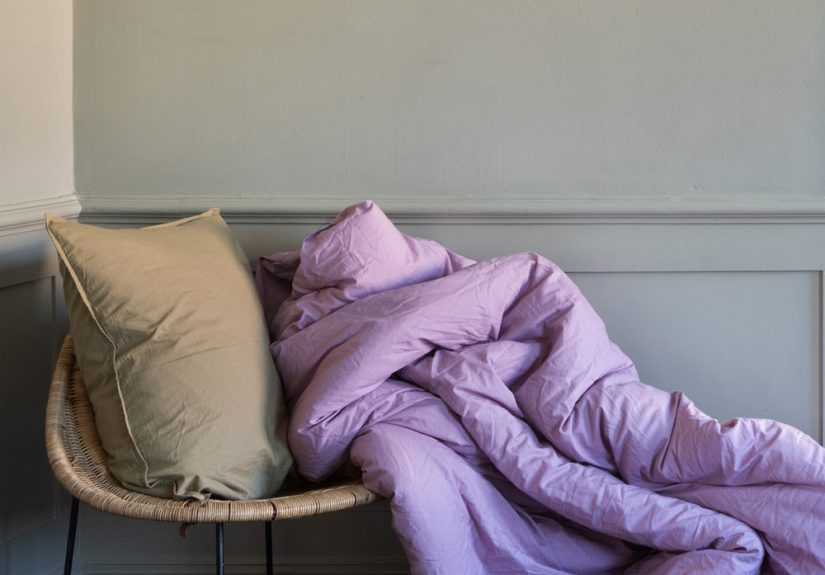
Crisp poplin bedding sits in that sweet spot between casual and tailored. It has the clean, smooth, lightly structured attitude people associate with a freshly pressed shirt, but it still belongs in a room designed for sleep, not a board meeting. The appeal is simple: this kind of bedding looks neat without feeling fussy, feels breathable without seeming flimsy, and photographs beautifully without needing ten decorative pillows and a stylist crouching behind the headboard.
That is a big deal in today’s interiors. Bedroom design has been moving toward cocooning, color-drenched spaces, collected styling, and bedding that feels more intentional. The old default of bright-white minimalism is no longer the only version of “luxury.” Now luxury also looks like rich, grounded color, tactile layering, and a bed that feels edited rather than overdone.
The Texture Is the Message
Part of the charm of crisp poplin bedding is that the weave does some of the decorating for you. A crisp, matte, plain-weave look naturally adds quiet structure to the bed. It does not puddle like silkier fabrics, and it does not rumple in that deliberately undone linen way either. It lands somewhere wonderfully in between: tidy, breathable, and visually sharp.
That sharper texture matters when you are working with stronger colors. A saturated hue on a limp fabric can look heavy. The same color on crisp bedding looks cleaner, smarter, and more architectural. It holds shape. It reflects light in a subtle way. It gives the whole room a little more backbone.
It Feels Cool, Which Is Never a Bad Career Move for Bedding
Another reason this trend makes sense is comfort. People are paying more attention to breathable bedding and sleep-friendly materials. Crisp cotton weaves are popular because they feel cool, airy, and comfortable for warm sleepers and layered beds alike. Even when the room design gets moodier, the bedding itself can still feel fresh and light. That contrast is part of the magic: the palette may be rich, but the sleep experience can stay clean and breathable.
What a “Confident Color Palette” Actually Looks Like
Confident color does not mean yelling. Your bedding does not need to resemble a fireworks display. A confident palette is one that commits. It is intentional, slightly bolder than safe neutrals, and grounded enough to feel elegant. It uses color with purpose rather than treating it like an apology.
1. Earthy, Grounded Browns
Warm browns are having a serious design moment, and for good reason. Cocoa, espresso, truffle, camel, and clay feel rich and restful at the same time. On crisp poplin bedding, these colors create a grown-up hotel vibe with more personality than standard white or gray. Brown also pairs beautifully with ivory, pale blush, muted green, dusty blue, and black accents.
If you want your bed to look expensive without trying too hard, start here. A cocoa duvet cover with ivory sheets and one rust accent pillow can do more for a bedroom than a dozen tiny “decor updates” and an inspirational candle called Mountain Silence.
2. Green That Feels Botanical, Not Cartoonish
Green continues to dominate bedroom palettes, especially softer pistachio, dusty sage, smoky olive, moss, and deeper forest tones. These shades connect the room to nature without making it look like a theme park interpretation of “outside.” Crisp bedding in green feels both soothing and current. It works exceptionally well with natural woods, cream walls, and black or brass lighting.
Pistachio is especially interesting because it bridges the gap between a neutral and a color statement. It reads fresh, but not loud. Olive leans moodier and more cocoon-like. Forest green feels dramatic and classic. Choose your level of courage accordingly.
3. Dusty Blues and Blue-Grays
Blue never really leaves the bedroom, but the new direction is more nuanced than bright coastal tones. Think stormy blue, denim blue, slate, or blue-gray. On crisp poplin bedding, these colors feel calm, smart, and slightly tailored. They also play nicely with creamy whites, walnut furniture, and warm brown accents, which helps them avoid looking chilly or flat.
If brown is the quietly luxurious option, blue-gray is the reliable overachiever. It looks good in almost any light, in almost any season, with almost any style. Frankly, it deserves a raise.
4. Spiced Reds, Plums, and Terracottas
For people who want bedding with more drama, muted reds and plums are rising stars. Rust, terracotta, burgundy, mulberry, and softened eggplant tones bring warmth and depth to the room. On a crisp weave, they feel refined rather than fussy. These are excellent colors for accent pillowcases, duvet covers, or a bold fitted sheet peeking out under a lighter layer.
The key is restraint. One rich terracotta duvet with sand-colored sheets looks chic. Six competing shades of red start to feel like your bed is actively campaigning for attention.
How to Style Crisp Poplin Bedding Without Overthinking It
Build Around One Lead Color
Pick one dominant shade for the bedding, then support it with two or three quieter partners. For example:
- Olive + ivory + camel + black
- Cocoa + cream + dusty rose + brass
- Slate blue + white + walnut + rust
- Pistachio + warm white + sand + dark green
This approach keeps the bed looking intentional. The moment every pillow starts freelancing in a different color family, the room loses the calm that makes a bedroom feel like a retreat.
Mix Solids, Stripes, and Tiny Prints
Another reason crisp bedding works so well is that it handles pattern beautifully. A solid poplin duvet can pair with striped pillowcases or a small-scale print without making the bed look messy. Current bedding trends also favor mixing pieces rather than buying perfectly matched sets, which gives the space more character.
A simple formula works every time: one solid, one stripe, one textured accent. That is enough visual interest to make the bed feel styled, but not so much that it looks like the linen closet exploded.
Use the “Hotel, But Better” Method
Want the bed to look polished? Keep the layers clean and useful. Start with fitted and flat sheets, add a duvet or quilt, then finish with sleeping pillows and one accent layer at the foot of the bed. That last layer might be a throw, lightweight blanket, or folded coverlet. Crisp bedding loves order, so avoid mountains of decorative pillows unless your goal is a nightly pillow relocation program.
What to Look for When Shopping
Not all colorful bedding is created equal. If you want crisp poplin bedding that feels as good as it looks, pay attention to construction and materials, not just color names that sound like they were written by a poet in a paint store.
Choose Breathable Cotton or Cotton-Rich Fabric
If comfort matters, breathable cotton should be high on the list. It tends to offer the crispness, airflow, and easy care that this trend depends on. Look for a smooth plain-weave or other crisp cotton construction that gives the bed that tailored finish.
Do Not Obsess Over Thread Count
Thread count can matter, but it is not the whole story. Fiber quality, weave, and finishing often affect feel more than a giant number on the package. A well-made crisp sheet set with a breathable weave can outperform a higher-count set that feels heavy or traps warmth.
Check the Certification Details
Many bedding shoppers also want organic cotton, OEKO-TEX certification, or other third-party standards that speak to material safety and manufacturing practices. These details can be especially useful if the bedding touches sensitive skin or if sustainability matters in your buying decisions.
Make Sure the Color Has Range
The best confident colors are adaptable. Ask yourself whether that shade works only with one exact paint color, or whether it can evolve with the room. Olive, clay, cocoa, slate, and pistachio tend to have range. Neon chartreuse? Bold, yes. Relaxing for sleep? Let’s not get carried away.
How to Care for Crisp Bedding So It Stays Crisp
The beauty of crisp poplin bedding is that it usually gets more comfortable over time, but care still matters. Wash according to the label, avoid overloading the machine, and skip scorching heat that can wear out fibers faster. Remove sheets promptly from the dryer if you want less wrinkling. A quick fold while they are still warm helps preserve that neat, tailored look.
And yes, some wrinkling is normal. Crisp bedding is allowed to look lived in. It is a bed, not a museum exhibit.
The Real Reason This Trend Works
At its core, this trend is about balance. Crisp poplin bedding brings structure, breathability, and a polished finish. A confident color palette brings mood, identity, and modern personality. Put them together and you get a bed that feels both composed and expressive. It is restful, but not boring. Stylish, but not theatrical. Fresh, but not sterile.
That is exactly where bedroom design is headed. People want rooms that restore them, but they also want rooms that look like someone interesting lives there. Crisp bedding in bold-but-grounded color is one of the easiest ways to get both.
Extra: Real-Life Experiences With Crisp Poplin Bedding in Bold Color
Here is what often surprises people once they actually bring crisp poplin bedding into their homes: the room feels more finished immediately, even before anything else changes. Swap out a tired neutral set for a sharp olive, clay, or blue-gray version, and suddenly the bed stops being background furniture. It becomes the visual anchor of the room. The effect is not loud. It is more like the bedroom finally found its posture.
In everyday use, crisp bedding also changes the rhythm of the room. Making the bed becomes easier because the fabric behaves. It folds cleanly, smooths out quickly, and keeps a nice shape when layered. That may sound like a small thing, but anyone who has ever wrestled with limp, slippery bedding before coffee knows this matters deeply. There is a specific kind of satisfaction in pulling up a crisp duvet and seeing the corners land where they are supposed to land. Tiny victory, huge emotional payoff.
Color adds another layer to that experience. Deep cocoa or smoky green in the morning can make a bedroom feel grounded and cocooning, especially when the light is still soft. By afternoon, those same shades often read richer and more dimensional, while dusty blue or pistachio can make the room feel bright and airy without going sterile. Good bedding color has range. It interacts with daylight, lamplight, wall color, and wood tones in a way that makes the room feel alive. That is one reason people quickly become attached to these palettes. They do not just look pretty in one perfect photo; they hold up across real life.
Another common experience is that confident color somehow makes everything else in the room look more intentional. A basic wood nightstand appears warmer. Black picture frames look sharper. Cream curtains feel softer. Even the laundry chair in the corner can look marginally more respectable, which is honestly more than it deserves. Strong bedding color gives the eye a focal point, so the rest of the room benefits from the sense of order.
There is also the comfort factor. Many people expect colorful bedding to feel heavy or decorative, but crisp poplin-style bedding often feels cool and breathable, especially for warm sleepers. That is part of why the trend has staying power. It is not just a design move. It is a quality-of-life move. The bed looks tailored, but it still feels inviting. You can read on it, nap on it, and sink into it without worrying that the setup is too precious to touch.
Finally, bold bedding tends to make people more confident in the rest of their decorating choices. Once you realize your bed can wear terracotta, olive, or slate and still feel serene, the whole room opens up. You become more willing to mix stripes with solids, layer cream with brown, or bring in brass, walnut, or a darker wall color. In that sense, crisp poplin bedding is not just a trend piece. It is often the gateway to a bedroom that feels more personal, more expressive, and a lot less afraid of having an opinion.
Conclusion
Crisp poplin bedding in a confident color palette is one of the smartest bedroom updates right now because it blends comfort, polish, and personality in equal measure. It delivers the cool, tailored appeal people love in crisp bedding while opening the door to richer, more expressive color. Whether you lean toward pistachio, olive, cocoa, slate, or terracotta, the goal is the same: create a bed that feels restful without fading into the background. And that, finally, is a trend worth sleeping on.