Table of Contents >> Show >> Hide
- Why Ruffled Edging Is Showing Up Now
- What Makes Today’s Ruffles Different
- Where Ruffled Edging Works Best in Home Decor
- How to Style Ruffled Edging Without Overdoing It
- Which Design Styles Work Best With Ruffled Edging?
- Mistakes to Avoid With the Ruffle Decor Trend
- Will Ruffled Edging Actually Last?
- Decorating Experiences: What It’s Like to Actually Live With Ruffled Edging
- Final Thoughts
Minimalism had a good run. It gave us clean lines, calm palettes, and enough beige to make a latte blush. But home decor has been inching away from that strict, squared-off look, and one of the clearest signs is the rise of ruffled edging. Once reserved for vintage bedrooms, cottage curtains, and the occasional dust ruffle your grandmother absolutely defended with her whole heart, ruffles are back in a fresh, smarter, more design-forward way.
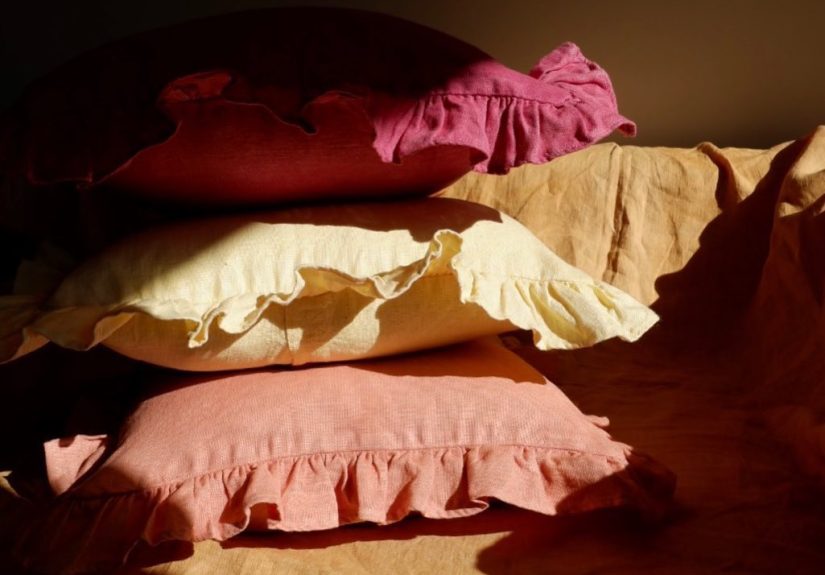
Today’s version of the ruffled edging home decor trend is less fussy and more intentional. Think a crisp linen sham with a flutter edge, a tailored bed skirt with a gentle wave, a lampshade trimmed in a subtle frill, or dining chairs that soften a room otherwise packed with hard angles. It is romantic, yes, but it is also tactile, layered, and surprisingly versatile. In other words, ruffles are no longer just “pretty.” They are strategic.
This shift makes sense when you look at the broader design mood. Homeowners are craving texture, warmth, nostalgia, and pieces that feel personal rather than showroom-perfect. That is why terms like grandmillennial, cottagecore, rufflecore, and whimsical decor keep circling the conversation. Ruffled edges fit neatly into all of them, but they also work well in traditional, eclectic, coastal, and even modern spaces when used with restraint.
So why is ruffled trim in interiors suddenly everywhere? Where does it work best? And how do you bring it home without turning your living room into a Victorian wedding cake? Let’s get into it.
Why Ruffled Edging Is Showing Up Now
The return of ruffles is not random. It is part of a wider move toward softness in interiors. For years, the dominant aesthetic favored sleek silhouettes, flat-front furniture, sharp corners, and highly edited rooms. Those spaces photographed beautifully, but not all of them felt especially cozy. As decorating priorities shifted toward comfort and personality, details like pleats, skirts, scallops, embroidery, and ruffles started to feel appealing again.
Ruffled edging delivers something many homes have been missing: movement. A straight hem looks neat, but a fluttered edge catches light differently, casts tiny shadows, and gives fabric a more relaxed drape. That matters in rooms full of boxy furniture, plain walls, and hard materials. A little ruffle can make a room feel less rigid and more lived in without requiring a full makeover.
There is also a nostalgia factor at play. Vintage-inspired design has been gaining momentum for a while, and ruffles tap directly into that emotional pull. They reference heirloom linens, old-school bed skirts, hand-finished curtains, and homes that looked collected over time. But the new version is cleaner. It borrows the charm without demanding that you also adopt porcelain dolls, thirteen floral prints, and a highly committed doily habit.
Another reason the trend is landing now is the rise of texture-first decorating. Homeowners are thinking beyond color and shape and paying more attention to how materials feel. Washed linen, cotton voile, embroidered trims, fringed edges, and layered bedding all create a richer visual experience. Ruffles fit naturally into that textured, touchable direction.
What Makes Today’s Ruffles Different
If the phrase “ruffled edging” makes you picture an overstuffed country bedroom from 1993, fair enough. Older versions of the look could be excessive. They were often paired with shiny fabrics, loud florals, matching everything, and enough gathered fabric to qualify as a small engineering project.
Today’s ruffles are more restrained. They tend to be:
Smaller in scale
Instead of giant gathered flounces, many modern pieces use a narrow flutter or a softly waved border. The detail feels decorative, not theatrical.
Made from better materials
Linen, cotton percale, washed cotton, and soft blends help ruffles read as relaxed and elevated. Fabric choice changes everything. A ruffle in breathable linen feels charming. A ruffle in stiff polyester can feel like a cry for help.
Paired with cleaner shapes
Designers are mixing romantic details with simple furniture, matte finishes, and neutral palettes. That contrast is what makes the look modern. A ruffled pillow on a sleek bench or a fluttered bed skirt under a pared-back wood frame feels current because the room is not competing for attention.
Used as an accent, not a takeover
One ruffled element can be enough. You do not need ruffled curtains, ruffled shams, ruffled lampshades, and a ruffled chair in the same room unless your goal is “period drama, but make it upholstery.”
Where Ruffled Edging Works Best in Home Decor
1. Bedding
This is the most natural place to start. Ruffled bedding has become one of the easiest entry points for the trend because bedrooms are already meant to feel soft and layered. A duvet cover with a flutter edge, Euro shams with a light frill, or a bed skirt with a tailored ruffle can add instant romance without overwhelming the room.
Ruffles work especially well in bedrooms with striped sheets, floral quilts, natural wood, antique brass, or painted furniture. The key is balance. If your bedding already has a strong pattern, keep the ruffle subtle. If your bedding is all white or neutral, a more visible edge can add welcome definition.
2. Bed skirts and skirted furniture
Bed skirts are back, and honestly, they deserve a little redemption arc. In a modern room, a bed skirt can hide under-bed storage, soften the frame, and make the bed feel finished. The same principle applies to skirted side chairs, benches, and accent seating. Fabric that drops to the floor introduces softness in rooms dominated by exposed legs, angular frames, and hard surfaces.
Not every skirt needs a full ruffle. Sometimes a slight wave, a gathered corner, or a softly pleated edge does the job. The effect is cozy and polished at the same time.
3. Lampshades
A ruffled lampshade is one of the smartest ways to test the trend. It is small, playful, and surprisingly impactful. On a ceramic lamp, brass base, or vintage wooden table lamp, a frilled shade adds personality fast. It also photographs beautifully, which never hurts in the age of design inspiration scrolling.
4. Throw pillows
Ruffled throw pillows are the easiest gateway piece because they can be swapped in and out with zero commitment. They work especially well on sofas with clean lines, reading chairs, window seats, and guest beds. Try one or two instead of an entire pile. You are decorating, not building a fabric mountain.
5. Curtains and cafe curtains
Window treatments are another ideal place for ruffles, especially in kitchens, breakfast nooks, bathrooms, and bedrooms. A small ruffled hem or gathered cafe curtain can make a plain window feel thoughtful and charming. This works beautifully in cottage, farmhouse, and vintage-inspired interiors, but it can also add contrast to a modern room with simple cabinetry and minimal accessories.
6. Table linens
Ruffled placemats, napkins, and tablecloths can bring a soft, celebratory feel to everyday dining. They pair well with striped ceramics, stoneware, brass candlesticks, and mixed vintage glassware. The trick is not to over-style the table. Let the trim do the flirting.
How to Style Ruffled Edging Without Overdoing It
Use grounded colors
One of the easiest ways to keep ruffles from looking sugary is to choose mature colors. Cream, oatmeal, dusty blue, olive, muted rose, chocolate brown, butter yellow, charcoal, and faded red all make ruffles feel more sophisticated. Bright candy shades can work, but they push the trend toward a more playful, youthful look.
Pair ruffles with structure
Contrast is your best friend. A ruffled pillow looks better on a tailored sofa. A fluttered bed skirt looks sharper under a clean-lined headboard. A frilled curtain looks more current next to simple tile or painted millwork. Softness needs something solid nearby, or the whole room starts floating away.
Mix in natural materials
Wood, rattan, iron, stone, and woven textures help anchor the sweetness of ruffles. That is one reason the look works so well in coastal, cottage, and collected interiors. Natural materials keep things from feeling too precious.
Limit the motif per room
If your bedroom has ruffled shams, your bench probably does not also need a frilled skirt and a flutter-trim throw. Repeating the detail too often makes it lose impact. One hero piece and one supporting accent is usually plenty.
Think in layers, not matches
Matching bedding sets can flatten the effect. Layered rooms feel more interesting. Try mixing striped sheets with a ruffled duvet, or a plain quilt with a patterned bolster and one ruffled accent pillow. The room will feel curated rather than cataloged.
Which Design Styles Work Best With Ruffled Edging?
Cottagecore
This is the obvious home base. Florals, vintage woods, painted furniture, soft quilts, and cafe curtains all play nicely with ruffles.
Grandmillennial
Ruffles fit beautifully with pleated lampshades, skirted tables, classic patterns, and collected antiques. The look feels nostalgic in the best way.
Coastal
Blue-and-white stripes, washed linen, light woods, and breezy fabrics make ruffled trim feel airy rather than heavy. A wave-edged bed skirt or sham works especially well here.
Traditional
Traditional rooms already embrace fabric, tailoring, and layered detail. Ruffles add warmth and visual softness without disrupting the overall formality.
Eclectic
In eclectic spaces, a ruffled detail can add whimsy. Pair it with modern art, quirky lighting, and vintage finds for a look that feels personal and unexpected.
Mistakes to Avoid With the Ruffle Decor Trend
Do not ignore scale. A tiny bedside lamp can handle a delicate frill, but a giant, heavily gathered shade may swallow it whole.
Do not combine too many sweet elements. Ruffles, bows, scallops, lace, florals, and pastels can absolutely coexist, but they need editing. Choose two, not all five at once.
Do not forget practicality. In high-traffic rooms, overly fussy trims can snag, crease, or collect dust. Save the more delicate applications for bedrooms, reading corners, or occasional-use areas.
Do not force the trend into every room. Some spaces want crispness. A minimalist kitchen or industrial office may benefit more from one soft accent than a full ruffled treatment.
Will Ruffled Edging Actually Last?
That depends on how you use it. Super-trendy versions may fade, especially if they lean too hard into novelty. But the broader idea behind the trend, which is softness, layering, and decorative textile detail, has deeper staying power. Homes tend to cycle between strict simplicity and richer ornament. Right now, ornament is back, but in a more livable form.
If you invest in quality materials and use ruffles as a texture rather than a gimmick, the look can age well. A washed linen sham with a flutter border is unlikely to feel embarrassing next year. A fully ruffled everything-room in bubblegum pink might be a different story. Design, as always, rewards moderation and self-awareness.
In short, ruffled edging in home decor is not just a passing whim. It is part of a larger move toward comfort, character, and rooms that feel emotionally warm. And frankly, after years of spaces trying very hard to look expensive and untouched, a little softness feels refreshing.
Decorating Experiences: What It’s Like to Actually Live With Ruffled Edging
One of the most interesting things about the ruffled home decor trend is how different it feels in real life versus how it looks online. On a screen, ruffles can seem purely decorative, almost like a styling trick. In an actual home, though, they change the mood of a space in subtle ways that people notice quickly. A bedroom with a simple wood bed, plain walls, and one set of white pillows can feel neat but unfinished. Add a linen sham with a soft ruffled edge and suddenly the room reads as intentional, relaxed, and a little more welcoming. Nothing dramatic happened, but the room stopped feeling like it was waiting for furniture to arrive.
That is a common experience with ruffles: they soften the atmosphere faster than expected. In guest rooms, especially, that softness matters. A guest room can easily turn into a storage zone with a mattress. But layering in one or two pieces with fluttered edges, such as a bed skirt or accent pillow, makes the room feel prepared for an actual person. It gives the impression that someone thought about comfort, not just function.
Another real-world observation is that ruffles work best when the rest of the room is calm. Homeowners often discover this through trial and error. They buy a charming ruffled duvet cover, then place it in a room with busy wallpaper, patterned curtains, and a heavily carved headboard, only to realize the space now feels visually crowded. Move that same duvet into a quieter room with simple nightstands and a neutral rug, and it suddenly looks elevated. The lesson is not that ruffles are difficult. It is that they need breathing room.
Dining spaces offer another useful example. A table set with plain dishes and flat linens can feel serviceable but a little stiff. Swap in ruffled napkins or placemats and the whole setup feels more generous, even if dinner is just pasta on a Tuesday night. That tiny decorative edge sends a message: this meal is not formal, but it is special enough to deserve a little care. In that sense, ruffles are not only visual. They are emotional design. They make ordinary rituals feel slightly more romantic, which is a lovely trick for fabric to pull off.
People also tend to notice how ruffled items interact with light. A flat pillowcase looks smooth and simple. A ruffled one catches shadows and highlights around the border, which makes the bedding feel fuller and more layered. Lampshades with a frilled edge create a similar effect. During the day, the trim adds shape. At night, the light emphasizes the silhouette. It is a small detail, but it makes a corner feel styled rather than accidental.
Of course, living with ruffles is not all poetic breeze and cottage charm. There are practical realities. Some heavily gathered pieces wrinkle more visibly. Certain trims collect dust. A dramatic bed skirt may not be the best choice if you are constantly reaching under the bed for storage bins, a suitcase, or the missing sock that has apparently started a new life under there. But these are not deal-breakers. They simply mean the trend works best when chosen thoughtfully.
Overall, the lived experience of ruffled edging is this: it adds softness without demanding a full personality transplant for your home. You do not need to become a floral maximalist or start referring to your living room as a salon. You just need one or two well-placed pieces that bring movement, charm, and a little texture to the room. And sometimes, that is exactly the kind of low-stakes decorating win people are looking for.
Final Thoughts
Ruffled edging is having a real moment in home decor, but its appeal goes beyond trendiness. It answers a bigger design craving for softness, nostalgia, texture, and rooms that feel human. Used well, ruffles can make a bedroom more inviting, a dining table more charming, a lamp more playful, and a whole room more layered.
The smartest way to embrace the look is to start small, choose quality fabrics, and let contrast do the heavy lifting. Pair a romantic detail with clean lines, grounded colors, and natural materials. Keep it edited. Keep it tactile. And keep at least one corner of the room from looking like it belongs in a costume drama.
Because when ruffled edging is done right, it does not feel old-fashioned or overly precious. It feels warm, personal, and just a little bit joyful. And honestly, after years of design that seemed afraid of having feelings, that is a welcome change.