Table of Contents >> Show >> Hide
- What Are Ultra-Processed Foods?
- Where Does the 10% Higher Risk Claim Come From?
- Why Ultra-Processed Foods May Be Harmful
- Which Ultra-Processed Foods Appear Most Concerning?
- How Much Ultra-Processed Food Do Americans Eat?
- Simple Ways to Reduce Ultra-Processed Foods
- What to Eat More Often Instead
- Real-Life Experiences: What Happens When People Cut Back on Ultra-Processed Foods?
- Conclusion
Ultra-processed foods are the snack aisle’s greatest magic trick: they appear harmless, taste wildly convenient, and somehow disappear from the package before you remember opening it. But behind the crunch, fizz, sweetness, and “just one more bite” charm, researchers are finding a more serious story. A growing body of evidence suggests that diets high in ultra-processed foods may raise the risk of early death, with one large analysis of older U.S. adults linking heavy intake to as much as a 10% higher risk of mortality.
That does not mean one frozen pizza sends your life expectancy into a dramatic movie trailer. Nutrition science is rarely that theatrical. The research points to patterns over time: frequent consumption of foods made mostly from refined starches, added sugars, industrial fats, sodium, flavor enhancers, emulsifiers, colors, and preservatives. These foods can crowd out fruits, vegetables, legumes, nuts, whole grains, and other nutrient-rich options that help the body do its daily maintenance work without filing complaints.
This article breaks down what ultra-processed foods are, why they may be linked with higher death risk, which foods appear most concerning, and how to reduce them without turning your kitchen into a monastery of boiled lentils.
What Are Ultra-Processed Foods?
Ultra-processed foods, often called UPFs, are industrially formulated products made with ingredients you typically would not use in home cooking. Think hydrogenated oils, modified starches, protein isolates, artificial sweeteners, emulsifiers, thickeners, flavorings, and color additives. They are designed to be convenient, shelf-stable, affordable, and intensely enjoyable. In other words, they are engineered to make your brain say, “Yes, again,” even when your stomach is politely waving a white flag.
Common examples include sugary breakfast cereals, packaged cookies, candy, chips, soda, energy drinks, instant noodles, frozen ready meals, processed meats, hot dogs, fast-food items, sweetened yogurts, boxed macaroni and cheese, packaged pastries, and many snack foods. Some items are obvious. Nobody looks at neon-orange cheese dust and thinks, “Ah yes, straight from the farm.” Others are trickier, such as certain packaged breads, protein bars, plant-based meat substitutes, and flavored dairy products.
Processing Is Not Always the Villain
It is important to separate “processed” from “ultra-processed.” Frozen vegetables, canned beans, pasteurized milk, plain yogurt, canned tuna, roasted nuts, and whole-grain pasta are processed, but they can still be nutritious. Processing can make foods safer, more affordable, and easier to store. The concern rises when a product becomes a food-like formulation built mainly from refined ingredients, additives, and flavors rather than recognizable whole foods.
Where Does the 10% Higher Risk Claim Come From?
The headline “ultra-processed foods may increase risk of death by 10%” reflects findings from large observational research, including long-term studies that followed hundreds of thousands of adults for many years. In one major study of older Americans, researchers found that people with the highest intake of ultra-processed foods had a higher risk of death compared with those who ate the least. The reported increase was about 10% after adjusting for many lifestyle and health factors.
Other research has found similar patterns, though the exact numbers vary. A large study published in 2024 found that higher ultra-processed food intake was associated with a slightly higher risk of death from any cause, especially deaths from causes other than cancer. Some analyses have also linked UPFs to higher risks of cardiovascular disease, type 2 diabetes, obesity, depression, sleep problems, and poorer overall diet quality.
However, the word “may” matters. Most of these studies are observational, meaning they can show an association but cannot prove that ultra-processed foods directly caused the deaths. People who eat more UPFs may also have other risk factors, such as lower physical activity, smoking, limited access to fresh foods, higher stress, lower income, or less time to cook. Good studies try to adjust for those factors, but real life is messy. Nutrition research is not performed in a vacuum; it is performed in a world where people eat fries while answering emails in traffic.
Why Ultra-Processed Foods May Be Harmful
Researchers are studying several possible explanations for why ultra-processed foods may be linked to a higher risk of death and chronic disease. The problem is not only calories, although calories matter. The bigger picture includes food structure, nutrient density, additives, eating speed, satiety, inflammation, and how these foods shape long-term dietary habits.
They Can Encourage Overeating
One of the most eye-opening findings came from a controlled feeding study at the National Institutes of Health. Adults were given either an ultra-processed diet or an unprocessed diet for two weeks, then switched to the other diet. The meals were matched for calories, sugar, fat, fiber, and several nutrients. Even so, participants ate about 500 more calories per day on the ultra-processed diet and gained weight, while they lost weight on the unprocessed diet.
Why? Ultra-processed foods are often softer, faster to eat, and less filling per calorie. They may combine fat, refined carbohydrates, salt, and flavorings in ways that override normal appetite signals. Your body may be asking for a balanced meal, while the snack food is whispering, “Ignore that responsible adult inside you.”
They Often Replace Nutrient-Dense Foods
Ultra-processed foods can take up space that would otherwise go to fiber-rich, vitamin-packed foods. A breakfast of sweetened cereal and a sugary coffee drink may be quick, but it usually provides less fiber, protein, and long-lasting fullness than oatmeal with nuts and berries or eggs with whole-grain toast. Over time, that trade-off can influence cholesterol, blood sugar, gut health, body weight, and heart health.
They Are Often High in Sodium, Added Sugar, and Saturated Fat
Many ultra-processed products are loaded with sodium, added sugars, refined flour, and saturated fats. These ingredients are not automatically poisonous, but high intakes are associated with health problems. Too much sodium can raise blood pressure. Too much added sugar can contribute to excess calorie intake and poor metabolic health. Diets high in saturated fat may worsen LDL cholesterol in many people. When these nutrients show up together in tasty, convenient packages, moderation becomes harder.
They May Affect the Gut Microbiome
Your gut is home to trillions of microbes that help digest food, train the immune system, produce beneficial compounds, and communicate with the rest of the body. Diets high in fiber from vegetables, fruits, legumes, and whole grains tend to support microbial diversity. Diets high in ultra-processed foods and low in fiber may do the opposite. Some additives, including certain emulsifiers and artificial sweeteners, are being studied for possible effects on gut bacteria, inflammation, and metabolic health.
They May Promote Chronic Inflammation
Chronic low-grade inflammation is linked with heart disease, diabetes, certain cancers, and other conditions. Ultra-processed diets may contribute indirectly through excess body fat, poor blood sugar control, low fiber intake, and reduced intake of antioxidants and anti-inflammatory nutrients. Again, the issue is the overall pattern. A single packaged snack is not the problem. A daily diet built around packaged snacks, sugary drinks, and ready-to-eat meals is where the red flags start waving.
Which Ultra-Processed Foods Appear Most Concerning?
Not every ultra-processed food carries the same level of concern. Research suggests some categories may be more strongly associated with negative outcomes than others. Processed meats, sugary drinks, meat-based ready-to-eat meals, fried fast foods, packaged desserts, and highly refined snack foods often appear near the top of the concern list.
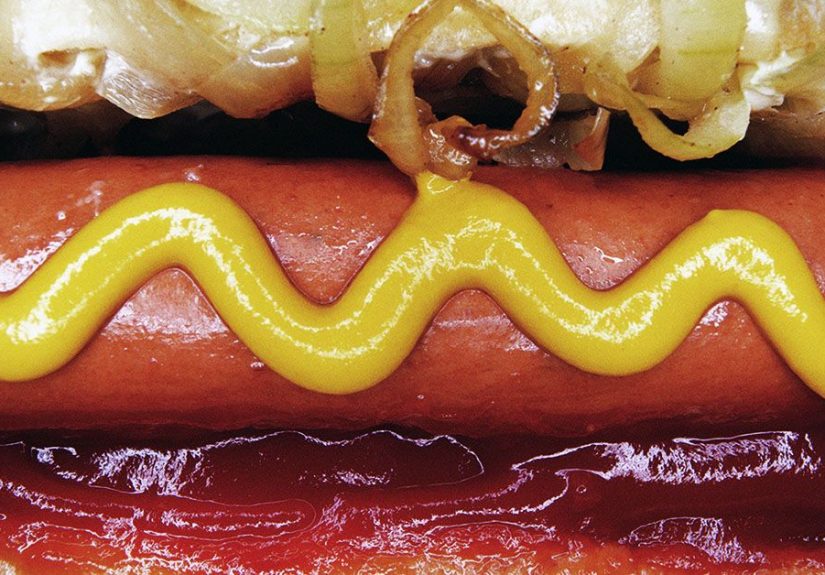
Processed meats such as hot dogs, bacon, sausage, and deli meats are especially worth limiting because they are often high in sodium, saturated fat, and preservatives. Sugary drinks are another major target because they deliver calories quickly without much fullness. A soda can vanish in two minutes, but the metabolic receipt may hang around longer than expected.
On the other hand, some foods technically classified as ultra-processed may still offer nutritional value, such as fortified whole-grain cereals, some whole-grain packaged breads, or unsweetened soy milk. This is why nutrition experts increasingly recommend looking at both the processing level and the nutrition label. If a product contains fiber, protein, whole grains, and little added sugar or sodium, it may be a better choice than a product that is mostly refined starch, sugar, salt, and flavor dust wearing a clever marketing hat.
How Much Ultra-Processed Food Do Americans Eat?
Ultra-processed foods make up a large share of the typical U.S. diet. Estimates vary by age group and method, but studies often find that more than half of daily calories for many Americans come from ultra-processed foods. For children and teens, the number can be especially high because packaged snacks, sweetened drinks, fast food, and convenience meals are everywhere: schools, vending machines, gas stations, sports events, birthday parties, and the mysterious back corner of the pantry where cookies reproduce.
Convenience is a major reason UPFs are so common. They are affordable, portable, heavily marketed, and require little preparation. For busy families, shift workers, students, and people with limited access to fresh groceries, ultra-processed foods are not just tempting; they may be the easiest available option. That is why advice to “just eat real food” can sound tone-deaf unless it includes practical, budget-friendly steps.
Simple Ways to Reduce Ultra-Processed Foods
You do not need to overhaul your entire diet by Monday morning. In fact, dramatic food makeovers often end with a heroic salad on day one and a revenge pizza by day three. A better strategy is to make small swaps that are realistic enough to repeat.
Start With Drinks
Sugary drinks are one of the easiest places to begin. Swap soda, sweet tea, energy drinks, or fancy sugar-loaded coffee drinks for water, sparkling water, unsweetened tea, black coffee, or infused water with lemon, mint, cucumber, or berries. This single change can reduce added sugar without requiring you to learn twelve new recipes or buy a vegetable spiralizer.
Upgrade Breakfast
Breakfast can quietly become a dessert buffet if you are not paying attention. Replace sugary cereal, packaged pastries, or breakfast bars with oatmeal, Greek yogurt with fruit, eggs, whole-grain toast, cottage cheese, smoothies made with whole fruit, or leftovers from dinner. Leftovers for breakfast are underrated. Cold roasted chicken and rice may not have a cartoon mascot, but it gets the job done.
Build a Better Snack Shelf
Keep easy, minimally processed snacks visible and ready: apples, bananas, oranges, baby carrots, hummus, plain popcorn, nuts, hard-boiled eggs, cheese, yogurt, roasted chickpeas, or whole-grain crackers. The goal is not to ban chips forever. The goal is to make the better choice easier than digging through a cabinet like a raccoon with Wi-Fi.
Read Ingredient Lists
A long ingredient list is not automatically bad, but it can be a useful clue. Look for products made mostly from recognizable ingredients. Compare brands. Choose options with more fiber and protein and less added sugar, sodium, and saturated fat. If the first few ingredients are sugar, refined flour, oil, and syrup, the product is probably more treat than staple.
Cook Once, Eat Twice
Home cooking does not have to mean gourmet cooking. Make extra rice, beans, roasted vegetables, chicken, lentils, chili, soup, or pasta sauce and use leftovers for another meal. A freezer stocked with homemade portions can compete with the convenience of frozen ultra-processed meals. It is not as glamorous as a cooking show, but neither is eating cereal over the sink at 10 p.m.
What to Eat More Often Instead
The healthiest eating patterns are built around foods that look like they came from nature, not a product development meeting. Focus on vegetables, fruits, beans, lentils, chickpeas, nuts, seeds, whole grains, eggs, fish, poultry, plain yogurt, milk, tofu, tempeh, olive oil, and herbs. These foods provide fiber, protein, healthy fats, vitamins, minerals, and protective plant compounds.
A simple plate formula can help: fill half your plate with vegetables or fruit, one-quarter with protein, and one-quarter with whole grains or starchy vegetables. Add a healthy fat, such as olive oil, avocado, nuts, or seeds. This approach is flexible, affordable, and much less annoying than counting every molecule of dinner.
Real-Life Experiences: What Happens When People Cut Back on Ultra-Processed Foods?
Many people who reduce ultra-processed foods notice changes before any lab test confirms them. The first change is often appetite. Whole foods usually require more chewing, contain more water and fiber, and take longer to eat. A bowl of beans, vegetables, rice, and chicken tends to stay with you longer than a stack of crackers that somehow turns into crumbs and regret within seven minutes. People often report fewer snack cravings when meals include enough protein, fiber, and healthy fat.
Another common experience is improved energy stability. Ultra-processed meals high in refined carbohydrates and added sugar can cause quick rises and falls in blood sugar for some people. That roller-coaster feeling may show up as afternoon sleepiness, irritability, or the sudden belief that a cookie is an emergency medical device. Replacing those foods with balanced meals can help energy feel more even throughout the day.
Digestion may also improve. When people add more fruits, vegetables, legumes, and whole grains, fiber intake usually rises. Fiber supports regular bowel movements and feeds beneficial gut bacteria. At first, the gut may need time to adjust, especially if someone goes from low fiber to bean enthusiast overnight. The smarter move is gradual: add one serving of fiber-rich food at a time and drink enough water. Your digestive system appreciates diplomacy.
Some people also notice that their taste buds change. Highly flavored ultra-processed foods can make simple foods seem boring at first. But after a few weeks of eating less sugar and salt, fruit may taste sweeter, vegetables may taste more interesting, and plain yogurt may stop seeming like punishment. This does not happen because you become a different person. It happens because your palate adapts to what you repeatedly eat.
Grocery habits can change too. People often start by replacing one category: soda, packaged desserts, processed meats, or fast-food lunches. Then they learn a few reliable meals. A rotisserie chicken with bagged salad and microwave brown rice is not perfect, but it is a practical bridge between takeout and full home cooking. Canned beans, frozen vegetables, tuna packets, eggs, and oats become weeknight allies. The goal is progress, not culinary sainthood.
Social situations can be tricky. Ultra-processed foods are part of parties, travel, office snacks, and family routines. A realistic approach leaves room for flexibility. Enjoy cake at a birthday party. Have popcorn at the movies. The difference is whether these foods are occasional pleasures or the foundation of the daily diet. Health is shaped more by repeated patterns than by one meal.
Finally, many people describe a sense of control returning. Ultra-processed foods are designed to be hard to stop eating, so cutting back can feel surprisingly freeing. Instead of relying on willpower against a pantry full of hyper-palatable snacks, they redesign the environment: keep fruit on the counter, portion treats, cook extra meals, and avoid shopping while hungry. The best nutrition plan is not the strictest one; it is the one you can live with when life gets busy, messy, and aggressively normal.
Conclusion
Ultra-processed foods may increase the risk of death by 10% in some high-intake groups, according to large observational research, and they are linked with a wider range of health concerns, including heart disease, weight gain, diabetes, and poorer diet quality. The evidence does not mean every packaged food is dangerous or that you must cook everything from scratch while wearing an apron of moral superiority. It does mean that the overall pattern of your diet matters.
The most practical strategy is to reduce the biggest offenders first: sugary drinks, processed meats, packaged sweets, salty snacks, and fast-food meals. Then add more whole and minimally processed foods that you actually enjoy. A healthier diet should feel less like punishment and more like giving your body better tools. After all, your heart, gut, brain, and metabolism are doing a lot of unpaid labor. They deserve more than corn syrup and crunch dust.
Note: This article is for educational purposes only and summarizes current nutrition research from major public health and peer-reviewed sources. It does not replace medical advice. People with health conditions, food allergies, eating disorders, or special nutrition needs should consult a qualified healthcare professional.