Table of Contents >> Show >> Hide
- Why vegetable casserole recipes work so well
- What makes a great vegetable casserole?
- Popular types of vegetable casserole recipes to try
- How to build your own vegetable casserole recipe
- Common mistakes that ruin vegetable casseroles
- How to make vegetable casserole recipes healthier without losing comfort
- Make-ahead, freezer, and leftover tips
- What to serve with a vegetable casserole
- Real-life experiences with vegetable casserole recipes
- Conclusion
Vegetable casserole recipes deserve a better reputation. For years, casseroles have been unfairly stereotyped as the dish your aunt brings in a mysterious 9-by-13 pan, covered in foil, with a side of “just trust me.” But a good vegetable casserole is not a culinary compromise. It is cozy, practical, deeply satisfying, and, when done right, one of the smartest ways to get more vegetables onto the table without making dinner feel like homework.
That is the real magic of a vegetable casserole. It can be hearty enough for a meatless main dish, flexible enough for a weeknight side, and forgiving enough to handle whatever is hanging out in your crisper drawer. Broccoli that needs a purpose? Casserole. Half a bag of spinach? Casserole. A rogue zucchini and one lonely bell pepper giving you guilt from the produce drawer? Congratulations, they just found their calling.
In this guide, we are digging into the best kinds of vegetable casserole recipes, what makes them work, how to avoid a watery mess, and how to build your own version without needing a culinary degree or a therapy session. You will also find practical tips for make-ahead meals, freezer-friendly options, and lighter ingredient swaps that keep the comfort while trimming the excess heaviness. In other words, all the good stuff, none of the casserole chaos.
Why vegetable casserole recipes work so well
There is a reason vegetable casseroles keep showing up at family dinners, potlucks, holidays, and busy Tuesday nights. They solve several kitchen problems at once. First, they help you use up vegetables in a way that feels intentional rather than desperate. Second, they combine texture, flavor, and comfort in one dish. Third, they are wonderfully make-ahead friendly, which is great news for anyone who has ever looked at the clock at 5:42 p.m. and whispered, “Oh no.”
They are also incredibly adaptable. Some vegetable casserole recipes lean creamy and cheesy, like broccoli rice bake or cauliflower gratin. Others go in a lighter direction with tomato sauce, olive oil, herbs, beans, and whole grains. Some are clearly side dishes, while others earn full main-course status by adding rice, pasta, lentils, eggs, or beans. That flexibility is why vegetable casseroles never really go out of style. They just keep changing outfits.
What makes a great vegetable casserole?
1. Vegetables that can handle the heat
Not every vegetable behaves the same way in the oven. Broccoli, cauliflower, green beans, mushrooms, sweet potatoes, zucchini, eggplant, spinach, kale, corn, and bell peppers all show up often in great vegetable casserole recipes because they bring flavor and texture. Root vegetables add substance. Cruciferous vegetables add body. Watery vegetables like zucchini and mushrooms add great flavor, but they need a little management so your casserole does not turn into soup wearing a breadcrumb hat.
2. Moisture control
This is the secret handshake of casserole success. A common mistake is adding vegetables straight into the dish without accounting for how much water they will release. Mushrooms, spinach, zucchini, and eggplant are especially prone to turning a promising bake into a swampy situation. The fix is simple: roast, sauté, salt, drain, or pat vegetables dry before layering them into the casserole. A few extra minutes up front can save the whole dish.
3. A creamy element, but not too much
A great casserole should feel rich, not heavy enough to require a nap application. The creamy layer can come from a traditional cheese sauce, a lighter milk-based sauce, Greek yogurt, blended cottage cheese, ricotta, pureed white beans, or a broth-and-dairy mixture. The goal is to bind the ingredients together and create comfort, not bury the vegetables under a dairy avalanche.
4. Something crunchy on top
Texture matters. A soft casserole with a soft topping is basically edible beige. A crisp finish brings contrast and makes every bite more interesting. Breadcrumbs, crushed crackers, panko, toasted nuts, seeds, shredded Parmesan, or even crisped onions can do the job. Think of it as the casserole’s crown. Every queen deserves one.
5. Enough seasoning to wake up the vegetables
Vegetables are lovely, but they still need support. Garlic, onions, mustard, thyme, rosemary, paprika, black pepper, lemon zest, fresh herbs, and sharp cheeses all bring life to a casserole. Acid also matters. A splash of lemon juice, a spoonful of Dijon, or a tomato-based layer can keep the dish from tasting flat.
Popular types of vegetable casserole recipes to try
Broccoli cheddar casserole
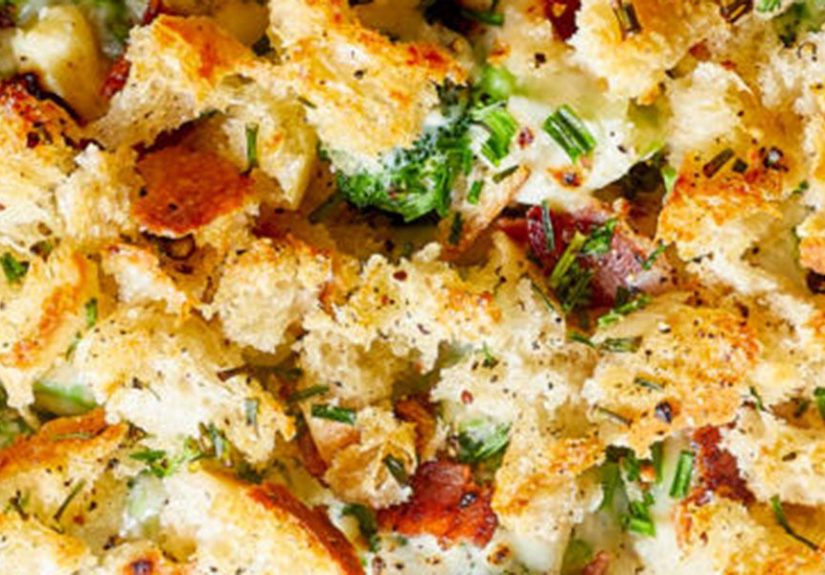
This classic earns its popularity. Broccoli holds up well in the oven, cheddar adds crowd-pleasing flavor, and a creamy base ties it all together. To keep it from feeling too heavy, blanch or steam the broccoli just until crisp-tender, use a balanced sauce instead of a thick blanket of condensed soup, and finish with breadcrumbs for texture. Add brown rice or quinoa if you want to make it more substantial.
Zucchini and yellow squash casserole
This is peak summer comfort. Sliced squash layered with onions, herbs, cheese, and a crisp topping can be incredibly good, but only if you respect the moisture issue. Salt the squash lightly, let it sit, then blot away excess water before baking. The result is creamy and savory instead of watery and sad. A little Parmesan and thyme go a long way here.
Green bean casserole from scratch
The holiday classic has staying power for a reason, but the from-scratch version is often better than the old canned-soup formula. Fresh or frozen green beans, mushrooms, onions, garlic, milk, and whole-grain breadcrumbs create a version that tastes fresher while still delivering that familiar comfort. It is proof that nostalgia and improvement can, in fact, share a casserole dish.
Cauliflower gratin or cauliflower “mac” bake
Cauliflower is the overachiever of the casserole world. It can stand in for pasta, absorb flavor beautifully, and deliver a creamy bite when paired with a cheese sauce. Roast or steam it first, then bake with a mixture of sharp cheese, garlic, and a crunchy topping. It is especially good when you want a lower-carb vegetable casserole recipe that still feels indulgent.
Sweet potato and black bean casserole
This one lands squarely in main-dish territory. Sweet potatoes bring sweetness and body, black beans add protein and fiber, and spices like cumin, chili powder, and smoked paprika give the dish warmth. Top it with cheese, crushed tortilla chips, or pepitas for a Southwestern spin. It is colorful, filling, and much more exciting than another plain baked sweet potato pretending to be dinner.
Mixed vegetable rice casserole
When you need a clean-out-the-fridge dinner, this is a winner. Cooked rice, mixed vegetables, a light creamy sauce, herbs, and cheese make a flexible base. Broccoli, peas, carrots, spinach, mushrooms, and corn all work well. Brown rice adds nuttiness and chew, while white rice makes the dish extra cozy. Either way, it reheats like a champ.
Vegetable lasagna-style bakes
Some of the best vegetable casserole recipes borrow from lasagna. Layers of pasta, spinach, mushrooms, zucchini, tomato sauce, and cheese make a dish that feels substantial enough for company. These recipes are especially good for feeding a crowd because they slice neatly, hold well, and usually taste even better the next day.
How to build your own vegetable casserole recipe
You do not need a strict recipe every time. Once you understand the pattern, you can improvise with confidence. Here is a simple formula:
- Choose your vegetables: Aim for 4 to 6 cups total. Use a mix of sturdy vegetables and quick-cooking ones for balance.
- Add a binder: Use a sauce, eggs, cheese mixture, tomato base, or a broth-and-dairy combo.
- Include something hearty: Rice, pasta, potatoes, lentils, beans, or even cubes of whole-grain bread can turn the dish into a full meal.
- Season well: Salt, pepper, garlic, herbs, spices, and a little acid matter more than people think.
- Top it off: Breadcrumbs, cheese, nuts, or seeds create a better finish.
- Bake until bubbly and browned: That golden top is not just pretty. It is flavor.
A smart ratio is two parts vegetables, one part creamy or saucy element, and one part starch or protein if you are making the casserole a main dish. You want the vegetables to stay the star, not get lost in the supporting cast.
Common mistakes that ruin vegetable casseroles
Using raw watery vegetables without prep
Yes, we are bringing up moisture again, because it matters that much. Raw zucchini, mushrooms, spinach, and eggplant often need pre-cooking, salting, or draining.
Underseasoning
A casserole with vegetables, dairy, and starch can taste bland fast. Taste each component before assembly when possible.
Too much sauce
The vegetables should be coated, not drowned. An overloaded casserole often turns mushy.
Skipping contrast
If everything in the dish is soft, the final texture falls flat. Add crunch, fresh herbs, or a squeeze of lemon before serving.
Overbaking
Vegetables should be tender, not defeated. Bake until the casserole is hot, bubbling, and golden, then stop. The oven is not a personality test.
How to make vegetable casserole recipes healthier without losing comfort
You do not need to turn your casserole into a punishment meal. Small swaps make a big difference. Use olive oil instead of a lot of butter. Try milk, broth, or evaporated milk instead of heavy cream in some recipes. Lean on stronger cheeses so you can use a little less and still get plenty of flavor. Add beans, lentils, or whole grains to increase fiber and staying power. Use whole-grain breadcrumbs or a nut-and-seed topping for more texture and a little extra nutrition.
Another simple trick is to keep the plate balanced. If the casserole is rich and cheesy, serve it with a crisp salad or fresh fruit. If the casserole is more vegetable-and-bean focused, it can stand alone as the meal. Not every dish needs to carry the entire emotional burden of dinner.
Make-ahead, freezer, and leftover tips
Vegetable casserole recipes are tailor-made for planning ahead. You can assemble many casseroles a day in advance, cover them tightly, and bake when needed. This is especially handy for holidays, busy school nights, and dinner parties where you would rather talk to humans than frantically chop onions at the last minute.
Freezer performance depends on the ingredients. Broccoli, cauliflower, green beans, corn, spinach, beans, and cooked rice usually freeze well. Zucchini and very high-moisture casseroles can soften more after thawing, so they are better eaten fresh. Let casseroles cool before refrigerating leftovers, and reheat uncovered for at least part of the time if you want to revive the crispy topping.
Leftovers are wildly useful. They work for lunch, easy dinners, and even breakfast in some cases. A slice of vegetable casserole with an egg on top is one of those “accidentally excellent” next-day meals that feels much fancier than the effort involved.
What to serve with a vegetable casserole
If your casserole is a side dish, pair it with roasted chicken, grilled fish, baked tofu, or a holiday roast. If it is a main dish, keep the sides simple: a green salad, soup, crusty bread, or fresh fruit. The whole point of a casserole is that most of the work is already done, so let the rest of the meal relax a little.
Real-life experiences with vegetable casserole recipes
One reason people keep returning to vegetable casserole recipes is that they fit real life better than many trendy meals do. They are not fragile. They do not require six pans, a ring light, or a finishing salt harvested by moonlight. They are built for family kitchens, unpredictable schedules, and those evenings when you need dinner to be dependable. That practical side creates a very specific kind of kitchen experience: calmer, warmer, and a lot less dramatic.
Anyone who has ever carried a bubbling casserole dish from the oven to the table knows the feeling. The smell hits first: garlic, onion, herbs, toasted crumbs, melting cheese, maybe a little nutty roasted vegetable sweetness. Then comes that soft crackle from the browned top when you set the dish down. It is the culinary equivalent of someone handing you a blanket. Not glamorous, maybe, but deeply reassuring.
Vegetable casseroles also have a sneaky way of changing minds. Plenty of people claim they do not love vegetables, when what they really mean is that they do not love plain steamed vegetables with no seasoning and a sad expression. Put broccoli in a creamy cheddar bake with a crisp topping, or layer zucchini with herbs and Parmesan until the edges turn golden, and suddenly the same people are asking for seconds. It is one of the most satisfying tricks in home cooking. You are not hiding the vegetables. You are giving them a better publicist.
There is also something deeply useful about the way casseroles invite improvisation. Maybe one week you use cauliflower and mushrooms because that is what is in season. The next week it is sweet potatoes, kale, and black beans because the weather turned cold and everybody wants something hearty. Maybe you start with a plan and then remember there is half a bell pepper and a cup of cooked rice in the fridge that need a future. A casserole can absorb all of that. It rewards resourcefulness instead of punishing it.
For families, vegetable casserole recipes often become memory food. Not necessarily because they are fancy, but because they show up consistently. The broccoli casserole at Thanksgiving. The cheesy squash bake in August. The spinach and pasta casserole a parent made on busy weeknights when everyone had somewhere to be. These dishes become part of the rhythm of a home. Years later, people rarely say, “Remember that extremely photogenic salad?” They say, “Remember that casserole with the crunchy top?”
There is even a quiet kind of confidence that comes from learning how to make one well. Once you understand how to balance moisture, creaminess, seasoning, and texture, you stop needing a recipe every single time. You start cooking with more ease. You trust yourself more. That may sound a little grand for a baked dish full of vegetables, but kitchen confidence often grows in ordinary moments, not dramatic ones. Sometimes it starts with realizing you can turn random produce into a dinner people actually look forward to eating.
And then there is the next-day experience, which may be the casserole’s greatest superpower. Many vegetable casseroles taste even better after the flavors settle overnight. Lunch becomes easy. Dinner the next night becomes faster. You open the refrigerator and feel, for one brief shining moment, like a person who absolutely has it together. Even if the rest of life says otherwise, the casserole says, “I’ve got this one.”
Conclusion
The best vegetable casserole recipes are comforting without being boring, practical without feeling plain, and flexible enough to work with the vegetables, schedules, and appetites you actually have. Whether you love a cheesy broccoli bake, a fresh zucchini casserole, a hearty sweet potato and black bean version, or a lighter green bean casserole from scratch, the winning formula is the same: control moisture, build flavor, add contrast, and let the vegetables remain the main event.
In other words, a great vegetable casserole is not just a way to use up produce. It is a smart, satisfying style of cooking that can feed a crowd, rescue a weeknight, and make vegetables feel like the best part of dinner instead of the obligation on the plate. That is a pretty solid upgrade for a dish once underestimated by half the table.