Table of Contents >> Show >> Hide
- What Makes a Moroccan Rug “Vintage” (and Why It Matters)
- From Atlas Mountains to American Living Rooms
- The Big Styles of Vintage Moroccan Rugs
- How to Shop Vintage Moroccan Rugs Without Regret
- Styling Vintage Moroccan Rugs
- Care and Cleaning for Vintage Moroccan Rugs
- Authenticity and Ethics: Buying With Confidence
- Real-World Experiences Living With Vintage Moroccan Rugs (The Extra You Actually Want)
- Conclusion
Vintage Moroccan rugs are the home-decor equivalent of finding a thrift-store leather jacket that fits perfectly:
instantly cooler, suspiciously cozy, and somehow able to make everything else in the room look like it tried harder.
These rugs aren’t just “pretty floor blankets.” They’re handwoven artifacts with regional identities, wooly personalities,
and the occasional charming flaw that proves a human (not a factory) made them.
In this guide, we’ll break down what “vintage” really means, the major Moroccan rug styles you’ll run into,
how to spot quality (and avoid heartbreak), and how to care for a rug that’s already lived a full, dramatic life
without turning your living room into a DIY detergent crime scene.
What Makes a Moroccan Rug “Vintage” (and Why It Matters)
“Vintage” is one of those words that gets tossed around like confettisometimes accurately, sometimes just because it
sounds expensive. In rug-world, vintage generally means the rug has age (often a few decades), shows gentle wear,
and has developed that hard-to-fake patina: softened pile, mellowed dyes, and a relaxed hand-feel that new rugs can’t
convincingly imitate.
The difference matters because true vintage Moroccan rugs tend to be one-of-a-kind, made with traditional methods,
and shaped by real life: foot traffic, sunlight, seasonal storage, and the occasional “oops” moment.
That lived-in character can be a featureif you know what you’re buying.
From Atlas Mountains to American Living Rooms
Many iconic Moroccan rugs trace back to Berber (Amazigh) weaving traditions, especially in and around the Atlas Mountains.
Historically, these textiles were practical: warmth, bedding, and insulation firstdecoration second. Over time,
their graphic patterns and tactile textures became design darlings internationally, particularly in minimalist,
midcentury, and bohemian interiors.
If you’ve ever walked into a room and thought, “This space needs a little softness and a little story,”
a vintage Moroccan rug is exactly thatlike adding a warm, wearable accent that also happens to be art.
The Big Styles of Vintage Moroccan Rugs
Morocco isn’t a single rug styleit’s a whole universe. Here are the major categories you’ll encounter while shopping
vintage Moroccan rugs (and what they’re best at).
Beni Ourain: The Cozy Minimalist Icon
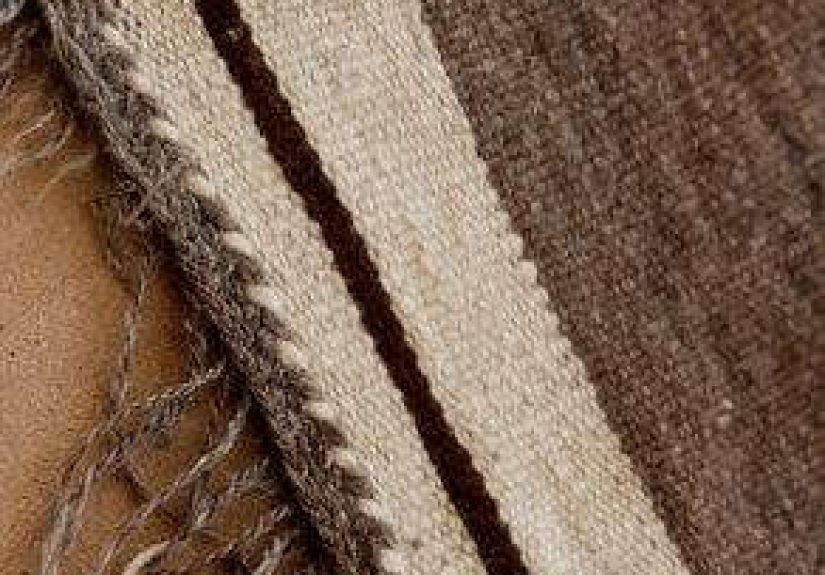
The Beni Ourain look is famous for plush wool pile, a creamy field, and bold black (or charcoal) geometric linesoften
diamonds, ladders, and abstract grids. These rugs can read modern, Scandinavian, or midcentury without trying.
They’re also one of the easiest vintage Moroccan styles to live with because the palette is forgiving and the texture
makes rooms feel instantly warmer.
Best for: living rooms, bedrooms, nurseries, and any space that needs softness without visual chaos.
Azilal: The Joyful Maximalist
Azilal rugs tend to be more “painterly”often lighter foundations with energetic bursts of color, asymmetrical motifs,
and playful geometry. If Beni Ourain is the quiet friend who owns one great coat, Azilal is the one who shows up wearing
three great jackets at onceand somehow pulls it off.
Best for: creative spaces, eclectic rooms, and anywhere you want a statement without buying loud furniture.
Boujaad: Sunset Palettes and Bold Attitude
Boujaad rugs often lean into warm reds, pinks, oranges, and purples. Many vintage Boujaads feel like the color of
late-afternoon lightrich, slightly moody, and unbelievably flattering to a room. Their patterns can be tribal,
abstract, or symbolic, and the “imperfect” symmetry is part of the charm.
Best for: rooms that need warmth, color, and a focal point that isn’t a giant TV.
Beni M’Guild and Mrirt: Plush, Dense, and Winter-Ready
If your dream rug is “thick enough to nap on,” you’ll often end up here. These styles are known for luxurious wool,
substantial feel underfoot, and designs that can range from subtle tonal patterning to bolder compositions.
In vintage pieces, the density can be impressiveespecially when the rug was woven for real climate and real comfort.
Best for: cold floors, large seating areas, and anyone who wants their rug to double as emotional support.
Boucherouite: Recycled-Textile Art You Can Walk On
Boucherouite (pronounced roughly “boo-shay-reet”) rugs are often made from recycled textile scrapscotton, wool,
synthetics, and whatever else was availablewoven into wild, colorful, high-energy compositions. They can be shaggy,
textured, and gloriously unbothered by minimalism. Vintage boucherouites became more visible commercially in the late
20th century and are prized now for their sustainability story and fearless design.
Best for: hallways, studios, kids’ rooms, creative homes, and anyone who thinks neutrals are a personal attack.
Flatweaves and Kilims: Lighter, Layerable, and Practical
Not all Moroccan rugs are plush pile. Flatweave Moroccan rugs can be easier to place in high-traffic zones,
under dining tables, or layered beneath a fluffier piece. They’re typically lighter, more reversible,
and a little less likely to swallow small objects (looking at you, lost earring).
How to Shop Vintage Moroccan Rugs Without Regret
1) Start With Your “Non-Negotiables”
Before you fall in love with a rug online at 1:13 a.m., decide what matters most:
size, pile height, color palette, softness, and where it will live (high traffic, pets, kids, sunshine).
A gorgeous white vintage rug in a mudroom is not “aspirational.” It’s an anxiety hobby.
2) Learn the Right Search Terms
Many shoppers find better results by searching specific style names (like “Beni Ourain” or “boucherouite”)
instead of only “vintage Moroccan rug.” Sellers frequently categorize rugs by style/region, and the right term
narrows the chaos fast.
3) Check Materials and Construction
Most traditional Moroccan rugs are wool-forward. That’s good news: wool is naturally resilient, insulating,
and tends to age gracefully. Still, look for clarity around materials (wool, cotton foundation, mixed textiles)
and construction (hand-knotted, handwoven, flatweave). If a listing is vague, assume you’re about to pay
premium money for mystery fiber.
4) Evaluate Condition Like a Calm Adult
Vintage rugs can have repairs, low pile areas, fringe wear, and minor discoloration. Some of that is expected
and even desirable. What you want to avoid:
- Weak spots that look thin enough to tear with regular use
- Water damage (hard edges of staining, rippling, or stiffness)
- Major dye bleed that suggests the colors may run when cleaned
- Persistent odor (smoke, mildew) unless professionally treated
5) Ask for Helpful Photos
Good sellers can provide:
- Close-ups of pile and knots
- Back-of-rug shots (great for seeing structure and wear)
- Photos in natural light (color truth serum)
- Any repairs or areas of low pile
6) Expect Price Ranges to Vary a Lot
Vintage Moroccan rug pricing depends on size, age, condition, rarity, and demand.
A small vintage accent piece can be relatively accessible; a large, high-quality vintage Beni Ourain in great shape
can be a serious investment. Marketplace sites can also reflect retail markupsso compare similar sizes and styles
across multiple sellers before you commit.
Styling Vintage Moroccan Rugs
Make Modern Rooms Feel Human
One reason designers love Moroccan rugs is that the texture and pattern can soften clean-lined furniture.
A minimalist room with a vintage Moroccan rug becomes less “showroom” and more “someone lives here and enjoys it.”
Use Color Like a Cheat Code
If your room is mostly neutral, a Boujaad or Azilal can become the color plan. Pull two or three hues from the rug
for pillows, art, or throws, and suddenly you look like you have “an eye.” (You do. It’s called “matching.”)
Layering: Not Just for Winter
A flatweave base with a smaller vintage pile rug on top can create depth and solve practical issueslike needing
extra softness in a reading nook without committing to a giant shag under the dining table.
Rug Sizing Tips That Prevent Awkward Furniture Float
- Living room: Ideally, front legs of sofas/chairs sit on the rug (or all legs, if space allows).
- Bedroom: A larger rug under the bed, or runners on both sides for a tailored look.
- Dining room: Go bigger than the table so chairs stay on the rug when pulled out.
- Hallways: Leave a border of floor showing on both sides for a finished look.
Care and Cleaning for Vintage Moroccan Rugs
The goal is simple: remove grit, manage spills, and avoid “over-cleaning” a rug into early retirement.
Here’s a practical care plan that works for most vintage Moroccan rugsespecially wool pile.
Routine Care: Vacuuming Without Violence
Grit is the real enemy. Tiny particles act like sandpaper inside the fibers. Regular vacuuming helps,
but the method mattersespecially with plush, shaggy Moroccan piles.
-
For plush or shaggy piles: Use suction-only if possible, or disengage/avoid rotating brushes.
If your vacuum can’t do that, use a handheld attachment and take your time. -
For flatter weaves or sturdier piles: Gentle vacuuming can be finejust avoid aggressive settings,
and watch for fringe getting eaten like spaghetti. - Pro move: Vacuum slowly. Fast passes leave dirt behind (and give you false confidence).
Rotation: The Simplest Way to Keep It Looking Even
Rotate your rug periodically so traffic and sunlight don’t create a “favorite corner” that looks older than the rest.
In sunny rooms, rotate more often. Your rug doesn’t need a skincare routine, but it does appreciate consistency.
Spot Cleaning: Act Fast, Blot First
The moment a spill happens, blotdon’t rub. Rubbing pushes the stain deeper and can rough up wool fibers.
Use a clean cloth, work from the outside in, and use minimal moisture.
For odors or mild spots, some households use baking soda as a dry refresh (then vacuum it up thoroughly).
For certain stains, diluted vinegar solutions are commonly used carefully on woolalways test in an inconspicuous spot first.
If your rug is truly valuable or dyes look unstable, call a professional.
Deep Cleaning: When to DIY and When to Call a Pro
Many area rugs can be cleaned at home with the right approach, but vintage wool and knotted rugs often do best with
professional cleaningespecially if stains are set, odors are strong, or the piece is an investment.
If you DIY, keep water use low, avoid harsh chemicals, and dry thoroughly with good airflow.
A Fun (Optional) Refresh: Snow-Washing
If you live somewhere with clean, dry snow, you may have seen people “snow-wash” wool rugsbasically using snow to
lift surface dirt and freshen the piece. It can work as a light refresh, but it won’t replace a real deep clean
for stains or heavy soil. Think of it as a spa day, not surgery.
Authenticity and Ethics: Buying With Confidence
Vintage vs. “Vintage Style”
A lot of rugs are “Moroccan-inspired” or “Beni Ourain style.” Those can be greatjust don’t pay vintage prices for
a new rug wearing a vintage costume. Look for transparency around age, origin, materials, and condition.
Fairness and Craft
Moroccan rug weaving is skilled labor. When possible, buy from sellers who can explain sourcing and support artisan work.
A vintage rug has already lived a life, but your purchase still affects which supply chains thrive.
Real-World Experiences Living With Vintage Moroccan Rugs (The Extra You Actually Want)
People don’t just buy vintage Moroccan rugsthey cohabitate with them. And the experience is different from
owning a brand-new, factory-made rug that arrives smelling like packaging and ambition.
First: texture changes everything. Homeowners often describe the “warmth” as immediateespecially with plush Beni Ourain
or dense Mrirt-style pieces. The rug doesn’t merely sit there looking pretty; it absorbs echo, softens footsteps,
and makes the whole room feel less like a box and more like a place you’d willingly spend a rainy Sunday.
If you’ve ever tried to “cozy up” a room with candles alone, you’ll understand why people become evangelical about wool pile.
Second: vintage rugs train you to be less precious (in a healthy way). Because the rug already has a history,
many owners find it’s easier to relax. You’re not staring at a spotless surface thinking, “No one breathe.”
Instead, you accept that a tiny irregularity is part of the charm. That said, vintage rugs also make you
quietly smarter: you start keeping a clean cloth nearby, learning the difference between blotting and scrubbing,
and developing a sixth sense for which snacks are “couch-safe.”
Third: color is a mood setter. People who choose Boujaad and Azilal styles often report that the rug becomes the
“emotional center” of the space. It’s the thing guests comment on first, and it’s surprisingly flexible:
move a few pillows, switch a throw blanket, and the rug suddenly feels like it belongs to a new season.
For boucherouite owners, there’s an extra layer of delightmany describe it as living with functional artwork.
The rug’s wildness makes everything else look intentional, even if you’re currently using a stack of books as a side table.
Fourth: maintenance becomes a rhythm. Most long-term owners settle into simple habitsregular vacuuming with gentle settings,
rotating the rug to prevent uneven wear, and treating spills like a small emergency (not a full personality crisis).
The biggest “aha” moment tends to be realizing that grit is more damaging than most stains. Once you accept that,
you vacuum more consistently and stop waiting for the rug to “look dirty” before caring for it.
Finally: vintage Moroccan rugs feel personal. Even when bought online, many people experience a weirdly intimate connection
to the piecebecause it’s obviously handmade, because the pattern isn’t perfectly symmetrical, and because it’s one-of-one.
It’s décor that refuses to be anonymous. If your home is the place where your life happens (messy, funny, beautiful),
a vintage Moroccan rug tends to fit right inlike it’s been practicing for this role for decades.
Conclusion
Vintage Moroccan rugs bring something rare to modern homes: warmth, texture, and storywithout demanding perfection.
Choose a style that matches your life (not just your Pinterest board), learn the basics of condition and care,
and you’ll end up with a piece that makes your space feel more lived-in, more designed, and more you.