Table of Contents >> Show >> Hide
- Mesquite Beans, Explained Simply
- Where Mesquite Beans Come From
- What Mesquite Beans Taste Like
- Why People Eat Mesquite Beans
- How Mesquite Beans Are Harvested
- How Mesquite Beans Become Mesquite Flour
- Mesquite Beans vs. Mesquite BBQ Flavor
- Are All Mesquite Beans Edible?
- Why Mesquite Matters Beyond the Plate
- Common Questions About Mesquite Beans
- What It Is Like to Harvest, Mill, and Cook With Mesquite Beans
- Conclusion
Note: This article is formatted for web publishing and intentionally does not include inline source links.
If you have ever heard someone talk about “mesquite beans,” your brain may have done a tiny double take. Mesquite? Like the smoky wood chips for barbecue? Like that prickly desert tree that looks like it could win a fight with your tires? Yes, that mesquite. And yes, it really does produce bean-like pods that people have eaten for generations.
Mesquite beans are the seeds found inside the long, edible pods of mesquite trees. In everyday conversation, though, people often use the term mesquite beans to mean the whole pod, not just the seed inside it. That distinction matters, because when people make mesquite flour, they usually mill the dried pod, not just the separate seed. The result is a naturally sweet, earthy ingredient with a flavor that can remind people of caramel, toasted nuts, warm spice, or even a hint of cocoa. In other words, this is not your average bean situation.
Mesquite has deep roots in the food history of the American Southwest. Long before “desert superfood” became the kind of phrase that shows up on chic café menus, Indigenous communities in arid regions were gathering mesquite pods, drying them, grinding them, and turning them into sustaining food. Today, mesquite beans and mesquite pod flour are gaining fresh attention from cooks, foragers, bakers, and gardeners who appreciate foods that are flavorful, resilient, and tied to place.
Mesquite Beans, Explained Simply
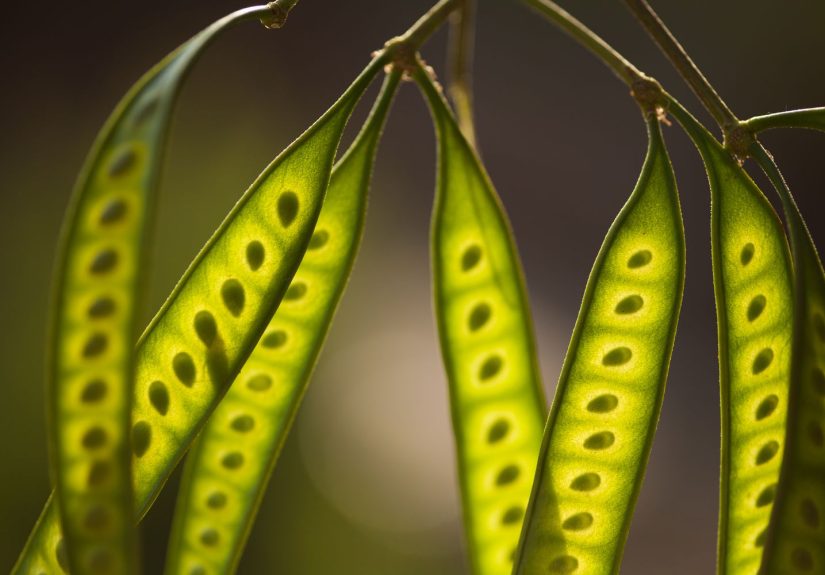
Mesquite trees belong to the legume family, which means their fruit grows in pods. These pods are long, narrow, and bean-like, so it is easy to see how the nickname mesquite beans stuck. Inside each pod are seeds, but the pod itself also contains sweet pulp. That sweet pulp is the real star of the show.
So when someone asks, “What are mesquite beans?” the practical answer is this: they are the edible pods and seeds of the mesquite tree, most often harvested when dry and ripe, then eaten whole, steeped in water, or ground into meal or flour.
Are mesquite beans actually beans?
Botanically, mesquite fruit is a legume pod, so calling them “beans” is close enough for everyday use. Still, if we are being fussy in the best possible way, the edible part most people value is the pod as a whole. The seeds alone are quite hard. The pod pulp is where you get much of the sweetness, aroma, and culinary charm.
Where Mesquite Beans Come From
Mesquite trees grow throughout dry and semi-dry landscapes, especially in the American Southwest. Common species in the Sonoran Desert include honey mesquite, velvet mesquite, and screwbean mesquite. Different species can produce pods that vary in size, shape, sweetness, and texture, but they all fit under the broad “mesquite” umbrella.
These trees are built for hard living. They tolerate heat, drought, alkaline soil, and rough conditions that make fussier plants throw in the towel. Their deep root systems help them survive in challenging environments, and their canopies create beneficial shade for surrounding plants. That is one reason mesquite matters beyond food: it is part pantry, part shelter, part desert engineer.
Historically, mesquite pods were an important staple food in desert regions because they were nutritious, naturally sweet, and easy to store after drying. In places where farming was difficult and rainfall was stingy, that was not just convenient. That was survival with a flavor upgrade.
What Mesquite Beans Taste Like
The flavor of mesquite beans surprises people. Many expect something grassy, bitter, or aggressively “healthy,” like a snack that comes with a lecture. Instead, good mesquite pods taste pleasantly sweet. Depending on the species and growing conditions, the flavor can lean toward caramel, honey, cinnamon, cocoa, malt, or toasted nuts.
That sweetness comes from the pod pulp, not from added sugar. Ripe pods are often best when they are dry, brittle, and sweet enough that a quick taste test makes you think, “Wait, that is actually delicious.” If the pod tastes bland, chalky, or bitter, it is probably not the best one for cooking.
Why flavor varies
Not every mesquite pod tastes exactly the same. Species, soil, weather, harvest timing, and storage all affect flavor. Some pods are noticeably sweeter than others. That is why experienced harvesters often taste a pod before gathering a larger batch. Yes, mesquite foraging comes with quality control. Fancy, but in the desert.
Why People Eat Mesquite Beans
Mesquite beans are valued for both flavor and nutrition. The dried pods contain natural sugars, fiber, and minerals, while the seeds contribute protein. When ground together into flour, the result is a food ingredient that is often described as nutrient-dense compared with standard refined flour. Mesquite flour is also naturally gluten-free, which makes it appealing to many home cooks, though it behaves differently from wheat flour in baking.
Another reason people like mesquite is that it offers a slower, steadier kind of sweetness than highly refined sugar. It is flavorful enough that you do not need much to notice it. A small amount can add depth to pancakes, muffins, smoothies, cookies, or flatbreads without making everything taste like dessert dressed as breakfast.
Is mesquite flour a health food?
It can be part of a nutritious diet, but it is not magic dust sprinkled by a wellness wizard. Mesquite flour contains fiber and has a distinct nutritional profile, yet it is still food, not a miracle. The smart way to think about it is this: mesquite beans are a traditional, flavorful ingredient with genuine nutritional strengths, not a cure-all wearing artisan packaging.
How Mesquite Beans Are Harvested
Harvesting mesquite beans is not difficult, but it does require attention. The best pods are usually picked when they are ripe, dry, and still on the tree. Good pods are often tan to reddish-brown, brittle enough to snap, and dry enough that the seeds rattle inside when shaken.
That rattling sound is a tiny desert maraca telling you the pod is ready.
What to look for
- Pods that are dry, firm, and fully ripe
- A sweet taste when lightly tested
- No green sections, which suggest under-ripeness
- No large holes, mold, or black spots
- Pods picked from the tree rather than collected from the ground
Why avoid ground pods? Because pods that have been sitting on the ground may be contaminated by moisture, bacteria, or fungus. In areas with summer rains, harvest timing matters even more. Many guides recommend gathering ripe pods before the monsoon season when possible, then drying and storing them carefully.
How Mesquite Beans Become Mesquite Flour
Once harvested, mesquite pods are sorted, dried, and milled. The flour is usually made from the whole dried pod, including the seed and the sweet surrounding material. Traditional grinding methods used stone tools. Modern methods may involve specialized mills or powerful grinders, though tough pods can be hard on ordinary kitchen equipment.
The final product is often called mesquite flour or mesquite meal. It is not a plain white flour substitute. It is more like a naturally sweet specialty flour that brings flavor, aroma, and body to recipes.
How to use mesquite flour
Most cooks blend mesquite flour with other flours rather than using it for everything on its own. It works beautifully in:
- Pancakes and waffles
- Muffins and quick breads
- Cookies and bars
- Tortillas and flatbreads
- Smoothies and shakes
- Porridge, atole-style drinks, and warm cereals
- Rub blends and savory sauces that welcome a touch of sweetness
Because mesquite flour is naturally sweet and aromatic, a little can go a long way. Think of it as a flavor ingredient as much as a flour ingredient.
Mesquite Beans vs. Mesquite BBQ Flavor
This is where confusion often crashes the party. Plenty of people know mesquite only as a smoky flavor used for grilling meat. That flavor comes from burning mesquite wood. Mesquite beans are something completely different. They come from the tree’s edible pods and are used as food in their own right.
Interestingly, the flavor of mesquite flour is not “barbecue flavor.” It is sweeter, rounder, and more subtle. If you are expecting liquid smoke in bean form, prepare to be pleasantly wrong.
Are All Mesquite Beans Edible?
Many mesquite pods are edible, especially from species commonly recognized as food sources in the Southwest. Even so, “edible” does not automatically mean “worth turning into lunch.” Quality varies. Some pods are sweeter and cleaner tasting than others, and proper identification matters if you are foraging.
If you are new to harvesting wild foods, it is wise to learn from a reliable local guide, extension resource, or experienced forager in your area. You also want pods from clean places, away from traffic pollution, pesticide drift, and questionable urban runoff. Desert ingredients are charming, but not so charming that they should come with brake dust.
Why Mesquite Matters Beyond the Plate
Mesquite is not just useful because it feeds people. It also supports pollinators, offers shade, improves habitat, and helps shape desert ecosystems. Its flowers provide nectar, its structure shelters wildlife, and its role as a “nurse plant” can help young plants establish in harsh environments.
That makes mesquite beans part of a bigger story about resilient food systems. In a world that talks constantly about sustainability, climate-smart crops, and regionally adapted ingredients, mesquite is standing in the desert like, “I have been doing this the whole time.”
Common Questions About Mesquite Beans
Can you eat mesquite beans raw?
People commonly chew or taste the ripe, dry pods, especially to test sweetness. The whole dry pod is edible, though many culinary uses involve drying, grinding, or simmering rather than casual pod-snacking like popcorn at the movies.
Do mesquite beans taste like regular beans?
No. They are much sweeter and more aromatic than common beans such as pinto, black, or kidney beans. Mesquite pods are more likely to end up in baked goods, drinks, or flour blends than in a bowl of chili.
Can mesquite flour replace all-purpose flour?
Usually not on a one-to-one basis for every recipe. It works best as part of a blend. Its sweetness, fiber, lack of gluten, and bold flavor make it wonderful, but also a little opinionated.
What It Is Like to Harvest, Mill, and Cook With Mesquite Beans
Reading about mesquite beans is one thing. Actually experiencing them is something else entirely. The first surprise for many people is visual. You expect a rough desert pod that looks more useful for surviving a drought than starring in your breakfast. Then you pick one up, snap it open, and notice a faint sweetness in the air. Suddenly the tree stops being just “that thorny thing near the wash” and starts looking suspiciously like a pantry.
Harvesting mesquite beans can feel oddly satisfying because the signals are so physical. A ripe pod is dry in the hand. It gives a crisp snap instead of bending sadly like a damp shoelace. Shake it, and the seeds rattle inside. That sound is tiny, but it is exciting. It is the kind of sound that makes you feel like you have figured out a small desert secret.
Then comes tasting. People often nibble or lightly chew the pod to check the sweetness. Good pods can be surprisingly pleasant, with a mellow sugary flavor and a dusty, warm aroma that feels right at home in the Southwest. Bad pods, by contrast, are a quick lesson in standards. They may be bland or off-flavored, which is why seasoned gatherers get picky fast. Mesquite teaches you to curate.
The milling stage is where romance meets reality. In theory, you are transforming a traditional desert food into flour. In practice, you are dealing with dry, tough pods that demand patience and decent equipment. The smell, though, is worth it. Freshly ground mesquite flour often smells richer than people expect, almost like toasted cereal, spice, and light caramel had a meeting and decided to become useful.
Cooking with mesquite beans or mesquite flour is another memorable shift. The flavor does not shout. It lingers. In pancakes, it adds warmth. In muffins, it gives depth. In a drink or porridge, it can taste comforting and old-fashioned in the best way, like something discovered rather than manufactured. Many people expect mesquite to be dramatic because the tree itself is dramatic. Instead, the food is subtle, rounded, and quietly confident.
There is also a place-based feeling that comes with using mesquite. If you gather pods locally, dry them, grind them, and turn them into food, the ingredient no longer feels generic. It feels tied to weather, landscape, season, and effort. That experience is part of the appeal. Mesquite beans are not just an ingredient you dump from a bag and forget. They invite attention.
And maybe that is why mesquite sticks with people. It gives you flavor, history, texture, and a little adventure all at once. You do not just learn what mesquite beans are. You hear them rattle, smell them milling, taste their sweetness, and start to understand why desert communities valued them so highly. That is a pretty impressive résumé for something hanging from a thorny tree in the heat.
Conclusion
So, what are mesquite beans? They are the edible pods and seeds of mesquite trees, especially valued in the American Southwest for their sweetness, versatility, and deep cultural roots. People dry them, grind them into mesquite flour, blend them into breads and drinks, and appreciate them as one of the desert’s most practical and flavorful foods.
If you are curious about regional ingredients, sustainable food traditions, or unusual flours that actually taste good, mesquite beans are worth knowing. They are old-school desert wisdom with modern culinary appeal. Not bad for a food many people mistake for barbecue smoke.