Table of Contents >> Show >> Hide
- What Is a Manzano Banana?
- Why Is It Called an Apple Banana?
- What Does a Manzano Banana Taste Like?
- How Is a Manzano Banana Different From a Regular Banana?
- How Do You Know When a Manzano Banana Is Ripe?
- How to Eat a Manzano Banana
- Can You Cook With Manzano Bananas?
- How to Store Manzano Bananas
- Are Manzano Bananas Healthy?
- Where Can You Buy Manzano Bananas?
- Common Mistakes People Make With Manzano Bananas
- The Experience of Discovering Manzano Bananas
- Final Thoughts
If the regular supermarket banana is the reliable coworker who always shows up on time, the Manzano banana is its charming little cousin who arrives wearing perfume and somehow steals the whole meeting. Small, plump, and packed with personality, the Manzano banana is one of those fruits that makes people stop mid-bite and say, “Wait… why does this banana taste so interesting?”
Also called the apple banana, the Manzano banana is shorter and chunkier than the standard Cavendish banana most Americans know. But don’t let the cute size fool you. This fruit brings a lot to the table: a creamy texture, a sweeter and tangier flavor, and a ripening process that confuses first-timers in the best possible way. If you’ve ever spotted one at a Hispanic market, an international grocery store, or even a well-stocked produce aisle and wondered what exactly you were looking at, you’re in the right place.
Here’s everything you need to know about this adorable fruit, from what a Manzano banana tastes like to how to eat it, store it, and use it in recipes without committing a banana-related crime.
What Is a Manzano Banana?
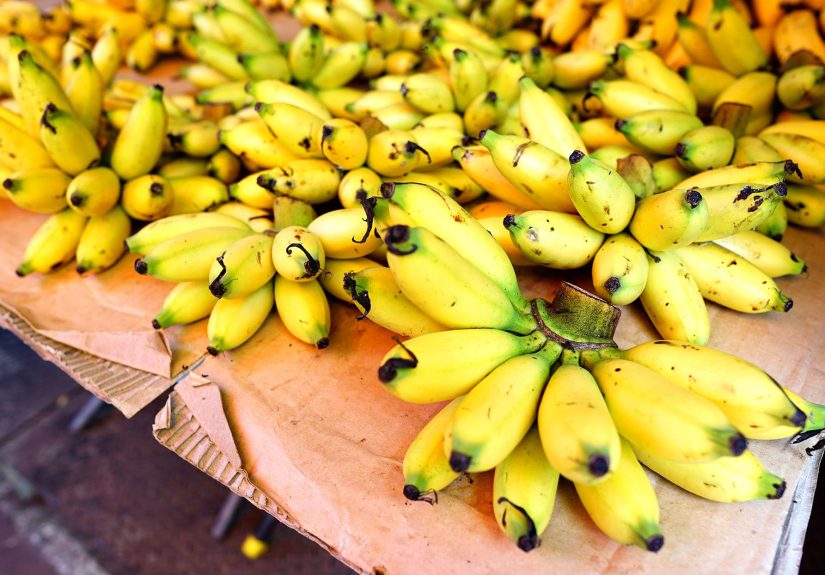
A Manzano banana is a small banana variety often known as an apple banana because of its slightly apple-like flavor when it’s not fully ripe. Compared with the familiar Cavendish banana, Manzanos are shorter, thicker, and more compact. They usually measure around 4 inches long, though sizes can vary a bit depending on where they’re grown and sold.
Manzano bananas are commonly associated with Central and South America, Mexico, and the Caribbean, and they are popular in markets that carry specialty tropical produce. In the United States, they’re less common than standard bananas, which only adds to their “tiny celebrity fruit” energy.
What makes them especially memorable is their flavor profile. While a Cavendish banana leans mild and mellow, a ripe Manzano banana tastes more complex. Many people describe it as a mix of banana with notes of apple, strawberry, or even pineapple. So yes, it’s a banana. But it’s also a banana with hobbies.
Why Is It Called an Apple Banana?
The nickname apple banana comes from the fruit’s flavor. When Manzano bananas are less ripe, they can have a sweet-tart quality that reminds people of apples. As they continue ripening, the flavor shifts and becomes richer, sweeter, and more tropical.
This changing taste is part of the fun. With some fruits, ripeness is a straight line. With Manzano bananas, it feels more like a mini drama series. Early on, they can taste firmer and a little tangy. Later, they soften and develop a creamy, fragrant sweetness that makes them especially good for snacking and desserts.
What Does a Manzano Banana Taste Like?
If you’ve never tried one before, imagine a banana that graduated from flavor school with honors. A ripe Manzano banana is sweeter than a Cavendish, with a denser, creamier texture and a more pronounced aroma. Depending on ripeness, people often pick up flavors similar to:
Apple
This is the note that gives the fruit its nickname. Slightly underripe Manzano bananas can have a bright, fruity tang that feels surprisingly apple-like.
Strawberry
Some descriptions mention a gentle strawberry note, especially when the fruit is fully ripe and aromatic. It’s not “banana dipped in strawberry yogurt” strong, but there’s definitely something playful happening.
Pineapple or Tropical Fruit
As the fruit gets softer and darker, the flavor can become more tropical, with hints that remind people of pineapple. It’s a little more perfumed and layered than the average banana.
The texture matters too. Manzano bananas tend to feel creamier and slightly denser than regular bananas, which is one reason they work so well in smoothies, puddings, baked goods, and fruit-forward breakfasts.
How Is a Manzano Banana Different From a Regular Banana?
The easiest comparison is with the Cavendish banana, the long yellow banana that dominates most U.S. grocery stores. Here’s how the Manzano banana stands apart:
Size and Shape
Manzano bananas are shorter and chubbier. They look almost toy-like next to a standard banana, but their thicker build gives them a satisfying bite.
Flavor
Regular bananas are sweet and familiar. Manzano bananas are sweeter, tangier, and more aromatic, with fruit notes that can resemble apple or strawberry.
Texture
Cavendish bananas are soft when ripe. Manzano bananas are also soft, but often feel creamier and a little more substantial.
Ripeness Clues
This is where many people get tricked. A Cavendish banana is usually ideal when yellow with brown speckles. A Manzano banana, however, often becomes best for eating when the peel turns very dark, heavily spotted, or even nearly black. In other words, the outside may look like it has seen some things, while the inside is perfect.
How Do You Know When a Manzano Banana Is Ripe?
This may be the most important section in the whole article, because too many good Manzano bananas have been unfairly judged by their peels.
Unlike regular bananas, Manzano bananas are often not at peak ripeness when bright yellow. They continue developing sweetness as the peel darkens. A fully ripe Manzano banana may have a peel that is deep yellow with dark spots or even mostly black.
That sounds dramatic, but it’s normal. The peel becomes dark before the fruit inside loses its appeal. In fact, that deeper color is usually a sign the flesh has turned softer, sweeter, and more aromatic.
Ripeness guide:
Green or barely yellow: Firm, starchy, and less sweet. Some people find this stage too astringent for raw eating.
Yellow with some spotting: Sweeter, but still somewhat firm.
Heavily spotted, dark, or black peel: Usually the best stage for eating raw if you want the fullest flavor and creamy texture.
If you try one too early and think, “Hmm, why is this banana acting like a green apple with trust issues?” give it more time.
How to Eat a Manzano Banana
The simplest answer is: peel it and eat it. But because the Manzano banana has a richer taste and creamier texture, it can do a little more than just sit in your lunchbox looking cute.
Eat It Fresh
Once fully ripe, Manzano bananas make a great snack on their own. Their fuller flavor means they don’t need much help. They’re especially nice when you want something sweet but not candy-level sweet.
Slice It Over Breakfast
Add slices to oatmeal, Greek yogurt, cereal, granola, pancakes, or waffles. Because the flavor is more pronounced than a regular banana, it can make a basic breakfast taste a little more special.
Blend It Into Smoothies
Manzano bananas work beautifully in smoothies. Their creamy texture helps thicken the drink, and the fruit’s natural sweetness pairs well with berries, mango, pineapple, nut butter, cocoa, and vanilla.
Use It in Desserts
These bananas are great in banana bread, muffins, puddings, fruit tarts, parfaits, and frozen treats. If a recipe depends on banana flavor actually showing up, Manzanos can be a smart choice.
Pair It With Chocolate or Nut Butter
This is one of those combinations that does not need a committee meeting. Slice a ripe Manzano banana and serve it with peanut butter, almond butter, dark chocolate, or a drizzle of honey.
Can You Cook With Manzano Bananas?
Absolutely. While they’re lovely fresh, Manzano bananas are also a fantastic ingredient in baked and cooked recipes. Because they have a denser, creamier texture, they hold up well in dishes where a regular banana might become a little too soft or bland.
Best ways to use Manzano bananas in recipes:
Banana bread and muffins: Great for deeper banana flavor.
Smoothie bowls: Adds body and sweetness.
Pancakes and waffles: Mash into batter or use as a topping.
Fruit salads: Their slow browning and dense flesh can be helpful.
Frozen desserts: Blend frozen slices into a soft-serve-style treat.
Caramelized banana toppings: Sauté slices with a little butter and cinnamon for oatmeal, toast, or dessert.
One small warning: because Manzano bananas can be sweeter and more fragrant than Cavendish bananas, they may change the flavor balance of a recipe. Usually that’s a bonus. Rarely, it means your banana bread suddenly thinks it deserves its own fan club.
How to Store Manzano Bananas
Store Manzano bananas at room temperature while they ripen. Keep them out of direct sunlight and away from moisture. Once they reach your preferred ripeness, you can move them to the refrigerator to slow things down.
Yes, the peel may darken even more in the fridge. No, that does not automatically mean the fruit is bad. Refrigeration often changes the peel appearance faster than the inside texture.
Storage tips:
Buy them slightly underripe if you want a few days of waiting time.
Let them ripen on the counter until the peel is well spotted or dark.
Refrigerate when ripe if you’re not eating them right away.
Freeze peeled slices for smoothies or baking later.
Are Manzano Bananas Healthy?
Like other bananas, Manzano bananas offer a solid nutritional package. Exact nutrient values vary by size and variety, but bananas in general are known for providing carbohydrates, fiber, potassium, and vitamin B6. A medium banana commonly supplies around 100 to 110 calories, about 27 to 28 grams of carbohydrates, and roughly 3 grams of fiber.
That makes Manzano bananas a convenient snack when you want quick energy plus some staying power. They fit easily into breakfast, post-workout snacks, lunchboxes, and desserts that don’t feel like a total nutritional prank.
Of course, “healthy” depends on the whole diet, not whether your fruit is tiny and adorable. Still, if you enjoy bananas and want more flavor variety, the Manzano banana is a smart pick.
Where Can You Buy Manzano Bananas?
You probably won’t see Manzano bananas in every supermarket produce section, but they are available in many parts of the United States. Your best bet is to check:
Hispanic or Latin American markets
These stores often carry banana varieties that mainstream chains skip.
International grocery stores
Specialty produce is more common here, especially in larger cities.
Well-stocked natural food stores
Some higher-end grocery stores and regional chains occasionally stock them.
Online grocery platforms
Availability varies by ZIP code, but some delivery services list Manzano bananas seasonally or year-round through local suppliers.
If you find them, buy a small bunch first. That way you can learn your favorite ripeness stage without accidentally ending up with a countertop banana research project.
Common Mistakes People Make With Manzano Bananas
Eating Them Too Early
This is the big one. If you peel one while it’s still bright yellow and firm, you may miss the flavor that makes Manzanos special.
Throwing Them Out Because the Peel Turned Black
On a Manzano banana, a dark peel often means “ready,” not “retired.”
Expecting Them to Taste Exactly Like a Regular Banana
They’re related, not identical. Think cousin, not clone.
Ignoring Them in Recipes
If you only eat them plain, you’re missing out. Their texture and flavor can seriously upgrade smoothies and baked goods.
The Experience of Discovering Manzano Bananas
There’s a very specific joy that comes with discovering a fruit that feels both familiar and brand-new, and that’s exactly the experience many people have with Manzano bananas. At first glance, they look like bananas that accidentally got left in the dryer too long. They’re shorter, stubbier, and somehow a little more cheerful. You pick one up thinking it will be a regular banana in fun-size packaging, and then the first bite tells you that no, this fruit has a whole personality.
For many shoppers, the experience begins with confusion. You see the dark peel and assume the fruit is overripe. Then someone who knows better tells you, “No, that’s when it’s good.” Suddenly the rules you thought you understood about bananas are out the window. It’s a small but delightful reminder that produce is full of variety, and the grocery store has probably been underselling bananas to all of us for years.
The texture is often what surprises people next. A ripe Manzano banana feels creamier and denser than expected, almost like it has more substance per bite. It doesn’t disappear on your tongue as quickly as a typical banana. It lingers a little. That makes it memorable, especially if you’re the kind of person who usually thinks of bananas as merely practical food: good in a hurry, useful in smoothies, and not much else. Manzanos make bananas feel interesting again.
Then there’s the flavor. The apple-like tang in a less-ripe fruit, the deeper sweetness in a ripe one, the tropical notes that show up as it softens furtherthis is what turns a casual snack into an actual tasting experience. Some people notice strawberry. Others notice pineapple. Some just say, “Wow, that’s better than a normal banana,” which is not poetic, but it gets the job done.
Using Manzano bananas in the kitchen can be equally fun. Slice one over oatmeal and suddenly breakfast feels upgraded. Blend one into a smoothie and the drink tastes fuller, almost more expensive. Bake with them, and the banana flavor doesn’t vanish into the background. It actually shows up and does its job. For home cooks who like ingredient swaps, Manzano bananas can feel like a secret weapon hiding in plain sight.
There’s also something charming about sharing them with other people. Hand a Manzano banana to someone who has never tried one and you get a little moment of produce theater: the suspicious glance, the comment about how small it is, the peel inspection, the first bite, then the raised eyebrows. Few fruits deliver such efficient surprise.
In a world full of trendy foods with dramatic marketing and impossible price tags, the Manzano banana is refreshingly low-key. It doesn’t need a rebrand, a celebrity endorsement, or a sixteen-step prep method. It just needs a chance. Once you understand how to ripen it and what makes it different, it becomes the kind of fruit you look for on purpose. Not because it’s rare or flashy, but because it tastes good, feels special, and makes an ordinary snack a lot more fun.
That may be the real charm of the Manzano banana: it reminds you that even in the banana family, there’s room for surprise. And honestly, that’s adorable.
Final Thoughts
So, what is a Manzano banana? It’s a small, thick, sweet, apple-kissed banana with a creamy texture and a talent for confusing people who think dark peels always mean doom. It’s also a delicious example of how much variety exists within everyday produce.
If you like bananas but wish they had a little more flair, the Manzano banana is worth seeking out. Eat it fresh, blend it into smoothies, bake it into desserts, or just impress your household by correctly identifying when a nearly black banana is actually at its peak. That alone is a useful life skill.
In short: the Manzano banana is cute, flavorful, and deeply underrated. Which is more than can be said for a lot of fruits with better publicists.