Table of Contents >> Show >> Hide
- What are seed ticks?
- Why are they called seed ticks?
- Where do seed ticks come from?
- Are seed ticks dangerous?
- What do seed tick bites look like?
- Can seed ticks spread disease?
- How to remove seed ticks safely
- What to do after seed tick bites
- How to prevent seed ticks
- Seed ticks on pets
- Common myths about seed ticks
- When should you see a doctor?
- Real-world experiences people often have with seed ticks
- Final takeaway
Nothing ruins a nice walk in the woods quite like looking down and realizing your sock appears to be moving. If you have ever brushed against tall grass, sat on a log, or wandered through leaf litter and later found dozens of tiny crawling specks on your shoes, pants, or skin, you may have met seed ticks. They are tiny, sneaky, and very good at turning a peaceful afternoon outdoors into a dramatic costume change in the parking lot.
So, what are seed ticks, exactly? Are they just baby ticks? Are they dangerous? And why do they always seem to show up when you are finally enjoying nature for once? The short answer is this: seed ticks are the larval stage of ticks, they can bite people and animals, and while they are usually more annoying than catastrophic, they should not be ignored. Their bites can cause itching, irritation, and in some situations, a risk of tick-borne disease.
This guide breaks down what seed ticks are, where they come from, how dangerous they may be, what their bites look like, and how to get them off you without turning your bathroom into a panic room.
What are seed ticks?
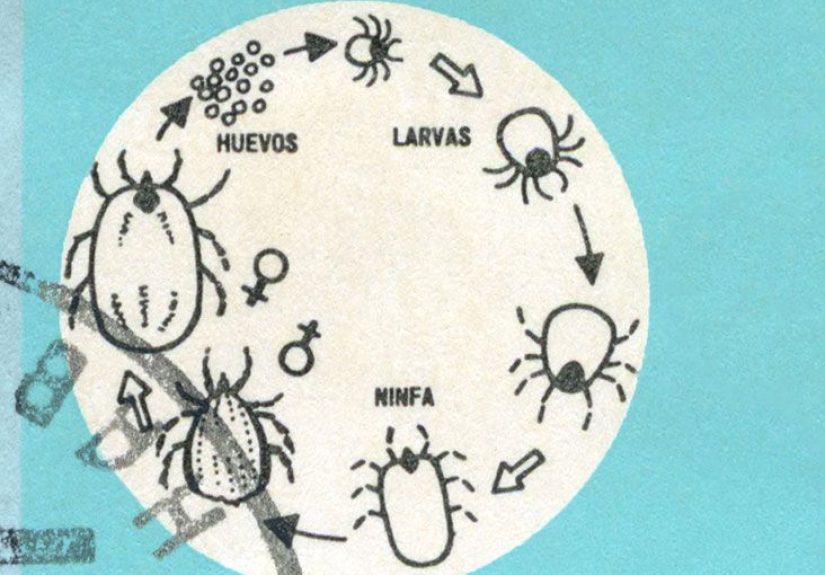
Seed ticks are the larval stage of a tick’s life cycle. Ticks usually go through four stages: egg, larva, nymph, and adult. The larval stage comes right after the eggs hatch. Because these larvae are incredibly tiny, people often call them “seed ticks” since they can look like little poppy seeds, pepper flakes, or reddish-brown dots moving across the skin.
Unlike nymphs and adult ticks, seed ticks have only six legs. Once they molt into the next stage, they develop eight legs. That small detail may sound like a trivia question no one asked for, but it is one of the easiest scientific ways to tell larvae apart from older ticks.
Seed ticks are usually found in clusters because a single female tick can lay thousands of eggs. When those eggs hatch, the larvae often remain grouped together until they find a host. That is why people sometimes discover not one or two tiny ticks, but dozens at once. It is less “one rude guest” and more “uninvited family reunion.”
Why are they called seed ticks?
The nickname comes from their size. Seed ticks are so small that they can resemble plant seeds scattered on clothing or skin. Many people do not even realize they are looking at ticks at first. They may assume the tiny dots are dirt, lint, or some weird outdoor glitter nature threw in for free.
That tiny size is exactly what makes them easy to miss. And because they can gather in large numbers, a person may not notice them until the itching starts or until they see a cluster crawling upward from shoes, socks, or pant legs.
Where do seed ticks come from?
Seed ticks hatch from eggs laid in the environment, usually in places with moisture, shade, and plenty of host animals nearby. Tall grass, woodland edges, brushy trails, leaf litter, and overgrown yards are common hangouts. In other words, if an area looks like it would be featured in a camping brochure, a tick may already be there planning a meet-and-greet.
After hatching, larvae need a blood meal to keep developing. They climb low vegetation and wait for a host to pass by. This behavior is often called “questing.” When a person or animal brushes past, the seed ticks latch on.
Depending on the species and the region, seed ticks may feed on small mammals, birds, reptiles, pets, deer, or humans. Some species are more likely than others to bite people. In parts of the United States, lone star tick larvae are especially known for swarming behavior and can attach in large numbers.
Are seed ticks dangerous?
This is the question everyone really wants answered. The honest answer is: they can be, but usually the immediate problem is irritation rather than severe illness.
For many people, seed tick bites cause itching, redness, and general misery on a very tiny scale. The bites can be uncomfortable, especially if many larvae attach at once. A cluster of bites may feel much worse than a single bite from an older tick simply because there are so many of them.
However, danger depends on several factors, including:
- the tick species
- the geographic region
- how long the ticks stay attached
- whether the ticks are carrying germs
- how your body reacts to the bites
Why seed ticks may be less risky than older ticks
In some species, larvae are less likely to be infected than nymphs or adult ticks because they may hatch without pathogens and pick them up later during their first blood meal. For example, blacklegged tick larvae are generally not considered the main stage responsible for transmitting Lyme disease to people. Nymphs are often a bigger concern because they are still small enough to escape notice but more likely to carry infection.
That said, “less risky” does not mean “risk-free.” Ticks as a group can spread serious illnesses, and not every species behaves the same way. Some larval ticks may still create health concerns, especially if they feed in large numbers or belong to a species more likely to bother humans.
When seed ticks become more concerning
Seed ticks may be more concerning when they are attached in large clusters, when the bites become inflamed, or when symptoms appear after exposure. A person should pay close attention if they develop fever, headache, rash, fatigue, muscle aches, or flu-like symptoms after tick exposure. Those symptoms should not be shrugged off as “just one of those outdoor souvenirs.”
Also, some people have stronger local reactions to tick saliva. This can lead to prolonged itching, swelling, and irritated skin that sticks around well after the ticks are gone.
What do seed tick bites look like?
Seed tick bites are often tiny red bumps. Because there can be many of them, the bites may appear in clusters or groups instead of as a single isolated mark. The skin may itch intensely, feel irritated, or look inflamed. In some cases, the area becomes swollen from scratching or from a mild allergic reaction.
What makes seed tick bites different from many adult tick bites is the number. People commonly report finding multiple tiny bites around the ankles, waistline, behind the knees, or anywhere clothing fits snugly. These are common places where crawling larvae get trapped and start feeding.
It is important not to confuse seed tick bites with chigger bites, flea bites, or contact dermatitis. They can look similar at first glance. If you actually saw the tiny ticks attached or crawling, that is a strong clue. If you did not, and the rash worsens, a healthcare professional can help sort it out.
Can seed ticks spread disease?
They may, but the answer is complicated.
Ticks in the United States are known to spread illnesses such as Lyme disease, Rocky Mountain spotted fever, ehrlichiosis, anaplasmosis, babesiosis, tularemia, and others. But the chance of disease transmission depends on the tick species and life stage. In practical terms, older ticks often get more attention because they are more commonly linked to human disease transmission.
Even so, you should not assume that a seed tick bite is automatically harmless. If you have many bites or if you become sick after a bite, it is worth contacting a clinician. Medicine is full of phrases like “usually fine,” which are comforting right up until you are the exception.
How to remove seed ticks safely
If you find seed ticks crawling on you, act quickly. The sooner you remove them, the better.
For crawling seed ticks
- Take off outdoor clothing as soon as possible.
- Put clothes in a hot dryer if the fabric allows it.
- Shower soon after coming indoors.
- Use a washcloth to help remove unattached ticks from the skin.
- Check your whole body carefully, including behind the knees, groin, underarms, scalp, and waistline.
For attached seed ticks
If the larvae are attached, use fine-tipped tweezers if possible. Grasp the tick as close to the skin as you can and pull upward with steady, even pressure. Do not twist, yank, burn, paint, smother, or launch into an internet folk remedy from 2009. The safest method is still simple mechanical removal.
After removal, clean the skin with soap and water, rubbing alcohol, or an antiseptic. Wash your hands too. If you can save the tick in a sealed container or bag, that may help with later identification if symptoms develop.
What to do after seed tick bites
Once the ticks are removed, focus on skin care and monitoring. Wash the area gently and avoid scratching. Over-the-counter anti-itch cream, hydrocortisone, calamine lotion, or an oral antihistamine may help reduce itching, depending on what is safe for you to use.
Then keep an eye on the bites for several days to a few weeks. Seek medical advice if you notice:
- fever or chills
- expanding rash
- headache or body aches
- increasing redness, pain, or swelling
- signs of infection from scratching
- fatigue or flu-like symptoms after a tick bite
It is also smart to mention where you were when exposed. A doctor will care a lot more about “wooded trail in Missouri” or “brushy area in coastal North Carolina” than “somewhere outside where I was apparently betrayed by nature.”
How to prevent seed ticks
The best way to deal with seed ticks is to keep them from hitching a ride in the first place. Prevention matters because their tiny size makes them easy to miss.
Dress like ticks are rude, because they are
- Wear long sleeves and long pants in brushy or grassy areas.
- Tuck pants into socks or boots.
- Choose light-colored clothing so ticks are easier to spot.
- Stay in the center of trails instead of brushing against vegetation.
Use repellents the right way
Use an EPA-registered insect repellent on exposed skin as directed. Clothing and gear can be treated with permethrin products made for fabrics. Never apply permethrin directly to skin unless the product specifically says to do so, which standard clothing treatments do not.
Check yourself, kids, and pets
After outdoor time, do full tick checks. Pay special attention to ankles, sock lines, waistbands, the scalp, and behind ears. Pets can carry ticks into the house, so check dogs and outdoor cats too.
Make your yard less tick-friendly
Keep grass trimmed, remove leaf litter, reduce brush, and create a cleaner edge between lawn and wooded areas. Ticks love humidity and cover. A neat yard may not win a landscaping award, but it can be less inviting to ticks.
Seed ticks on pets
Dogs and other animals can pick up seed ticks just as easily as people. In fact, pets may bring them home before anyone realizes there is a problem. Check your pet’s ears, neck, paws, belly, and groin after walks or time in wooded areas.
If your pet is covered in tiny ticks, call your veterinarian for guidance. Use tick prevention products recommended for your animal, and never improvise with random products from another species. A dog is not a furry little chemistry experiment.
Common myths about seed ticks
Myth 1: Seed ticks are a different species of bug
Nope. “Seed tick” is a nickname, not a separate insect. They are baby ticks in the larval stage.
Myth 2: They are too small to matter
Also no. Their size makes them easy to miss, and clusters of bites can be very uncomfortable.
Myth 3: If they are tiny, they cannot attach
Unfortunately, they absolutely can. Tiny does not mean harmless.
Myth 4: You only need to worry if you find one big tick
Not true. A swarm of larvae can leave dozens of itchy bites and deserves prompt cleanup and observation.
When should you see a doctor?
You should contact a healthcare professional if you develop symptoms after tick exposure, especially fever, rash, severe headache, muscle aches, or unusual fatigue. You should also get medical advice if you cannot remove the ticks completely, if the bite areas become infected, or if the reaction seems severe.
In most cases, seed tick bites are more annoying than dangerous. But tick-borne illness is not something to guess about. If symptoms start after a bite, getting checked sooner is smarter than trying to out-stubborn a micro-sized parasite.
Real-world experiences people often have with seed ticks
One reason seed ticks are so memorable is that the experience feels weirdly dramatic for something so tiny. People often describe going on a perfectly normal hike, sitting on a stump for a break, or walking through a patch of tall grass, only to discover later that their shoes, socks, or calves are covered in specks that seem to be moving all at once. At first, many assume it is dirt. Then the dirt starts crawling, and suddenly the afternoon becomes a high-speed inspection session in the nearest bathroom mirror.
A common story involves pets. Someone takes the dog out for a trail walk, comes home, and notices the dog scratching more than usual. A closer look reveals clusters of tiny ticks around the ears or neck. Then the owner checks their own ankles and finds the same unpleasant surprise. In these cases, the real frustration is not just the bites. It is the cleanup: washing clothes, checking bedding, vacuuming the car, bathing the dog, and trying not to imagine how many more tiny freeloaders might still be hiding in a sock seam.
Parents often describe the stress of finding seed ticks on children after outdoor play. Because larvae are so small, they are easy to miss on active kids who would rather do literally anything else besides stand still for a full-body tick check. The emotional arc is usually fast and familiar: denial, disbelief, frantic flashlight search, laundry marathon. The good news is that most of these encounters end with itchy bites and a very strong family speech about staying out of tall grass next time.
Another frequent experience is delayed realization. People may not notice the ticks during the outing at all. Instead, they find clusters of itchy red bumps later that evening or the next morning, often around the waistband, behind the knees, or near the sock line. That delay can make the bites especially annoying because it is not always obvious what caused them. Some think they were attacked by mosquitoes, fleas, chiggers, or “something weird in the woods,” which is technically accurate but not very satisfying.
Many people who have had seed ticks say the worst part is the number. A single adult tick is disturbing. Twenty tiny larvae are psychologically offensive. Even when the bites are medically minor, the experience sticks in memory because it feels invasive. It also changes behavior. People who have dealt with seed ticks once often become the friend who says, “Tuck your pants into your socks,” with the seriousness of a wilderness survival expert.
There are also practical lessons that come from these experiences. People learn to carry a lint roller, keep spare clothes in the car, shower soon after outdoor time, and check pets immediately. They learn that a dryer is not just for laundry but also for revenge. They learn that wooded edges, overgrown grass, and leaf litter are prime tick real estate. And they learn that prevention, though boring, is far better than spending an evening inspecting every inch of your skin while muttering at nature.
The bottom line from real-life encounters is reassuring, though. Most seed tick experiences are miserable, itchy, and memorable, but not medically serious. The key is to remove the ticks quickly, treat the bites gently, and monitor for symptoms afterward. Outdoors is still worth enjoying. You just need a little more repellent, a little more vigilance, and a lot less trust in innocent-looking grass.
Final takeaway
Seed ticks are tiny larval ticks, not some separate mystery pest. They can bite humans and animals, often in groups, and their bites usually cause itching and irritation. In many cases, they are more annoying than dangerous, but they are not something to ignore. Since ticks can spread disease and reactions vary by species and person, it is smart to remove them promptly, watch for symptoms, and use solid prevention whenever you head into grassy, brushy, or wooded areas.
If nature gives you sunshine, fresh air, and a surprise army of micro-ticks, take the sunshine and fresh air, but definitely leave the army behind.