Table of Contents >> Show >> Hide
- Quick MCP joint basics (so the rest makes sense)
- Common causes of MCP joint pain
- 1) Arthritis: the “knuckle wear-and-tear” (and its more dramatic cousins)
- 2) Crystal arthritis: gout (and its look-alike, pseudogout)
- 3) Ligament sprains: when your knuckle gets “overstretched”
- 4) “Boxer’s knuckle” (sagittal band injury): the extensor tendon goes rogue
- 5) Trigger finger: pain near the MCP joint with clicking or locking
- 6) Overuse and irritation: the slow-burn problem
- 7) Infection: the “don’t wait this out” category
- How to tell what’s going on: a practical symptom detective guide
- How clinicians confirm the cause
- At-home treatment: what you can do today (without turning your hand into a science project)
- Medical treatments: what your clinician might recommend (depending on the cause)
- A quick “cause-to-treatment” cheat sheet
- Rehab and exercises (when it’s safe to move again)
- When to see a clinician urgently
- How to prevent MCP joint pain from coming back (or showing up in the first place)
- Real-world experiences: what MCP joint pain feels like (and what actually helped)
- Conclusion
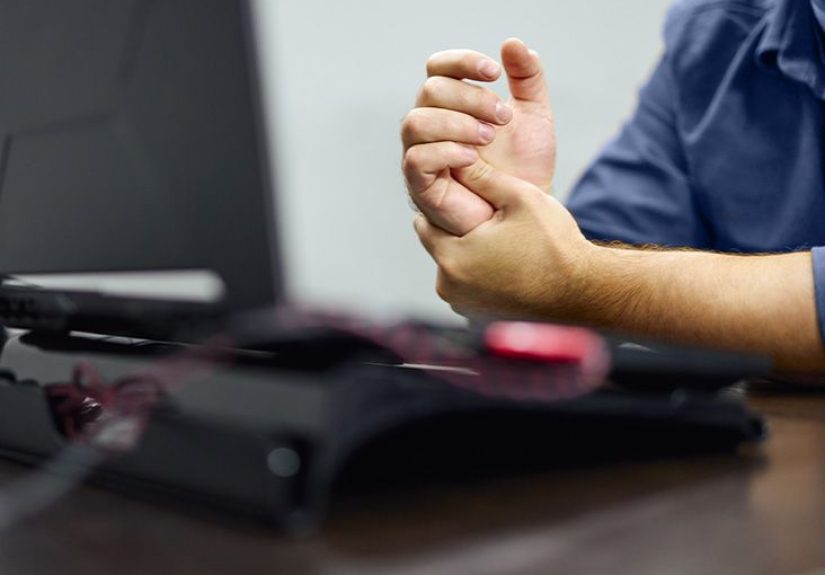
Your MCP joint is basically the VIP entrance to your fingerwhere your finger meets your hand (aka your knuckle).
When it hurts, everyday tasks can suddenly feel like an extreme sport: turning a doorknob, opening a jar, shaking hands,
texting, gripping a steering wheel… even giving a thumbs-up can become a betrayal.
MCP joint pain isn’t one single problemit’s a symptom with a surprisingly long guest list of possible causes.
The good news: most causes are treatable, and many improve with simple changes.
The better news: you don’t have to “just live with it” (despite what your knuckle might be trying to convince you).
Educational note: This article is for general information and doesn’t replace medical advice. If you have severe pain, deformity, fever, a hot/red joint, or trouble moving your finger, get evaluated promptly.
Quick MCP joint basics (so the rest makes sense)
MCP stands for metacarpophalangeal. It’s the joint between your metacarpal (hand bone)
and your proximal phalanx (first finger bone). Think of it as the “main hinge” for making a fist and
for power gripexactly why it complains so loudly when something’s off.
Common causes of MCP joint pain
1) Arthritis: the “knuckle wear-and-tear” (and its more dramatic cousins)
Arthritis simply means joint inflammation, but the type matters because treatment differs. MCP joints are commonly
involved in inflammatory arthritis (like rheumatoid arthritis), and they can also be affected by osteoarthritis or post-traumatic arthritis.
-
Rheumatoid arthritis (RA): An autoimmune condition that often targets the wrists and small joints of the hands,
especially MCP joints. Typical clues include swelling, tenderness, and morning stiffness that lasts (not just a 30-second “warm up”).
RA often affects multiple joints and can be symmetrical (both hands). -
Osteoarthritis (OA): “Wear-and-tear” arthritis. In hands, OA is famous for finger joints, but it can affect MCP joints too,
especially with heavy hand use or prior injuries. Pain may flare after gripping, lifting, or repetitive tasks. -
Post-traumatic arthritis: A previous fracture, dislocation, or cartilage injury can set the stage for long-term joint pain and stiffness.
Your knuckle remembers. Forever. -
Psoriatic arthritis (PsA): An inflammatory arthritis linked with psoriasis. It can cause swollen, tender joints, stiffness,
and sometimes “sausage digits” (diffuse finger swelling). Nail changes (pitting, lifting) can be a hint.
2) Crystal arthritis: gout (and its look-alike, pseudogout)
Crystal arthritis happens when microscopic crystals irritate the joint lining like tiny, angry shards of glass.
The headline act is gout (urate crystals), which can cause sudden, intense pain, swelling, warmth, and redness.
While gout often starts in the big toe, it can affect wrists and fingers tooincluding MCP joints.
Pseudogout (calcium pyrophosphate deposition, or CPPD) can feel similarpainful, swollen jointsthough it has different crystals and management.
Either way, the key clue is often a flare that comes on fast and feels out of proportion to what you were doing.
3) Ligament sprains: when your knuckle gets “overstretched”
MCP joints are stabilized by ligaments. A sprain can happen from a fall, a jammed finger, sports, or an awkward twist
(sometimes caused by innocent activities like catching a ball, grabbing a dog leash, or losing an argument with a suitcase zipper).
-
Thumb UCL injury (Skier’s/Gamekeeper’s thumb): Injury to the ulnar collateral ligament at the thumb MCP joint.
Classic story: a fall with the thumb forced outward (often with a ski pole strap, but you don’t need skis to earn the injury).
Symptoms: pain on the inner side of the thumb MCP, swelling, weak pinch grip, and sometimes instability. -
Finger collateral ligament sprain: Pain at one side of the knuckle, worse with sideways stress,
plus swelling and reduced grip tolerance. -
Volar plate injury: Often from a “jam” that forces the finger backward; can cause pain, swelling,
and difficulty bending or straightening.
4) “Boxer’s knuckle” (sagittal band injury): the extensor tendon goes rogue
A sagittal band stabilizes the extensor tendon over your knuckle. With a punch, blunt trauma, or sometimes inflammatory disease,
the tendon can slip. This may cause pain and swelling on the back of the MCP joint and difficulty extending the finger smoothly.
You don’t have to be a boxerhitting a heavy bag, a wall, or a stubborn drawer can do it. (Your furniture will not apologize.)
5) Trigger finger: pain near the MCP joint with clicking or locking
Trigger finger (stenosing tenosynovitis) often causes tenderness at the base of the finger on the palm sidenear the MCP joint
plus catching, clicking, or locking during motion. Some people notice a small bump or tenderness in the palm at the finger base.
It’s common in people who do repetitive gripping and more common with certain conditions like diabetes.
6) Overuse and irritation: the slow-burn problem
Repetitive gripping (tools, gaming controllers, climbing, gardening, weight training, childcareyes, holding a toddler counts as weight training)
can irritate tendons and joints around the MCP. Overuse pain tends to build gradually and often improves with rest and smarter mechanics.
7) Infection: the “don’t wait this out” category
A hot, swollen, very painful jointespecially with fever, chills, a recent cut, bite, puncture wound, or immune suppressioncan signal
septic arthritis. This is urgent because infection can damage a joint quickly.
Treatment typically requires prompt medical evaluation, antibiotics, and sometimes drainage.
How to tell what’s going on: a practical symptom detective guide
You can’t diagnose yourself perfectly (even if you have a strong Wi-Fi signal), but patterns help you decide what to do next.
Here are clues clinicians use:
- Sudden, intense flare with redness/warmth: think gout, infection, or acute inflammatory flare.
- Morning stiffness lasting a long time + multiple swollen knuckles: think inflammatory arthritis (RA/PsA).
- Pain after heavy use, improved by rest: often OA or overuse.
- Side-of-joint pain after a jam or fall: ligament sprain.
- Clicking/locking + tenderness at the palm-side base of the finger: trigger finger.
- Dorsal knuckle pain after punching/impact + trouble extending smoothly: possible sagittal band injury.
- Visible deformity, finger “crooked,” or inability to move: possible fracture/dislocationget checked.
How clinicians confirm the cause
A thorough evaluation usually includes:
- History: onset (sudden vs gradual), activities, injuries, systemic symptoms (fever, fatigue), pattern of joints involved.
- Exam: swelling location, warmth, joint stability, tendon function, range of motion, grip/pinch strength, triggering.
- Imaging: X-rays for arthritis or fracture; ultrasound or MRI for soft-tissue injuries or synovitis when needed.
- Lab tests: when inflammatory arthritis, gout, or infection is suspected (not for every sore knuckle).
- Joint aspiration: if infection or crystal arthritis is a concern, fluid can be analyzed to look for bacteria or crystals.
At-home treatment: what you can do today (without turning your hand into a science project)
Step 1: Calm it down
- Relative rest: avoid painful gripping and repetitive motion for a short period.
- Ice for flares/injury: 10–15 minutes at a time, a few times daily for swelling and pain.
- Heat for stiffness: especially helpful for chronic stiffness (think arthritis mornings).
- Elevation: especially after injury or during swelling.
Step 2: Support it (but don’t mummify it forever)
A simple splint, buddy taping, or a thumb spica (for thumb MCP injuries) can reduce stress on irritated tissues.
Immobilization can help early onespecially for sprains and some tendon issuesbut long-term stiffness is a risk if you never move it again.
Step 3: Pain control (smart and safe)
- Topical NSAIDs (like diclofenac gel) can help localized joint pain with less systemic exposure than oral meds.
- Oral NSAIDs (ibuprofen/naproxen) may help inflammation and pain if you can take them safely.
- Acetaminophen may help pain if NSAIDs aren’t an option.
If you have kidney disease, ulcers, are on blood thinners, or have other medical conditions, check with a clinician before using NSAIDs.
Medical treatments: what your clinician might recommend (depending on the cause)
Arthritis-focused treatment
- Hand therapy: targeted exercises, joint protection strategies, and splints for support during flares.
- Anti-inflammatory meds: topical or oral options for symptom control.
- Steroid injections: sometimes used for MCP joint arthritis to calm inflammation when conservative care isn’t enough.
- For RA/PsA: disease-modifying therapies (DMARDs/biologics) to control the underlying immune-driven inflammation and prevent damage.
- Surgery (selected cases): options include joint fusion (arthrodesis) or joint replacement (arthroplasty) depending on the finger, function needs, and joint destruction.
Gout and crystal flare treatment
- Acute flare control: NSAIDs, colchicine, or corticosteroids may be used to reduce inflammation and pain.
- Prevention: if flares are recurrent or complications exist, urate-lowering therapy may be recommended, along with hydration and dietary/lifestyle strategies.
Sprains and ligament injuries
- Partial tears/sprains: rest, ice, elevation, pain control, and splinting are common first steps.
- Complete tears/instability (especially thumb UCL): may require surgical repairparticularly if there’s significant laxity or specific complications.
- Rehab: guided strengthening and range-of-motion work after the initial healing phase.
Trigger finger treatment
- Activity modification and splinting can help mild cases.
- Corticosteroid injection near/into the tendon sheath is a common first-line option and often provides significant relief.
- Surgery (release) is considered when symptoms persist, recur, or the finger becomes stuck and function is limited.
Infection (septic arthritis)
This typically requires urgent care. Treatment may include antibiotics and joint fluid drainage.
Don’t “sleep on it” if the joint is hot, severely painful, swollen, and you feel ill or have fever.
A quick “cause-to-treatment” cheat sheet
| Likely Cause | Common Clues | Typical Treatment Path |
|---|---|---|
| RA / inflammatory arthritis | Swollen MCPs, prolonged morning stiffness, multiple joints | Rheumatology eval, DMARDs/biologics, therapy, splints, symptom meds |
| OA / post-traumatic arthritis | Pain after use, stiffness, history of hand wear or old injury | Activity changes, topical/oral meds, therapy, occasional injections, surgery if severe |
| Gout/CPPD flare | Sudden severe pain, swelling, warmth/redness, flares | Anti-inflammatory meds, possible aspiration for diagnosis, prevention plan if recurrent |
| Thumb UCL (Skier’s thumb) | Thumb MCP pain after fall/jam, weak pinch, instability | Thumb spica immobilization vs surgical repair depending on severity |
| Trigger finger | Palm-side tenderness at finger base, clicking/locking | Rest/splint, steroid injection, surgery if persistent/locked |
| Boxer’s knuckle (sagittal band) | Dorsal knuckle pain after impact, extensor tendon issues | Splinting/therapy early; imaging and surgery for significant tears/instability |
| Septic arthritis | Hot, swollen, severe pain, fever, rapid worsening | Urgent evaluation, antibiotics, drainage |
Rehab and exercises (when it’s safe to move again)
Once severe pain and swelling calm down (or once your clinician clears you after an injury),
gentle movement helps prevent stiffness. A hand therapist can tailor this, but general ideas include:
- Gentle range of motion: slow fist-making, finger spreads, and controlled bending/straightening.
- Tendon glides: often used for trigger finger and general hand stiffness.
- Grip training (later): putty or soft ball squeezesonly after pain improves and without triggering symptoms.
- Joint protection: use larger handles, avoid death-grip strategies, take micro-breaks during repetitive tasks.
When to see a clinician urgently
- Fever plus a hot, swollen, very painful joint
- Rapidly worsening redness/warmth or you feel sick
- Recent bite, puncture, cut, or possible infection
- Visible deformity, suspected fracture/dislocation, or the finger looks “out of place”
- Numbness/tingling, color change, or weakness that’s new
- Thumb pinch weakness after injury (possible UCL tear)
- Pain that doesn’t improve after 1–2 weeks of sensible home care
How to prevent MCP joint pain from coming back (or showing up in the first place)
- Warm up your hands: a minute of opening/closing fists before heavy gripping.
- Upgrade your grip: use tools with larger handles; avoid pinching tiny objects for long periods.
- Take breaks: repetitive motion injuries love marathon sessions.
- Protect during sports: proper gloves/wraps for striking sports; thumb support if you’re prone to sprains.
- Manage chronic conditions: controlling RA/PsA and preventing gout flares reduces joint damage risk over time.
Real-world experiences: what MCP joint pain feels like (and what actually helped)
People often assume MCP pain must be “arthritis” or “I’m getting old,” but real life is messierand honestly, funnierthan that.
Here are a few experience-based patterns clinicians hear all the time (names changed, dignity preserved).
The “I woke up and my finger hated me” story: One morning, a graphic designer noticed her ring finger felt stiff,
tender at the palm-side base, and made an audible click when she tried to straighten it. By lunchtime, it started sticking in a bent position
like it was auditioning for a dramatic role. She assumed it was an MCP joint problem because the pain felt “near the knuckle.”
In reality, it matched the classic trigger finger patterntendon irritation near the A1 pulley. What helped most was
cutting down on all-day gripping (hello, death-grip on the mouse), using a short-term splint at night, and getting a corticosteroid injection
when it didn’t settle fast enough. Her biggest lesson: pain “near” the MCP isn’t always the MCP joint itselftendons can be sneaky.
The “my thumb is weak and I can’t open anything” story: A weekend skier fell with a pole in hand and felt immediate thumb MCP pain.
The swelling showed up quickly, and pinch strength basically vanishedturning a key and opening a chip bag became strangely emotional.
This is the classic setup for a thumb UCL injury. Early evaluation mattered because treatment depends on severity:
partial tears often do well with immobilization, while complete tears may need repair for stable pinch function.
His takeaway: if your thumb feels unstable after an injury, don’t just buy a random brace and hopeget it assessed.
The “I punched something… but it was the wall’s fault” story: A guy started training on a heavy bag and noticed pain and swelling
on the back of his middle-finger knuckle (MCP). He could bend fine, but straightening felt weird, like the tendon wasn’t tracking smoothly.
That pattern raises suspicion for sagittal band injury (“boxer’s knuckle”). What helped was stopping impact training immediately,
getting a proper splint designed to keep the extensor tendon centered, and doing guided rehab. He learned the hard way that
“training through it” is just a fancy phrase for “making it worse.”
The “this flare came out of nowhere” story: Another person described a sudden, intense knuckle flare after a celebratory weekend of
rich food and a little too much beer. The MCP became hot, swollen, and so tender that even a bedsheet felt disrespectful.
This kind of pain can be consistent with a gout flare (yes, fingers can be involved). The most useful move was getting evaluated
rather than self-treating foreverbecause infection can look similar and needs urgent care. Once the diagnosis was clear,
targeted anti-inflammatory medication helped the flare, and prevention strategies reduced repeat episodes.
The moral: “sudden hot joint” is not the time for stubbornness.
The “my knuckles are puffy every morning” story: A woman noticed her knuckles (especially MCPs) were swollen and stiff every morning,
improving slowly through the day. She also felt fatigue that didn’t match her schedule. This pattern is common in inflammatory arthritis like RA.
What helped wasn’t a miracle supplementit was getting appropriate testing, starting disease-modifying treatment early,
and learning joint-protection habits (bigger handles, fewer high-force grips, planned breaks). Over time, she found that
the combination of medical treatment, hand therapy, and smart daily mechanics mattered more than any single trick.
Across these experiences, one theme repeats: the best outcomes happen when you match the treatment to the cause.
A splint can be perfect for one condition and useless for another. Ice can be great for a flare and annoying for chronic stiffness.
And if your joint is hot, swollen, and you feel sickdon’t crowdsource it. That’s a “real clinician” moment.
Conclusion
MCP joint pain is common, but it’s not something you should ignoreespecially when it changes how you use your hand.
The most frequent culprits include arthritis (especially inflammatory types), gout or other crystal flares, tendon/ligament injuries,
trigger finger, and overuse. The right treatment can be as simple as rest, splinting, and topical anti-inflammatoriesor as specific as
disease-modifying medication for RA, a steroid injection for trigger finger, immobilization (or repair) for a thumb ligament tear,
or urgent antibiotics for infection.
If your symptoms are severe, sudden, associated with fever, or you suspect a significant injury, get evaluated promptly.
Your hands do a lot for youreturn the favor with timely care.