Table of Contents >> Show >> Hide
- What Exactly Is a Garden Room?
- Why People Build Garden Rooms
- Before You Design: Rules, Permits, and Real-World Constraints
- Choose the Location Like a Designer (Not Like a Squirrel)
- Size and Layout: Design the Inside Before You Obsess Over Siding
- Structure Basics: Foundation, Framing, and Weatherproofing
- Year-Round Comfort: Insulation, Heating, and Cooling
- Electrical, Lighting, and the Great Outlet Shortage
- Windows and Doors: Daylight Without the Greenhouse Effect
- Interior Design: Make It Feel Like a Room, Not a Repentant Shed
- Exterior Design and Landscaping: Make the Backyard Feel Finished
- Budget and Timeline: What to Expect
- Common Mistakes to Avoid
- Design Ideas for Different Lifestyles
- FAQs
- Conclusion
- Real-World Experiences: Lessons From Designing and Living With a Garden Room
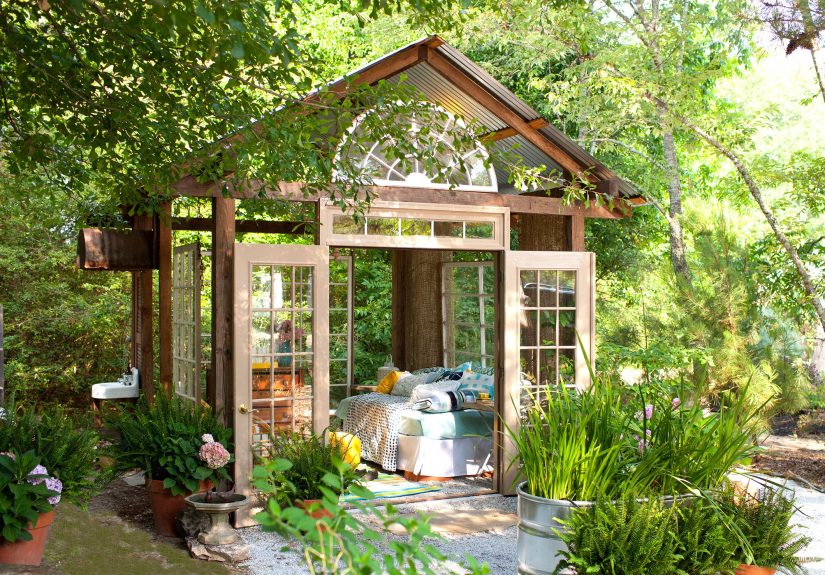
A garden room is basically what happens when your backyard gets promoted from “where the grill lives”
to “where the good life lives.” It’s a separate, purpose-built spaceoften a small detached buildingdesigned
to feel like a real room, not a glorified tool shed that happens to have a chair in it.
Done well, a garden room becomes the quiet home office you actually focus in, the art studio you can leave messy
(and nobody complains), or the cozy hideout where you read one chapter and accidentally read seven. Done poorly,
it becomes an expensive box where Wi-Fi fears to tread. Let’s design the first kind.
What Exactly Is a Garden Room?
In the U.S., “garden room” isn’t always the most common labelpeople also say backyard office,
garden studio, studio shed, backyard studio, or the famous
she shed. But the idea is consistent: a dedicated, enclosed space in or near your garden that’s
built for living (working, creating, exercising, relaxing), not just storing rakes.
Garden room vs. sunroom vs. ADU (quick clarity)
- Sunroom: Typically attached to the house and heavy on glass. It’s about light and views first.
- Garden room: Often detached and more insulatedcloser to “real room” performance for year-round use.
-
ADU (Accessory Dwelling Unit): A separate living unit with features like a kitchen and bathroom,
built for habitation. If your “garden room” starts getting a shower, a range, and an address… you may be in ADU territory.
Why People Build Garden Rooms
The most underrated luxury in modern life is a door you can close. A garden room gives you separation without
requiring a new mortgage or a dramatic “we’re moving to the woods” announcement.
- Work-life boundaries: Your commute becomes a 30-second walkstill enough time to “arrive.”
- Extra usable square footage: Without eating your dining table alive with laptops and cables.
- A hobby zone: Music, painting, yoga, gaming, sewingmess permitted, guilt optional.
- Property enjoyment: You’ll actually use your backyard more than twice a year.
- Flexibility: Office today, teen hangout tomorrow, reading lounge forever.
Before You Design: Rules, Permits, and Real-World Constraints
This is the “boring” part that saves you from expensive plot twists. Garden rooms sit at the intersection of
zoning, building codes, utilities, and sometimes the all-powerful
HOA newsletter. Start here so you don’t build a beautiful room you’re not allowed to use.
Accessory structure vs. conditioned space
Many places treat a simple, unconditioned accessory structure differently than a heated/cooled, wired, finished space.
Translation: a storage shed may be easier to permit (or sometimes exempt at smaller sizes), but a true garden room
with electrical, insulation, and HVACoften triggers permits and inspections.
Setbacks, height limits, and “where can it go?”
Even when a permit isn’t required for a small structure, setbacks and height limits usually still apply.
Cities commonly regulate how close you can build to property lines, how tall the structure can be, and whether it can sit
in front or side yards. These rules vary a lot, so the best design move is calling (or visiting) your local building department
earlybefore you fall in love with the one spot that turns out to be illegal.
Utilities change everything
The moment you add electricity, plumbing, or mechanical systems (like a mini-split), you typically move into “this is a real project”
territory. That’s not badjust plan for it. It impacts cost, timeline, and what construction details you’ll need (trenching, conduit, panel capacity,
ventilation, insulation requirements, and so on).
Choose the Location Like a Designer (Not Like a Squirrel)
Squirrels pick locations based on vibes and acorns. You should pick based on comfort, function, and logisticsplus vibes, sure,
but responsible vibes.
Sun, shade, and orientation
Think about heat gain and glare. A wall of glass facing the hottest afternoon sun can turn your garden room into a slow cooker.
If you want abundant daylight, consider balanced window placement, overhangs, shades, or trees that filter summer sun while allowing winter light.
Privacy and noise
If it’s a work-from-home space, place it where you won’t stare directly into a neighbor’s kitchen (or they won’t stare into yours).
Hedges, trellises, fences, and strategic window placement can give you privacy without making the building feel like a bunker.
Access, drainage, and the “mud factor”
You’ll use this room more if getting there feels pleasant. Plan a path, consider exterior lighting, and avoid low spots where water collects.
A little grading and drainage planning now prevents moisture headaches later.
Size and Layout: Design the Inside Before You Obsess Over Siding
A garden room doesn’t need to be hugeit needs to be intentional. Start by listing what the room must hold and how you’ll use it daily.
Then design around those actions.
Common sizes that work well
- 8×10 or 10×10: Focused office, reading nook, compact studio.
- 10×12 or 12×12: Office + lounge chair, or a small gym/yoga zone.
- 12×16 (and up): Multi-purpose space, meetings, creative work, or entertaining.
Layout trick: design “zones”
Even small spaces feel bigger when you assign zoneswork zone, storage zone, relax zone. A desk along one wall, a slim storage cabinet
on another, and a comfortable chair in a corner can make 120 square feet feel surprisingly complete.
Structure Basics: Foundation, Framing, and Weatherproofing
Great interiors start with boring excellence: a stable base, solid framing, and a weather-tight shell. If you skip this, you’ll spend the next
three years researching “why does my garden room smell like a wet sock?”
Foundation options
- Concrete slab: Durable and solid. Often ideal for finished spaces, especially with flooring on top.
- Piers/posts: Good for sloped sites and airflow, but plan insulation and critter-proofing underneath.
- Skids: Sometimes used for smaller structures, but check local rules and anchoring needsespecially in wind-prone regions.
Air sealing and moisture control
Comfort comes from controlling air and water. Use proper flashing around windows/doors, a weather-resistant barrier, and careful sealing
at penetrations. Insulation works best when air leakage is controlledotherwise you’re basically paying to heat the outdoors.
Year-Round Comfort: Insulation, Heating, and Cooling
The difference between “cute backyard building” and “I can actually use this in August and January” is the building envelope:
insulation, air sealing, and a sensible HVAC plan.
Insulation: pick the right target, not the biggest number
Insulation needs vary by climate zone, and higher R-values aren’t automatically better if moisture control and air sealing are neglected.
Use climate-appropriate assemblies, and remember that framing can create thermal bridgingmeaning heat sneaks through studs and joists
more easily than through insulation. Thoughtful design (including continuous insulation where appropriate) can reduce those losses.
Heating and cooling options
- Ductless mini-split: A common choice for finished backyard studiosefficient heating and cooling in one system.
- Electric resistance heat: Simple (baseboards or wall units), but can cost more to run depending on electricity rates.
- Portable AC/heater: Works for occasional use, but can be noisy and less efficient for daily comfort.
Whatever you choose, size it correctly. Oversized systems can short-cycle, and undersized systems will make you miserable. If you want
quiet comfort for calls or creative work, prioritize low-noise equipment and proper installation.
Electrical, Lighting, and the Great Outlet Shortage
Here’s a universal truth: you will always want more outlets than you think. Plan for the life you have (laptop, monitor, printer, router, espresso machine)
and the life you pretend you have (candle warmer, standing desk, three chargers you can never find).
Electrical planning basics
- Plan outlet locations for desk setups, wall-mounted TVs, mini-fridges, or workout equipment.
- Consider a dedicated circuit and safe underground routing for power (typically via conduit)handled by a licensed pro.
- Use exterior-rated fixtures outdoors and think about security lighting and a smart lock if the room is valuable (or full of snacks).
Lighting layers (the secret to not feeling like you work in a garage)
- Ambient: Overhead lighting for general use.
- Task: Desk lamp or focused lighting where you work or create.
- Accent: Wall sconces, picture lights, or LEDs for warmth and mood.
Windows and Doors: Daylight Without the Greenhouse Effect
Natural light is great until it turns your Zoom call into a silhouette documentary. Place windows for balanced daylight, cross-ventilation, and views.
Use quality glazing and consider shades or exterior awnings if you get harsh sun.
- Operable windows: Ventilation helps comfort and moisture control.
- Glass doors: Great for indoor-outdoor flowespecially if you add a small deck or patio.
- Door quality matters: A solid, well-sealed door improves comfort, security, and sound control.
Interior Design: Make It Feel Like a Room, Not a Repentant Shed
A garden room should feel intentional, not like you dragged a desk into a storage unit and hoped for the best.
The goal: comfortable surfaces, smart storage, and a layout that supports the purpose.
Finishes that hold up
- Walls: Drywall for a classic interior, plywood for a warm studio look, or tongue-and-groove for cabin charm.
- Floors: Durable options like LVP, engineered wood, or sealed concrete (depending on the foundation and moisture plan).
- Ceiling: A lighter ceiling makes small rooms feel taller; consider simple wood slats or drywall with clean trim.
Storage that doesn’t eat your square footage
Go vertical. Floating shelves, tall cabinets, and wall systems keep the floor clear. If you’re building an office, plan a spot for files, tech,
and supplies so your desk can stay “professional” instead of “archaeological dig site.”
Sound and focus
If your garden room is for work, calls, or music, add soft materials (rugs, curtains, upholstered seating) and consider acoustic panels.
Sound control is easier when the room is well-sealed and insulated.
Exterior Design and Landscaping: Make the Backyard Feel Finished
The best garden rooms don’t look “dropped” into the yard. They look like they belong thereeither by matching the house or by intentionally
contrasting it in a way that feels curated (not chaotic).
Two winning approaches
- Blend: Match siding, trim color, or roof style so it feels like part of the property’s architecture.
- Feature: Go modern or cottage-style and let landscaping tie it back to the main house.
Landscaping that elevates the experience
- Path: Gravel, pavers, or stepping stonesmake it easy to use year-round.
- Privacy planting: Tall grasses, shrubs, trellises, and vines can screen views gently.
- Outdoor “threshold”: A small deck, stoop, or seating area makes the room feel like a destination.
- Lighting: Low-voltage path lights or sconces improve safety and ambiance.
Budget and Timeline: What to Expect
Costs vary wildly based on site work, utilities, insulation level, windows/doors, and finishes. The three main paths look like this:
-
Convert an existing shed: Often the lowest-cost route if the structure is sound, but upgrades add up fast (insulation, electrical,
moisture management, windows, interior finishes). - Shed kit + finish it: A middle groundfaster than full custom, still flexible in design.
- Prefab backyard studio / office pod: Streamlined ordering and assembly, usually higher upfront cost but faster and more predictable.
Timeline depends on permitting, contractor availability, and utilities. A simple conversion might be weeks; a fully finished, permitted build can take
longerespecially with trenching, inspections, and specialty windows or HVAC scheduling.
Common Mistakes to Avoid
- Skipping the permit conversation: Don’t treat it like a “later” problem. It’s a “first week” problem.
- Underbuilding the envelope: Insulation without air sealing is like wearing a winter coat with the zipper open.
- Forgetting data/Wi-Fi: Plan for a hardwired run, mesh Wi-Fi, or a dedicated access point.
- Too much glass on one side: Glare, overheating, and furniture fading are not the vibes.
- No storage plan: Clutter expands to fill available surfaces. This is science. (Okay, it’s life.)
- Cheap door seals: Comfort, sound, and bugs all slip through the weak points.
- Ignoring drainage: Water always wins if you invite it in.
Design Ideas for Different Lifestyles
1) The backyard office that actually boosts focus
Prioritize a desk with natural light from the side (not straight in your face), a comfortable chair, acoustic softening, and layered lighting.
Add a small lounge chair so you can switch posture (and pretend you’re “thinking” instead of doomscrolling).
2) The art or craft studio
Go for durable floors, big work surfaces, and storage you can reach while holding a paintbrush. North-facing light (where possible) offers more consistent
daylight. Add a utility sink only if you’re ready to navigate plumbing and code requirements.
3) The yoga / wellness room
Keep it simple: resilient flooring, soft lighting, ventilation, and a calm view. Build in a speaker shelf and a hidden spot for mats and props.
You want “spa,” not “garage gym with a scented candle.”
4) The entertaining garden lounge
Think indoor-outdoor: large doors, a small deck, ambient lighting, and seating that can handle real humans. Add a mini-fridge and coffee station,
but remember: more appliances usually means more electrical planning.
FAQs
Is a garden room the same as a sunroom?
Not usually. Sunrooms are often attached and glass-heavy; garden rooms are often detached and built for year-round comfort with insulation and a tighter envelope.
Do I need a permit?
Maybe. Some areas exempt very small, unconditioned accessory structures from permits, but zoning rules still applyand utilities or conditioned space
often trigger permits. Always check with your local building department and HOA (if applicable).
Can I add a bathroom?
You can, but it’s a bigger leapplumbing, venting, and possibly reclassification of the structure. It may push your project toward ADU-level requirements.
Talk with local code officials and a licensed contractor early.
How do I get internet out there?
Best options: run Ethernet in conduit, use a mesh Wi-Fi system with an outdoor-rated node, or install a dedicated access point. Streaming and video calls
get dramatically better when you plan connectivity like it’s part of the build (because it is).
Conclusion
A garden room is more than a cute backyard buildingit’s a way to reclaim space, focus, and joy without changing your address.
The winning formula is simple: clarify the purpose, confirm local rules, choose a smart location, build a tight and comfortable envelope,
and design the interior around how you’ll actually live in it. Do that, and your backyard stops being “outside” and starts being part of your home.
Real-World Experiences: Lessons From Designing and Living With a Garden Room
If you ask homeowners what surprised them most about building a garden room, you’ll hear a theme: the structure is the easy partdaily use is the real design test.
People rarely regret building the room; they regret the small decisions that make the room less enjoyable once the novelty wears off.
One common story goes like this: someone builds a gorgeous backyard office with clean lines, a big glass door, and a desk facing the yard… and then realizes
they placed the room exactly where afternoon sun turns the interior into a heat lamp. The fix usually isn’t “tear it down and start over.” It’s adding shades,
planting a small tree, or rethinking the desk placement. The lesson: orientation isn’t theoretical. Sit in the proposed location at different times
of day and imagine doing your real work thereespecially in the hottest and coldest months.
Another frequent regret is connectivity. People assume Wi-Fi will “just work” because it works inside the house. But exterior walls, distance, and competing devices
can make the garden room the place where video calls freeze at the exact moment you start sounding smart. Homeowners who planned ahead tend to run Ethernet or install
mesh nodes earlyoften before insulation and drywall go up. The lesson: treat data like electricity. If it matters, build it in.
Moisture is the quiet villain in many garden-room tales. A space can look perfect on day one and develop musty smells by month six if water management is an afterthought.
People who succeed long-term usually do three things: they keep the building slightly elevated or well-drained, they air-seal carefully, and they allow the assembly to
dry appropriately for the climate (instead of trapping moisture behind the wrong layer). You don’t need to become a building-science influencerjust respect water,
because water never gets tired.
Storage is another “I’ll figure it out later” issue that becomes very real once the room is in daily use. Garden rooms often start minimalist, then slowly collect
chargers, notebooks, paint supplies, exercise gear, extra chairs, and that one box you swear is temporary. Homeowners who love their spaces long-term usually built in
at least one vertical storage zone: tall cabinetry, floating shelves, a pegboard wall, or a bench with hidden storage. The lesson: tiny rooms stay delightful when the
floor stays clear.
Finally, there’s the emotional experiencewhat the room does for your routine. People who work from home often describe a garden room as a “mental reset.”
The walk out and back becomes a tiny commute that separates roles. Some add a ritual: coffee on the step before starting, a short stretch after lunch, or a quick tidy
at the end of the day so tomorrow starts fresh. The lesson: the best garden rooms aren’t just well-builtthey’re well-used, designed around habits,
not just furniture.