Table of Contents >> Show >> Hide
- What Is Altruism?
- Altruism vs. Kindness vs. Empathy
- Why Does Altruistic Behavior Matter?
- Common Examples of Altruism in Everyday Life
- Types of Altruistic Behavior
- What Motivates Altruism?
- Can Altruism Have Downsides?
- How to Practice Altruism in Daily Life
- Real-Life Experience: What Altruism Looks Like When Nobody Is Keeping Score
- Conclusion
Altruism is one of those words that sounds like it belongs in a philosophy textbook wearing tiny reading glasses. But in real life, it shows up everywhere: the neighbor who shovels snow from someone else’s driveway, the friend who listens without checking their phone, the stranger who returns a lost wallet, and the person who donates time, money, or energy simply because someone else needs help.
At its core, altruism means acting for the benefit of others, often at some cost to yourself. That cost does not always have to be dramatic. It may be time, convenience, comfort, money, emotional energy, or even the last slice of pizza. Yes, sharing pizza counts. Civilization depends on it.
Psychologists, philosophers, biologists, and social scientists have studied altruistic behavior for decades because it raises a fascinating question: Why do people help others when they do not have to? The answer is not just “because humans are nice,” although that would make a lovely bumper sticker. Altruism can come from empathy, moral values, social connection, learned behavior, family bonds, evolutionary instincts, or a personal sense of purpose.
What Is Altruism?
Altruism is behavior motivated by concern for another person’s welfare. A person acts altruistically when they help someone else because they care about that person’s needs, not because they are chasing applause, payment, or a shiny trophy labeled “World’s Best Human.”
In psychology, altruism is often discussed as a type of prosocial behavior. Prosocial behavior includes actions that help other people or society, such as comforting, sharing, volunteering, donating, mentoring, rescuing, or cooperating. Altruism is a more specific idea because it focuses on helping even when there is a personal cost or no obvious reward.
For example, giving directions to a tourist is helpful. Staying late after work to help a overwhelmed coworker finish an urgent task may be altruistic because you are giving up your own time. Donating blood, volunteering at a food pantry, checking on an elderly neighbor, or defending someone who is being treated unfairly can also be examples of altruistic behavior.
Altruism vs. Kindness vs. Empathy
Altruism, kindness, and empathy are closely related, but they are not exactly the same thing.
Empathy
Empathy is the ability to understand or feel what another person is experiencing. It is the emotional radar that says, “That person is struggling. I can imagine how that feels.” Empathy often motivates altruism, but empathy alone is not action. You can feel bad for someone and still remain glued to the couch like a decorative throw pillow.
Kindness
Kindness is friendly, generous, or considerate behavior. Holding the elevator, giving a compliment, or smiling at a cashier may be kind. Kindness can be altruistic, but not every kind act requires sacrifice.
Altruism
Altruism is helping with the welfare of another person in mind, especially when it costs you something. It may be emotional, physical, financial, or social effort. In simple terms: empathy feels, kindness warms, and altruism does.
Why Does Altruistic Behavior Matter?
Altruism helps hold communities together. Without it, daily life would feel like a shopping cart with one wobbly wheel: technically moving, but unpleasant for everyone involved. Altruistic behavior encourages trust, cooperation, safety, and belonging. It reminds people that they are not alone.
Research on helping behavior and volunteering also suggests that giving to others can benefit the helper. People who volunteer often report greater purpose, stronger social connection, and better emotional well-being. This does not make altruism selfish. It simply means that human beings are wired for connection. Helping someone else can be good for both sides of the exchange.
Think of altruism as social glue. It keeps families, neighborhoods, workplaces, schools, and communities from falling into a pile of “not my problem.” When people choose to help, society becomes more resilient.
Common Examples of Altruism in Everyday Life
Altruism does not always look like a movie scene with dramatic music and slow-motion heroics. Most altruistic behavior is quieter, smaller, and easier to miss.
1. Volunteering Your Time
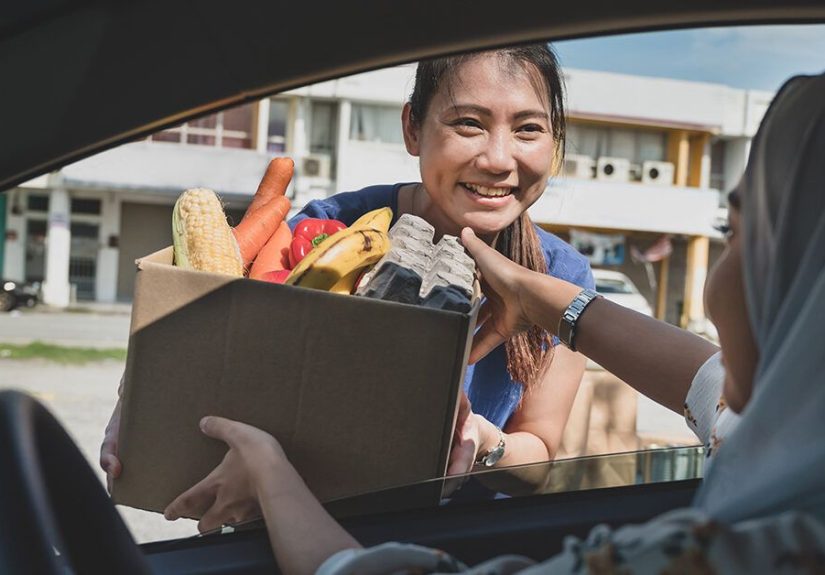
Volunteering at a shelter, library, hospital, school, animal rescue, or community cleanup is a classic example of altruism. You give time and energy to improve someone else’s life or support a cause. You may feel good afterward, but the main purpose is service.
2. Helping a Stranger
Assisting someone whose car has broken down, returning a lost phone, helping a parent carry a stroller up stairs, or paying for a stranger’s meal are everyday examples of altruistic behavior. These acts are powerful because they happen outside close relationships.
3. Supporting Friends and Family
Altruism often begins close to home. Sitting with a friend through a hard season, helping a sibling study, taking care of a sick family member, or cooking for someone after surgery all involve giving your time and attention for another person’s well-being.
4. Donating Money or Resources
Charitable giving, food donations, school supply drives, clothing donations, and community fundraising are practical forms of altruism. The key is intention: the act is aimed at helping others, not merely cleaning out a closet and pretending those neon sneakers were a noble sacrifice.
5. Standing Up for Others
Altruism can also be social and moral. Speaking up when someone is bullied, excluded, or treated unfairly may involve personal risk. You might face criticism, awkwardness, or conflict, but you act because another person’s dignity matters.
Types of Altruistic Behavior
Altruism is not one single behavior. It has several forms, and each type explains a different pattern of helping.
1. Kin Altruism
Kin altruism refers to helping relatives or close family members. From an evolutionary perspective, organisms often protect those who share their genes. In everyday human life, this looks like parents caring for children, siblings protecting each other, or relatives offering money, housing, transportation, or emotional support during a crisis.
Kin altruism can be deeply loving, but it can also be automatic. A parent waking up five times in one night to care for a sick child is not usually running a cost-benefit spreadsheet. They simply respond because love has already thrown the spreadsheet out the window.
2. Reciprocal Altruism
Reciprocal altruism happens when people help others with the understanding that help may eventually come back, even if not immediately. This does not mean the behavior is fake. It reflects the way communities work. People support one another over time.
For example, you help a neighbor move a couch, and months later that neighbor watches your dog while you travel. Nobody signs a legal contract next to the couch. The relationship is built on trust, memory, and mutual care.
3. Empathy-Based Altruism
Empathy-based altruism occurs when concern for another person’s suffering motivates action. You see someone upset, imagine how painful it must feel, and decide to help. This type of altruism is common in caregiving, friendship, counseling, emergency response, and everyday emotional support.
A student who notices a classmate sitting alone and invites them to join a group project may be acting from empathy. A coworker who quietly checks in after noticing someone seems unusually withdrawn may be doing the same.
4. Moral Altruism
Moral altruism is guided by values, principles, or beliefs about what is right. A person may donate to disaster relief, support human rights, protect animals, or defend fairness because they believe it is ethically important.
This type of altruism can be especially strong because it is tied to identity. People often act courageously when they feel a moral responsibility to help, even when the people receiving help are strangers.
5. Effective Altruism
Effective altruism is a modern approach that uses evidence and reasoning to figure out how to do the most good with available resources. Instead of only asking, “What cause feels meaningful to me?” effective altruism also asks, “Where can my time, money, or effort create the greatest positive impact?”
For example, someone might compare charities based on measurable outcomes, cost-effectiveness, and the scale of the problem. This approach can be useful, especially when people want their generosity to travel as far as possible. However, it works best when paired with humility, because human needs are complex and not every meaningful outcome fits neatly into a spreadsheet.
6. Heroic Altruism
Heroic altruism involves helping others at significant personal risk. This includes rescuing someone from danger, protecting others during an emergency, or taking a stand when silence would be safer. Heroic altruism is rare, but it captures public attention because it reveals the extraordinary side of human courage.
Not everyone will face a dramatic rescue situation, and that is perfectly fine. The world also needs people who bring soup, mentor kids, donate blood, answer crisis calls, and remember birthdays. Heroism has many outfits; some wear capes, some wear sensible shoes.
What Motivates Altruism?
Altruistic behavior usually has more than one cause. Human motivation is not a vending machine where you press B7 and receive one simple answer. People help for emotional, social, biological, and moral reasons.
Empathy and Compassion
Empathy allows people to notice suffering. Compassion adds the desire to reduce it. Together, they are powerful motivators for helping behavior. When people feel emotionally connected to someone else’s pain, they are often more likely to act.
Social Learning
People learn altruism by watching others. Children who see adults sharing, volunteering, apologizing, and caring are more likely to view helping as normal. In families, schools, workplaces, and communities, altruism can spread through example.
Personal Values
Some people help because generosity is part of their moral code. They may value fairness, compassion, service, faith, community, or justice. When altruism is tied to values, it becomes more consistent, not just a mood-based activity.
Connection and Belonging
Helping others can strengthen relationships and create a sense of belonging. This is not a flaw in altruism. Humans are social creatures. Cooperation helped our ancestors survive, and it still helps modern humans survive group projects, family dinners, and neighborhood meetings.
Can Altruism Have Downsides?
Altruism is admirable, but it needs boundaries. Helping others should not require destroying your own health, safety, finances, or emotional stability. When people give constantly without rest, they may experience burnout, resentment, compassion fatigue, or poor decision-making.
Healthy altruism includes wisdom. It asks, “How can I help in a way that is useful and sustainable?” Sometimes the most altruistic choice is not doing everything yourself. It may be connecting someone to professional support, setting a boundary, organizing a group effort, or choosing a form of service you can maintain.
Altruism is not the same as people-pleasing. People-pleasing often comes from fear of rejection or conflict. Altruism comes from genuine concern. The difference matters. One drains your battery until the screen goes black; the other can give meaning while still respecting your limits.
How to Practice Altruism in Daily Life
You do not need to become a full-time saint with a calendar made entirely of charity events. Small, consistent actions matter. Altruism grows through practice.
Start Small
Send a supportive message. Let someone merge in traffic. Help a classmate, coworker, or neighbor. Share useful information. Give someone your full attention. Small acts can change the emotional temperature of a room.
Choose Causes That Fit Your Strengths
If you are organized, help coordinate a donation drive. If you are patient, tutor or mentor. If you are good with animals, volunteer at a rescue. If you are handy, help repair something. Altruism works best when your abilities meet a real need.
Give Without Performing
There is nothing wrong with encouraging others by sharing good causes online, but altruism should not become a personal branding campaign. Quiet generosity still counts, even when nobody posts about it.
Build Boundaries Into Giving
Decide how much time, money, or energy you can realistically offer. Sustainable altruism is better than dramatic overgiving followed by total exhaustion. You are a person, not a rechargeable public service announcement.
Real-Life Experience: What Altruism Looks Like When Nobody Is Keeping Score
One of the most meaningful things about altruism is that it often happens in ordinary moments. It is not always a grand donation, a headline-worthy rescue, or a life-changing speech. Sometimes it is a person noticing another person and deciding not to look away.
Imagine a busy grocery store on a rainy evening. Everyone wants to get home. Carts are squeaking, kids are negotiating for cereal like tiny lawyers, and the checkout line looks long enough to have its own zip code. An older customer drops a bag, and apples roll across the floor. For a second, everyone sees it. Then one person steps out of line, gathers the apples, checks whether the customer is okay, and helps carry the groceries to the car. That helper loses a few minutes. They gain no money. No marching band appears. But the moment matters.
That is the texture of everyday altruism. It interrupts self-focus. It says, “Your problem is not invisible to me.” In a culture that often rewards speed, productivity, and personal achievement, altruism slows down long enough to notice need.
Another common experience happens in families. A teenager helps a younger sibling with homework even though they would rather play a game. A parent skips rest to sit beside a sick child. An adult child rearranges a schedule to drive a parent to an appointment. These actions may look routine, but they are built from sacrifice. The helper gives time, patience, and emotional energy because someone else’s well-being matters.
Workplaces also reveal altruism in surprisingly practical ways. A coworker shares credit on a project. A manager protects an employee from unfair blame. A teammate explains a process slowly instead of making someone feel foolish. None of these actions require dramatic sacrifice, but they create a culture where people feel safe and supported. Altruism at work is not just “being nice.” It can improve trust, reduce stress, and make collaboration less like a group survival exercise.
In schools, altruism often shows up when students include someone who feels left out. Inviting a new student to sit at lunch, defending a classmate from teasing, or helping someone understand a difficult assignment can have a lasting emotional impact. The person helping may not realize how much the gesture means. To the person receiving help, it may become the moment they remember as proof that they belonged.
There is also the experience of receiving altruism, which can be humbling. Many people are comfortable being helpers but awkward about needing help. Yet receiving kindness teaches an important lesson: altruism is relational. Everyone will need support at some point. Accepting help with gratitude allows others to practice generosity, and it reminds us that independence is useful, but connection is essential.
Personal experiences with altruism often reveal a surprising truth: helping others can expand your sense of self. When you volunteer, comfort, donate, mentor, or protect, you become part of something larger than your own schedule and worries. You see problems more clearly, but you also see human goodness more clearly. The world may still be messy, but altruism proves that people are not only capable of selfishness, conflict, and forgetting to return shopping carts. They are also capable of compassion, courage, and quiet service.
The best altruistic experiences are not about becoming perfect. They are about becoming available. Available to listen. Available to notice. Available to do one useful thing when doing nothing would be easier. That is where altruism becomes more than a concept. It becomes a habit, and eventually, a way of moving through the world.
Conclusion
Altruism is the practice of helping others because their well-being matters. It can be emotional, practical, moral, heroic, planned, spontaneous, quiet, or bold. From volunteering and donating to comforting a friend or standing up for someone being mistreated, altruistic behavior helps build trust and connection in everyday life.
The most important thing to remember is that altruism does not require perfection. You do not need unlimited time, endless money, or a personality that sparkles like a motivational poster. You simply need the willingness to notice another person’s need and respond in a helpful way. When practiced with healthy boundaries, altruism benefits individuals, relationships, and entire communities.
In a world that can feel noisy, rushed, and occasionally allergic to patience, altruism is a reminder that people still matter to one another. One helpful action may not fix everything, but it can make one moment better. Sometimes, that is where the real change begins.