Table of Contents >> Show >> Hide
- What Is Kohlrabi?
- What Does Kohlrabi Taste Like?
- Kohlrabi Nutrition Facts
- Health Benefits of Kohlrabi
- Kohlrabi Leaves: Can You Eat Them?
- How to Choose Kohlrabi at the Store or Farmers Market
- How to Store Kohlrabi
- How to Prepare Kohlrabi
- Best Ways to Eat Kohlrabi
- Simple Kohlrabi Recipe Ideas
- Who Should Be Careful With Kohlrabi?
- Kohlrabi vs. Turnip: What Is the Difference?
- Practical Experience: What It Is Like to Cook and Eat Kohlrabi Regularly
- Conclusion
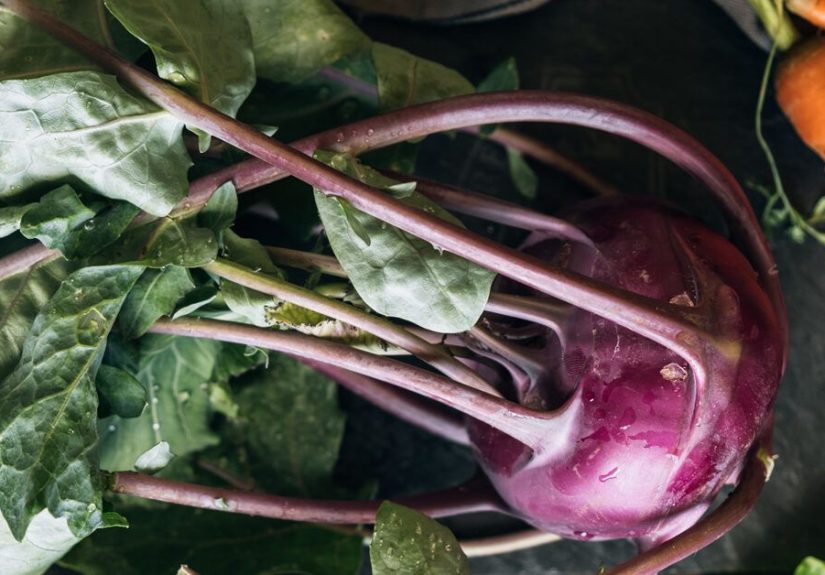
Some vegetables arrive at the market looking familiar. Carrots wave hello. Tomatoes practically pose for the camera. Then there is kohlrabi, sitting in the produce aisle like a small green or purple spaceship with leafy antennas. If you have ever picked one up and thought, “Am I supposed to eat this or report it to NASA?” you are not alone.
Kohlrabi is one of those underrated vegetables that deserves far more attention than it gets. It is crisp, mildly sweet, slightly peppery, low in calories, rich in vitamin C, and surprisingly easy to use once you know what to do with it. Raw, it crunches like an apple crossed with a broccoli stem. Cooked, it becomes tender, mellow, and comforting without losing its personality.
In this guide, we will break down what kohlrabi is, its nutrition facts, its potential health benefits, how to choose and store it, and the best ways to cook with it. By the end, kohlrabi may go from “mystery bulb” to “why haven’t I been buying this every week?”
What Is Kohlrabi?
Kohlrabi is a cruciferous vegetable in the same plant family as cabbage, broccoli, cauliflower, kale, Brussels sprouts, and collard greens. Its name comes from German words meaning “cabbage turnip,” which is a pretty accurate description of its appearance. It has a round, swollen stem that looks a bit like a turnip, with long leafy stems growing from the sides and top.
Despite the nickname “German turnip,” kohlrabi is not actually a turnip. The edible bulb-like part is technically an enlarged stem, not a root. Both the bulb and leaves are edible, which makes kohlrabi a practical zero-waste vegetable if you are willing to use the greens.
Kohlrabi comes in pale green and purple varieties. The color is mostly on the skin; the inside is usually white or creamy. Green kohlrabi tends to look mild and friendly, while purple kohlrabi looks like it has a dramatic backstory. Flavor-wise, both are similar: crisp, juicy, lightly sweet, and faintly peppery.
What Does Kohlrabi Taste Like?
Kohlrabi tastes like the tender inner part of a broccoli stem, but sweeter, juicier, and less cabbage-like. Raw kohlrabi has a clean crunch that works beautifully in salads, slaws, snack plates, and quick pickles. Cooked kohlrabi becomes softer and more delicate, with a flavor somewhere between cabbage, turnip, and mild broccoli.
If you dislike strong, sulfur-like cabbage flavors, do not panic. Young, fresh kohlrabi is usually mild. The trick is to choose smaller bulbs and peel away the tough outer layer. Large, overgrown kohlrabi can become woody, fibrous, and less pleasant to eat. In vegetable terms, bigger is not always better; sometimes it is just more chewing homework.
Kohlrabi Nutrition Facts
Kohlrabi is nutrient-dense, meaning it provides useful vitamins, minerals, and fiber for relatively few calories. A typical cup of raw kohlrabi, about 135 grams, contains roughly 36 calories, 8 grams of carbohydrates, 5 grams of fiber, 2 grams of protein, and almost no fat. It is especially known for vitamin C, potassium, vitamin B6, magnesium, manganese, and folate.
Approximate Nutrition Per 1 Cup Raw Kohlrabi
| Nutrient | Approximate Amount | Why It Matters |
|---|---|---|
| Calories | 36 | Low-calorie option for meals and snacks |
| Carbohydrates | 8 grams | Provides natural energy |
| Fiber | 5 grams | Supports digestion and fullness |
| Protein | 2 grams | Small plant-based contribution |
| Vitamin C | About 80–85 milligrams | Supports immune function, skin health, and iron absorption |
| Potassium | About 470 milligrams | Supports fluid balance, muscles, and heart health |
| Magnesium | About 25–30 milligrams | Supports nerve, muscle, and metabolic function |
Exact nutrition values can vary depending on size, variety, freshness, soil, and preparation method. Still, kohlrabi consistently stands out as a low-calorie vegetable with a strong vitamin C and fiber profile.
Health Benefits of Kohlrabi
1. Supports Immune Health
Kohlrabi is an excellent source of vitamin C, a nutrient involved in immune defense, skin repair, collagen production, and antioxidant protection. One cup of raw kohlrabi can provide a large portion of the daily vitamin C many adults need. That makes it a smart choice during cold season, salad season, or “I forgot vegetables existed this week” season.
2. Helps Digestion With Fiber
Fiber is one of kohlrabi’s biggest nutritional strengths. A cup of raw kohlrabi provides about 5 grams of fiber, which is impressive for a vegetable that feels so light and crisp. Fiber helps support regular bowel movements, feeds beneficial gut bacteria, and contributes to a feeling of fullness after meals.
For people trying to eat more fiber, kohlrabi is a useful addition because it can be eaten raw or cooked. Add it to lunch bowls, grate it into slaw, roast it with dinner, or slice it into sticks for dipping. Your digestive system appreciates variety, and kohlrabi brings crunch without making a big fuss.
3. May Support Heart Health
Kohlrabi contains potassium, a mineral that helps regulate fluid balance and supports normal muscle and nerve function. Potassium-rich foods are often part of heart-conscious eating patterns, especially when they replace highly processed, high-sodium foods.
Kohlrabi’s fiber may also support cardiovascular wellness by helping with fullness and contributing to a balanced diet. Of course, no single vegetable can do the job alone. Kohlrabi is best viewed as one helpful player on a larger heart-healthy team that includes fruits, vegetables, whole grains, legumes, nuts, seeds, lean proteins, and regular movement.
4. Provides Antioxidants and Plant Compounds
Like other cruciferous vegetables, kohlrabi contains natural plant compounds, including glucosinolates and antioxidants. These compounds are one reason cruciferous vegetables are often studied for their role in long-term health. Vitamin C also acts as an antioxidant, helping protect cells from oxidative stress.
Purple kohlrabi may contain anthocyanins, the pigments that give many purple and blue fruits and vegetables their color. While color alone does not make a food magical, eating a colorful variety of plant foods is a practical way to get a broader range of nutrients and phytochemicals.
5. Fits Weight-Friendly Meals
Kohlrabi is low in calories but high in crunch and volume. This combination is useful for meals that feel satisfying without becoming heavy. Raw kohlrabi sticks with hummus, roasted kohlrabi wedges, or a shredded kohlrabi slaw can add texture and freshness to a plate.
It is not a “weight loss miracle food,” because those do not exist outside of suspicious internet ads and possibly fairy tales. But it can help build balanced meals that are filling, nutrient-rich, and enjoyable.
6. Supports Healthy Skin
Vitamin C plays a key role in collagen formation, which matters for skin structure and wound healing. Eating kohlrabi will not replace sunscreen, sleep, hydration, or a good moisturizer, but it can contribute nutrients your body uses to maintain healthy tissues.
Kohlrabi Leaves: Can You Eat Them?
Yes, kohlrabi leaves are edible. In fact, throwing them away is like buying a two-for-one vegetable and refusing the second item. The leaves can be cooked like kale, collard greens, beet greens, or turnip greens. They are usually tougher than spinach, so they work best sautéed, braised, added to soups, or chopped into stir-fries.
To use kohlrabi greens, remove them from the bulb, wash thoroughly, trim any tough stems, and cook until tender. A simple sauté with olive oil, garlic, lemon juice, salt, and black pepper is enough to make them delicious. If the leaves are young and tender, they can also be finely sliced and added to salads.
How to Choose Kohlrabi at the Store or Farmers Market
Look for kohlrabi bulbs that are firm, heavy for their size, and free from cracks, soft spots, or mold. Smaller bulbs, roughly tennis-ball size, are usually sweeter and more tender. Very large bulbs can be woody inside, especially if they were harvested late.
If the leaves are attached, they should look fresh and green, not limp, yellow, or slimy. Fresh leaves are a good sign that the kohlrabi has not been sitting around too long. However, kohlrabi without leaves can still be good, especially in grocery stores where the greens are removed to extend shelf life.
How to Store Kohlrabi
If your kohlrabi comes with leaves attached, remove the leaves before storing. The greens pull moisture from the bulb, which can make it soften faster. Store the leaves separately in a loose plastic bag or wrapped in a damp paper towel, then use them within a few days.
The bulb can be stored in the refrigerator crisper drawer for about one to two weeks. Keep it dry, unpeeled, and loosely wrapped. For best flavor and texture, use it while it is still firm and crisp.
How to Prepare Kohlrabi
Preparing kohlrabi is easier than it looks. First, trim off the stems and leaves. Wash the bulb well. Then use a sharp vegetable peeler or knife to remove the tough outer skin. The peel can be fibrous, especially near the base, so do not be shy. Peel until you reach the pale, crisp interior.
Once peeled, kohlrabi can be sliced, diced, grated, spiralized, roasted, steamed, sautéed, mashed, or added to soups. It is flexible enough to play many kitchen roles, from crunchy salad ingredient to cozy roasted side dish.
Best Ways to Eat Kohlrabi
Raw Kohlrabi
Raw kohlrabi is crisp, refreshing, and perfect for quick meals. Slice it into sticks and serve it with hummus, yogurt dip, ranch, guacamole, or peanut sauce. Shred it into slaws with cabbage, carrots, apples, and a tangy vinaigrette. Thinly slice it for sandwiches, tacos, or grain bowls when you want crunch without using lettuce again for the 900th time.
Roasted Kohlrabi
Roasting brings out kohlrabi’s sweetness. Cut peeled kohlrabi into wedges or cubes, toss with olive oil, salt, pepper, and garlic powder, then roast at 400°F to 425°F until tender and browned at the edges. Finish with lemon juice, Parmesan, herbs, or a spoonful of pesto.
Sautéed Kohlrabi
Dice or slice kohlrabi and sauté it with olive oil or butter until crisp-tender. Add garlic, onions, herbs, chili flakes, or a splash of vinegar. Sautéed kohlrabi works well beside chicken, fish, tofu, eggs, or beans.
Kohlrabi in Soups and Stews
Kohlrabi can be added to soups much like turnips, potatoes, or carrots. It softens as it cooks but keeps a pleasant mild flavor. Try it in vegetable soup, chicken soup, lentil stew, or creamy blended soups.
Kohlrabi Slaw
For a bright kohlrabi slaw, grate peeled kohlrabi with carrots and apple. Toss with lemon juice, olive oil, Dijon mustard, a little honey, salt, pepper, and chopped parsley. It is crunchy, colorful, and excellent with grilled meats, fish tacos, sandwiches, or veggie burgers.
Kohlrabi Fries
Cut kohlrabi into fry-shaped sticks, toss with oil and seasoning, then bake until browned. They will not taste exactly like potato fries, because vegetables do not enjoy identity theft, but they are tasty, lighter, and great with a creamy dipping sauce.
Simple Kohlrabi Recipe Ideas
Crunchy Kohlrabi Apple Salad
Peel and grate one medium kohlrabi. Add one grated apple, one shredded carrot, lemon juice, olive oil, salt, pepper, and toasted sunflower seeds. This salad is bright, crisp, and perfect for lunch boxes or picnic plates.
Garlic Roasted Kohlrabi
Peel two kohlrabi bulbs and cut them into cubes. Toss with olive oil, minced garlic, salt, pepper, and smoked paprika. Roast at 425°F until golden and tender. Sprinkle with parsley and Parmesan before serving.
Creamy Kohlrabi Mash
Boil peeled kohlrabi cubes with a potato until tender. Drain, then mash with butter, Greek yogurt, salt, pepper, and roasted garlic. The potato adds softness, while kohlrabi keeps the mash light and slightly sweet.
Who Should Be Careful With Kohlrabi?
Kohlrabi is safe and healthy for most people as part of a balanced diet. However, anyone who is suddenly increasing fiber intake should do so gradually to reduce gas or bloating. Start with small portions and drink enough water.
People who take medications or follow medical diets that require careful potassium management, such as some kidney-related diets, should ask a healthcare professional how kohlrabi fits into their plan. Those with thyroid concerns do not usually need to avoid cruciferous vegetables entirely, but extremely high intakes of raw cruciferous vegetables may not be appropriate for everyone. Cooking can make these vegetables easier to tolerate.
Kohlrabi vs. Turnip: What Is the Difference?
Kohlrabi and turnips look similar, but they are different vegetables. Kohlrabi is a swollen stem from the cabbage family, while turnips are root vegetables. Kohlrabi is usually sweeter, crunchier, and milder when raw. Turnips can have a sharper flavor, especially larger ones.
In recipes, they can sometimes substitute for each other, especially when cooked. But if you want a crisp raw salad ingredient, kohlrabi often wins. If you want a classic root vegetable for roasting or mashing, turnips are also excellent. There is room in the kitchen for both; vegetables do not need a rivalry arc.
Practical Experience: What It Is Like to Cook and Eat Kohlrabi Regularly
The first experience many people have with kohlrabi is confusion. It does not look like the usual vegetable suspects, and the stems sticking out from the bulb can make it seem complicated. But once you trim, peel, and slice it, kohlrabi becomes surprisingly friendly. The inside is clean, pale, crisp, and easy to work with.
One of the best beginner experiences is eating kohlrabi raw. Cut it into thin sticks and taste it before adding anything. The crunch is the first thing you notice. It is juicy like an apple, but not sugary. It has the mild green flavor of broccoli stem, but without the bitterness some people dislike. Add a pinch of salt and a squeeze of lemon, and suddenly it becomes a snack you can eat while standing at the counter pretending you are “meal prepping.”
Kohlrabi also performs well in real-life weeknight cooking. Suppose you have chicken in the oven, rice on the stove, and exactly twelve minutes of patience left. Peel and cube kohlrabi, toss it in a skillet with olive oil, garlic, and a splash of water, cover it for a few minutes, then uncover and let it brown. Add black pepper and lemon juice at the end. The result is simple, fresh, and not boring. It tastes like you put in more effort than you did, which is one of the highest compliments a vegetable can earn.
Roasting kohlrabi is another practical win. It does not become as fluffy as potatoes, but it develops golden edges and a mellow sweetness. Pair it with carrots, onions, parsnips, or sweet potatoes for a mixed vegetable tray. The secret is not crowding the pan. If the pieces are piled on top of each other, they steam instead of roast. Give them space, and they reward you with better texture.
For salads, kohlrabi is especially useful because it stays crisp after dressing. Lettuce wilts if you look at it too emotionally, but shredded kohlrabi can hold up for hours. That makes it excellent for make-ahead slaws, lunch bowls, and potluck dishes. Combine it with apple for sweetness, cabbage for volume, herbs for freshness, and toasted nuts or seeds for richness.
Another useful lesson: do not ignore the leaves. They may look like an afterthought, but they cook down into flavorful greens. If the leaves are fresh, chop them and sauté with garlic and olive oil. Add a splash of vinegar or lemon juice at the end. They are slightly earthy, pleasantly hearty, and a good reminder that kohlrabi is more than just a funny-looking bulb.
The biggest mistake beginners make is under-peeling. Kohlrabi’s outer layer can be tough, and a standard light peel may not be enough. If your first bite seems stringy, the vegetable probably needed a deeper peel. Use a sharp knife to remove the thick skin, especially near the bottom. Once peeled properly, the texture should be crisp and smooth.
Kohlrabi is also a helpful bridge vegetable for picky eaters. It is less intense than many cruciferous vegetables, and its raw crunch makes it feel familiar. Serve it with dips, add it to tacos, or mix it into coleslaw instead of presenting it as a mysterious health assignment. Food is more fun when it does not arrive with a lecture.
Overall, cooking with kohlrabi feels like discovering a quiet kitchen multitasker. It can be a snack, salad ingredient, roasted side, soup addition, or leafy green. It is nutritious without being fussy and unusual without being difficult. Once you get past its alien-vegetable appearance, kohlrabi becomes one of the most practical and enjoyable cruciferous vegetables you can bring home.
Conclusion
Kohlrabi is a crisp, mild, nutrient-rich cruciferous vegetable that deserves a regular spot in the kitchen. It offers vitamin C, fiber, potassium, antioxidants, and plenty of culinary flexibility. You can eat it raw in slaws and snack plates, roast it until sweet and tender, sauté it with garlic, add it to soups, or cook the leaves like hearty greens.
If you are new to kohlrabi, start small: choose firm, tennis-ball-sized bulbs, peel them well, and try them raw with lemon and salt or roasted with olive oil and garlic. It may look unusual, but kohlrabi is easy to love once you know its strengths. In a world full of predictable vegetables, this little cabbage-turnip spaceship brings crunch, nutrition, and just enough weirdness to keep dinner interesting.
Note: This article is for general educational purposes and should not replace personalized medical or nutrition advice from a qualified healthcare professional.