Table of Contents >> Show >> Hide
- What Is Linen Fabric?
- What Is Cotton Fabric?
- Linen vs. Cotton: What’s the Real Difference?
- Linen vs. Cotton for Clothing
- Linen vs. Cotton for Bedding
- How to Shop Smarter (and Avoid Fabric Marketing Confusion)
- Care Tips: Linen vs. Cotton
- So, Which Is Better: Linen or Cotton?
- Everyday Experiences With Linen and Cotton (Extended 500+ Word Section)
- Conclusion
If you’ve ever stood in a store holding a crisp linen shirt in one hand and a soft cotton tee in the other, wondering which one deserves your money, welcome to the club. Linen and cotton are both natural fibers, both popular, and both capable of making your closet and home feel a lot more comfortable. But they are not the same. One is the breezy, wrinkle-loving overachiever that looks expensive even when it’s a little rumpled. The other is the easygoing crowd favorite that shows up for just about everythingfrom T-shirts to towels to sheets.
In this guide, we’ll break down what linen fabric is, how it compares with cotton, and which one makes more sense for clothing, bedding, and everyday use. We’ll also cover texture, breathability, durability, care tips, cost, and how to shop smarter (without falling for marketing buzzwords or thread-count drama).
What Is Linen Fabric?
Linen is a natural fabric made from the fibers of the flax plant. More specifically, the useful fibers come from the stem of the flax plantnot the seed. That makes linen a bast fiber, while cotton comes from soft fibers surrounding the cotton plant’s seeds. This difference in where the fibers come from is a big reason linen and cotton feel and perform differently.
How Linen Is Made
Linen production is more labor-intensive than cotton production, which helps explain why linen usually costs more. After flax is harvested, the stems go through a process called retting, which helps separate the fibers from the woody core. Then the fibers are dried, combed, spun into yarn, and woven into fabric. In plain English: linen takes more steps and more patience before it becomes your favorite summer button-down.
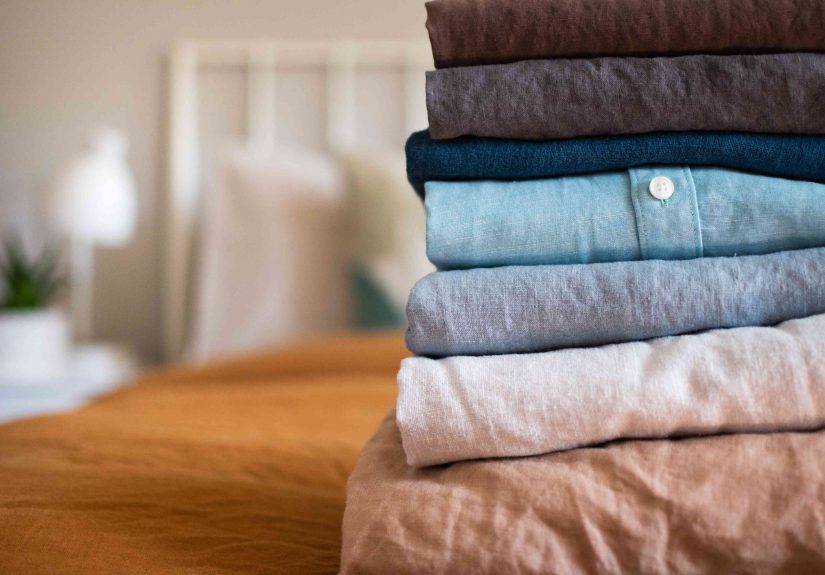
Linen fibers are generally longer and stronger than cotton fibers, which contributes to linen’s reputation for durability. It also gives linen that signature texture: slightly crisp, a little slubby, and naturally elegant even when it looks like it just got out of a tote bag.
Key Characteristics of Linen
- Breathable: Linen allows airflow and feels cool in warm weather.
- Moisture-wicking: It can absorb moisture and dry relatively quickly.
- Durable: Linen is often described as stronger than cotton and long-lasting with proper care.
- Wrinkle-prone: Linen has lower elasticity, so creases happen fast (and often).
- Softens over time: New linen can feel crisp or slightly rough, but repeated washing usually improves softness.
In other words, linen is the “I woke up like this” fabric of the textile world. A little wrinkled? Yes. Still stylish? Also yes.
What Is Cotton Fabric?
Cotton is also a natural fiber, but it comes from the fluffy fibers around the seeds of the cotton plant (the cotton bolls). Cotton is one of the most widely used textile fibers in the world, and for good reason: it’s soft, versatile, breathable, and available in a huge range of prices and finishes.
Why Cotton Is So Popular
Cotton is basically the MVP of everyday fabrics. It can be woven into crisp percale sheets, silky sateen bedding, sturdy canvas, soft jersey T-shirts, denim, gauze, and more. It’s easy to find, easy to wear, and usually easier on the budget than linen.
Another reason cotton wins so many fans: variety. Cotton comes in different fiber lengths and qualities (such as upland cotton, Pima, and Egyptian cotton), and those differences can affect softness, strength, and price. Long-staple cottons are often smoother and stronger, while lower-cost cottons can still be perfectly comfortable for many uses.
Key Characteristics of Cotton
- Soft and comfortable: Especially in well-made, long-staple cotton fabrics.
- Breathable: Cotton is comfortable across seasons and popular in bedding and apparel.
- Versatile: Available in many weaves, knits, weights, and finishes.
- Lower maintenance: Often easier to wash and care for than linen.
- Can wrinkle and shrink: Especially 100% cotton, depending on construction and care.
Cotton is the practical friend who always has snacks, a charger, and a backup plan.
Linen vs. Cotton: What’s the Real Difference?
The linen vs. cotton debate usually comes down to your priorities: coolness vs. softness, texture vs. smoothness, longevity vs. upfront cost, and “I don’t mind wrinkles” vs. “I absolutely mind wrinkles.”
| Feature | Linen | Cotton |
|---|---|---|
| Fiber source | Flax plant stem | Cotton plant seed fibers (bolls) |
| Feel (new) | Crisp, textured, sometimes coarse | Soft, smooth, familiar |
| Feel over time | Softens with washing | Depends on quality and weave; often stays soft |
| Breathability | Excellent | Very good (especially percale) |
| Moisture handling | Strong moisture-wicking and quick-drying feel | Absorbent and breathable, but can hold moisture longer depending on weave |
| Durability | Typically very durable | Durable, but varies widely by quality and weave |
| Wrinkles | Wrinkles easily (signature look) | Can wrinkle too, but usually easier to manage |
| Price | Usually more expensive upfront | Usually more affordable and more options |
| Style vibe | Relaxed, airy, natural, elevated | Versatile, classic, polished or casual depending on weave |
Linen vs. Cotton for Hot Weather
If you run warm or live somewhere humid, linen often feels better because of its airy structure and quick-drying feel. That said, cotton is still excellent in heatespecially cotton percale, which is crisp and breathable. If you want cooling without a textured feel, cotton percale is a smart compromise.
Linen vs. Cotton for Softness
Cotton usually wins the first-touch test. Most people find cotton softer right out of the package. Linen may start out crisp or textured, but many people love how it breaks in and becomes softer over time. Think of it like leather shoes vs. sneakers: one is immediately comfy, the other develops character.
Linen vs. Cotton for Wrinkles
Neither fabric is wrinkle-proof, but linen wrinkles more easily because it has less elasticity. Some shoppers see this as a drawback; others call it “natural texture” and continue living their best lives. If you want a smoother look with less ironing, cotton (or a linen-cotton blend) is often the easier choice.
Linen vs. Cotton for Clothing
Choose Linen If You Want…
- Breathable summer shirts, dresses, or pants
- A relaxed, slightly textured look
- Natural temperature comfort in warm weather
- A fabric that gets better with wear
Choose Cotton If You Want…
- Everyday softness and comfort
- More stretch/finish options (jersey, twill, poplin, denim, etc.)
- Easier maintenance
- More budget-friendly shopping options
For workwear, travel, or “I need this to look decent after being folded in a suitcase,” cotton often wins. For beach vacations, summer events, and “I’m trying to look casually expensive while drinking iced coffee,” linen is a strong contender.
Linen vs. Cotton for Bedding
Bedding is where the linen vs. cotton conversation gets especially interesting, because comfort is personal. Very personal. “I like crisp sheets” personal. “I sleep like a furnace” personal.
Linen Sheets: Best For
- Hot sleepers
- People who like a breathable, textured feel
- Those who don’t mind (or enjoy) a wrinkled, relaxed look
- Buyers willing to pay more upfront for longevity
Cotton Sheets: Best For
- Most sleepers, especially if you want softness and variety
- Shoppers choosing between percale (cool/crisp) and sateen (smooth/warmer)
- People who want lots of colors, patterns, and price options
- Anyone looking for easier maintenance and replacement cost
Pro tip: Don’t compare linen and cotton sheets by thread count alone. Linen is a thicker fiber, so linen sheets naturally have lower thread counts than cotton. A lower thread count in linen doesn’t automatically mean lower quality.
How to Shop Smarter (and Avoid Fabric Marketing Confusion)
1) Read the Fiber Content Label
Before you buy, check the label for fiber content. “Linen-look” or “cotton-feel” descriptions can be marketing language, not fiber facts. If you want 100% linen or 100% cotton, the label should clearly say so.
2) Watch for Blends
Linen-cotton blends can be fantastic. They often feel softer than pure linen, wrinkle a bit less, and cost less than 100% linen. If you like the appearance of linen but want less fuss, a blend is a great middle ground.
3) Don’t Obsess Over Thread Count
For cotton bedding, thread count matters somewhat, but it is not the whole story. Fiber quality, weave, and finishing can matter more than a giant number on the package. For linen, thread count is even less helpful because the fiber is naturally thicker.
4) Check Care Instructions Before You Fall in Love
This one saves both money and disappointment. Federal labeling rules require fiber content and care information on many textile products, and care labels can make or break your experience with a fabric. If you hate ironing, that dreamy pure linen shirt might need a lifestyle conversation before checkout.
5) Look for Third-Party Safety Certifications (When Relevant)
For bedding and home textiles, labels like OEKO-TEX Standard 100 may be worth checking if you’re concerned about harmful substances or have sensitive skin. It’s not a requirement for quality, but it can be a useful filter.
Care Tips: Linen vs. Cotton
How to Care for Linen
- Use cool or cold water when possible.
- Choose a gentle cycle for many garments and bedding items.
- Avoid bleach unless the care label specifically allows it.
- Check tags carefully“dry clean” and “dry clean only” are not the same.
- Expect wrinkles; steam or iron if you want a crisp look.
Linen rewards gentle treatment. The less you fight its personality, the happier you’ll be. If you buy linen expecting a perfectly pressed office shirt all day, you may end up in a one-sided argument with your iron.
How to Care for Cotton
- Wash according to the label (cotton construction and finishes vary a lot).
- Expect some shrinkage, especially on first wash, with 100% cotton.
- Dry on moderate heat or air-dry to reduce wrinkles and wear.
- Sort colors to avoid dye transfer.
- For sheets, choose the weave that matches your comfort goals (percale vs. sateen).
So, Which Is Better: Linen or Cotton?
The honest answer: neither is universally better. Linen and cotton solve different problems.
- Choose linen if you want breathability, durability, texture, and a relaxed lookespecially for warm weather clothing and cooling bedding.
- Choose cotton if you want softness, versatility, easier maintenance, and more budget-friendly options across clothing and home textiles.
- Choose a blend if you want the best of both worlds: some of linen’s look with some of cotton’s softness and convenience.
If your home and closet are like most people’s, you probably don’t need to choose one forever. A smart setup might be cotton basics for everyday use and linen pieces where comfort, airflow, and style matter most. Translation: cotton for Monday, linen for Saturday brunch.
Everyday Experiences With Linen and Cotton (Extended 500+ Word Section)
The most useful way to understand linen vs. cotton is not in a lab chartit’s in real life. Here are the kinds of experiences people often have when they actually live with these fabrics day after day.
First, there’s the “summer shirt test.” A lot of people buy their first linen shirt because it looks cool on someone else online, then panic a little when they pull it out of the package and it feels stiffer than expected. That first impression can be misleading. Linen often starts crisp and textured, but after a few washes, it relaxes and softens. The shirt may still wrinkle quickly, but many people stop seeing those wrinkles as a problem and start seeing them as part of the look. Cotton, by comparison, usually wins the immediate comfort test. You put it on, and it feels familiar right away. No adjustment period. No “trust the process.”
Then there’s bedding, where preferences get surprisingly emotional. Some people try linen sheets and immediately love the airy feel, especially if they sleep hot or live in humid climates. They describe linen as feeling drier and cooler through the night. Others try the same sheets and say, “Why are my sheets textured like artisanal toast?” Those people often end up back in cottonespecially percale cotton, which gives a cool, crisp feel without the heavier texture. Cotton sateen fans, on the other hand, tend to prioritize smoothness and softness over that extra breezy feeling. In practice, this means two people in the same household can have completely different “perfect sheet” definitions.
Laundry habits also shape the experience. If someone enjoys line-drying, steaming, and treating clothes gently, linen can feel luxurious and rewarding. It ages beautifully and develops character. But if your laundry style is “everything in one load, maximum spin, see you in 48 hours,” cotton is usually the more forgiving roommate. Linen isn’t impossible to care for, but it does best when you pay attention. Cotton is often more compatible with busy schedules and low-maintenance routines.
Another common experience is discovering that blends solve the problem. People who love linen’s look but dislike its texture or wrinkling often end up loving linen-cotton blends. These blends can feel softer from day one and still deliver a breathable, natural feel. In home decor, this is especially common for curtains, duvet covers, and casual upholstery where you want the texture and drape of linen without the full “crumpled poet” effect.
Budget also changes the conversation. A lot of shoppers start by comparing a premium linen item to a mid-range cotton one and assume linen is “overpriced.” Then they realize they’re really paying for different things: fiber source, processing, texture, and expected lifespan. Linen can be a great long-term buy for people who will actually use it often and care for it well. Cotton, meanwhile, remains the practical winner for building out a full set of essentials without spending a small fortune.
In the end, the real-life experience of linen vs. cotton usually leads to the same conclusion: most people like both, just for different reasons. Linen tends to become a favorite for hot weather, relaxed style, and elevated basics. Cotton stays the everyday champion for comfort, versatility, and value. It’s less a rivalry and more a tag-team situationand honestly, your laundry basket probably already knows that.
Conclusion
If you’ve been asking, “What is linen fabric, and is it better than cotton?” you now have the practical answer: linen is a flax-based natural fabric known for breathability, durability, and a textured look, while cotton is a soft, versatile, and often more affordable natural fiber that works in nearly every category. For hot sleepers and warm-weather wardrobes, linen is hard to beat. For everyday comfort and flexibility, cotton remains a classic. And for many shoppers, a linen-cotton blend is the sweet spot.
The best choice depends on your climate, comfort preferences, budget, and tolerance for wrinkles. Pick the fabric that fits your lifenot just the one that photographs well on a perfectly made bed.