Table of Contents >> Show >> Hide
- What This Oven Is (and Who It’s For)
- Quick Specs at a Glance
- Design, Controls, and the “Pro Kitchen” Vibe
- Cooking Performance: Where the Viking Earns Its Keep
- True Convection (a.k.a. “Stop Guessing, Start Browning”)
- Vari-Speed Dual Flow: Two Speeds, Two Directions, Less Drama
- Rapid Ready Preheat: Because Waiting Is Not a Culinary Skill
- Broiling Power: From “Toast” to “Sear”
- Racks That Don’t Feel Like a Full-Contact Sport
- Meat Probe: Built-In, Not “Where Did I Put That Thing?”
- How to Use Convection Without Turning Cookies Into Wind Tunnels
- Installation Notes: Measure Twice, Avoid Cabinet Regret
- Cleaning and Maintenance: Keeping the Beast Tidy
- Pros and Cons: The Honest List
- How It Compares to Other Premium Double Wall Ovens
- FAQ
- Conclusion
- Real-World Cooking Experiences (the “Okay, But What’s It Like?” Section)
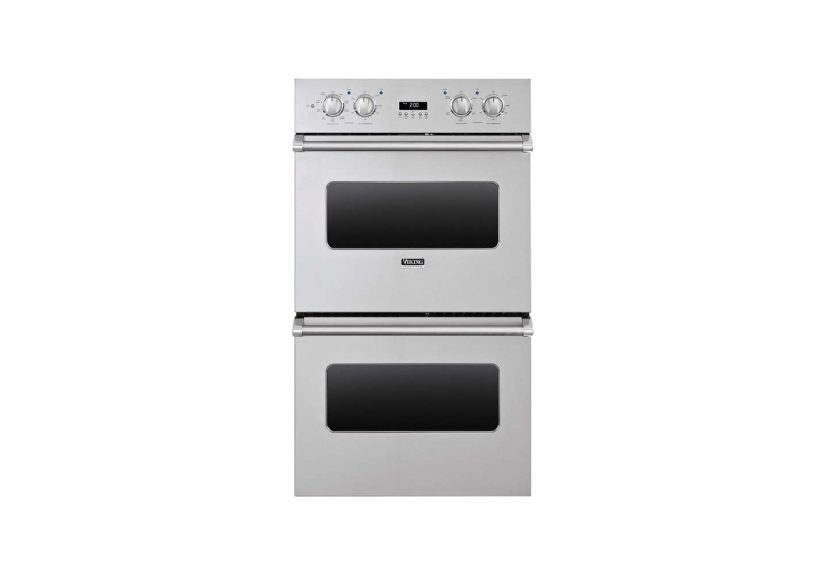
Some kitchens have a “main character.” Sometimes it’s a marble island. Sometimes it’s a fridge that can text you. And sometimes it’s a double wall oven that looks like it’s about to ask your roast chicken if it has a reservation. The Viking Professional 5 Series 29.5-inch built-in double electric convection wall oven is very much in that last category: big, bold, and designed for people who cook like they mean it (or at least like they host holidays without breaking into a sweat).
If you’re shopping this level of wall oven, you’re not just buying “a place to heat things.” You’re buying capacity, control, and consistencyplus the freedom to bake cookies up top while a lasagna bubbles down below, without turning your kitchen into a game of culinary Tetris.
What This Oven Is (and Who It’s For)
This Viking is a 30-inch class built-in double wall oven (the face measures about 29.5 inches wide), designed to be installed into cabinetry for a streamlined, pro-style look. “Double” means two separate oven cavities stacked verticallyso you can run two temperatures at the same time, cook savory and sweet separately, or keep one oven on standby for “emergency bread.”
It’s a strong fit for:
- Frequent entertainers who want simultaneous roasting + baking without timing gymnastics.
- Serious home cooks who care about even browning, steady temperatures, and multi-rack results.
- Busy households that cook real meals and want the kitchen to keep up.
- Design-forward remodels aiming for a professional aesthetic (and a matching Viking suite).
Quick Specs at a Glance
Specs can vary slightly depending on the exact configuration and how capacity is measured, but here’s what you should expect from the Viking Professional 5 Series 29.5-inch built-in double electric convection wall oven.
| Overall width | About 29.5 in (30-inch class) |
| Overall height | About 51 7/8 in |
| Overall depth | About 25 3/4 in to the control panel (door open depth is much larger) |
| Capacity | About 4.7 cu. ft. per oven (with “standardized” ratings often listed lower) |
| Convection | True convection / “European-style” convection with a rear element + fan |
| Electrical | 240V, dedicated circuit typically required for a double oven |
| Cleaning | Self-clean in both ovens |
Important reality check: you may see different “total capacity” numbers across retailers. That’s usually because one figure is the overall cavity volume and another is a standardized method that subtracts certain space (like baffles). In other words: the oven didn’t magically shrinkit’s just being measured with a different ruler.
Design, Controls, and the “Pro Kitchen” Vibe
Viking’s Professional 5 Series styling is intentionally confident: bold handle, substantial build, and a control layout that favors hands-on cooking rather than app dependency. If you want a wall oven that requires a software update before it will preheat, this is not your soulmate.
Knobs You’ll Actually Enjoy Using
Many versions ship with BlackChrome-style knobs, which look sharp and feel substantial. If you’re building a specific aesthetic, there are also accessory options (including different knob kits) to help coordinate with other appliances.
Visibility That Doesn’t Require Telepathy
A double wall oven should let you check on food without repeatedly opening the door and sabotaging your own heat. Viking leans into this with large viewing windows and strong interior lighting. In practical terms, that means you can monitor browning, bubbling, and “is that soufflé rising or plotting my downfall?” with fewer door openings.
The Timepiece Factor
On Professional/Premiere configurations, you’ll often see Viking’s signature TimePiece-style clock/timer approach a visual “timekeeping” design that’s meant to be easy to glance at while you’re juggling trays, timers, and a dog that thinks turkey is a human right.
Cooking Performance: Where the Viking Earns Its Keep
True Convection (a.k.a. “Stop Guessing, Start Browning”)
Convection is not just a fan blowing hot air around for fun. In “true” convection systems, the fan works with a dedicated heating element (usually in the rear) to circulate heat more evenly and reduce hot spots. Viking’s convection system is designed to push air thoroughly through the cavityhandy when you’re cooking multiple racks or roasting larger cuts.
What this looks like in real life:
- More even browning on cookies and roasted vegetables.
- Better multi-rack baking when you’re using both ovens for a holiday bake-a-thon.
- Crisper roasting thanks to more consistent heat movement (and typically better moisture management).
Vari-Speed Dual Flow: Two Speeds, Two Directions, Less Drama
Viking’s convection approach is built around a high-airflow design with variable fan behavior. The idea is simple: better circulation = fewer surprises. That means fewer “front is done, back is pale” moments and more “everything looks like it came from the same oven” moments (because it did, obviously, but you know what I mean).
Rapid Ready Preheat: Because Waiting Is Not a Culinary Skill
When a recipe says “preheat the oven,” it rarely means “begin a small personal journey.” A rapid preheat system aims to reduce dead time, which is especially appreciated when you’re cooking in stages (brown, bake, broil, repeat) or juggling two ovens during a big meal.
Broiling Power: From “Toast” to “Sear”
A strong broiler matters more than most people realizeespecially if you finish dishes with a quick top-brown, melt cheese on a casserole, or want steakhouse-style heat without owning a salamander (and without explaining to your family why there’s a salamander in the kitchen). Viking’s multi-pass broiler approach is designed for intense, consistent top heat.
Racks That Don’t Feel Like a Full-Contact Sport
On higher configurations, Viking includes glide racks (full-extension style) so you can pull a heavy roasting pan outward smoothly. It’s one of those features that seems “nice-to-have” until you’ve tried to baste a turkey while balancing a pan at arm’s length like you’re training for an Olympic event.
Meat Probe: Built-In, Not “Where Did I Put That Thing?”
Certain Viking Professional 5 Series configurations include a temperature probe (often associated with the upper oven). This is a big deal for roasts, brisket, whole poultry, and anything else where “looks done” is a liar. Set your target temp, let the probe guide you, and stop playing the “slice-and-hope” game.
How to Use Convection Without Turning Cookies Into Wind Tunnels
Convection cooking is a superpower… as long as you use it appropriately. In general, convection can cook faster and brown more efficiently, which means your old conventional recipes may need small adjustments.
Practical conversion tips
- Lower the temperature by about 25°F when using convection for many conventional recipes.
- Start checking earlieroften 10–20% sooner than the listed cook time.
- Use convection for roasting (vegetables, chicken, sheet-pan dinners) and multi-rack baking.
- Be cautious with delicate bakes like soufflés, custards, and some cakestoo much airflow can be a bully.
The upside is huge: convection can deliver more even results and reduce hot spots, especially when you’re baking on multiple racks. The only “cost” is learning your oven’s personalitybecause every oven has one, and this Viking’s personality is: “I’m powerful, I’m consistent, and I would like you to stop opening the door every 90 seconds.”
Installation Notes: Measure Twice, Avoid Cabinet Regret
Built-in wall ovens are not like countertop appliances. You don’t “kind of” fit them. You either fit them or you start Googling “cabinet modification cost” with the intensity of a person who has made choices.
Start with cutout measurements
Before ordering, measure your cabinet cutout width, height, and depth, and confirm the exact requirements for your specific model and installation style. Many homeowners replace an existing 30-inch double wall oven, but even within “30-inch class,” the details matter.
Flush mount vs. standard mount
Viking supports both standard installation (oven face sits proud of cabinetry) and flush installation (a more seamless, built-in look), typically with an accessory flush mount kit. Flush looks fantastic, but it’s less forgiving and demands precise cabinet construction.
Electrical and planning for real weight
Double ovens are heavy. Like, “plan the path from the door to the kitchen” heavy. Also, double wall ovens generally require a dedicated 240V circuit. The exact amperage requirement depends on the model, so installation should follow the manufacturer’s documentation and local code. Translation: this is not a “watch one video and wing it” situation.
Cleaning and Maintenance: Keeping the Beast Tidy
Self-cleaning is a blessing, but it’s also a commitment. When you run a high-heat self-clean cycle, plan for ventilation, remove racks as recommended, and avoid running it five minutes before guests arrive (unless you like hosting in a scented fog of “high-heat regret”).
Viking’s concealed bake element design helps by reducing exposed surfaces where spills can burn on. Combine that with regular wipe-downs, smart use of baking sheets, and not letting sugar boil over like a science fair volcano, and you’ll keep the interior in good shape.
Pros and Cons: The Honest List
Pros
- Big capacity and true double-oven flexibility for serious cooking schedules.
- Strong convection performance designed for even heat and multi-rack results.
- Rapid preheat and powerful broiling for real-world speed and finishing.
- Premium build and pro styling that matches high-end kitchens and appliance suites.
- Glide racks and probe options (on certain configurations) that improve daily usability.
Cons
- Premium price tieryou’re paying for performance, brand, and build quality.
- Not a “smart” ovenif you want Wi-Fi and app controls, this may feel old-school.
- Installation complexity (size, power needs, weight) can add to total project cost.
- Learning curve if you’re new to convection or cooking across two cavities.
How It Compares to Other Premium Double Wall Ovens
In the premium built-in category, you’ll often cross-shop brands like Wolf, Thermador, GE Monogram, JennAir, and KitchenAid’s higher-end lines. The Viking angle tends to be: pro-style presence, high airflow convection, and a design language that pairs naturally with other Viking appliances.
If you want a tech-forward wall oven with guided cooking, apps, or specialty modes like air-fry, competitors may have more bells and whistles. If you want a more classic pro approachstrong heat, serious convection, and sturdy controlsViking makes a very straightforward argument.
FAQ
Is 29.5 inches the same as a “30-inch wall oven”?
Usually, yes. “30-inch” is a nominal class size. The actual product width is commonly a little under 30 inches so it can fit standardized cutouts. Always confirm your specific cutout requirements before purchase.
Why do I see different capacity numbers for what looks like the same oven?
Because capacity can be stated as overall cavity volume or as a standardized measurement that subtracts some interior space. Different retailers may use different figures. Focus on rack positions, interior dimensions, and real cooking needsnot just one number.
Does convection mean I should cook everything on convection?
Not everything. Convection is fantastic for roasting, multi-rack baking, and foods that benefit from browning. For delicate items like certain cakes and custards, conventional bake can be safer. Think of convection as a tool, not a lifestyle.
Conclusion
The Viking Professional 5 Series 29.5 in. built-in double electric convection wall oven is for cooks who want the kitchen to feel like it can handle anything: weeknight meals, holiday chaos, and ambitious baking weekends that start with “just one loaf” and end with you owning a banneton basket.
You get a premium, pro-style double oven with serious convection engineering, strong broiling, practical features like glide racks and probe options (depending on configuration), and the simple luxury of cooking two different things at two different temperatures at the same time. If that sounds like your lifeor the life you aspire to livethis Viking is worth a hard look.
Real-World Cooking Experiences (the “Okay, But What’s It Like?” Section)
Living with a double wall oven like this is less “I own an appliance” and more “I have a second kitchen assistant who never sleeps, never complains, and only occasionally demands a dedicated 240V circuit like a diva.” The first week usually feels like moving into a bigger apartment: you keep opening both oven doors just to admire the space, like you’re touring a culinary condo. Then the real benefits start showing upespecially if you cook in layers.
A classic example is the “Sunday multitask.” You can roast chicken (or a pork shoulder) in one oven while you bake cornbread, warm rolls, or finish a sheet pan of vegetables in the other. The best part isn’t just that it’s possibleit’s that it’s calmer. You’re not constantly pulling hot pans out, holding them on the counter, and waiting for the oven to recover. It becomes a smoother rhythm: one cavity handles the long roast while the other runs shorter, higher-temp jobs.
Convection is where you notice the “professional” personality. When you’re roasting vegetables, you’ll often see more consistent browning across the trayless shuffling, fewer hot spots, fewer “why are these corners charcoal while the middle looks like it needs therapy?” moments. For cookies, you can load multiple racks and get a more uniform bake, especially once you learn your preferred rack positions and whether your recipe likes a slight temperature reduction. After a few batches, it starts to feel predictable in the best way: you know when to rotate (if you rotate at all), you know when to start checking, and you stop hovering.
The glide racks are one of those “didn’t know I needed this” luxuries. Sliding out a heavy roasting pan smoothly changes how you cook. Basting becomes easier. Checking doneness doesn’t feel like a forearm workout. And if you’ve ever tried to lift a hot Dutch oven out of a standard rack that sticks halfway, you’ll appreciate the difference immediately. Add a temperature probe (on supported configurations), and roasts become less stressful. Instead of guessing, you’re cooking to a target and letting the oven help you get there.
There are a few “real life” quirks toobecause no premium appliance is immune to reality. Double ovens are heavy, and that matters during installation and service. Self-clean is convenient, but you’ll still want to wipe spills early and run the cycle at a time when you can ventilate the kitchen. And if you’re coming from a tech-heavy smart oven, the Viking’s old-school confidence can feel refreshingly simple… or slightly stubborn, depending on whether you enjoy turning knobs more than tapping screens.
The overall experience, though, is that the oven feels built for big meals and steady performance. Once it’s installed and you’ve cooked a handful of dinners, it becomes the kind of appliance you rely on without thinkingwhich is the highest compliment you can give something that gets hot on purpose.