Table of Contents >> Show >> Hide
- CBD in plain English: What it is (and what it isn’t)
- A former DEA agent’s first questions: legality, quality, and claims
- Legal reality check: hemp CBD, the FDA, and why it’s still confusing
- What CBD can (and can’t) do: evidence vs vibes
- Safety first: side effects, liver concerns, and drug interactions
- How to buy CBD without getting played
- FAQ: the questions everyone asks (and the answers that won’t embarrass you)
- Real-World CBD Experiences (about )
- Conclusion: CBD is real, but the marketplace is the wild part
CBD is everywhere. It’s in gummies, oils, lotions, sparkling waters, anddepending on how brave your local café ismaybe even in a “CBD oat-milk lavender vibe latte”
that costs roughly the same as a small used car.
But if you strip away the marketing confetti, CBD becomes a pretty straightforward topic… with a few important “fine print” caveats. To keep this grounded, let’s use a
practical lens you’d hear from someone who’s spent years on the enforcement side of drug policy (think: a former DEA agent), plus what mainstream U.S. medical and
regulatory sources say today.
Quick disclaimer: This is educational information, not medical or legal advice. If you take prescription meds, are pregnant, have liver disease, or you’re
subject to drug testing, talk to a qualified clinician before experimenting.
CBD in plain English: What it is (and what it isn’t)
CBD is a cannabinoid, not a magic spell
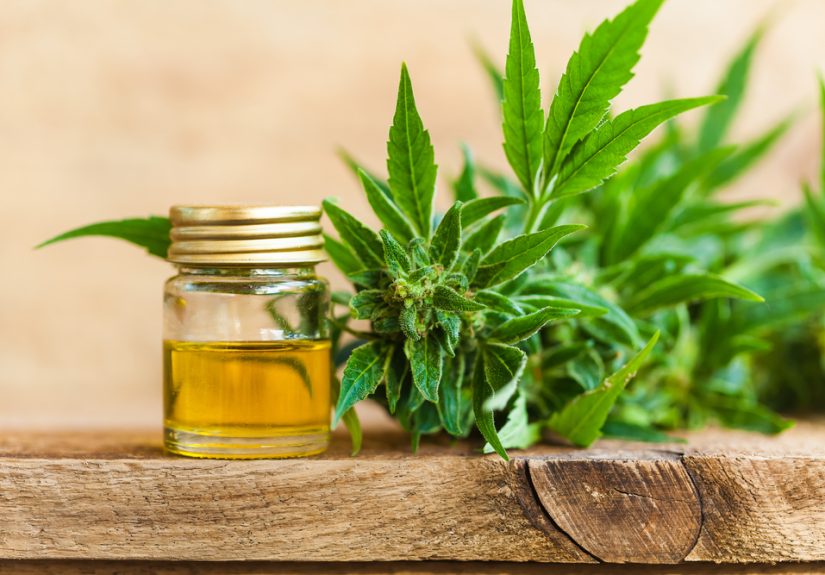
CBD stands for cannabidiol, one of many naturally occurring compounds (called cannabinoids) produced by the Cannabis sativa plant.
The headline difference most people care about: CBD does not produce the classic “high” associated with THC (tetrahydrocannabinol).
That doesn’t mean CBD is “nothing.” It means CBD is generally considered non-intoxicatinga key reason it became popular in wellness circles.
The tricky part is that “non-intoxicating” is not the same as “risk-free,” and it definitely isn’t the same as “regulated like a prescription medication.”
Hemp vs marijuana: same plant family, different legal buckets
A former DEA agent will often frame this with one sentence: the law cares about THC concentration. Under federal law, “hemp” is cannabis with
no more than 0.3% delta-9 THC by dry weight. Anything above that THC threshold is generally treated as “marijuana” under federal controlled-substances
rules (even if state laws differ).
Most CBD you see in mainstream retail is marketed as hemp-derived CBD. That’s the “legal lane” many companies use. But “hemp-derived” doesn’t
automatically guarantee the final product is compliant, accurately labeled, or free from enough THC to matter for drug tests. (More on that soon.)
How CBD works in the body (without the hype)
Your body has an endocannabinoid systema network involved in maintaining balance (sleep, stress response, pain signaling, immune activity, and more).
CBD doesn’t behave like THC. It doesn’t strongly bind to the same receptors the same way. Instead, CBD appears to influence multiple pathwaysone reason researchers
are still mapping out what it does, where it helps, and where it may cause problems.
Translation: CBD is biologically active, but it’s not a one-button “cure switch.” If a product promises to fix everything from your taxes to your tendinitis, that’s not
bold scienceit’s bold marketing.
A former DEA agent’s first questions: legality, quality, and claims
If you sat a former DEA agent down at your kitchen table and asked, “So… should I try CBD?” they would likely ignore your gummy flavor preferences and start here:
- Legality: Is it truly hemp-derived and compliant where you live, work, and travel?
- Quality control: Can you prove what’s in the bottle with reliable lab testing?
- Claims: Is the product promising what science can actually support?
That mindset is basically “chain-of-custody thinking.” Not glamorous, but extremely useful when the marketplace is crowded with products of uneven quality.
Legal reality check: hemp CBD, the FDA, and why it’s still confusing
Hemp is federally legalproducts are a different story
The 2018 Farm Bill made hemp (as defined by that 0.3% delta-9 THC threshold) a legal agricultural commodity under federal law. That opened the door for a huge
hemp-derived CBD marketplace.
However, the FDA still regulates how ingredients can be marketed in foods, supplements, and drugs. And FDA’s position has been consistent:
the science is incomplete, safety questions remain (including liver concerns and drug interactions), and CBD doesn’t neatly fit existing supplement/food rules.
This is why you see a patchwork of enforcement actions, warning letters for illegal health claims, and ongoing policy debates.
“It’s legal” doesn’t mean “it’s regulated like Tylenol”
In practical terms, you can often buy CBD easilyyet the marketplace can still be messy. Think of it like buying “protein powder” from a random trunk in a parking
lot versus a reputable brand with third-party testing. Both might be legal to possess; only one is likely to be what it says it is.
Watch the “intoxicating hemp” situation
One reason CBD discussions got noisier is that “hemp-derived” products can sometimes include psychoactive cannabinoids (like delta-8 THC) produced through
chemical conversion. Regulators and lawmakers have been increasingly focused on closing loopholes and restricting intoxicating hemp products.
Even if your interest is plain CBD, this matters because it affects enforcement, retail policies, state rules, and what might show up in products labeled “hemp.”
If you’re traveling or subject to workplace policies, it’s smart to check the current rules in your state and your employer’s policydon’t assume yesterday’s
rules apply tomorrow.
What CBD can (and can’t) do: evidence vs vibes
The strongest evidence: a prescription CBD medication for certain seizures
The most concrete, FDA-reviewed proof of CBD’s medical benefit is a prescription product: Epidiolex (cannabidiol oral solution), approved for certain
seizure disorders (including Lennox-Gastaut syndrome, Dravet syndrome, and tuberous sclerosis complex). This matters because it shows CBD can be a real medicine
at specific doses, for specific conditions, under medical supervision.
It also matters because it shows the other side of the coin: when CBD is used at medication-level doses, safety monitoring becomes important (particularly around
liver enzymes and interactions with other drugs).
Common “wellness” uses: anxiety, sleep, painpromising, but not settled
In the over-the-counter world, people most commonly use CBD for stress, sleep, and everyday aches. Research is ongoing, but the evidence is mixed and highly
dependent on product type, dose, and study design.
Here’s the honest, non-hype framing:
- Anxiety/stress: Some studies suggest potential benefits, but results vary and real-world products differ wildly.
- Sleep: Some people report better sleep; others report no changeor feeling groggy.
- Pain/inflammation: Evidence for chronic pain conditions is still evolving; topical products are popular but often under-studied.
A former enforcement professional tends to translate all that as: “Maybe. But show me the data and show me what’s actually in the bottle.”
Red flag claims: cancer cures, “detox,” and miracle everything
You should be skeptical of any CBD product claiming to cure cancer, replace chemotherapy, “erase anxiety instantly,” or detox your liver (the liver is already busy
and does not need motivational speeches).
Overstated health claims are exactly what regulators targetand they’re also a reliable sign you’re dealing with a brand that’s comfortable stretching the truth.
If they’re loose with claims, they may be loose with quality control too.
Safety first: side effects, liver concerns, and drug interactions
Common side effects people actually notice
CBD is often described as “well tolerated,” but side effects happen. Commonly reported issues include drowsiness, fatigue, gastrointestinal upset (like diarrhea),
appetite changes, and dry mouth. Some people feel calmer; others feel “off” or foggyespecially at higher doses.
Liver enzyme elevations: the under-discussed headline
One of the more serious safety discussions involves liver enzyme elevations. This has been observed in controlled settings, including with prescription
CBD dosing and in clinical research looking at labeled-dose exposures. Most casual users never test their liver enzymes, so the absence of symptoms doesn’t always
equal the absence of effects.
If you have liver disease, drink heavily, or take medications processed by the liver, “DIY dosing” is not the vibe. Talk to a clinician.
Drug interactions: CBD can behave like “grapefruit juice energy”
CBD can interact with other medications by affecting liver enzymes (the CYP system). The practical takeaway is simple:
CBD may change the levels of other drugs in your bodyincluding some anti-seizure meds, blood thinners, and more.
If you take prescription meds, ask a pharmacist or prescribing clinician before adding CBD. This isn’t fear-mongering; it’s basic pharmacology.
Drug tests and “surprise THC”
Even hemp-derived CBD products can contain small amounts of THC. Some may contain more than stated on the label. Studies and marketplace surveys have found
labeling inaccuracies and unexpected cannabinoids in consumer products. If your job depends on passing a drug test, the safest plan is:
avoid THC entirely and be cautious with CBD, because “CBD-only” products aren’t always truly THC-free.
How to buy CBD without getting played
Know your spectrum: full-spectrum vs broad-spectrum vs isolate
- Full-spectrum: Contains CBD plus other cannabinoids/compounds from hemp, including trace THC (legally limited, but not always zero).
- Broad-spectrum: Similar, but typically formulated to remove THC (still not a 100% guarantee without testing).
- Isolate: Pure CBD (in theory). This is often preferred by people worried about THC exposure, but quality still depends on manufacturing.
Insist on a COA (Certificate of Analysis)
A reputable CBD product should provide a third-party lab report (COA). Ideally, it matches the batch/lot number on your product and includes:
- CBD amount (per serving and per container)
- THC levels (delta-9 THC and sometimes other THC-related measures)
- Screening for contaminants (heavy metals, pesticides, residual solvents, microbes)
If a brand can’t produce a COA (or it’s outdated, vague, or doesn’t match your batch), that’s the former-agent “walk away” moment.
Dosage: start low, go slow, and write it down
Over-the-counter CBD dosing is all over the map. Many people start with a low dose (for example, single-digit milligrams) and adjust slowly while tracking effects.
The goal isn’t to “feel something big.” The goal is to find the lowest amount that delivers the effect you wantif any.
Don’t stack five products at once. If you change three variables, you won’t know which one helped (or caused the side effect).
Form matters: gummies, tinctures, topicals, and timing
- Gummies/edibles: Slower onset, longer duration. Easy dosing, but can be inconsistent between brands.
- Tinctures/oils: Flexible dosing. Effects may appear faster than edibles depending on use.
- Topicals: Popular for localized discomfort, but evidence and absorption vary widely.
FAQ: the questions everyone asks (and the answers that won’t embarrass you)
Will CBD get me high?
Pure CBD is generally non-intoxicating. But some products contain THC (even when they shouldn’t), and full-spectrum products may contain trace THC by design.
If you are sensitive to THC or must avoid it for work, use extra caution.
Is CBD “legal in all 50 states”?
That phrase is oversimplified. Hemp is federally legal under specific definitions, but states can impose additional rules on sale, processing, and product types.
Also, policies at airports, federal properties, and workplaces can differ. Always check current local rules.
Can I fly with CBD?
Some hemp-derived CBD products may be permitted under certain transportation rules if they meet the federal hemp definition. But enforcement realities and product
inconsistencies make this a “don’t wing it” category. If you travel with CBD, keep the product in original packaging and have access to the COA.
How do I spot a sketchy CBD brand?
Red flags include: no COA, “cures everything” claims, vague ingredient lists, unrealistically cheap pricing, and labels that don’t disclose CBD milligrams clearly.
If the branding feels like a late-night infomercial, treat it like one.
Real-World CBD Experiences (about )
One reason CBD is so polarizing is that people’s experiences vary wildlyand that variation is often predictable once you account for dose, product quality, and
expectations. Here are a few realistic, composite-style scenarios that mirror what clinicians and regulators warn about, plus what consumers commonly report.
(These are not medical claimsjust patterns people describe.)
1) “I just wanted to sleep, not time-travel”
A desk worker tries a CBD gummy marketed for sleep. Night one: nothing. Night two: they take two gummies, feel slightly calmer, and fall asleep fasterbut wake up
groggy and irritated. The lesson isn’t “CBD is bad.” It’s that edibles can be dose-sensitive, and some products include other ingredients (like melatonin) that
change the experience. A simple logdose, time taken, sleep qualityoften helps more than guessing.
2) The runner and the sore knee (topical edition)
A recreational runner uses a CBD topical after longer runs. They report mild relief and like the ritual. Could it be CBD? Could it be massage, cooling agents, or the
simple act of resting? Possibly all of the above. Topicals are popular because they feel targeted and low-risk, but the science is still catching up. The smart move
is choosing a reputable product with testing, and treating it as a comfort toolnot a substitute for rehab or medical care.
3) “I failed a drug test and I’m furious”
A warehouse employee uses a “THC-free” CBD oil for stress. Weeks later, they fail a workplace drug test. This scenario shows up often enough that public health
agencies and major clinics warn about it: labels can be inaccurate, and some products may contain detectable THC. If your livelihood depends on a negative drug test,
the safest strategy is avoiding cannabinoid products altogetheror discussing risks in advance with your employer/clinician.
4) The blood thinner surprise
An older adult takes a blood thinner and starts CBD after hearing it’s “natural.” Within a short window, they notice increased bruising and feel “off.” They see their
clinician, review medications, and discover CBD can interact with drugs metabolized by the liver. This is why “natural” is not a safety guarantee. When CBD affects
metabolism pathways, it can change medication levelssometimes subtly, sometimes not.
5) The parent who did it the medical way
A parent of a child with a severe seizure disorder learns that prescription cannabidiol exists for certain conditions. Under specialist care, they use an FDA-approved
product with standardized dosing and monitoring. This is the “CBD as medicine” pathway: precise formulation, clear indications, and safety follow-up. It highlights
a big divide in the CBD worldbetween pharmaceutical-grade cannabinoids and retail products with inconsistent oversight.
6) The “I expected fireworks” disappointment
Another common experience is… nothing happens. Many people try CBD expecting an immediate dramatic effect, like flipping a stress switch. For some, effects are subtle
(if present at all), and for others the product is simply under-dosed or mislabeled. The most practical expectation is this: if CBD helps, it’s usually as a modest
tool in a bigger toolkitsleep hygiene, movement, therapy, nutrition, and medical care when needed.
Conclusion: CBD is real, but the marketplace is the wild part
CBD isn’t just hypethere’s legitimate science behind cannabidiol, including an FDA-approved prescription product for specific seizure disorders. But the consumer CBD
marketplace is uneven, and that’s where most risk lives: inconsistent labeling, THC surprises, questionable claims, and users who mix CBD with other medications
without realizing interactions are possible.
If you take one “former DEA agent” takeaway, make it this: treat CBD like a regulated substance even when the product isn’t regulated.
Verify what it is, verify what’s in it, and be honest about what you’re trying to achieve.