Table of Contents >> Show >> Hide
- How “Rich People Food” Changes Over Time
- 1900s: The “More Courses Than Common Sense” Era
- 1910s: Luxury Hotels, Grand Banquets, and High-Society Menus
- 1920s: Prohibition, Cocktail Culture, and Fancy Finger Foods
- 1930s: The Great Depression (But Make It Country-Club)
- 1940s: Wartime Rationing and the Art of the Substitution Flex
- 1950s: The Rise of the Home Cocktail Party (and the Shrimp Cocktail Crown)
- 1960s: Continental Sophistication, Dinner Parties, and French Influence Goes Mainstream
- 1970s: California Cuisine and the “Local, Seasonal” Revolution
- 1980s: Yuppie Era Excess, Celebrity Chefs, and Sushi as a Power Move
- 1990s: Global Fusion, “Gourmet” Ingredients Everywhere, and the Sun-Dried Tomato Boom
- 2000s: The Tasting Menu Era and Molecular Gastronomy’s Wow Factor
- 2010s: Social Media Dining, New Icons, and High-Low Food Culture
- 2020s: Private Chefs, Omakase Mania, and Luxury That Looks Casual
- So… What Did Rich People Really Eat?
- of Experience: A Time-Travel Dinner Party With the Wealthy
If you could time-travel through American luxury dining, you’d notice something funny: rich people are never just eating.
They’re signaling. Sometimes with champagne and turtle soup. Sometimes with microgreens arranged like modern art.
Sometimes with a chef quietly torching something at your table while you pretend this is normal.
This decade-by-decade timeline tracks how wealthy Americans have eaten from the 1900s through the 2020swhat showed up on
their plates, why it mattered, and how “status food” kept reinventing itself. The goal isn’t to claim every affluent
person ate the same thing (money has regional accents), but to map the loudest, most influential trends in upscale
restaurants, luxury hotels, society dinners, and later, celebrity-chef temples.
How “Rich People Food” Changes Over Time
Luxury dining follows a few predictable laws:
- Scarcity sells: rare ingredients, limited reservations, imported delicacies, or a chef who answers texts only on Tuesdays.
- Complexity flexes: multi-course menus, French technique, or scientific wizardry when that becomes fashionable.
- Morals get plated: “local,” “organic,” “sustainable,” “plant-based,” and “regenerative” become status signals, too.
- New money copies old money… until old money gets bored and invents a new rulebook.
1900s: The “More Courses Than Common Sense” Era
What was on the plate
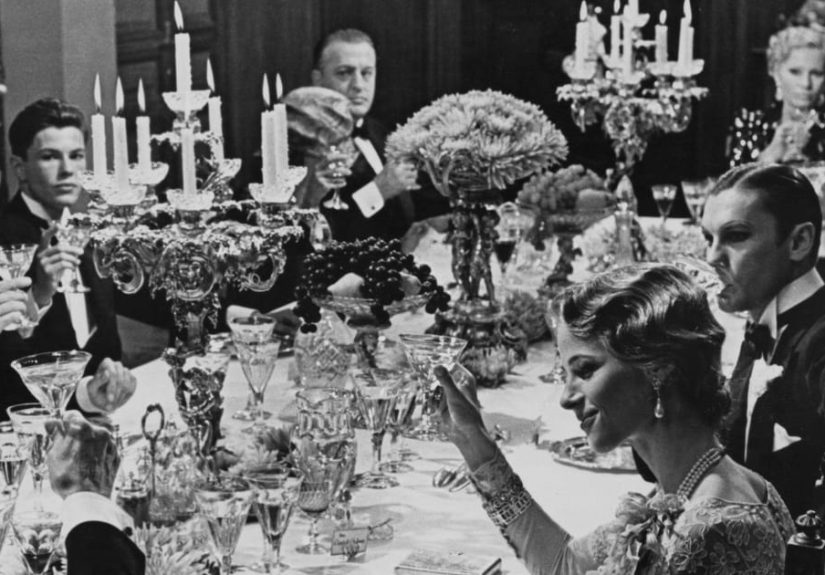
At the turn of the century, wealthy dining was built for spectacleformal service, multiple courses, and menus that read
like a novel you don’t finish because you fell asleep after the cheese course. Oysters were a star, and so were rich
soups like turtle/terrapin. Roasts and game birds showed up with fancy sauces, followed by elaborate desserts and
after-dinner coffee.
Why it screamed status
French influence set the tone: fancy names, imported ingredients, and a dining culture designed to separate “society”
from everyone else. If your dinner included terrapin and champagne, the message was clear: you had money, staff, and
timethree luxuries that age extremely well.
1910s: Luxury Hotels, Grand Banquets, and High-Society Menus
What was on the plate
Upscale dining leaned hard into hotel restaurants and special-occasion feasts. Fancy holiday meals weren’t just turkey
they could include oysters, consommé, foie gras preparations, prime rib, duck, multiple pies, ice cream, cheeses, and nuts.
The rich didn’t “grab a bite.” They booked an experience with courses.
Why it screamed status
Dining out at luxury hotels and famous restaurants became a way to be seen. The meal was part food, part social theater.
Your table was basically your social media feedexcept with better hats.
1920s: Prohibition, Cocktail Culture, and Fancy Finger Foods
What was on the plate
Prohibition didn’t end drinking; it upgraded the drama. Affluent parties embraced cocktails and the rise of “cocktail foods”:
canapés, seafood bites, caviar-adjacent snacks, deviled eggs, and elegant nibbles designed to pair with socializing.
Hosts put out trays of bite-sized luxurybecause nothing says “I’m thriving” like a snack that requires toothpicks.
Why it screamed status
Private cocktail parties and speakeasy culture turned food into a fashionable accessory. It wasn’t about being full; it was
about being in.
1930s: The Great Depression (But Make It Country-Club)
What was on the plate
While many Americans struggled, upscale dining didn’t disappearit narrowed. Wealthy diners still found multi-course menus,
including lobster and other splurges at the nicer places. Luxury became more selective and sometimes more restrained, but it
stayed unmistakably “not for everyone.”
Why it screamed status
In hard times, visible abundance becomes an even louder signal. Dining well in the 1930s wasn’t just tasteit was proof
you were insulated from the chaos.
1940s: Wartime Rationing and the Art of the Substitution Flex
What was on the plate
World War II rationing changed American eating across the board. Sugar, coffee, and other staples were limited; meat and
fats could be harder to come by. Restaurants adapted, and “luxury” sometimes meant clever workaroundshigh-quality meals
built around what was available. Some people ate out more because restaurant policies didn’t always require the same ration
coupons in the same way as home cooking did.
Why it screamed status
When supply chains get tight, access becomes the flex. The wealthy could still find great diningand they also had the
social networks to track down scarce ingredients.
1950s: The Rise of the Home Cocktail Party (and the Shrimp Cocktail Crown)
What was on the plate
Mid-century wealth loved entertaining at home with a polished “hostess” vibe. Appetizers became the moment: shrimp cocktail,
deviled eggs, skewered bites, and other party classics. Upscale restaurant culture also leaned into hearty, reassuring
“treat meals,” while home entertaining turned snack trays into a lifestyle statement.
Why it screamed status
The status symbol wasn’t just the foodit was the ability to host. A nice living room, the “right” glassware, and an
endless parade of appetizers said: we are doing great, thank you for asking.
1960s: Continental Sophistication, Dinner Parties, and French Influence Goes Mainstream
What was on the plate
The 1960s brought a polished, continental style to American aspirationFrench techniques, formal dinner-party menus,
and dishes that felt “international.” Influential food media helped popularize French cooking, and wealthy hosts leaned into
showstoppers for guests. Think elegant first courses, rich sauces, and special-occasion mains meant to impress.
Why it screamed status
Knowing food became part of being cultured. The flex was culinary literacy: pronouncing ingredients correctly, serving the
“right” courses, and acting like butter and wine sauces were totally normal on a Tuesday.
1970s: California Cuisine and the “Local, Seasonal” Revolution
What was on the plate
By the 1970s, a new kind of luxury emergedfreshness. Restaurants like Chez Panisse helped redefine upscale dining with local,
seasonal ingredients, simpler preparations, and a closer relationship with farmers. The meal still cost money, but now it
also came with values: organic sourcing, peak-season produce, and menus that changed with the market.
Why it screamed status
This was the beginning of “ethical luxury” in American dining. Instead of importing everything, the flex became
knowing the farm, the fisherman, and the story behind the salad.
1980s: Yuppie Era Excess, Celebrity Chefs, and Sushi as a Power Move
What was on the plate
The 1980s were loud in every way, including food. Upscale diners chased novelty and “worldliness”: sushi surged as a symbol
of cosmopolitan taste, and restaurants became trend engines. Nouvelle cuisine (sometimes adored, sometimes mocked) pushed
lighter plates and artistic presentation. Meanwhile, high-end dining became entertainmentchefs started becoming famous,
and eating out became a performance sport.
Why it screamed status
Sushi signaled modern taste, health consciousness, and global sophistication. In yuppie culture, knowing what to orderand
wherewas practically a résumé bullet point.
1990s: Global Fusion, “Gourmet” Ingredients Everywhere, and the Sun-Dried Tomato Boom
What was on the plate
The 1990s took restaurant creativity global. “Fusion” wasn’t just accepted; it was expected. Upscale menus mixed cuisines,
and certain ingredients became shorthand for “fancy”sun-dried tomatoes, pesto, balsamic drizzle, and ingredient-driven
salads that made people feel virtuous while still ordering dessert.
Why it screamed status
Luxury became a blend of travel fantasy and brand-name shopping. If an ingredient showed up at an iconic gourmet shop and
then on every bistro plate, it had officially become a status ingredientuntil everyone got sick of it and moved on.
2000s: The Tasting Menu Era and Molecular Gastronomy’s Wow Factor
What was on the plate
In the 2000s, high-end dining leaned into the tasting menu: a curated multi-course journey where the chef controlled the
narrative, the pacing, and sometimes your emotional stability (“Is this a foam? Is it a cloud? Am I allowed to chew it?”).
Molecular gastronomy made waveschefs used modern techniques to transform textures and presentation while fine dining grew
more theatrical.
Why it screamed status
The flex was access: hard-to-get reservations, long tasting menus, and the cultural capital to treat dinner like performance
art. Luxury wasn’t just what you ateit was how many courses you survived.
2010s: Social Media Dining, New Icons, and High-Low Food Culture
What was on the plate
The 2010s blended prestige with pop energy. High-end ramen and creative takes on street food could become luxury experiences.
Restaurants embraced bold identities, lines formed for hyped items, and the internet turned certain foods into cultural
moments. At the same time, tasting menus matured, cocktails got craftier, and the “food world” felt bigger and faster.
Why it screamed status
In the 2010s, status traveled at Wi-Fi speed. Knowing the hot spot (or the chef, or the popup, or the secret menu) became
its own form of wealth. And yes, sometimes the flex was simply: “I waited two hours for this and I’d do it again.”
2020s: Private Chefs, Omakase Mania, and Luxury That Looks Casual
What was on the plate
The 2020s remixed luxury dining. Affluent diners doubled down on exclusivityprivate chefs at home, intimate chef’s counters,
and omakase experiences that feel like a guided tour through precision. Upscale bar snacks and “casual luxury” also took off:
the vibe says “relaxed,” but the ingredients say “this cost more than my first car payment.”
Plant-based fine dining gained more credibility too, with high-end guides and diners taking vegetable-forward cooking
seriously as craft, not punishment.
Why it screamed status
The modern flex is personalization. Wealthy diners want food tailored to themdiet preferences, curated experiences,
privacy, and the feeling that the meal is happening for them, not just near them.
So… What Did Rich People Really Eat?
The funniest through-line is that luxury keeps changing costumes. In the 1900s, it was excess and French formality.
In the 1920s, it was cocktail glamour. In the 1970s, it became values and freshness. In the 2000s, it turned into a
chef-led performance. In the 2020s, it’s exclusivity with a “no big deal” face.
But the core idea stays the same: rich people don’t just buy calories. They buy storiesrarity, access, craft, identity,
and a seat at whatever the culture calls “the best” right now.
of Experience: A Time-Travel Dinner Party With the Wealthy
Picture this as a very fancy, very chaotic museum tourexcept everything is edible and someone keeps refilling your water
before you even realize you’re thirsty.
In the 1900s room, you’re seated at a table that feels like it has its own ZIP code. The meal arrives in waves: oysters,
soups with names that sound like minor French nobility, and roasts that practically demand applause. Nobody asks, “Are you
still hungry?” because hunger is not the point. The point is abundanceserved with confidence.
Step into the 1920s and the lighting gets moodier. The food shrinks into stylish bites. Someone offers a tray of canapés,
and you realize the party runs on three fuels: gossip, music, and snacks designed to keep you mingling instead of sitting.
You don’t “eat dinner” so much as you collect tiny luxuries like Pokémon cards.
The 1940s corner feels practical, even in the luxury version. The conversation turns to availability, substitutions, and
“making do” with skill. It’s the first time you notice that wealth doesn’t always mean infinite supplysometimes it means
being better at navigating shortages. Someone quietly knows a guy who knows a guy who can get the good coffee.
Now the 1970s section smells like a farmers market in the best way. You hear words like “seasonal” and “local” with the
same reverence earlier decades reserved for imported delicacies. The salad is suddenly not a sad obligation. It’s a
headline act. The flex is that your ingredients have a backstoryand the chef tells it like a love letter.
Then you hit the 2000s tasting-menu theater. A server places something delicate in front of you and says a sentence that
includes “essence,” “foam,” and “memory.” You nod like you totally understand. The experience is thrilling, slightly
confusing, and weirdly emotional. By course twelve, you’re no longer sure what time is, but you’re certain you’ve
“participated in culture.”
Finally, the 2020s room looks relaxeduntil you notice the precision. The chef is right there, composing each bite with
almost surgical calm. The meal feels personal, curated, and exclusive, like your taste buds got invited to a private
concert. Luxury now is less about showing off to a ballroom and more about disappearing into a perfectly controlled
experience. The rich still aren’t just eating. They’re buying the feeling that the world has been arrangedbeautifully
around their table.