Table of Contents >> Show >> Hide
- Understanding the Main Danger: Blast, Heat, and Fallout
- What To Do Immediately During a Nuclear Explosion
- How To Shelter From Nuclear Fallout
- If You Were Outside: How To Decontaminate Safely
- Emergency Supplies for Nuclear Attack Preparedness
- Should You Take Potassium Iodide?
- How To Prepare Before a Nuclear Emergency
- What Not To Do After a Nuclear Explosion
- When To Evacuate
- How To Handle Food, Water, and Medicine
- Preparing Children, Pets, and Older Adults
- Experience-Based Lessons: What Preparedness Really Looks Like in Everyday Life
- Conclusion
A nuclear attack is one of those topics nobody wants to think aboutright up there with tax audits, surprise dental surgery, and your phone battery hitting 1% during a road trip. But preparedness is not panic. It is simply the grown-up version of carrying an umbrella when the forecast looks suspicious. Knowing what to do in case of a nuclear attack can make a huge difference, especially during the first minutes and hours after a blast.
The good news, if we can call anything in this topic “good,” is that survival guidance is surprisingly practical. You do not need a movie-style underground bunker with canned peaches from 1987. You need a plan, a safe place, basic supplies, reliable information, and the discipline to stay indoors when every nerve in your body wants to run outside and “see what happened.” Spoiler: do not go sightseeing after a nuclear explosion.
This guide explains how to prepare for a nuclear bomb, what to do immediately after a nuclear explosion, how to shelter from fallout, what supplies to keep, and how to make smart decisions without turning your living room into a doomsday warehouse.
Understanding the Main Danger: Blast, Heat, and Fallout
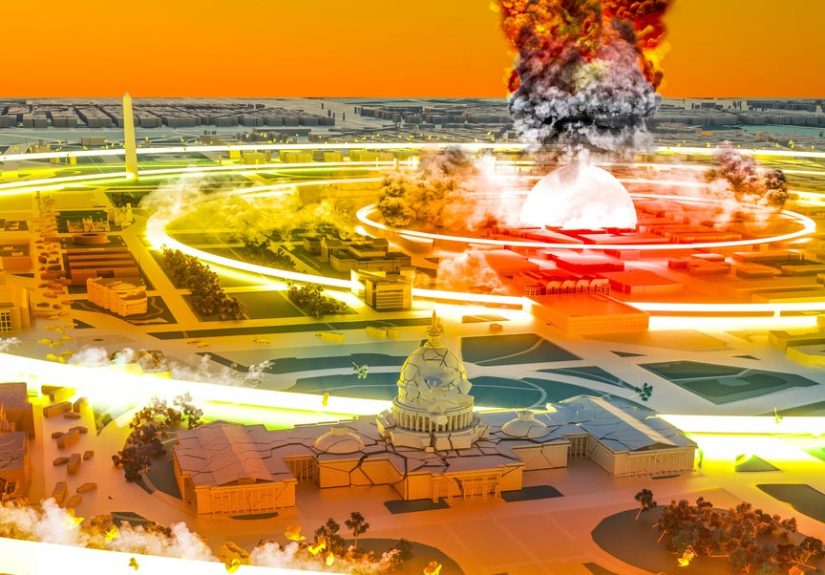
A nuclear explosion can create several hazards at once: an intense flash of light, extreme heat, a pressure wave, flying debris, fire, radiation, and radioactive fallout. The blast and heat are most dangerous near the explosion site. For people farther away, fallout becomes one of the biggest concerns.
Fallout is radioactive dust and debris that can rise into the air and later settle on buildings, roads, cars, clothing, skin, and food sources. It is most dangerous in the first hours after the explosion, which is why the standard emergency advice is simple: Get inside. Stay inside. Stay tuned. It sounds like a slogan printed on a refrigerator magnet, but it is one of the most important rules for nuclear attack survival.
What To Do Immediately During a Nuclear Explosion
If you see a sudden bright flash or receive an official warning, act fast. You may have only minutesor lessto protect yourself. The first priority is to avoid injury from the blast wave and flying glass.
Drop and Cover
If you are outside and cannot get indoors instantly, drop face down, cover your head and neck, and avoid looking at the flash. The flash can be extremely bright, and windows can shatter. Put as much solid material between you and the explosion as possible.
Get Inside Fast
Move into the nearest building. A brick, concrete, or underground structure offers better protection than a lightweight building, but any shelter is better than standing outside. If you are near a basement, subway, underground parking garage, tunnel, or the center of a large building, go there.
Stay Away From Windows
Windows are dramatic in movies and terrible in emergencies. Go to the basement or the middle of the building. Stay away from exterior walls, roofs, and glass. The best shelter is surrounded by thick material: concrete, brick, earth, or heavy walls.
How To Shelter From Nuclear Fallout
Fallout protection is about three basic ideas: time, distance, and shielding. Spend less time exposed, increase your distance from radioactive material, and place heavy material between you and the outside environment.
Choose the Best Room
The safest room is usually underground or in the center of a building. A basement is ideal. If there is no basement, choose an interior room with no windows. In a multi-story building, the middle floors can sometimes be safer than the top or ground floor, especially if the center of the building is away from outside walls and roofs.
Stay Inside for at Least 24 Hours Unless Officials Say Otherwise
The first day is critical because radiation levels from fallout drop significantly over time. Leaving too early can expose you to dangerous contamination. Even if you desperately want to reunite with family members, emergency guidance generally recommends that people stay sheltered where they are and reunite later when officials say it is safer.
Seal the Room Only If Needed
Close windows, doors, fireplace dampers, and vents if outdoor air may be contaminated. Turn off fans, air conditioners, or heating systems that pull in outside air. You do not need to turn your home into a plastic-wrapped burrito forever, but temporary sealing may help reduce dust entering your shelter area.
If You Were Outside: How To Decontaminate Safely
If you were outside after the explosion or after fallout started arriving, assume dust on your clothing may be contaminated. The goal is to remove it without spreading it around your shelter.
Remove Outer Clothing
Carefully take off your outer layer of clothing. Do not shake it. Put it in a plastic bag or sealable container and place it away from people and pets. This simple step can remove a large amount of radioactive dust.
Wash Exposed Skin and Hair
Shower with soap and water if you can. Wash your hair, but do not use conditioner because it can bind radioactive material to hair. If there is no shower, use a clean damp cloth to wipe exposed skin, especially hands, face, eyelids, ears, and hairline. Be gentle around cuts or irritated skin.
Put On Clean Clothes
After washing, put on clean clothing from inside the shelter. If clean clothes are not available, shake-free clothing stored indoors is better than clothing worn outside during fallout exposure.
Emergency Supplies for Nuclear Attack Preparedness
You do not need to prepare like you are opening a survival-themed supermarket, but you should have enough supplies to stay inside for several days. Your emergency kit should be practical, easy to carry, and stored where household members can find it.
Water and Food
Store at least one gallon of water per person per day for drinking and basic hygiene. Keep a supply of nonperishable food that does not require cooking, such as canned goods, protein bars, nut butter, crackers, dried fruit, ready-to-eat meals, and baby or pet food if needed. Do not eat food that was outside and uncovered during fallout. Food sealed indoors, in cans, bottles, jars, or sturdy packaging, is usually the safer choice.
Communication Tools
Keep a battery-powered or hand-crank radio. Cell networks may fail, power may go out, and social media may become a rumor smoothie. Official emergency broadcasts are your friend. Also keep extra batteries, charging banks, and a written list of important phone numbers.
Health and Safety Items
Your kit should include a first aid kit, prescription medications, copies of important medical information, glasses or contact supplies, hygiene products, masks, gloves, plastic bags, wet wipes, a flashlight, duct tape, and a manual can opener. If you have children, older adults, pets, or anyone with medical needs in your household, customize the kit for them.
Should You Take Potassium Iodide?
Potassium iodide, also called KI, is often misunderstood. It does not protect your whole body from radiation. It only helps protect the thyroid gland from radioactive iodine in certain radiation emergencies. It does not protect against blast injuries, fallout dust, other radioactive materials, or contaminated food and water.
Only take KI if public health officials or emergency management authorities tell you to take it. Taking it when it is not needed can cause health risks for some people. Think of KI as a specific tool, not a magic radiation force field. The real survival basics are still shelter, distance, time, clean water, clean food, and official instructions.
How To Prepare Before a Nuclear Emergency
The best time to prepare is before anything happens, when your brain is calm and not trying to process emergency sirens, confusing alerts, and everyone in the house asking where the flashlight is.
Identify Shelter Locations
Choose shelter spots at home, work, school, and places you often visit. Look for basements, interior rooms, windowless hallways, underground areas, and large concrete or brick buildings. If you commute, think through where you could shelter along your route.
Create a Family Communication Plan
Decide how family members will communicate if phones are unreliable. Choose an out-of-area contact who can receive updates from everyone. Write down important numbers because relying on memory during an emergency is like asking a goldfish to do accounting.
Practice Without Making It Weird
You do not need to run dramatic drills with a whistle and a clipboard. Just make sure everyone knows where the emergency kit is, which room is the shelter room, and what the basic rule is: get inside, stay inside, and stay tuned.
What Not To Do After a Nuclear Explosion
Sometimes survival is less about heroic action and more about avoiding bad ideas with confidence.
Do Not Go Outside to Look Around
Curiosity is useful when learning a new hobby. It is not useful during fallout. Stay indoors unless officials tell you to evacuate or move to a better shelter.
Do Not Drive Unless Told To Evacuate
Roads may be blocked, damaged, or contaminated. Traffic jams can trap people outdoors during the most dangerous period. If you are already in a vehicle when an alert happens, park safely and get inside the nearest solid building.
Do Not Trust Random Rumors
During emergencies, misinformation travels faster than common sense wearing roller skates. Use official alerts, emergency radio, local authorities, and recognized public health guidance. Avoid spreading unverified claims.
When To Evacuate
Evacuation after a nuclear event should be based on official instructions. In many cases, sheltering first is safer than rushing outside. Authorities may need time to map fallout patterns, identify safer routes, and open reception centers. When evacuation is ordered, bring your emergency kit, keep skin covered, follow designated routes, and avoid touching dust or debris.
If you have been sheltering and officials say it is time to leave, move quickly but calmly. Wear long sleeves, long pants, sturdy shoes, and a mask if available. Keep pets contained. Do not bring contaminated outdoor items unless instructed.
How To Handle Food, Water, and Medicine
Use food and water that were stored indoors or sealed before the event. Bottled water, canned drinks, sealed containers, and food inside refrigerators, freezers, cabinets, or pantries are usually better choices than anything left outside. Wipe down sealed containers with a damp cloth before opening if they may have dust on them.
Keep medications in your emergency kit and rotate them when needed. If refrigeration is required for medicine, ask your healthcare provider in advance how to handle power outages. Preparedness is not just canned beans and flashlights; it is also knowing how to protect the specific health needs of your household.
Preparing Children, Pets, and Older Adults
Children need simple, calm instructions. Avoid terrifying details. Teach them that during some emergencies, the family goes to the safest room and waits for official instructions. Pack comfort items, snacks, games, and copies of important documents.
Pets also need planning. Store pet food, water, medications, leashes, carriers, litter, and vaccination records. Keep pets indoors after a nuclear event. If they were outside, brush or wipe them carefully before bringing them deep into the shelter area, and avoid spreading dust.
Older adults or people with disabilities may need mobility equipment, backup power for medical devices, written care instructions, and extra medication. Build these details into the plan now, not during an emergency when everyone suddenly remembers that elevators require electricity.
Experience-Based Lessons: What Preparedness Really Looks Like in Everyday Life
Realistic nuclear attack preparedness is less about fear and more about small decisions made before a crisis. Many people imagine preparation as something extreme, expensive, or dramatic. In practice, the most useful preparation often looks boring: labeled supplies, a written contact list, a radio that works, bottled water that has not expired, and a family that knows which room to go to.
One helpful experience from emergency planning is the “two-minute test.” Stand in your home and ask: if an alert came right now, where would I go in two minutes? If the answer is “I would wander around looking for a better idea,” your plan needs work. Pick a room. Clear space in it. Store basic supplies nearby. The best shelter is not theoretical; it is the one you can actually reach quickly.
Another practical lesson is that communication plans matter more than people expect. In stressful situations, family members may be at school, work, or in transit. A good plan does not assume everyone can immediately come home. In fact, after a nuclear event, trying to reunite too soon can increase exposure. Families should agree that if they are safely indoors, they stay sheltered and check in when communication becomes possible.
Preparedness also teaches humility. You may not know exactly what happened right away. You may not know whether roads are safe, whether water systems are affected, or whether a rumor is true. That uncertainty is uncomfortable, but it is also why official information matters. A hand-crank radio can become more valuable than a smartphone with no signal and twelve panicked group chats.
Food planning is another area where simple beats fancy. People sometimes buy emergency products they would never eat on a normal day. Then, when stress hits, they discover that their survival menu tastes like cardboard with ambition. Choose shelf-stable foods your household already likes. Add a manual can opener. Store water. Include baby formula, pet food, or medical nutrition if needed. A practical kit is one you can use without needing a survival manual and a motivational speech.
There is also an emotional side to preparation. Emergencies are easier to face when people have rehearsed the basics. Children do better with clear, calm routines. Adults do better when they are not improvising every decision. Even a short household conversation“This is our shelter room, this is our radio, this is where the water is”can reduce panic.
Finally, preparedness should fit real life. You do not need to become obsessed. You do not need to spend a fortune. You do not need to scare your family at dinner. Start with one shelf of supplies, one written plan, and one shelter location. Add improvements over time. The goal is not to live in fear of a nuclear attack. The goal is to be the person who knows where the flashlight is when everyone else is checking the junk drawer like it owes them money.
Conclusion
Knowing what to do in case of a nuclear attack is not about panic; it is about preparation. The most important actions are straightforward: get inside quickly, move to the best available shelter, stay away from windows and exterior walls, remove contaminated clothing if you were outside, wash exposed skin, use sealed food and water, listen to official instructions, and stay indoors until authorities say it is safer to leave.
Preparedness works best when it is simple, realistic, and practiced. Choose shelter locations, build an emergency kit, make a family communication plan, and keep a reliable way to receive alerts. You may never need this knowledge, and hopefully you will not. But if the unthinkable happens, a calm plan can protect lives. That is not paranoia. That is common sense wearing sturdy shoes.