Table of Contents >> Show >> Hide
- Heart Rate 101: What It Measures (and What It Doesn’t)
- What’s a “Normal” Heart Rate?
- How to Check Your Heart Rate Without Turning It Into a Science Fair
- Heart Rate Zones: The Exercise Cheat Code (That Isn’t Actually Cheating)
- When Heart Rate Is a Red Flag (Not Just “I Had Coffee”)
- Common Reasons Your Heart Rate Changes
- Heart Rate Variability: The Trendy Metric With Real Meaning (and Real Caveats)
- How to Support a Healthier Heart Rate (Without Becoming a Monk)
- FAQ: Fast Answers to Common Heart Rate Questions
- Real-World Experiences: 5 Heart Rate Moments That Teach You Something (About You)
- 1) The “I’m fine” meeting that your heart disagrees with
- 2) The new runner who lives in “Zone Panic”
- 3) The athlete with “too low” resting heart rate (that’s actually normal for them)
- 4) The mystery spike that turns out to be dehydration + bad sleep
- 5) The smartwatch alert that becomes a helpful nudge
- Conclusion: Use Heart Rate as a Tool, Not a Trap
Your heart rate is basically your body’s built-in “status update.” Sometimes it’s calm and collected.
Sometimes it’s acting like it just watched a scary movie and drank an espresso. Either way, it’s telling
you somethingabout your fitness, your stress level, your sleep, your hydration, your medications, and
occasionally your talent for turning minor worries into full-body drama.
This guide breaks down what heart rate actually means, what “normal” looks like (and why normal is more
flexible than your yoga instructor), how to check it correctly, how exercise zones work, and when a heart
rate deserves attention beyond a quick “huh, that’s weird.”
Heart Rate 101: What It Measures (and What It Doesn’t)
Heart rate is the number of times your heart beats per minute (bpm). It’s influenced by
how much oxygen your body needs right now. If you’re sprinting, your muscles demand more oxygen, and your
heart speeds up. If you’re lying on the couch watching a show you’ve already seen three times, your heart
can chill.
Resting heart rate vs. “right now” heart rate
Your resting heart rate (RHR) is your bpm when you’re at restideally measured when you’re
calm, seated or lying down, and not fresh off stairs, stress, or a surprise email from your boss.
RHR is one of the simplest “big picture” signals of cardiovascular fitness: as aerobic fitness improves,
many people see a lower resting heart rate over time.
What heart rate does NOT automatically mean
A single reading isn’t a diagnosis. A high number could be normal (exercise, fever, dehydration, anxiety,
caffeine, certain medications). A low number could be normal (sleep, strong aerobic fitness). The useful
information often comes from patternswhat’s typical for you, what’s changing, and whether
symptoms are involved.
What’s a “Normal” Heart Rate?
For many adults, a resting heart rate is often considered normal when it falls roughly in
the 60–100 bpm range. But that range isn’t a personality test with only two outcomes: “good”
or “bad.” People vary.
Why your number can be lower than 60 (and still be fine)
Some healthy peopleespecially those who do consistent endurance trainingcan have resting heart rates in
the 40s or 50s and feel perfectly normal. Heart rate also tends to drop during sleep. The key is context:
if you feel well and your clinician says it’s appropriate for you, low isn’t automatically alarming.
Why your number can be higher than you expect
Stress, poor sleep, dehydration, nicotine, alcohol, fever, pain, and stimulants (including some cold/flu
meds) can raise resting heart rate. So can being deconditioned. Even posture matters: standing typically
raises heart rate compared to lying down. Translation: if your heart rate is a little spicy one day,
don’t panicinvestigate the obvious culprits first.
Trend > single number
If your resting heart rate is usually 62 and it’s suddenly 78 for several mornings in a row, that’s a useful
clueeven though 78 is still within many “normal” ranges. It may reflect poor sleep, an illness brewing,
overtraining, extra stress, dehydration, or medication changes. Your body whispers before it shouts.
How to Check Your Heart Rate Without Turning It Into a Science Fair
Manual pulse check (the classic method)
- Sit quietly for a minute or two.
- Use your index and middle finger (not your thumb) to find your pulse at the wrist (radial pulse) or neck (carotid pulse).
- Count beats for 30 seconds and multiply by 2 (or 15 seconds and multiply by 4).
Pro tip: if you use the neck, press gently and only on one side at a time. If you feel dizzy, stop and sit.
Wearables and phone apps (convenient, not perfect)
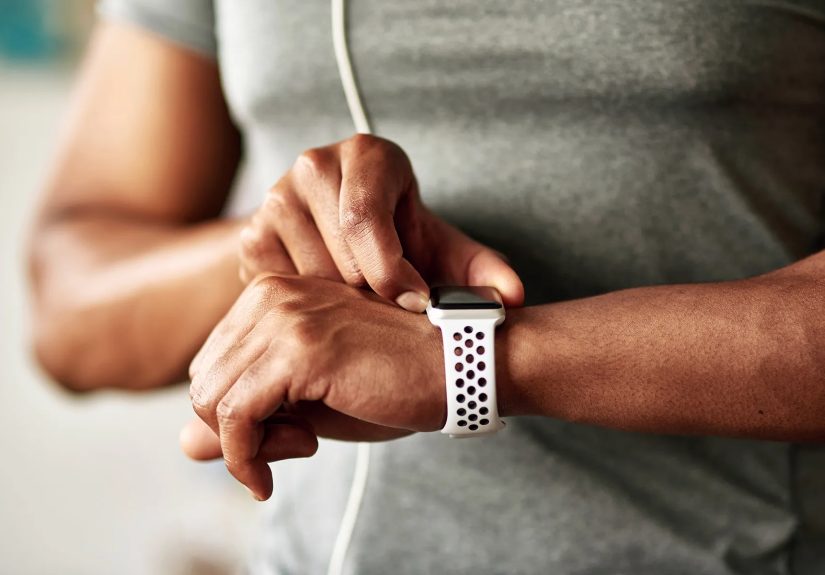
Wrist wearables can do a decent job estimating heart rate for many people, especially at rest and steady
activity. But accuracy can wobble during high-intensity movement, poor sensor contact, darker tattoos under
the sensor area, cold hands, or irregular rhythms. If your device reports something surprising, recheck
manually or with a chest strap (often more reliable for exercise), and pay attention to symptoms.
When to measure resting heart rate
If you want the cleanest resting measurement, do it in the morning after waking (before coffee, scrolling,
or mentally rehearsing arguments you’ll never have). If you’re tracking trends, measure under similar
conditions each time.
Heart Rate Zones: The Exercise Cheat Code (That Isn’t Actually Cheating)
Heart rate zones help you match workout intensity to your goalfatigue management, endurance, conditioning,
or performance. The most common approach uses a percentage of your estimated maximum heart rate.
Step 1: Estimate maximum heart rate
A popular estimate is 220 − age. It’s simple, but not precise for everyone. Some people’s
true max is higher or lower. If your watch or a lab test gives a more individualized max, that may be better.
Step 2: Use target ranges for moderate vs. vigorous activity
Many exercise guidelines describe:
moderate intensity as roughly 50–70% of max heart rate and
vigorous intensity as roughly 70–85% of max heart rate.
Quick example
If you’re 40, your estimated max heart rate is about 180 bpm (220 − 40).
Moderate intensity would be roughly 90–126 bpm (50–70%).
Vigorous would be roughly 126–153 bpm (70–85%).
These are estimatesuse how you feel, too.
The talk test: the low-tech backup that actually works
- Moderate: you can talk, but you probably can’t sing.
- Vigorous: you can say a few words, but chatting is… ambitious.
Want more personalization? Consider heart rate reserve
A more individualized method uses heart rate reserve (max minus resting). One common formula
looks like this:
Target HR = (HRR × intensity) + resting HR
This can better reflect fitness differences. Two people the same age can have very different resting rates,
and HRR accounts for that.
When Heart Rate Is a Red Flag (Not Just “I Had Coffee”)
Some heart rate changes are normal. Others deserve prompt medical attentionespecially when paired with
symptoms.
Get emergency care if you have:
- Chest pain or pressure
- Shortness of breath that’s new or severe
- Fainting, near-fainting, or severe dizziness
- A racing or irregular heartbeat plus weakness, confusion, or worsening symptoms
Situations that should prompt a medical call soon
- Resting heart rate that’s consistently above 100 bpm when you’re calm and not sick
- A very slow heart rate with fatigue, dizziness, weakness, or shortness of breath
- New, frequent palpitations, especially if you have cardiovascular risk factors
- An irregular pulse that keeps happening
The key word is persistent. One weird moment can happen. A repeating patternor symptomsneeds
real evaluation.
Common Reasons Your Heart Rate Changes
Short-term (often temporary) causes
- Stress and anxiety: your nervous system can crank up your bpm fast.
- Dehydration: lower blood volume can make the heart beat faster to compensate.
- Fever/illness: the body’s metabolic demand rises.
- Caffeine, nicotine, alcohol: all can shift heart rate (and sleep quality).
- Medications: stimulants, thyroid meds, some inhalers, and decongestants can raise HR; beta blockers can lower it.
- Sleep debt: your body keeps the “gas pedal” down when it’s overtired.
Longer-term influences
- Fitness level: consistent aerobic training often lowers resting HR over time.
- Body size and conditioning: the heart adapts to chronic demand.
- Underlying heart rhythm issues: may show up as irregular or unusually fast/slow patterns.
- Other health conditions: thyroid disease, anemia, sleep apnea, and others can affect HR.
Think of heart rate like your car’s tachometer. It responds to the terrain, the load, and how hard you’re
pressing the gas. If the tachometer is high while you’re parked, something is worth checking.
Heart Rate Variability: The Trendy Metric With Real Meaning (and Real Caveats)
Heart rate variability (HRV) is the variation in time between heartbeats. A healthy heart
doesn’t beat like a perfectly spaced drum machine. Instead, it shows subtle variability as your nervous
system balances “go mode” and “rest mode.”
What HRV can be useful for
- Tracking recovery from training (high fatigue often lowers HRV)
- Spotting stress and poor sleep patterns
- Building awareness of how lifestyle choices affect your physiology
What HRV is not
It’s not a stand-alone diagnostic tool, and there’s no universal “perfect” number for everyone. HRV varies
a lot by age, fitness, sleep, stress, and measurement method. The best use is comparing you to you:
your baseline, your trend, and your response to habits.
How to Support a Healthier Heart Rate (Without Becoming a Monk)
1) Build aerobic fitness the boring-but-effective way
Consistent moderate activity (think brisk walking, cycling, swimming, easy jogging) helps your heart pump
more efficiently. Over time, many people see a lower resting heart rate and better exercise tolerance.
Start where you are and progress gradually.
2) Sleep like it’s your job (because your heart thinks it is)
Poor sleep can raise resting HR and reduce recovery. Try consistent sleep and wake times, a darker room,
and fewer late-night stimulants. If you snore loudly or feel unrefreshed despite enough hours, talk to a
cliniciansleep apnea is a big deal for heart health.
3) Hydrate and fuel realistically
Dehydration can raise heart rate. So can under-eating, especially if you’re exercising. If your heart rate
spikes at low effort, check hydration, electrolytes (if you sweat heavily), and overall energy intake.
4) Treat stress like a real variable (because it is)
You don’t need a three-hour meditation ritual. Even small habitsslow breathing for a minute, short walks,
sunlight, fewer doom-scroll sessionscan help. Your heart rate often reflects your stress load before your
brain admits it.
5) Don’t ignore the medication and stimulant effect
If your heart rate changed after starting a new medication or supplement, that’s not a coincidence you
should hand-wave. Make a note, track it, and ask your healthcare professional. Also consider caffeine timing
and doseespecially if you’re sensitive.
FAQ: Fast Answers to Common Heart Rate Questions
Is a lower resting heart rate always better?
Not always. Lower can reflect good fitness, but extremely low with symptoms (dizziness, fainting, fatigue)
needs medical evaluation. “Better” means appropriate for your body and situation.
Why does my heart rate jump when I stand up?
Standing shifts blood downward, and your body compensates by increasing heart rate. A mild increase can be
normal. If it’s dramatic or you feel faint, discuss it with a clinicianespecially if it’s frequent.
Why do I feel my heartbeat sometimes?
Palpitations can happen from stress, caffeine, lack of sleep, dehydration, or exercise. Many are benign,
but frequent palpitationsor palpitations with symptomsshould be evaluated.
Should I trust my smartwatch if it says “irregular rhythm”?
Treat it as a useful signal, not a final verdict. Recheck your pulse, note symptoms, and follow up with a
healthcare professionalespecially if the alert repeats.
Real-World Experiences: 5 Heart Rate Moments That Teach You Something (About You)
You don’t really “learn” heart rate from a chart. You learn it when life happens and your body’s dashboard
lights up. Here are five realistic scenarios (composites of common experiences) that show how heart rate
data can be helpful without becoming your new obsession.
1) The “I’m fine” meeting that your heart disagrees with
You’re sitting perfectly still, but your watch says 108 bpm. You’re not sick. You didn’t climb stairs.
Then you realize: you’re about to present in front of people who will ask questions. Your heart rate is
responding to stress hormones, not danger. The lesson? Sometimes your heart rate is a truth-teller.
A simple resetslow breathing for 60 seconds, relaxing your shoulders, unclenching your jawcan bring it
down. It’s not magic; it’s physiology.
2) The new runner who lives in “Zone Panic”
Someone starts jogging and immediately sees their heart rate hit what looks like a scary number. They
assume something is wrongwhen really they’re just new to the activity, and their body is working hard.
They switch to a run-walk pattern and use the talk test: if they can talk but not sing, they’re in a
sustainable moderate effort. Over a few weeks, the same pace produces a lower heart rate. That’s fitness
adaptation in actionand it’s ridiculously motivating.
3) The athlete with “too low” resting heart rate (that’s actually normal for them)
A recreational cyclist notices their morning heart rate is 48 bpm and thinks they’ve broken something.
But they feel greatno dizziness, no fatigue, no breathlessness. For some fit people, low resting numbers
can be normal. The win here is knowing your baseline. If you’ve been training consistently and feel well,
low can be your body’s way of saying, “We’ve upgraded the engine.”
4) The mystery spike that turns out to be dehydration + bad sleep
A person notices their resting heart rate is 10–15 bpm higher than usual for three mornings. They also
feel a little “off,” but nothing dramatic. After a quick audit, they realize they slept poorly, drank
less water, and had more alcohol than usual over the weekend. They hydrate, prioritize sleep, and keep
exercise easy for a day or two. The resting heart rate drifts back toward baseline. The lesson: heart rate
is often a recovery metric wearing a disguise.
5) The smartwatch alert that becomes a helpful nudge
Someone gets repeated irregular rhythm notifications. They don’t feel muchmaybe mild fluttering and a bit
of fatiguebut it keeps happening. They take it seriously, record what they notice (time of day, caffeine,
stress, alcohol, sleep), and see a clinician. Sometimes these alerts are false positives; sometimes they
prompt evaluation that finds a rhythm issue that can be managed. The lesson isn’t “trust the watch blindly.”
It’s “don’t ignore repeated signalsespecially with symptoms.” Your body isn’t trying to ruin your day;
it’s trying to keep you around for more of them.
If there’s a theme in all these experiences, it’s this: heart rate is context.
Use it like a dashboard gaugesomething that helps you drive smarternot like a judge handing down
verdicts. If you track a few metrics (resting HR, exercise HR, how you feel, and maybe HRV), you’ll start
noticing patterns that are surprisingly actionable.
Conclusion: Use Heart Rate as a Tool, Not a Trap
Heart rate is one of the simplest windows into what your body is doing: working, recovering, stressing,
adapting, or occasionally protesting your third cup of coffee. Learn your baseline, track trends under
consistent conditions, use exercise zones as guidelines (not handcuffs), and take symptoms seriously.
If something feels offor keeps happeningget it checked. Your heart is allowed to be dramatic sometimes,
but it should never be ignored when it’s waving a real red flag.