Table of Contents >> Show >> Hide
- Why Squirrel Chasing Looks So Dramatic
- 1. Courtship and Mating Are the Biggest Reasons
- 2. They Are Defending Territory
- 3. They Are Competing for Food or Food Caches
- 4. They Are Establishing Dominance or Driving Off Rivals
- 5. Young Squirrels Chase Each Other to Play and Practice Life Skills
- How to Tell Which Kind of Chase You Are Watching
- Should You Ever Intervene?
- What These Chases Look Like in Real Life: Backyard and Park Experiences
- Conclusion
- SEO Tags
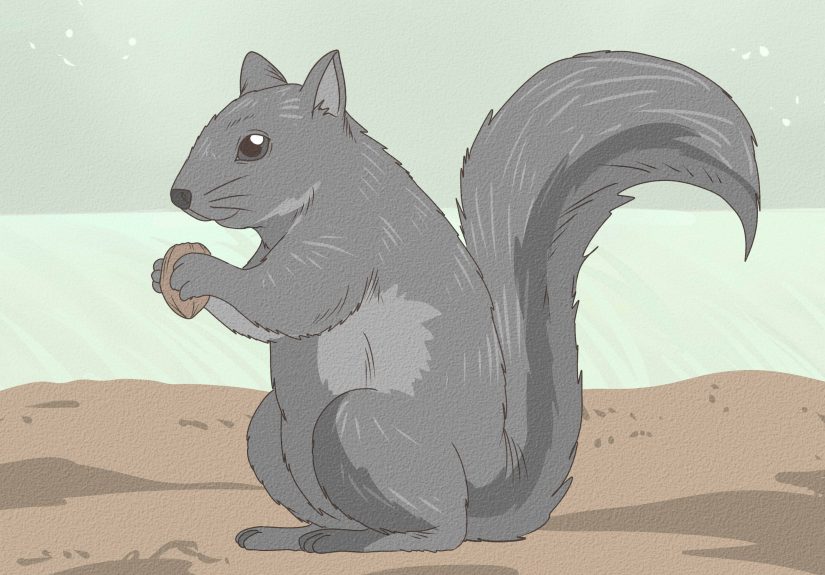
If you have ever watched two squirrels rocket around a tree trunk like furry parkour champions, you have probably wondered whether you just witnessed a fight, a flirtation, or the woodland version of tag. The honest answer is: sometimes it is all of the above, just not at the same time. Squirrel chasing looks chaotic from the ground, but it is usually meaningful behavior tied to survival, reproduction, or social development.
That is why the question “why do squirrels chase each other?” is more interesting than it first appears. A chase can mean romance, rivalry, resource defense, or simple practice for life in the great outdoors. And because different squirrel species behave differently, the answer depends on who is doing the chasing. A red squirrel guarding a food stash is not playing the same game as a gray squirrel pursuing a female in breeding season.
In this guide, we will break down the five most common reasons squirrels chase each other, how to tell one kind of chase from another, and what your local squirrels may be trying to say when they suddenly turn your backyard into an action movie.
Why Squirrel Chasing Looks So Dramatic
Squirrels are built for speed, balance, and acrobatics. Their tails help them steer, their claws grip bark like tiny grappling hooks, and their flexible ankles let them descend trees headfirst. So when one squirrel pursues another, it often looks wilder than it really is. What seems like mortal combat may be a courtship run. What looks playful may actually be a warning that says, “This branch, this feeder, and this acorn buffet are already taken, thanks.”
In short, squirrels chase because chasing is an efficient way to communicate. It burns energy, yes, but it also settles disputes, tests boundaries, and sorts out who gets access to food, mates, or space. Nature is efficient like that. Even when it looks like a tiny soap opera with tails.
1. Courtship and Mating Are the Biggest Reasons
The most common reason squirrels chase each other is courtship. During breeding season, males often pursue a female as she moves through trees and across the ground. In gray squirrels especially, several males may follow one female, each trying to stay close enough to win the mating opportunity. This is why springtime squirrel chases can look so frantic. It is not random. It is competition with a heartbeat.
What a courtship chase looks like
A mating chase usually involves one female leading and one or more males following closely behind. The group may circle a tree, leap from limb to limb, pause, then explode back into motion. If you see two squirrels turn into four and then into what feels like a furry relay race, courtship is a strong possibility.
Gray squirrels often breed in late winter and again in mid-summer, so those are the times when backyard chases become especially common. Fox squirrels show similar behavior, with males initiating pursuit when a female is nearing breeding condition. In some species, the female’s movement and scent help attract the chase party, and the dominant or most persistent male may eventually mate with her.
This kind of chase is less about anger and more about access. That does not mean it is gentle, though. Males jostle, push, cut each other off, and try to outlast rivals. So yes, squirrel romance can look suspiciously like a sports bracket.
2. They Are Defending Territory
Another major answer to why squirrels chase each other is territorial defense. This is especially true for red squirrels, which are much more territorial than gray squirrels. Red squirrels often defend the area around their food hoard or midden and will actively chase intruders away. If another squirrel crosses the wrong invisible line, the resident may respond with vocal calls, tail flicks, and a fast, determined pursuit.
Not all squirrels are equally territorial
This is where species matter. Gray squirrels often have overlapping home ranges and can tolerate one another more than red squirrels do. That means a gray squirrel chase is not always about territory. A red squirrel chase, however, is much more likely to be a direct message: “Leave now.”
Territorial chases are usually shorter and more purposeful than courtship runs. One squirrel bolts in, the resident notices, and then a quick pursuit follows until the trespasser exits the defended area. Sometimes the chase is backed by vocalizations, especially in species known for chatter, growls, or sharp warning sounds.
If you consistently see the same squirrel chase others away from the same tree, stump, or favorite perch, you are probably watching territorial behavior rather than squirrel cardio for fun.
3. They Are Competing for Food or Food Caches
Squirrels do not just eat food when they find it. Many species cache it, meaning they store nuts and seeds for later. That makes food worth defending, stealing, and disputing. So a chase may happen because one squirrel found something valuable or because another squirrel got a little too interested in someone else’s pantry.
Why food fights happen
Gray squirrels scatter-cache, which means they bury food in many small spots. Red squirrels often defend a central hoard more aggressively. Either way, food is survival, especially when colder months are coming or natural food supplies are uneven. A squirrel that chases another away from a feeder, acorn patch, or cache site is not being dramatic. It is protecting calories.
This is especially easy to observe around bird feeders. One squirrel arrives, another spots the buffet, and suddenly there is a high-speed eviction. In urban parks, neighborhood yards, and wooded areas with heavy competition, these resource-based chases can happen often. They are not always long. Sometimes a quick rush is enough to establish who gets first dibs.
Food-related chasing also explains why squirrels can seem surprisingly rude over something as small as a single nut. To us, it is one acorn. To a squirrel, it might be lunch, dinner, and a backup plan.
4. They Are Establishing Dominance or Driving Off Rivals
Not every chase is about a specific mate or snack. Sometimes squirrels chase each other to assert dominance or drive away a rival. This is common in places where squirrels regularly encounter each other, such as parks, campuses, suburban yards, and feeding stations.
Dominance chases are about status
In species like gray squirrels, chasing can help sort out who backs down and who holds the better position. A dominant squirrel may lunge, pursue, or displace a weaker or lower-ranking animal. The subordinate squirrel learns the lesson quickly and often retreats before a real fight happens. That is the point. A chase can prevent a more costly physical conflict.
Dominance behavior also shows up during breeding season, when males compete around females, and around concentrated food sources, where confident squirrels try to control access. In practical terms, chasing is a status move. It says, “I can push you off this branch, this feeder, or this moment.”
These encounters are often quick and repetitive. You may see the same bold squirrel repeatedly sending others packing. If one squirrel tends to win without much resistance, dominance is probably part of the story.
5. Young Squirrels Chase Each Other to Play and Practice Life Skills
Sometimes a chase really is just fun, or at least as close to fun as wild animals get. Juvenile squirrels often chase, tackle, box, wrestle, and rehearse the moves they will need later in life. That play behavior helps them develop coordination, timing, social skills, and maybe a little emotional resilience too. Baby squirrels: adorable, chaotic, and apparently committed to active learning.
Why play matters
Play is not pointless. In young mammals, it can help build physical skill, improve reaction time, and prepare animals for adult interactions. For squirrels, chasing siblings or nearby juveniles may help them practice climbing, dodging, balancing, and reading body language. It can even mimic future courtship or conflict behavior in a lower-stakes setting.
Observers of juvenile ground squirrels have described young animals chasing, tackling, and boxing each other. In tree squirrels, researchers and wildlife observers also note playful social interactions among the young. So if the squirrels look small, evenly matched, and not especially angry, you may be watching a practice session rather than a dispute.
In other words, what looks like a backyard wrestling promotion may actually be squirrel kindergarten.
How to Tell Which Kind of Chase You Are Watching
If you want to decode squirrel behavior more accurately, look at the season, the number of squirrels involved, and what happens before and after the chase.
Quick clues
Courtship chase: often happens in late winter, spring, or mid-summer; may involve one female and multiple males; fast, looping, persistent movement.
Territorial chase: usually begins when one squirrel enters a particular tree, stash area, or defended space; one resident quickly drives another out.
Food chase: happens near feeders, nut patches, or buried caches; often short and direct.
Dominance chase: one squirrel repeatedly displaces another, especially in crowded areas.
Play chase: usually involves younger squirrels; lots of bouncing, pausing, re-engaging, and less obvious hostility.
Also pay attention to sound. Barking, chattering, or agitated calls can signal tension, especially in territorial or defensive encounters. A silent, flowing pursuit with multiple males may point more toward mating activity.
Should You Ever Intervene?
Usually, no. Normal squirrel chasing is part of ordinary wildlife behavior. As long as the animals are wild, active, and not visibly injured, it is best to let them work out their squirrel business without human refereeing.
The exception is when a squirrel appears unable to escape, seems badly injured, or shows unusual behavior such as approaching people repeatedly, dragging limbs, or collapsing. A very young squirrel following people or trying to climb humans may be orphaned and may need a licensed wildlife rehabilitator.
Otherwise, the smartest move is simple: watch, learn, and enjoy the show from a respectful distance.
What These Chases Look Like in Real Life: Backyard and Park Experiences
Spend enough time in a neighborhood with mature trees, and you start to recognize that squirrel chases have different moods. The classic backyard scene often starts at a bird feeder. One gray squirrel settles in for a snack like it has a reservation. Then a second squirrel appears on a branch above, freezes for one dramatic beat, and dives into the scene like it just remembered an urgent meeting. The first squirrel grabs one last seed and bolts. Chase on.
At first glance, it feels personal. But once you watch more carefully, patterns emerge. Around feeders, the chases are often short, sharp, and territorial in a very local sense. The winner does not necessarily own the whole yard. It just controls that exact buffet table for the next few minutes. Five minutes later, the same squirrel may be chased off by a bigger rival. Power in squirrel society can look surprisingly temporary.
In early spring, the tone changes. Courtship chases are wilder, longer, and much more theatrical. You may see one squirrel streak up a trunk while two or three others follow, overshoot, double back, and circle again. It can look like total nonsense until you realize the lead squirrel is often the female and the others are competing males. Suddenly the scene makes more sense. It is less random chaos and more speed dating with claws.
Young squirrels bring a different energy altogether. Juveniles often look clumsier, more curious, and more willing to re-engage after a chase ends. They tumble. They stop for no obvious reason. They appear to forget why they started running, then immediately start again. If adult squirrels often resemble tense commuters, juvenile squirrels resemble kids at recess after too much juice.
Park observers notice another useful clue: location matters. Around one particular oak, a squirrel may repeatedly drive others away. Near an open lawn, the same species may tolerate neighbors just fine. That is because squirrels are not defending every inch of the world equally. They care most about high-value places such as food patches, nest areas, or routes used during breeding activity.
These real-life observations help explain why people so often misread squirrel behavior. We tend to assume every chase has one meaning. In reality, squirrels use the same athletic toolkit for different purposes. Running, leaping, circling, freezing, and lunging can show up in romance, rivalry, resource defense, and play. The trick is reading the context, not just the movement.
And honestly, that is part of what makes squirrels so entertaining. They are common enough to ignore, but once you start paying attention, their behavior becomes oddly rich and funny. The next time two squirrels spiral around a tree like furry tornadoes, you will know there is probably a reason behind the madness. It may be love. It may be lunch. It may be dominance. Or it may just be two youngsters practicing for the day life gets serious.
Conclusion
So, why do squirrels chase each other? Most often, they are doing one of five things: courting a mate, defending territory, competing for food, establishing dominance, or playing while young. The behavior looks frantic because squirrels are built for quick movement, but the chase itself is usually purposeful.
The biggest takeaway is that squirrel chasing is not random. It is communication in motion. If you watch the season, the setting, and the squirrels involved, you can often decode what is happening with surprising accuracy. In other words, your local squirrels are not merely being chaotic little acrobats. They are solving real problems at high speed, with exceptional tail work.