Table of Contents >> Show >> Hide
- Why Build a Deck Over Concrete Instead of Removing It?
- Pre-Project Checks You Should Never Skip
- Best Framing Methods for a Deck Over Concrete
- Materials and Hardware That Matter
- Step-by-Step: How to Build a Deck Over a Concrete Patio
- Step 1: Plan the deck layout and finished height
- Step 2: Inspect, clean, and prep the slab
- Step 3: Establish drainage and ventilation strategy
- Step 4: Install sleepers or frame supports
- Step 5: Flatten the framing plane
- Step 6: Apply framing protection
- Step 7: Install deck boards with correct gapping
- Step 8: Handle perimeter, edges, and fascia
- Step 9: Build stairs/rails where required
- Step 10: Final fastener check and inspection prep
- Step 11: Seal/finish (for wood) and maintain
- Practical Example: 12×16 Deck Over a Concrete Patio
- Common Mistakes (and How to Avoid Them)
- Maintenance Plan for Long-Term Performance
- Conclusion
- Field Notes: of Real-World Experience Building Decks Over Concrete
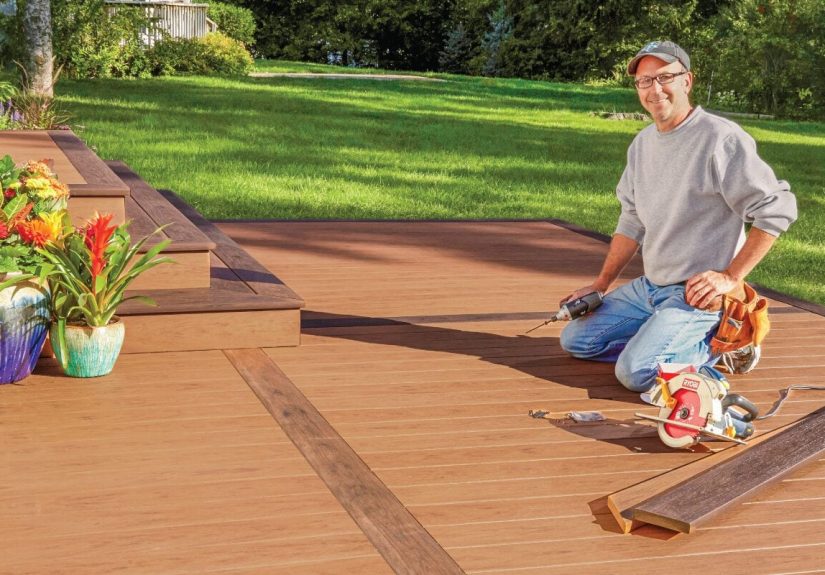
If your backyard concrete patio currently looks like a giant gray pancake, don’t panicyou can absolutely transform it into a warm, inviting deck without ripping out every inch of slab. Building a deck over concrete is one of the smartest outdoor upgrades for homeowners who want better looks, better comfort, and less demolition drama.
This guide shows you exactly how to build a deck over a concrete patio in a practical, code-aware, real-world way. It synthesizes proven advice used across major U.S. building resources and deck experts, then translates that into one clear plan you can actually follow. You’ll learn which framing method fits your patio, how to handle drainage and airflow, what to buy, and what mistakes to avoid if you want your deck to last for yearsnot just one Instagram season.
Why Build a Deck Over Concrete Instead of Removing It?
Demolishing concrete is loud, dusty, expensive, and occasionally an upper-body workout nobody asked for. In many cases, if your slab is stable enough, you can use it as part of your base and save serious time and money.
Benefits of Decking Over a Concrete Patio
- Faster project timeline: Less teardown, less hauling, less chaos.
- Potentially lower cost: You may avoid concrete removal and disposal fees.
- Major visual upgrade: Wood or composite decking feels warmer and more modern.
- More comfort: Deck surfaces are easier on bare feet than sun-baked concrete.
- Flexible design: You can add borders, steps, skirting, lighting, and rails.
That said, “build over” is only smart when moisture and structure are handled correctly. A deck that traps water is basically a very expensive sponge. So we start with checksnot cutting boards.
Pre-Project Checks You Should Never Skip
1) Verify local code and permit requirements
Some ground-level decks may not require a permit, while others doespecially when tied to the house, when guardrails are needed, or when structural posts and footings are involved. Always verify with your local building department before buying materials. It’s not glamorous, but neither is rebuilding a non-compliant deck.
2) Check utilities before excavation
If your design involves digging for footings (traditional frame option), call 811 before you dig. Utility lines can be shallower than expected, and “surprise gas line” is never a plot twist you want.
3) Evaluate slab condition honestly
Inspect for major structural cracking, settling, puddling, and severe spalling (surface flaking). Minor imperfections can often be patched or leveled. Major movement issues usually mean you should either remove the slab or build an independent structural frame with proper footings.
4) Confirm drainage path
Water must move away from the house and out from under the deck. If you don’t have drainage and airflow, your framing can age fast. Think of drainage as insurance you install once and appreciate forever.
5) Measure height at door thresholds
The finished deck elevation needs to coordinate with doors, steps, and transitions. If you run out of height, a low-profile sleeper system may be your best friend. If you have room, an independent frame gives longer-term performance and flexibility.
Best Framing Methods for a Deck Over Concrete
Option A: Fully Supported Sleeper System (Low Profile)
Pressure-treated sleepers sit directly on the concrete and are anchored with concrete fasteners. This is a popular method where height is limited.
- Pros: Lower profile, straightforward layout, often lower framing cost.
- Cons: Less airflow beneath framing; moisture management becomes critical.
Option B: Elevated Sleepers (Shims/Spacers/Brackets)
Sleepers are supported and leveled with shims or specialty brackets so they’re not fully pressed against the slab.
- Pros: Better airflow than full-contact sleepers; still relatively low profile.
- Cons: Slower to install, requires more precision when leveling.
Option C: Independent Structural Deck Frame
This is a conventional deck frame built above/around the slab with its own posts and code-compliant footings.
- Pros: Better longevity, better airflow, less dependence on slab condition, easier to extend beyond patio footprint.
- Cons: More labor, higher material cost, and usually permits/inspections.
Rule of thumb: If concrete condition is questionable or you want maximum lifespan, independent framing usually wins. If height is tight and slab condition is good, sleepers can work well.
Materials and Hardware That Matter
A deck over concrete is not the place to “save” money by using the wrong lumber rating or fasteners. Use proper materials once and skip future regret.
Core Materials
- Ground-contact-rated pressure-treated lumber for sleepers/framing where required
- Composite or wood deck boards (follow the board manufacturer’s install instructions)
- Concrete screws/anchors rated for structural and exterior use
- Joist/beam protection tape for top edges of framing members
- Corrosion-resistant connectors and fasteners (galvanized/stainless where needed)
- Plastic/composite shims or approved sleeper supports for leveling
- Flashing/waterproofing membrane at critical transitions
Tools You’ll Likely Use
- Rotary hammer or hammer drill
- Circular saw and/or miter saw
- Impact driver and drill bits
- Laser or long level + straightedge
- Chalk line, tape measure, speed square
- PPE: eye protection, hearing protection, dust protection
Step-by-Step: How to Build a Deck Over a Concrete Patio
Step 1: Plan the deck layout and finished height
Map deck size, board direction, picture-frame border (if any), stairs, and transitions at doors. Decide whether your deck boards run parallel or perpendicular to the house. Mark your target finished surface elevation clearly.
Step 2: Inspect, clean, and prep the slab
Pressure wash debris, remove loose coatings, and repair minor defects. Fill problematic low spots if needed. If water currently ponds on the slab, address it now before framing hides the issue.
Step 3: Establish drainage and ventilation strategy
Your design must allow water to move through/away and air to circulate beneath the deck boards. This usually means proper board gapping, spacing between framing and concrete where required, and avoiding trapped pockets against the house.
Step 4: Install sleepers or frame supports
Lay out sleeper lines based on deck board and manufacturer requirements. Start from a reference line, then level each run. Use shims/supports as needed. Anchor sleepers to concrete with appropriate fasteners at consistent intervals.
Step 5: Flatten the framing plane
This is the step most DIYers rushand regret. Use a long straightedge and level to verify all framing members are in the same plane. A perfectly flat framing plane gives you clean board lines and no annoying “trampoline spots.”
Step 6: Apply framing protection
Install joist tape or equivalent top protection on framing members before decking goes down. This helps reduce moisture intrusion at fastener penetrations and extends framing life.
Step 7: Install deck boards with correct gapping
Follow your decking brand’s instructions exactly for gap spacing and edge/end clearances. Do not install boards directly on concrete. If using wood, allow for seasonal movement. If using composite, thermal expansion rules matter even more.
Step 8: Handle perimeter, edges, and fascia
Trim overhangs cleanly with a chalk line and saw guide. Add fascia or skirting details while keeping airflow paths open. If you’re enclosing the sides, use venting strategy so the deck can breathe.
Step 9: Build stairs/rails where required
If deck height triggers guard requirements, install code-compliant rails. Keep baluster spacing and rail height compliant in your jurisdiction. Stairs should have consistent rise/run and secure connections.
Step 10: Final fastener check and inspection prep
Re-check anchors, board fastening, edges, and transitions to doors. If permit-required, schedule final inspection. A checklist walk-through here saves future callbacks to yourself.
Step 11: Seal/finish (for wood) and maintain
Pressure-treated wood decking often needs appropriate dry time before stain/sealer. Composite needs less ongoing care but still benefits from periodic cleaning. Keep drainage pathways clear of leaves and debris.
Practical Example: 12×16 Deck Over a Concrete Patio
Let’s say you have a 12×16 patio in decent shape with limited threshold height under your back door. An elevated sleeper system may be the sweet spot:
- Concrete is cleaned and patched where minor pitting exists.
- Sleepers are laid out on a consistent on-center pattern based on deck board specs.
- Shims are used to flatten the plane and preserve drainage direction away from the home.
- Sleepers are anchored with concrete screws, then topped with joist tape.
- Composite decking is installed with hidden fasteners and manufacturer-set gapping.
- Perimeter fascia is vented to preserve airflow under framing.
End result: cleaner look, comfortable footing, and no demolition landfill party.
Common Mistakes (and How to Avoid Them)
Mistake 1: Installing deck boards directly on concrete
Don’t do it. Differential movement, trapped moisture, and fastening problems can destroy performance quickly.
Mistake 2: Ignoring slab drainage issues
If water ponds now, it will still pond laterjust invisibly under your new deck.
Mistake 3: Using non-rated lumber/fasteners
Exterior framing needs proper treatment ratings and compatible corrosion-resistant hardware.
Mistake 4: Underestimating leveling time
A beautiful top surface starts with a boringly precise substructure. Measure, shim, re-check, repeat.
Mistake 5: Skipping permit/code checks
Even if your deck is low-profile, local rules can still apply to attachment, rails, and inspections.
Maintenance Plan for Long-Term Performance
- Clean debris between boards and around perimeter every season.
- Inspect fasteners, connectors, and any exposed framing annually.
- Keep landscaping and mulch from blocking airflow under deck edges.
- For wood decking, recoat finish based on wear and climate.
- Address standing water immediatelydon’t let “small puddle” become “big repair.”
Conclusion
Building a deck over a concrete patio is one of the highest-impact backyard upgrades when done right. The winning formula is simple: verify code, evaluate slab condition, pick the right framing method, and prioritize water management like your project depends on itbecause it does.
Whether you choose low-profile sleepers or an independent structural frame, the best deck is the one that stays level, dries well, and feels great every time you step outside. Plan carefully, build deliberately, and your old concrete patio can become your new favorite roomminus walls, plus sunsets.
Field Notes: of Real-World Experience Building Decks Over Concrete
Across dozens of homeowner case studies and contractor walk-throughs, one pattern appears again and again: the projects that succeed are not necessarily the most expensive onesthey are the ones with the best prep. People often begin these projects focused on the visible finish (board color, rail style, hidden fasteners), but the long-term winners obsess over what nobody sees: water flow, airflow, and a flat framing plane.
In lower-profile retrofits, homeowners frequently report that sleeper alignment takes longer than expected. A patio that looks “pretty flat” at a glance can vary enough to create noticeable bounce or ripples if sleepers are rushed. Experienced builders solve this with a systematic process: establish one control line, work from high points, shim consistently, and check each run with a long straightedge. They don’t trust eyeballing, and they definitely don’t trust optimism.
Another common lesson involves moisture. Many first-time builders assume concrete is “dry enough” because the top looks dry by noon. But decks over concrete often trap humidity at the interface. Teams that install framing protection tape, maintain gapping, and preserve ventilation openings consistently report fewer callbacks for odor, staining, and early framing fatigue. In other words, the deck that breathes well ages better.
Material compatibility is also a recurring theme. Contractors who build in humid, coastal, or freeze-thaw regions stress that fastener and connector selection is not a minor detailit is a structural detail. Projects that cut corners on hardware often show rust staining, fastener head failures, or connector deterioration years sooner than expected. Projects that match treatment ratings and corrosion requirements hold up better and stay quieter under foot traffic.
Homeowners also learn quickly that transitions matter more than they thought. Door thresholds, stair tie-ins, and perimeter details are where otherwise good decks become awkward. Smart builds allocate time to these zones early in planning. When elevation and transitions are right, the new deck feels intentionallike it was always part of the home, not a platform added in a weekend sprint fueled by takeout and determination.
One final practical insight: expectations should match the chosen system. Sleeper builds can be excellent, especially with tight height constraints, but they demand disciplined moisture management and precision. Independent frame systems usually cost more up front, but homeowners often feel they “buy peace of mind,” especially on older patios with settlement history. Neither method is universally better; the correct choice depends on slab condition, clearance, budget, and maintenance tolerance.
The strongest projects share the same mindset: treat the deck as a small structure, not a cosmetic layer. When people plan for inspections, document measurements, and follow manufacturer and local code requirements, the result is a deck that looks good in photos and performs well in year five, year ten, and beyond. That’s the difference between a quick upgrade and a durable outdoor living space.