Table of Contents >> Show >> Hide
- Why Yoga Can Help Psoriatic Arthritis (Without Claiming It’s Magic)
- Safety First: The “Green Light / Yellow Light / Red Light” System
- Best Types of Yoga for Psoriatic Arthritis
- The PsA-Friendly Pose Menu (With Modifications)
- 1) Belly Breathing (Diaphragmatic Breathing)
- 2) Cat–Cow (spine mobility)
- 3) Child’s Pose (or Supported Child’s Pose)
- 4) Standing Side Bend (easy rib and spine stretch)
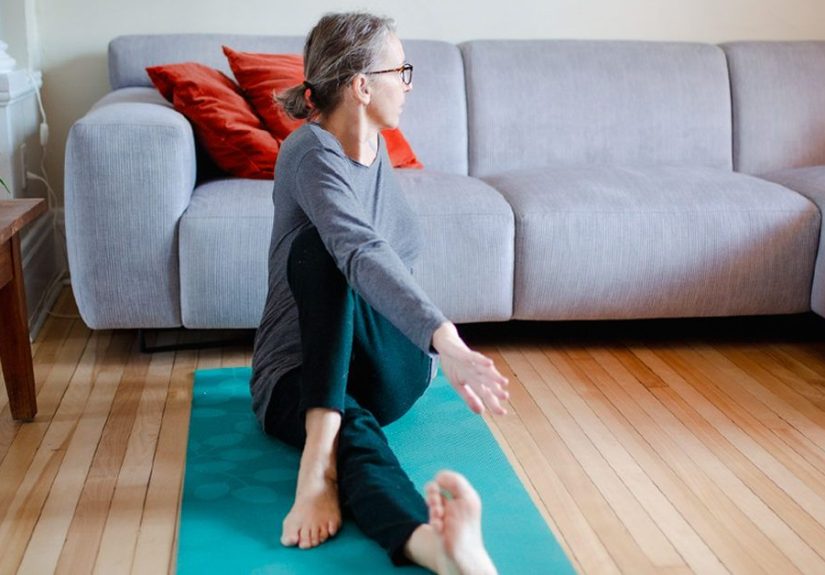
- 5) Seated Spinal Twist (chair-friendly)
- 6) Cobbler’s Pose (hip opener)
- 7) Bridge Pose (gentle strength for hips/back)
- 8) Legs Up the Wall (swelling-friendly relaxation)
- 9) Mountain Pose (Tadasana) for alignment
- 10) Supported Forward Fold (standing or seated)
- 11) Warrior I / II (modified)
- 12) Tree Pose (with support)
- Common PsA Trouble Spots and How to Modify
- Three Mini-Sequences You Can Steal
- How Often Should You Do Yoga for PsA?
- Pro Tips to Make Yoga Work With (Not Against) Your Treatment Plan
- FAQs (Because Your Brain Will Ask These Anyway)
- Conclusion: Yoga for Psoriatic Arthritis Should Feel Like Support
- Experience Notes: What Practicing Yoga With PsA Feels Like (Realistic, Not Perfect)
Psoriatic arthritis (PsA) has a special talent: it can make your joints feel like they’re filled with wet sand… and then it politely schedules that feeling for the exact moment you need to open a jar, walk down stairs, or type “just one quick email.” The good news: movement is often part of the solution, and yoga can be one of the friendliest ways to move when your joints are cranky.
This guide breaks down the best yoga styles for psoriatic arthritis, a menu of joint-friendly poses, and smart modifications so you can build a practice that supports mobility, strength, balance, and stress reliefwithout turning your mat into a “why did I do this?” regret zone. (Standard reminder: this is educational, not medical advice. If you have active inflammation, unstable joints, severe pain, or spine involvement, check in with your clinician or physical therapist before trying new moves.)
Why Yoga Can Help Psoriatic Arthritis (Without Claiming It’s Magic)
PsA often involves stiffness, pain, swelling, tendon/ligament irritation (enthesitis), and fatigue. Yoga doesn’t “cure” inflammationbut it can support the things that help you function better day to day:
- Range of motion: gentle joint movement can help reduce stiffness and keep you mobile.
- Strength: stronger muscles help support joints, which can reduce stress on irritated areas.
- Balance and posture: mindful movement can improve body mechanics and lower fall risk.
- Stress management: breathing + relaxation practices may help you feel more in control, which matters because stress can amplify pain and disrupt sleep.
- Sleep and mood support: calmer nervous system, steadier routine, fewer “pain spirals at 2 a.m.”
A realistic goal is better function and better daysnot perfection. Yoga is best viewed as a low-impact tool in a larger PsA toolkit (meds when needed, medical care, strength work, walking, sleep, stress management, and pacing).
Safety First: The “Green Light / Yellow Light / Red Light” System
Green light (go ahead)
- Mild stiffness that eases once you start moving.
- Stable joints, low pain, and no new swelling.
- You can breathe normally and keep movements slow and controlled.
Yellow light (modify)
- Flare-y days: you feel puffy, hot, or more tender than usual.
- Morning stiffness that needs extra warm-up time.
- One “problem joint” (like a wrist, knee, or toe) that doesn’t want to cooperate today.
On yellow-light days, think: smaller range of motion, more support, fewer holds. Swap weight-bearing poses for chair or floor versions, and keep things gentle.
Red light (pause and get help)
- Sharp, stabbing pain or joint pain that keeps worsening as you move.
- New significant swelling, redness, warmth, or sudden loss of function.
- Numbness, tingling, dizziness, or pain that feels “nerve-y.”
- Recent injury, surgery restrictions, or clinician-advised limits.
Also: if you’re flexible because inflammation has made joints unstable (it happens), yoga should emphasize stability and control, not “how far can I fold myself into origami.”
Best Types of Yoga for Psoriatic Arthritis
Not all yoga is created equal. Some styles are basically a moving meditation. Others are basically a sweaty push-up audition. With PsA, you’ll usually do better with classes that prioritize alignment, props, slow transitions, and options.
1) Gentle / Beginner Hatha
Slower pace, simpler sequences, more time to set up poses. Great for building consistency without overdoing it.
2) Iyengar (props + precision)
Known for blocks, straps, chairs, and detailed alignment cues. If your joints are unpredictable, props can be your best friends.
3) Restorative Yoga
Supported poses held for longer with bolsters/blanketsideal for flare days, fatigue, and nervous system downshifting.
4) Yin Yoga (with caution)
Long holds, deeper stretching. This can feel amazing for some and too intense for othersespecially if you’re dealing with inflamed tendons or hypermobility. Keep the intensity low (think “mild sensation,” not “I’ve become a pretzel”).
5) Chair Yoga
Excellent if standing balance is tough, if your feet/ankles are painful, or if you’re conserving energy. Also great for office breaks.
What to approach carefully
- Hot yoga: heat can feel good, but it may also increase swelling or fatigue for some people.
- Fast vinyasa/power yoga: lots of transitions and weight-bearing on wrists/shoulders can be too much during flares.
- Extreme stretching: if you have unstable joints, chasing flexibility can backfire.
The PsA-Friendly Pose Menu (With Modifications)
Think of these poses as ingredients, not a strict recipe. Choose what feels supportive today. Use props. Use the wall. Use a chair. Use a rolled-up towel. Use your common sense. (It’s the most underrated yoga prop.)
1) Belly Breathing (Diaphragmatic Breathing)
Lie on your back or sit comfortably. Place hands on your abdomen. Inhale so your hands rise gently; exhale slowly and evenly. This is a low-effort way to calm the nervous system and reduce “bracing” in the body.
2) Cat–Cow (spine mobility)
On hands and knees (or forearms if wrists complain), alternate between rounding and gently arching your spine. Keep it slow.
- Wrist-friendly: make fists, use yoga wedges, or do it seated (hands on thighs, round/arch the spine).
- Knee-friendly: pad knees with a folded blanket.
3) Child’s Pose (or Supported Child’s Pose)
Kneel and fold forward with support under your chest or hips. If knees hate this, do a “tabletop rest” with forearms on a chair and hips back.
4) Standing Side Bend (easy rib and spine stretch)
Stand tall, feet hip-width. Reach one arm overhead and lean gently to the sideno collapsing, no yanking. Great for stiffness without stressing knees.
5) Seated Spinal Twist (chair-friendly)
Sit tall. Rotate gently from the ribcage, not by wrenching the lower back. Keep hips grounded. Breathe.
- Rule: twists should feel like a wring-out, not a car accident reenactment.
6) Cobbler’s Pose (hip opener)
Sit tall, soles of feet together, knees open. If hips or knees protest, sit on a folded blanket and support knees with blocks or pillows.
7) Bridge Pose (gentle strength for hips/back)
Lie on your back, knees bent, feet on the floor. Lift hips slowly. Option: place a block under the sacrum for a supported version.
- Why it helps: builds glute strength and supports postureuseful if back/hip stiffness tags along with PsA.
8) Legs Up the Wall (swelling-friendly relaxation)
Sit beside a wall, swing legs up, and rest. This is a restorative pose that many people find helpful for end-of-day heaviness. If hamstrings pull, scoot farther from the wall or bend knees.
9) Mountain Pose (Tadasana) for alignment
Stand with soft knees, weight evenly distributed, ribs stacked over pelvis. It looks “too simple” until you realize posture is a full-time job.
10) Supported Forward Fold (standing or seated)
Fold only as far as comfortable. Let arms hang or rest hands on blocks/chair seat. Keep knees slightly bent.
11) Warrior I / II (modified)
Warriors can be great for leg strength and balancebut they can also annoy knees if alignment is off.
- Knee rule: keep the front knee tracking over the ankle, not collapsing inward.
- Shorten stance: smaller step = less strain.
- Use a wall/chair: one hand can lightly touch for balance and confidence.
12) Tree Pose (with support)
Great for balance. Keep toes on the floor if needed (kickstand style). Use a wall. No one is grading you.
Common PsA Trouble Spots and How to Modify
If wrists or fingers hurt
- Use fists or forearms for tabletop work.
- Try yoga wedges or folded towels to reduce wrist extension.
- Choose more standing and seated poses over down-dog-heavy flows.
If knees are the issue
- Pad the knees generously.
- Reduce deep bends (skip full squat-y chair pose on flare days).
- Use chair yoga for strength without compression.
If feet/toes are flaring (hello, dactylitis)
- Limit long standing holds.
- Use supportive footwear off the mat if needed (yes, that can be allowed).
- Focus on floor-based poses and gentle ankle circles.
If you have spine/SI involvement
- Prioritize gentle mobility (cat–cow, supported twists, breath-led movement).
- Avoid aggressive deep twists and extreme backbends.
- Consider guidance from a physical therapist or a yoga therapist.
Three Mini-Sequences You Can Steal
1) Morning stiffness (10–12 minutes)
- Belly breathing (1 minute)
- Seated cat–cow (1–2 minutes)
- Neck + shoulder rolls (1 minute)
- Chair twist (30 seconds each side, repeat)
- Supported forward fold (1 minute)
- Standing side bend (30 seconds each side)
- Bridge pose (6–8 slow reps or 2 short holds)
2) Desk-break reset (5 minutes)
- Feet on floor, lengthen spine, slow breathing (30 seconds)
- Ankle circles + heel-toe raises (1 minute)
- Seated twist (1 minute total)
- Seated figure-four stretch (optional, 30–45 seconds each side)
- Shoulder blade squeezes + gentle side bend (1–2 minutes)
3) Evening wind-down (12–15 minutes)
- Supported child’s pose or chair-supported rest (2 minutes)
- Cat–cow (1–2 minutes)
- Legs up the wall (5 minutes)
- Body scan + slow breathing (3–5 minutes)
How Often Should You Do Yoga for PsA?
Consistency beats heroics. Many people do well with 15–20 minutes most days, especially for range of motion and stress support. On stronger days, you can add light strength-focused holds or longer sessions. On flare days, shorter restorative or chair-based practice can keep you moving without poking the bear.
A simple intensity check: you should be able to breathe smoothly and talk in short sentences. If you’re holding your breath or grimacing, back off. Yoga is not supposed to be a silent suffering contest.
Pro Tips to Make Yoga Work With (Not Against) Your Treatment Plan
- Warm up first: gentle range-of-motion movements before bigger stretches.
- Use heat wisely: a warm shower or heat pack can loosen stiffness before practice; ice can feel better after if you’re swollen.
- Keep a “flare plan”: have a short restorative routine ready so you don’t default to total inactivity.
- Track patterns: note which poses feel good and which ones repeatedly aggravate a joint.
- Work with pros: physical/occupational therapists and experienced instructors can tailor modifications to your joints.
FAQs (Because Your Brain Will Ask These Anyway)
Can yoga reduce inflammation in PsA?
Yoga is best supported as a complementhelping with mobility, function, stress, and quality of life. It’s not a replacement for medical management of inflammatory disease activity.
Is it okay to do yoga during a flare?
Often, yesif you scale it down dramatically. Think breathing, very gentle range of motion, and restorative support. Avoid intense holds, strong stretches, and loaded joints when they’re hot and swollen.
What if I’m not flexible?
Perfect. Yoga was never supposed to be a flexibility pageant. Props exist for a reason, and strength + control matter more than touching your toes.
Conclusion: Yoga for Psoriatic Arthritis Should Feel Like Support
The best yoga practice for psoriatic arthritis is the one that helps you move a little more easily tomorrow than you did today. Choose a gentle style, prioritize alignment and support, and treat modifications as a sign of intelligencenot weakness. Start small, stay consistent, and let your practice be flexible enough to match your symptoms.
Experience Notes: What Practicing Yoga With PsA Feels Like (Realistic, Not Perfect)
If you’re new to yoga with psoriatic arthritis, the first “experience” is usually this: you show up hoping for a peaceful stretch… and then your body files a formal complaint in three separate joints. That’s normal. PsA can be unpredictable, which means your yoga practice has to be more like a playlist than a rulebookskip the tracks you hate, replay the ones that work, and don’t force yourself to listen to “advanced arm balances” when you came for “gentle acoustic mobility.”
A lot of people describe the early weeks as a strange mix of wins and surprises. The wins are small but meaningful: standing up from a chair feels smoother, your shoulders sit a little lower instead of living up by your ears, and morning stiffness eases faster because you’ve been practicing gentle movement instead of waking up and immediately negotiating with your knees like they’re a hostile committee. The surprises are the sneaky spots: wrists that don’t love being flattened on the mat, toes that suddenly throb during long standing poses, or a hip that feels “tight” until you realize it’s not tightit’s just asking for stability and support.
One of the biggest mindset shifts is learning to treat props like premium equipment, not training wheels. Blocks aren’t “cheating.” They’re adjustable floors. A strap isn’t “admitting defeat.” It’s a way to stretch without yanking on tender tendons. A chair isn’t a downgrade. It’s a brilliant tool for days when fatigue is high or balance feels off. Plenty of people with PsA end up with a favorite home setup: a folded blanket for knees, two blocks, a strap, and a wall nearby. The wall becomes the quiet herosupport for tree pose, stability for lunges, and a safety net for days when your body is feeling dramatic.
Another common experience: the practice that helps most isn’t always the one that looks impressive. Restorative sessions can feel almost comically gentlelike, “Wait, I’m lying here supported by pillows… is this yoga or a high-quality nap?” But many people report that this kind of downshift helps them un-clench, breathe deeper, and reduce that full-body guarding that ramps pain up. On tougher days, doing less can actually help you do more later.
Over time, you’ll probably start building an internal “symptom translation” skill: you’ll know the difference between a healthy stretch sensation and a warning signal. You’ll notice which poses make you feel better the next day (often gentle spine mobility, supported folds, and light hip strength) and which ones reliably set off a grumpy joint (often long wrist-loaded holds or deep knee angles during a flare). That’s not failureit’s information. And in PsA management, good information is basically a superpower.
The most encouraging experience people share is this: yoga becomes less about chasing a shape and more about creating a rhythm. Some days you’ll do a full 20 minutes and feel strong. Some days you’ll do five minutes of breathing and a chair twist and call it a win (because it is). When you stop measuring success by intensity and start measuring it by consistency, yoga becomes sustainableand sustainability is what makes it helpful.