Table of Contents >> Show >> Hide
- What Carpal Tunnel Syndrome Actually Is
- Do Pressure Points Help Carpal Tunnel?
- Before You Start: Safety Rules for Pressure Points
- Your Main Carpal Tunnel Pressure Points
- A 5-Minute Routine for Carpal Tunnel Pressure Points
- What Actually Works Beyond Pressure Points
- Common Mistakes People Make
- When to See a Doctor
- Final Takeaway
- Real-Life Experiences With Carpal Tunnel Pressure Points
If your hand keeps going numb while you sleep, your wrist may be staging a tiny, deeply inconvenient rebellion. One minute you’re typing, scrolling, gaming, driving, or heroically opening pickle jars. The next, your thumb and fingers are buzzing like a phone left on silent. That is why so many people go hunting for carpal tunnel pressure points: they want relief now, not after reading a thousand dry medical pamphlets and one suspicious forum post written by “WristWizard42.”
Here’s the honest version: pressure points can be a helpful comfort tool for some people, especially when wrist and forearm muscles feel tight and irritated. But they are not a magic reset button for carpal tunnel syndrome. If you have true carpal tunnel, the issue involves pressure on the median nerve as it passes through a narrow space in the wrist. So while acupressure may calm the neighborhood, it does not bulldoze the traffic jam.
This guide explains what carpal tunnel pressure points can realistically do, how to use them safely, and which treatments deserve the starring role in your routine. Think of pressure points as the backup singers: useful, supportive, occasionally excellent, but not the whole concert.
What Carpal Tunnel Syndrome Actually Is
Carpal tunnel syndrome happens when the median nerve gets squeezed at the wrist. That nerve helps control sensation in the thumb, index finger, middle finger, and part of the ring finger. It also helps with movement around the base of the thumb. When the nerve gets crowded, symptoms often include tingling, numbness, burning, aching, clumsiness, and weakness.
Classic carpal tunnel signs include symptoms that are worse at night, discomfort while driving, trouble holding a phone, or the feeling that your fingers are wearing invisible mittens. Some people also notice they are dropping things more often, which is a rotten surprise when the thing is a coffee mug.
A lot of different factors can contribute: repetitive gripping, prolonged wrist flexion or extension, swelling, inflammatory conditions, pregnancy, diabetes, wrist anatomy, or simply a hand that has decided it has had enough of your keyboard habits. The severity can range from mildly annoying to “why can’t I button my shirt without negotiating with my thumb?”
Do Pressure Points Help Carpal Tunnel?
They can help some people feel better temporarily. That matters. Pain relief, reduced tension, and a calmer hand are not imaginary wins. But pressure points work best as a symptom-management strategy, not as a cure. If your nerve is compressed, the bigger plan still matters: night splinting, activity changes, ergonomic adjustments, clinician-guided exercises, and medical treatment when needed.
It also helps to separate three related but different ideas:
- Pressure points / acupressure: using finger pressure on specific points.
- Massage: working on muscles and soft tissue to ease tension.
- Exercises and nerve glides: specific movements meant to improve mobility and reduce irritation.
These can overlap, and many people blend them together. That is fine, as long as the routine is gentle, sensible, and not making symptoms worse.
Before You Start: Safety Rules for Pressure Points
Before you go full self-appointed hand mechanic, keep these rules in mind:
- Use firm but comfortable pressure, not “I’m trying to tenderize steak” pressure.
- Stop if you feel sharp pain, increased tingling, or more numbness.
- Do not press over open wounds, rashes, infections, or swollen irritated skin.
- If you are pregnant, avoid LI-4, the point in the web between the thumb and index finger.
- If you have constant numbness, visible thumb weakness, muscle wasting, or symptoms that are getting worse, get evaluated by a healthcare professional.
The goal is not to bully your hand into submission. The goal is to calm irritated tissue without poking an already grumpy nerve.
Your Main Carpal Tunnel Pressure Points
1. P-6 (Neiguan): The Inner Wrist Point
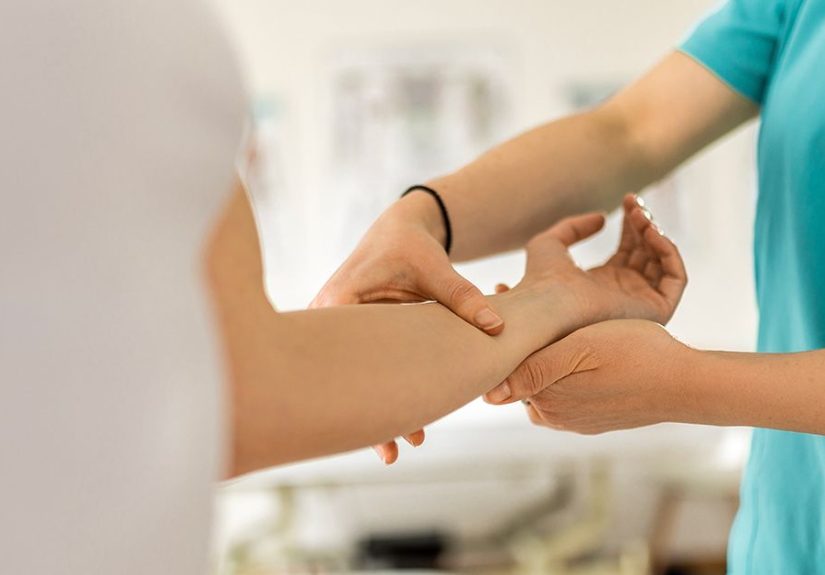
This is one of the easiest pressure points to find and one of the most practical for people with wrist discomfort. Turn your palm up. Find the wrist crease. Measure about three finger-widths down the inner forearm. The point sits between the two noticeable tendons in the center of that area.
How to use it:
- Use the thumb of your opposite hand.
- Press gently but firmly into the point.
- Hold for 30 to 60 seconds while breathing slowly.
- Make small circles if that feels better.
- Repeat 2 to 3 times on each side.
Why people like it: it is close to the wrist, easy to reach, and often feels soothing when the forearm flexor side is tense. It may not “fix” carpal tunnel, but it can be a smart part of a relief routine, especially when paired with wrist-neutral posture and rest breaks.
2. LI-4 (Hegu): The Web Between Thumb and Index Finger
This point lives in the fleshy web between your thumb and index finger, on the back side of the hand. If you squeeze the thumb and index finger together, you will notice a little muscular bulge. The point is at the highest spot of that bulge.
How to use it:
- Pinch the point with the thumb and index finger of the opposite hand.
- Apply steady pressure for 30 to 60 seconds.
- Release slowly and repeat 2 or 3 times.
Why people like it: LI-4 is commonly used for general pain relief and tension. For people with hand discomfort, it can feel like a useful “reset” point after repetitive tasks. Important note: skip this point during pregnancy.
3. The Forearm Flexor Tender Zone
This is not a classic acupuncture point with a glamorous traditional name, but it is incredibly relevant in real life. Many people with wrist pain also have a tight, overworked band of muscle on the palm side of the forearm. If you spend all day typing, gripping tools, styling hair, scrolling, lifting kids, or holding a phone like it owes you money, this area may feel sore and ropey.
How to use it:
- Turn your palm up.
- Use your opposite thumb to explore the forearm, starting 2 to 4 inches below the wrist crease.
- When you find a tender spot, use light circular pressure for 20 to 30 seconds.
- Move gradually instead of grinding into one area.
Why it helps: reducing local muscle tension can make the whole wrist-and-hand chain feel less irritated. Just do not mash directly into the carpal tunnel itself. Aggressive pressure over an already compressed nerve is not a genius move.
A 5-Minute Routine for Carpal Tunnel Pressure Points
If you want something realistic, here is a quick routine that does not require incense, a wellness retreat, or an advanced degree in hand geography.
- Warm up for 30 seconds. Rub your hands together or run warm water over them.
- P-6 on the right arm. Press for 45 seconds, breathe slowly.
- P-6 on the left arm. Repeat.
- LI-4 on the right hand. Hold for 45 seconds.
- LI-4 on the left hand. Repeat.
- Forearm flexor massage. Spend about 1 minute per arm on tight spots.
- Finish with neutral wrists. Let your hands rest in a straight, relaxed position instead of bent forward or backward.
Do this once or twice a day, especially after long typing sessions or at the end of the day. If your symptoms get worse, cut back or stop.
What Actually Works Beyond Pressure Points
This is the section where the grown-up advice walks into the room. Pressure points may feel good, but evidence-based carpal tunnel treatment usually centers on a few key strategies.
Night Splints
For many people, a neutral-position wrist splint worn at night is a simple first step. It keeps the wrist from curling into positions that crowd the median nerve while you sleep. Since symptoms often flare overnight, this is often more helpful than people expect.
Activity Modification
If a task clearly triggers symptoms, change the setup before your hand files a formal complaint. That may mean adjusting keyboard height, loosening your grip, taking breaks, alternating hands, or reducing long periods of bent-wrist work.
Exercises and Nerve Glides
Selected exercises may help some people, especially when prescribed as part of a broader treatment plan. The key word is selected. More is not always better. If a movement increases tingling or pain, that is not your body saying, “Great job, keep going.” That is your body filing an objection.
Steroid Injections
For some people, a clinician may recommend a steroid injection into the carpal tunnel to reduce symptoms temporarily. This can be especially useful when conservative care is not enough and surgery is not yet the next step.
Surgery
If symptoms are severe, long-lasting, or causing weakness and nerve damage, surgery may be the best option. The goal is to relieve pressure on the median nerve. That sounds dramatic, but for the right patient, it can be a real quality-of-life upgrade.
Common Mistakes People Make
- Pressing too hard: if you leave a pressure point session feeling worse, you overdid it.
- Ignoring nighttime symptoms: waking up numb is a big clue, not a weird personality trait of your hand.
- Skipping the splint but buying every gadget online: the humble wrist splint often beats the flashy miracle toy.
- Assuming all hand numbness is carpal tunnel: neck problems, ulnar nerve issues, arthritis, and other conditions can mimic it.
- Waiting too long: if weakness is setting in, it is time to get real medical advice.
When to See a Doctor
Get checked out if:
- Your numbness is lasting longer or happening during the day more often.
- You are dropping objects or losing grip strength.
- You notice weakness at the base of the thumb.
- You have symptoms in both hands that are worsening.
- Home care is not helping after a reasonable trial.
A healthcare professional may diagnose carpal tunnel based on your history, symptoms, physical exam, and sometimes nerve testing if the diagnosis is unclear or symptoms are more severe. The earlier significant compression is addressed, the better your chance of avoiding long-term nerve trouble.
Final Takeaway
Carpal tunnel pressure points are worth trying if you view them honestly. They may help you relax tight tissues, lower discomfort, and feel more in control of your symptoms. That is useful. But they are not the whole treatment plan. If your hand is tingling, burning, waking you up at night, or losing strength, think bigger: splints, ergonomics, activity changes, and proper medical care when needed.
In other words, pressure points can be part of the pit crew. They just should not be driving the car.
Real-Life Experiences With Carpal Tunnel Pressure Points
The office worker experience: A lot of people first notice carpal tunnel symptoms in the least cinematic way possible: while answering emails. It often starts as a mild nighttime tingle, then becomes a regular numb feeling while typing or using a mouse. For these people, pressure points can feel like a quick rescue tool during the workday. A minute on P-6, a little massage along the inner forearm, and a reminder to stop bending the wrist like a shrimp can take the edge off. But what usually changes the game is pairing those techniques with keyboard adjustments, more frequent breaks, and a night splint. The experience teaches a humbling lesson: your hand cares less about your productivity goals than you do.
The new parent experience: New parents often spend hours holding a baby, lifting awkwardly, and sleeping in odd positions that would make a physical therapist sigh deeply. Wrist strain plus swelling can turn the hand into a tingly drama queen. In that setting, pressure points can be especially appealing because they are fast and can be done one-handed while the baby naps for exactly nine and a half minutes. Many people describe temporary relief from gentle wrist and forearm pressure, especially when combined with heat, rest, and better hand positioning while feeding or carrying. The challenge here is consistency. It is hard to rehab your wrist when your tiny employer keeps changing the schedule.
The gamer or phone-heavy experience: Some people do not realize how much static grip they use until symptoms show up. Hours of gaming, texting, or scrolling can leave the thumb, wrist, and forearm feeling cooked. Pressure points often become part of a “pause screen” ritual: stretch, press, shake out the hand, repeat. What these users usually discover is that pressure points help most when they use them early, before symptoms turn into a full-on flare. Once the numbness is intense or the grip feels weak, pressure points alone usually feel like trying to put out a kitchen fire with a water pistol. Helpful? Maybe. Sufficient? Not really.
The hands-on worker experience: Hairstylists, mechanics, dental workers, line cooks, warehouse staff, and others who use their hands all day often describe a different pattern. Their discomfort is not just numbness. It is a whole chain of forearm tightness, wrist aching, finger fatigue, and end-of-day clumsiness. For them, pressure points can be part of a more physical reset. The forearm flexor area often feels especially relevant because that region gets overworked from gripping and repetitive motion. These people often say acupressure helps them feel looser and less “jammed up,” but they also notice that the real wins come from changing tool grip, rotating tasks, and taking breaks before the hand gets angry enough to file for divorce.
The “I waited too long” experience: Then there is the person who keeps hoping the problem will magically disappear because they are busy, skeptical, or deeply committed to pretending everything is fine. At first, pressure points seem to help. Then the numbness starts showing up during the day. Then the hand feels weaker. Then opening jars becomes an existential crisis. This experience is important because it shows the limit of self-care. Pressure points are best for support, not denial. When symptoms become constant, when the thumb gets weak, or when function is slipping, the smartest move is getting evaluated instead of starting a blood feud with your own wrist.