Table of Contents >> Show >> Hide
- What the Science Really Says About Food and Testosterone
- 1) Licorice Root
- 2) Spearmint and Mint Concentrates
- 3) Alcohol
- 4) Deep-Fried Fast Foods
- 5) Sugar-Sweetened Beverages
- 6) Ultra-Processed Pastries and Desserts
- 7) Processed Meats
- 8) Refined-Carb Heavy Combo Meals
- 9) Flaxseed
- 10) Soy Foods
- So What Should You Eat Instead?
- Experiences People Commonly Report Around These Foods
- Conclusion
If the phrase testosterone-killing foods sounds a little dramatic, that is because it is. The internet loves a villain, and apparently your pantry has been cast as the bad guy. But real nutrition science is messier, less dramatic, and far more useful. Some foods and drinks may be linked with lower testosterone in certain situations. Others are mostly guilty by rumor. And a few are classic cases of “the dose makes the poison.”
So instead of serving you a fear salad with a side of bro-science, let’s do this the smart way. Below are 10 foods and food categories that often show up in conversations about low testosterone. For each one, we will look at the possible benefits, the real risks, and a practical recipe or swap that keeps your diet sane. Because the goal is not to panic over tofu or glare suspiciously at a sprig of mint. The goal is to understand how diet patterns, body weight, alcohol use, and overall metabolic health can influence hormone balance over time.
One more important note: if you have symptoms that make you wonder about low testosterone, such as low energy, reduced sex drive, depressed mood, changes in body composition, fertility concerns, or delayed puberty, food alone is not the place to stop. That is a doctor-and-labs conversation, not a social media comment section contest.
What the Science Really Says About Food and Testosterone
Testosterone does not rise and fall based on one “bad” lunch. Hormones are affected by sleep, stress, age, body fat, insulin resistance, medications, alcohol, medical conditions, and overall diet quality. In other words, your body is not a light switch that flips because you ate soy sauce once.
That is why the most honest way to approach this topic is to separate three different buckets:
- Foods with some direct human evidence: licorice, heavy alcohol intake, and possibly spearmint in specific contexts.
- Foods linked indirectly: sugary drinks, ultra-processed foods, fried foods, and refined-carb-heavy diets that can worsen weight gain and insulin resistance.
- Foods surrounded by internet mythology: soy is the headliner here, with flaxseed not far behind.
Now let’s get into the list.
1) Licorice Root
Benefits
Licorice root has a long history in herbal medicine and is used in teas, candies, and supplements. Some people use it for sore throats, coughs, or digestive complaints. Flavor-wise, it is unforgettable. Whether that is a compliment depends on your relationship with black licorice.
Risks
Among the foods and herbs on this list, licorice is one of the more believable testosterone-lowering candidates. Some human studies have suggested that regular licorice intake may reduce testosterone, at least temporarily. It can also raise blood pressure and lower potassium in susceptible people. That means this is not just a hormone headline food; it is a “read the label before you go wild” food.
Recipe or Better Swap
Instead of daily licorice tea, try a ginger-cinnamon tea: simmer sliced ginger, a cinnamon stick, and lemon peel in water for 10 minutes. You still get a warming, bold drink without turning your endocrine system into a science project.
2) Spearmint and Mint Concentrates
Benefits
Mint is refreshing, inexpensive, and useful in tea, yogurt sauces, fruit dishes, and salads. It can make water taste fancy enough that you suddenly feel like you belong at a spa.
Risks
Spearmint has shown anti-androgen effects in some research, particularly in women with hormone-related conditions. That does not mean a few mint leaves in your summer salad are tanking your testosterone. Still, concentrated teas, extracts, or frequent supplement-like use deserve more caution than the average mojito garnish.
Recipe or Better Swap
Love herbal tea? Rotate with chamomile-citrus tea: steep chamomile, orange peel, and a slice of fresh apple. It is calming, easy, and less tangled up in hormone debates.
3) Alcohol
Benefits
In food culture, alcohol is tied to celebration, flavor, and social rituals. A splash of wine can deepen sauces; a cold beer can feel like a reward after a long week. Nobody is shocked by that.
Risks
Heavy alcohol intake is one of the most consistent red flags on this topic. Chronic drinking can interfere with the hypothalamic-pituitary-gonadal axis, reduce testosterone, and worsen fertility-related markers. It can also wreck sleep, increase body fat, irritate the liver, and make healthy eating decisions disappear somewhere around drink number three.
Recipe or Better Swap
Try a citrus ginger mocktail: mix sparkling water, fresh lime juice, orange slices, grated ginger, and crushed ice. It looks festive, tastes bright, and lets your liver enjoy an evening off.
4) Deep-Fried Fast Foods
Benefits
Fast food wins on convenience, price, and the simple human reality that crispy things are hard to resist. When life is busy, the drive-thru can feel like a support group with fries.
Risks
Frequently eating deep-fried meals can mean more trans fats or poor-quality fats, excess calories, and a bigger push toward weight gain and metabolic trouble. That matters because higher body fat and insulin resistance are strongly associated with lower testosterone. So while the fries may not directly “kill” testosterone on contact, the long-term diet pattern is the real issue.
Recipe or Better Swap
Make sheet-pan crispy potatoes and chicken: toss potato wedges and chicken strips with olive oil, paprika, garlic powder, salt, and pepper. Roast until golden. You still get crunch, but with better fat quality and far less mystery.
5) Sugar-Sweetened Beverages
Benefits
Soda, sweet tea, energy drinks, and fruit punches are fast, cheap, and engineered to taste like happiness wearing a carbonated costume.
Risks
The biggest issue here is not one soda magically lowering testosterone in isolation. It is the pattern: liquid sugar can push calorie intake up fast, worsen insulin resistance, and contribute to abdominal fat gain. Over time, that metabolic environment is not friendly to healthy hormone regulation. It also tends to crowd out better drinks like water, milk, or unsweetened tea.
Recipe or Better Swap
Make sparkling berry water: muddle a few strawberries or blueberries, add ice and plain sparkling water, then finish with lemon. You get flavor without drinking dessert through a straw.
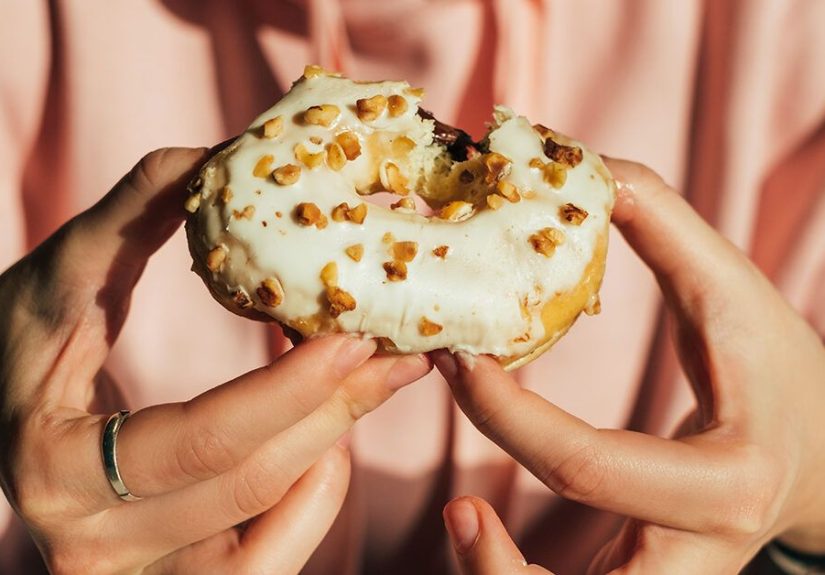
6) Ultra-Processed Pastries and Desserts
Benefits
Cookies, donuts, snack cakes, and frosted breakfast treats do serve one undeniable purpose: they are delicious. They are also socially convenient, shelf-stable, and suspiciously good at disappearing in groups.
Risks
These foods often combine refined flour, added sugar, poor-quality fats, and low satiety. That makes them easy to overeat and lousy at supporting stable energy or healthy body composition. Again, the indirect route matters: a steady diet of ultra-processed sweets can support the exact conditions that commonly travel with lower testosterone, including weight gain and impaired metabolic health.
Recipe or Better Swap
Bake banana-oat muffins with mashed ripe bananas, oats, eggs, cinnamon, and chopped walnuts or dark chocolate chips. You still get something bakery-adjacent without turning breakfast into a sugar ambush.
7) Processed Meats
Benefits
Bacon, sausage, deli meats, hot dogs, and pepperoni are convenient, protein-rich, and aggressively flavorful. They can rescue a boring sandwich and turn breakfast into an event.
Risks
The catch is that processed meats are often high in sodium, saturated fat, preservatives, and calories, especially when paired with refined breads and sugary condiments. They are not known for supporting heart health or metabolic health, and those two systems overlap more with hormone status than many people realize. The problem is less “one turkey sandwich ruined your hormones” and more “what happens when this is your default pattern five days a week.”
Recipe or Better Swap
Try a roasted chicken and avocado sandwich on whole-grain bread with lettuce, tomato, mustard, and sliced cucumber. It is still easy, still satisfying, and far less processed.
8) Refined-Carb Heavy Combo Meals
Benefits
White bread, oversized bagels, giant bowls of sugary cereal, chips, fries, and giant refined-carb restaurant meals are fast energy. The keyword there is fast. Sometimes you need quick fuel. Sometimes you need to stop pretending a family-size chip bag is a side dish for one.
Risks
Diets built around refined carbohydrates are linked with poorer metabolic health, especially when they come with excess calories and not much fiber. Research suggests insulin resistance is associated with reduced testosterone production. This is why the broader eating pattern matters more than demonizing one slice of white toast. A high-refined-carb, low-fiber, low-protein routine can work against stable hormones over time.
Recipe or Better Swap
Build a balanced grain bowl: cooked brown rice or quinoa, grilled chicken or tofu, roasted vegetables, olive oil, lemon, and pumpkin seeds. You get carbs, but they arrive with fiber, protein, and nutrients instead of chaos.
9) Flaxseed
Benefits
Flaxseed is objectively a nutrition overachiever. It offers fiber, omega-3 fats, and lignans, and it can help with digestion and heart-friendly eating patterns. In ordinary amounts, it is a staple in many healthy diets.
Risks
Flaxseed landed on many “foods that lower testosterone” lists because of its lignan content and a handful of studies or case discussions that suggested anti-androgen effects in specific situations. The evidence is not strong enough to treat normal flax intake like a hormone disaster. In practical terms, sprinkling a spoonful into oatmeal is very different from using concentrated flax products with a targeted hormonal goal.
Recipe or Better Swap
If you enjoy flax, use it sensibly in overnight oats: oats, Greek yogurt, milk, berries, cinnamon, and a teaspoon of ground flax. That is a balanced way to include it without acting like the bag is a prescription.
10) Soy Foods
Benefits
Soy foods such as tofu, edamame, tempeh, and soy milk provide plant protein, useful minerals, and a convenient option for people eating less meat. They are affordable, versatile, and far more innocent than the internet often claims.
Risks
Here is the honest answer: soy is probably the most over-accused food in this entire category. Human evidence generally does not show meaningful reductions in testosterone from normal soy intake in men. Very high-dose supplements or unusual intake patterns are not the same thing as eating tofu stir-fry on Tuesday. So yes, soy belongs in this article because people search for it constantly. No, it does not deserve to be treated like a hormonal supervillain.
Recipe or Better Swap
Make a garlic-ginger tofu stir-fry with tofu, broccoli, bell peppers, snap peas, garlic, ginger, and a light soy-ginger sauce. If soy does not work for you personally, swap the tofu for chicken, shrimp, or chickpeas.
So What Should You Eat Instead?
If your real goal is to support healthy testosterone, the boring answer is also the best answer: build meals around minimally processed foods, adequate protein, fiber-rich carbohydrates, healthy fats, and a reasonable calorie intake. Sleep well, lift weights if your doctor says you can, manage stress, and do not let alcohol become a hobby with ice cubes.
A practical plate looks like this:
- Protein from fish, eggs, poultry, dairy, beans, or tofu
- Carbohydrates from fruit, potatoes, oats, beans, rice, or whole grains
- Fats from olive oil, nuts, seeds, avocado, or fatty fish
- Plenty of vegetables because your body does, in fact, enjoy micronutrients
If you suspect low testosterone, especially if symptoms are persistent, get evaluated properly. Food can support health, but it cannot diagnose an endocrine condition. And for teens or younger adults, that point matters even more: puberty, growth, stress, exercise, sleep, and medical factors all influence hormones. Self-treating based on scary food lists is a great way to become confused and still not have answers.
Experiences People Commonly Report Around These Foods
When people start paying attention to “testosterone-killing foods,” they usually expect a dramatic before-and-after movie montage. Real life is much less cinematic. What many people actually notice first is not some instant hormonal transformation but a shift in how they feel day to day. Cutting back on alcohol, sugary drinks, and ultra-processed meals often leads to steadier energy, fewer afternoon crashes, better sleep, and less bloating. Those changes may sound unglamorous, but they matter. Hormone health tends to improve in environments where the whole body is functioning better, not in environments built around hacks and panic.
A common experience is that people blame one food for everything. Soy gets accused. Bread gets accused. Mint somehow enters the courtroom. Then they clean up their diet and discover the bigger issue was not a tofu cube. It was the pattern of sleeping five hours, drinking like every weekend was a bachelor party, living on takeout, and calling one bottle of water “hydration.” Once meals become more balanced, people often say they feel clearer, more consistent, and less ravenous all the time. That alone can make healthier habits stick.
Another common experience is frustration with mixed messages. One article says flaxseed is a hero. Another says it is a hormone wrecking ball. One influencer declares seed oils are public enemy number one. Another says oatmeal is secretly ruining masculinity. This confusion makes people either obsess over tiny details or give up entirely. The more useful experience comes from stepping back and asking, “What happens when I eat mostly whole foods, get enough protein, keep alcohol moderate, and stop turning every snack into a chemistry experiment?” Usually, the answer is that people feel better and their lab work, weight, or fitness markers move in the right direction.
People also report that the social side of eating matters. Saying no to some habits is easy in theory and weird in real life. It is hard to skip drinks if your friend group treats every gathering like a beverage Olympics. It is hard to avoid convenience foods when your schedule is chaotic. That is why the most successful changes are usually practical, not perfect. Swap soda for sparkling water a few times a week. Cook two simple dinners at home. Keep better snacks around. Choose the burger less often and the grain bowl more often. Boring? Maybe. Effective? Usually, yes.
And perhaps the most important experience of all: many people discover that symptoms they blamed on “low T” were not always about testosterone alone. Stress, depression, poor sleep, burnout, medication effects, weight changes, and medical conditions can all mimic or worsen the same complaints. The people who do best are usually the ones who stop chasing miracle foods and start looking at the whole picture. That is less flashy than a “Top 10 Testosterone Killers” headline, but it is much closer to real lifeand a lot more helpful.
Conclusion
The idea of testosterone-killing foods makes for a clickable headline, but the truth is more nuanced. Heavy alcohol use and certain herbs like licorice deserve real caution. Spearmint may matter in concentrated forms or specific clinical settings. Sugary drinks, fried foods, pastries, processed meats, and refined-carb-heavy diets are more of an indirect problem because they can worsen the metabolic conditions that often travel with lower testosterone. And soy? It is mostly a victim of online gossip.
The smartest move is not to fear random foods. It is to build a better overall pattern. Eat mostly whole foods, keep ultra-processed stuff from becoming the main event, treat alcohol like an occasional guest instead of a roommate, and get medical advice when symptoms are real and persistent. That approach may not break the internet, but it is much more likely to help your health.