Table of Contents >> Show >> Hide
- Why This Amazon Tiny House Feels So Joanna Gaines
- What the Amazon Tiny House Actually Offers
- Where the Style Overlaps With Joanna Gaines’ Signature Approach
- Why Amazon Tiny Houses Are Getting So Much Attention
- Before You Fall in Love and Smash “Add to Cart”
- How to Get the Look Without Buying the Whole Tiny House
- The Experience of Living in a Tiny House Like This
- Final Thoughts
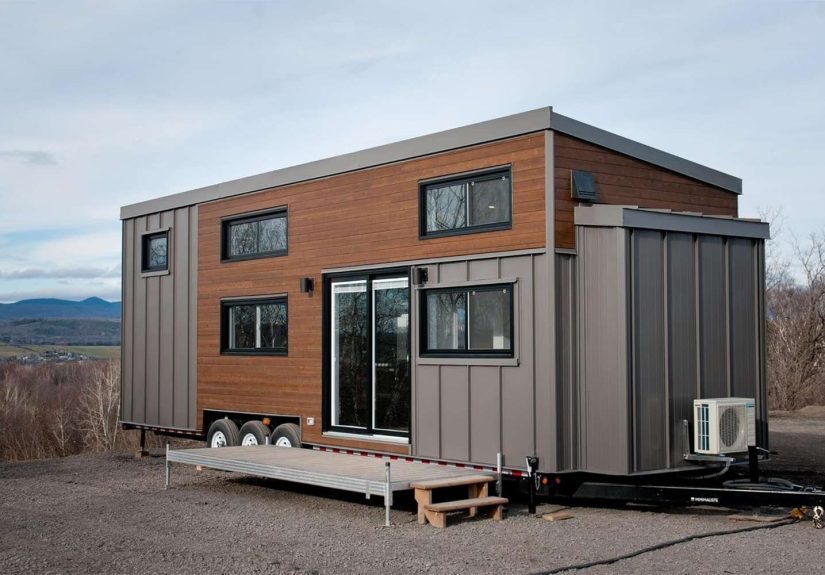
If Joanna Gaines ever wandered onto Amazon while sipping coffee and mentally rearranging someone’s floating shelves, this is probably the kind of tiny house that would make her pause mid-scroll. No, it is not officially Magnolia-branded. No, Chip is not going to burst through the wall yelling about demo day. But stylistically? This Amazon tiny house absolutely speaks fluent modern farmhouse.
That is the magic of the current prefab tiny-home boom. Buyers are not just looking for four walls and a roof anymore. They want character. They want warmth. They want a small footprint that still feels like a real home, not a glorified shipping crate with commitment issues. And when one Amazon tiny house started getting attention for its white shiplap, warm wood finishes, natural light, and cozy kitchen setup, the Joanna Gaines comparisons were pretty much inevitable.
What makes this whole thing interesting is that the home is not simply “cute for a tiny house.” It taps into a design language Americans already love: airy but grounded, rustic but polished, practical but still photogenic enough to make your houseplants sit up straighter. That combination is exactly why Joanna Gaines became such a defining force in the modern farmhouse movement in the first place.
Why This Amazon Tiny House Feels So Joanna Gaines
The quickest answer is this: it blends simplicity and warmth in a way that feels curated rather than cold. Joanna Gaines–inspired interiors are rarely about stuffing a room with décor until it cries for help. They are usually built around a calm palette, natural materials, useful layouts, and a few details that make the space feel collected over time.
This Amazon tiny house follows that formula surprisingly well. The walls lean bright and light, but not sterile. The wood tones keep the interior from feeling like an operating room with throw pillows. The windows do a lot of heavy lifting, making the footprint feel larger and more breathable. Instead of trying to disguise the fact that it is small, the design embraces it and makes every inch work harder.
That is very much in the Joanna wheelhouse. Her signature look has long revolved around rooms that feel livable first and stylish second, even when the styling is doing a lot of quiet, excellent work in the background. Think creamy whites, black accents, wood grain, understated texture, open sightlines, and a mix of old-world comfort with modern ease. In other words: farmhouse, but with better manners.
The Color Palette Does Most of the Flirting
One reason this tiny house immediately reads “Joanna-adjacent” is the palette. Modern farmhouse style is built on soft neutrals and natural tones, and this home leans right into that lane. White or off-white walls create an open feeling, while wood ceilings, flooring, or trim bring in warmth and visual texture. That balance matters in a small home because bright all-white interiors can easily tip into “rental inspection chic.” Warm wood saves the day.
Joanna Gaines has also long favored softer whites over stark clinical shades, which is part of why her interiors feel welcoming instead of icy. In a tiny house, that subtle distinction matters even more. Creamy whites bounce light without making the space feel harsh. Add in a little black hardware or framing, and suddenly the room looks intentional rather than accidental.
Shiplap, but Make It Earn Its Keep
Yes, shiplap is here. Somewhere, a Fixer Upper rerun just nodded approvingly.
Shiplap became almost synonymous with Joanna Gaines for a reason: it adds texture without adding clutter. In a compact home, that is a major design win. Pattern-heavy wallpaper or oversized art can make a small room feel busy. Shiplap gives you architectural interest while still keeping the room visually calm. It also works beautifully with farmhouse staples like open shelving, apron-front sinks, vintage-style lighting, and mixed metal finishes.
In this Amazon tiny house, the shiplap effect helps create that cozy, built-in feeling that many prefab homes struggle to achieve. Instead of looking temporary, it looks settled. That is a big compliment in the tiny-house world.
Natural Light Is the Real Luxury Feature
Here is a truth tiny-house fans know well: square footage is nice, but sunlight is nicer. A compact home with generous windows can feel more expansive than a larger home with a gloomy floor plan and the emotional energy of a dentist’s waiting room.
This home’s big windows help it channel Joanna Gaines’ style because her projects often prioritize light, openness, and visual breathing room. A small space needs long sightlines and clear focal points. Windows pull the eye outward, soften the edges of a room, and make neutral palettes glow instead of snooze. When the sink sits under a window or shelving does not block natural light, the entire kitchen feels more generous. That is not just pretty; that is strategic.
What the Amazon Tiny House Actually Offers
The Amazon tiny house that sparked the Joanna Gaines chatter is the kind of model that tries to prove tiny living does not have to mean roughing it with a hot plate and three emotional support storage bins. Coverage of the home highlighted a surprisingly full feature list: loft sleeping areas, an open-concept living zone, a bright kitchen, bathroom space, and design details that feel more “small custom home” than “weekend shed with ambition.”
That distinction matters. Plenty of prefab homes promise a dream and deliver a box. This one stands out because it uses familiar residential cues. There is enough room for actual daily routines: cooking, washing dishes, sitting with coffee, storing essentials, and moving around without constantly apologizing to furniture corners.
Reports on the model describe features such as white shiplap walls, wooden ceilings, windows on all sides, lofts for added sleeping space, and a kitchen setup that may include more than the bare minimum. Some coverage also emphasized farmhouse-friendly details like a sink under double windows, open shelving, built-in storage, and room for practical additions such as a stacked washer-dryer. That mix of charm and functionality is exactly what makes the design click.
And there is a bigger trend here too. Amazon’s tiny-home marketplace has increasingly featured farmhouse-style prefab and expandable homes, including ranch-inspired layouts, decks, and multi-bedroom models. So even if this exact house is the headliner, it is part of a wider aesthetic wave: prefab homes that are trying very hard not to look prefab.
Where the Style Overlaps With Joanna Gaines’ Signature Approach
Joanna Gaines’ style is often reduced to “farmhouse,” but that shorthand misses the better part of the recipe. Her spaces usually work because they blend several ideas at once: modern restraint, rustic texture, vintage soul, and a strong sense of comfort. This tiny house channels that mix in a few clear ways.
1. It Mixes Rustic and Refined
Modern farmhouse is not just wood plus white paint and a prayer. The strongest versions of the style combine rustic materials with cleaner lines and newer finishes. That is why wood ceilings look even better next to crisp cabinetry, why black window frames sharpen a soft room, and why a farmhouse sink feels fresh when paired with uncluttered counters. This tiny house appears to understand that balance.
2. It Prioritizes Function
Joanna Gaines’ best spaces rarely feel like museum sets. They are pretty, yes, but they are also supposed to be used. That is why open shelving, clever storage, multipurpose furniture, and practical kitchen layouts show up so often in her work. A tiny house lives or dies by functionality, so a model that borrows that design logic already has a head start.
3. It Keeps the Accessories on a Leash
One of the easiest ways to ruin a small farmhouse-inspired space is to overdecorate it into oblivion. A sign that says “Gather” is fine. Seven signs that say “Gather” suggest a cry for help. Joanna’s styling often works because she pays attention to scale and lets a few meaningful objects do the talking. In a tiny home, that restraint is essential. One woven basket, one vintage-look light fixture, one warm runner, one handsome cutting board. Done. Step away from the decorative windmill.
4. It Tells a Homey Story
Great Joanna-inspired rooms usually feel personal. That does not mean expensive. It means layered. Old with new. Polished with worn. A sleek tiny house can feel a little generic unless it adds some soul, and that is exactly where farmhouse styling helps. Think antique-style hardware, aged brass, matte black fixtures, natural linen, ceramic pitchers, framed prints, or wood pieces with visible grain. Suddenly the home does not just look staged; it looks inhabited.
Why Amazon Tiny Houses Are Getting So Much Attention
This story is not just about one attractive prefab home. It also reflects a broader housing and design shift. Smaller homes, accessory dwelling units, and flexible living spaces have become more interesting to buyers because they promise a different kind of value: lower upkeep, more focused living, and more flexibility for guest space, vacation use, backyard placement, or full-time downsizing.
That does not mean every tiny house is a bargain or an easy buy. But the interest is real. Consumers are more open to compact homes than they used to be, especially when those homes do not look like compromises. A stylish prefab home can appeal to people who want a guest house, an ADU, a rental setup, a weekend retreat, or a full-time lifestyle shift that feels intentional rather than deprived.
And frankly, style matters here more than many people admit. Buyers are far more willing to consider small-space living when the home looks like a charming cottage, a polished modern farmhouse, or a well-designed retreat. People will forgive fewer square feet if the place has a soul. They will not forgive a tiny home that feels like a giant appliance box.
Before You Fall in Love and Smash “Add to Cart”
Now for the sensible grown-up paragraph. Buying a tiny house online is not the same as ordering paper towels and accidentally adding a candle. The listing price is only part of the story. Site prep, land, delivery, hookups, permits, insurance, and local regulations all matter. A tiny home can be portable, permanent, off-grid, or ADU-style depending on the model and where you place it, and those differences have real cost implications.
Zoning is a particularly big deal. Some municipalities are friendly to ADUs and compact homes. Others have rules about minimum lot size, setbacks, utility connections, or whether a tiny home on wheels can be used as a full-time residence. HOA restrictions can also turn your tiny-house fantasy into a long email thread with disappointing results.
Financing can be tricky too. Many tiny homes do not qualify for a traditional mortgage, especially if they are not permanently affixed to land in the usual way. Buyers may need cash, a personal loan, a land loan, a construction-style loan, or another financing route depending on the structure. Translation: adorable shiplap is not a substitute for paperwork.
None of this kills the dream. It just means the dream needs a spreadsheet.
How to Get the Look Without Buying the Whole Tiny House
Maybe you love the vibe but are not ready to buy a prefab home from the internet. Fair enough. You can still borrow the design language that makes this tiny house so appealing.
Start with a warm neutral base
Choose creamy white, soft beige, mushroom, or pale greige over harsh bright white. The goal is brightness with softness, not “dental office with a throw blanket.”
Add real or realistic wood tones
Wood shelves, butcher-block accents, oak stools, beadboard, or ceiling treatments all help create that grounded farmhouse warmth. Even one or two elements can change the mood of a room.
Use black as punctuation
Black hardware, faucets, light fixtures, or window frames help define a light neutral space. They give the room contrast and keep it from floating away aesthetically.
Keep storage pretty and practical
Open shelves, baskets, hooks, cubbies, and built-ins can make a small space work harder while still looking intentional. In true Joanna spirit, function should be part of the beauty.
Mix in something old-looking
Vintage-style mirrors, antique-finish lamps, aged brass, weathered wood, and collected décor bring the story. Too much brand-new furniture in a tiny space can make it feel like a showroom. One or two imperfect pieces help it exhale.
The Experience of Living in a Tiny House Like This
Imagine pulling up to this Joanna-inspired Amazon tiny house for the first time. From the outside, it feels modest, even a little suspiciously modest, the way tiny homes often do. You stand there thinking, “That is adorable, but where exactly does life go?” Then you step inside, and the answer is: everywhere, if the design is smart enough.
The first thing you notice is not the square footage. It is the light. Morning sun comes through the windows and stretches across the wood tones, making the interior feel soft, almost buttery. The white walls stop being plain and start acting like a reflector, bouncing brightness around the room in a way that makes everything feel airy. This is where the Joanna Gaines effect really kicks in. The home does not scream for attention. It quietly invites you in.
You put your bag down, and immediately the space asks you to slow down a little. The kitchen is compact, but it does not feel punishing. There is enough room to make coffee without turning it into an Olympic event. Open shelving keeps the upper half of the room from feeling heavy, and the sink area has that cheerful farmhouse energy that makes even washing a mug feel faintly cinematic. Not “award-winning drama” cinematic. More like “pleasant streaming series where everyone owns linen napkins.”
Then there is the emotional weirdness of a good tiny house: it makes you notice objects more. In a big home, stuff multiplies like rabbits with storage bins. In a tiny house, every item has to justify its existence. A wooden tray is not just a tray; it is a countertop organizer, serving board, and decorative element. A bench is seating, storage, and the place where you dramatically stare out the window while pretending you are rethinking your entire life. Tiny-house living turns ordinary household objects into overachievers.
At night, the experience changes again. Lamps become important. Texture becomes important. A throw blanket, a woven basket, a wood stool beside the bed, the soft contrast of black hardware against a creamy wallsuddenly those “small details” designers are always talking about start to make sense. In a compact home, every texture is closer, every finish more visible, every styling choice louder. That is why a Joanna-inspired approach works so well here. It is not about cramming in rustic clichés. It is about choosing a handful of materials and shapes that make the space feel calm, grounded, and intentional.
There is also a psychological charm to living small in a space that still feels beautiful. The house gently edits your habits. You buy less junk. You notice clutter sooner. You become unreasonably proud of a well-folded throw and a cutting board leaning at the correct decorative angle. You may even begin saying things like “We really use every inch,” which is the kind of sentence that sounds boring until you realize it is weirdly satisfying.
Most of all, a tiny house like this feels less like a compromise and more like a decision. That is the real appeal. When the design is done right, you are not settling for less. You are choosing a different kind of comfortone with fewer rooms to clean, fewer places to accumulate nonsense, and more reason to make each corner matter. If Joanna Gaines built a tiny house for modern life on a realistic budget, this is the sort of feeling people would want from it: cozy, bright, useful, and charming without trying too hard.
Final Thoughts
This Amazon tiny house channels Joanna Gaines’ style because it understands the core lesson behind modern farmhouse design: people do not just want pretty rooms. They want rooms that feel good to be in. A tiny home has to work overtime to deliver that feeling, and this one gets surprisingly close by pairing farmhouse warmth with small-space practicality.
It is bright without being stark, rustic without being dusty, and polished without becoming fussy. That is a tricky balance to pull off in any home, let alone a compact prefab model sold online. Whether you see it as a full-time home, a guest retreat, an ADU, or simply a very persuasive Pinterest board that learned how to stand up, the appeal is obvious.
Joanna Gaines did not design it, but stylistically, the house definitely got the memo.