Table of Contents >> Show >> Hide
If your family calendar is basically a chaotic mix of school, work, snacks, and “Where did my other shoe go?”, you’re not alone.
The good news: you don’t need a fancy vacation (or a Pinterest-level craft room) to create real, laugh-out-loud, kid-approved memories.
You just need a short list of doable ideassome quick, some adventurous, some gloriously messy, and some so chill they feel like a cheat code.
This guide shares 100 fun family activities that are genuinely kid-friendly, flexible for different ages, and easy to mix into real life.
You’ll find ideas for weekends, after-school time, rainy days, and those moments when everyone’s bored… but also somehow too tired to do anything.
(Yes, that’s a real mood. We respect it here.)
How to Pick the Right Activity (So Nobody Melts Down)
1) Match the activity to your kids’ “today energy”
The secret to successful family bonding ideas is not perfectionit’s choosing something that fits the room.
If your kids are bouncing off the walls, pick movement: a scavenger hunt, a bike ride, or a backyard mini Olympics.
If everyone’s fried, go low-energy: a read-aloud, a puzzle, a cozy movie setup, or a simple cooking project where “stirring” counts as a job.
2) Use the “15-minute win” strategy
When motivation is low, start with an activity that can be completed in 15–20 minutes.
A fast win builds momentum and confidenceespecially for younger kids.
Once you’re rolling, you can extend it naturally (or stop while everyone’s still happy and claim victory like a champion).
3) Keep it budget-friendly and realistic
Some of the best things to do with kids are free: the library, parks, neighborhood walks, board games, simple crafts with recyclables,
or a “taste test” with whatever fruit is already in your kitchen.
If you spend money, spend it where it adds joy: a museum day, a local event, a new puzzle, or ingredients for a family dinner project.
4) Make it screen-smart (without making it a war)
Screens aren’t the villain. But your family deserves regular screen-free activities where you’re actually looking at each other’s faces.
Try creating a few predictable “unplugged zones”like meals, the first 30 minutes after school, or one weekend morning.
The trick is consistency, not intensity.
5) Safety basics that keep the fun going
For outdoor activities, think “comfort = fewer complaints.” Sunscreen, water, shade breaks, and weather-appropriate clothing can save the day.
For cooking, give kids age-appropriate tasks (washing produce, measuring, stirring) and keep sharp/hot tools adult-handled.
For community outings, plan one simple rule kids can remember (example: “If you can’t see me, you’re too far.”).
100 Fun & Kid-Friendly Family Activities
Below are 100 kid-friendly things to do with your family, grouped by vibe. Mix and match. Repeat favorites.
Start tiny. Make it yours.
At-Home Adventures (1–25)
- Build a blanket fort and assign it a name, rules, and a “secret password” for entry.
- Host a family “Chopped” snack challenge using 3 random ingredients from your pantry.
- DIY pizza night with a topping barkids assemble, adults handle the oven.
- Make no-bake energy bites and let kids vote on the “best mix-in” (sprinkles may win).
- Create an indoor obstacle course with pillows, painter’s tape, and a timer for extra drama.
- Family board game tournament with a bracketwinner gets to choose dessert.
- Do a puzzle race: two small puzzles, two teams, one very serious announcer voice.
- Karaoke night using phone lyrics and silly props (a spatula microphone is elite).
- Family talent show where “telling one joke” is a valid talent.
- Paper airplane lab: test folds, decorate planes, and measure distance like tiny engineers.
- Homemade play dough and a “sculpt the funniest animal” contest.
- Friendship bracelets or keychainstrade them like you’re at a fancy craft exchange.
- Start a read-aloud ritual with voices for characters (yes, even the villain voice).
- Create a home movie theater with printed tickets, a snack counter, and “trailers” you make.
- Mystery ingredient dinner: choose one new ingredient and build a meal around it.
- Indoor “camping” with sleeping bags and flashlight stories (or shadow puppets).
- Do a classic science volcano with baking soda and vinegarthen explain it like a scientist.
- Create a gratitude jar and add one note per person each day for a week.
- Family photo shoot with a timertheme it (pajamas, hats, “serious faces only,” etc.).
- Make a time capsule with drawings, predictions, and a “what we love right now” list.
- Build a LEGO/blocks city and add challenges like “park,” “bridge,” and “mystery building.”
- Freeze dance party with bonus points for the silliest freeze pose.
- Write and act a mini playkeep it short and let kids run the sound effects.
- Create a family newspaper with comics, “interviews,” and a weather report for your living room.
- Declutter with a game: “keep, donate, recycle” with music and a 10-minute speed round.
Outdoor & Nature Fun (26–50)
- Nature scavenger hunt: find something smooth, something tiny, something that smells good.
- Photo scavenger hunt in your neighborhoodkids “capture” colors, shapes, or textures.
- Bike or scooter adventure with themed stops (playground, mural, snack, “cool rock” spot).
- Picnic breakfast at a parkyes, breakfast tastes better outdoors. It’s science.
- Try a new playground and rate it like food critics: slides, swings, “vibes,” and snack friendliness.
- Easy family hike with a kid “trail leader” who picks the pace and spotting missions.
- Junior Ranger day at a national park site (or use a booklet-style activity if available).
- Backyard birdwatching: set up a feeder and see who can spot the first visitor.
- Join a bird count weekend and turn it into a family “citizen science” mission.
- Plant a small herb garden in a window box or a containerthen use it in dinner.
- Build a “bug hotel” from sticks, pinecones, and cardboard tubes (observe respectfully).
- Fly a kite and let kids name it like it’s a heroic creature of the sky.
- Sidewalk chalk muralcreate one giant scene where everyone adds a section.
- Sponge relay or water balloon toss (warm weather) with towels ready for happy chaos.
- Stargazing nightlook for bright planets and constellations, and tell “space stories.”
- Shadow tracing: outline each other’s shadows with chalk, then return later to compare.
- Leaf rubbings with crayons and papermake a “collection” like a tiny museum.
- Rock skipping practice near water with close supervision and local rules in mind.
- Neighborhood kindness walk: bring gloves and a bag to pick up litter together.
- Nature journaling: draw what you see and write one “wonder question” to look up later.
- Paper boat races in a tub or safe shallow waterdecorate boats like tiny pirates.
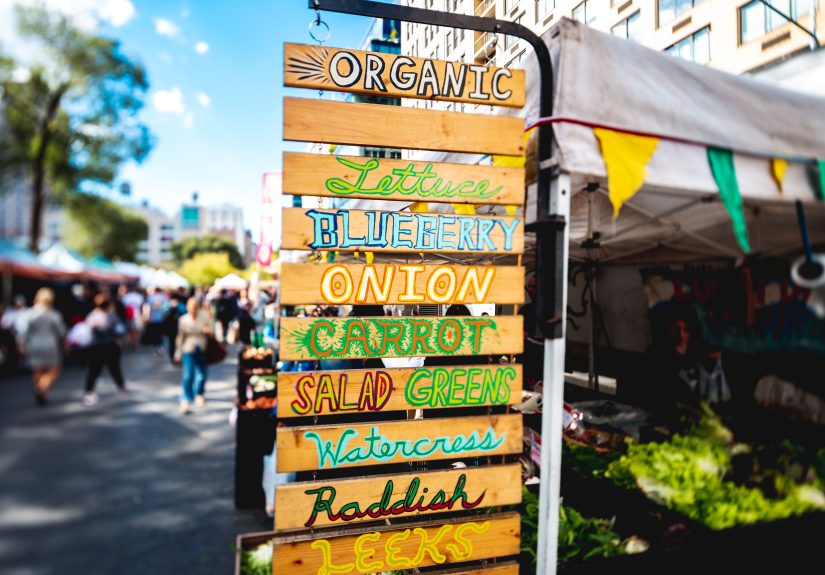
- Farmers market challenge: find a “rainbow” of produce and pick one new item to try.
- Listening walk: pause and list five sounds you hear (bonus: “weirdest sound wins”).
- Backyard mini Olympics: long jump, silly walk sprint, and “most enthusiastic cheer” award.
- Ranger program or nature talk at a park or nature centerkids love a “real expert.”
Learning Trips & Community Fun (51–75)
- Library storytime or kids’ programsfree fun with big “cozy community” energy.
- Library book stack challenge: each person picks a book by theme (animals, space, mysteries).
- Children’s museum visit and let the kids be the “tour guides” for the day.
- Museum scavenger hunt: search for colors, shapes, animals, or facesno touching required.
- Science center or planetarium for hands-on learning that feels like play.
- Minor league sports game and make homemade signskids love being “official fans.”
- Community open house (fire station, library day, or local fair) for a fun behind-the-scenes look.
- Visit a historic site and draw “then vs. now” sketches of something you notice.
- Find museum free days and plan a low-cost family outing with one special treat.
- Take a community class together: art, swimming, dance, or beginner sports.
- Community garden visit and learn what’s growingkids can “adopt” a plant to track.
- Aquarium day and choose one animal to research and present at dinner.
- College campus walk and pretend you’re on a “campus quest” to find statues or cool buildings.
- Cultural festival and let kids pick one new food to try and one performance to watch.
- Food truck taste test: rate bites on “crunch,” “sauce power,” and “would eat again.”
- Explore a new neighborhood with “street name bingo” and a bonus point for murals.
- Kid workshop at a local store or community spot (crafts, building, seasonal activities).
- Animal shelter support day: donate supplies, attend a family-friendly event, or sponsor a pet.
- Local parade or community eventpack snacks and make it a mini tradition.
- Ride public transit for fun and practice map skillsturn it into a “route adventure.”
- Day trip to a nearby town to find the best mural, best park, and best ice cream.
- Nature center outing for trails, exhibits, and often free kid programming.
- Community movie night (or drive-in if available) with blankets and cozy snacks.
- Free concert in the parkkids can dance, parents can breathe, everyone wins.
- Local landmarks photo tour and make a “Best of Our Town” album afterward.
Food, Creativity & Giving Back (76–100)
- Bake bread or biscuits and let kids “own” the mixing and shaping steps.
- Build-your-own smoothie bar with fruits, yogurt, and fun toppings like granola.
- Iron Chef: leftovers editionturn yesterday’s food into a new “restaurant-style” plate.
- Pretend restaurant night: kids make menus, take orders, and practice polite “customer service.”
- Homemade ice pops using juice or blended fruittaste test the best combo.
- Try a new cuisine night and learn a few words from that culture (hello, thank you, delicious).
- Food art plates: arrange colorful foods into faces or landscapesphotos encouraged.
- Start a family recipe book with simple favorites and kid “chef notes” (often hilarious).
- Cookie delivery mission for a neighbor or friendinclude a drawing or kind note.
- Thank-you note party for teachers, caregivers, or community helperssmall kindness, big impact.
- Build a family emergency kit together and assign roles (snacks, flashlight checker, list maker).
- Make a “safety poster” for your home: emergency contacts, meeting spot, and basic reminders.
- Craft day with recyclables: cardboard robots, magazine collages, paper crowns, and more.
- Paint kindness rocks (where allowed) with cheerful messages and simple designs.
- Make a bird feeder with a pinecone and seed (skip common allergens if needed).
- Create a screen-free family plan with agreed unplugged timeskeep it simple and fair.
- Make a family playlist and film a silly “music video” with costumes from your closet.
- Try a new movement routine together: beginner yoga, dance tutorial, or stretching challenge.
- Host a book swap with friends or neighborskids “recommend” books like mini librarians.
- Family service challenge: collect pantry items, gently used books, or coats for local donation.
- No-complaint hour with silly tokenscatch yourself, trade for a joke, keep it playful.
- Make future holiday cards early and stash themyour future self will feel legendary.
- Skills swap night: each person teaches something small (origami, a trick, a simple recipe).
- Scrapbook or photo album with captions kids write (warning: comedy may occur).
- Plan a “Memory Day”: pick three favorite activities, do them all, and document the joy.
Make It Stick: Tiny Traditions That Turn into Big Memories
The best weekend family activities aren’t always the biggest eventsthey’re the ones you repeat.
When kids know “Friday is game night” or “Sunday is park-and-picnic day,” it lowers decision fatigue and increases buy-in.
Try one small tradition for a month and see what clicks.
A helpful trick: give kids ownership. Let them choose the playlist for cleaning day, pick the hike snack, or design the scavenger hunt list.
When kids help build the plan, they’re more likely to participateand less likely to declare it “boring” within 90 seconds.
Extra Family Experiences (Real-World Moments You’ll Recognize)
Families often discover that the “best” activities aren’t the ones that go perfectlythey’re the ones that become a story.
Like the time you planned a calm craft afternoon and accidentally invented a new glitter-based ecosystem in your carpet.
Or when you tried a stargazing night and your kids spent ten minutes arguing about whether a cloud looked like a dinosaur wearing a hat.
That’s not failure. That’s memory-making.
One of the most relatable family wins is the rainy-day rescue mission. The forecast is gloomy, everyone is restless, and the living room energy feels
like a shaken soda bottle. A blanket fort instantly changes the mood because it turns your home into “somewhere else.” Add a flashlight, snacks, and a read-aloud,
and suddenly you’re not “stuck inside”you’re in your family’s secret clubhouse. Kids love the feeling of having a space that belongs to them, and adults love that
it requires exactly zero advanced skills besides “fold blanket.”
Outdoor activities create their own kind of magic because kids notice things adults walk past. A simple nature scavenger hunt often turns into
twenty minutes of debate about whether a leaf is “more heart-shaped or more potato-shaped,” followed by someone declaring themselves the official
“stick inspector.” On hikes, letting kids be the trail leader (even for five minutes) can transform complaints into curiosity, because leadership feels important.
Bringing a tiny notebook for nature journaling adds a calm, focused layerkids can draw what they see and ask one question to research later at home.
Community outings are memorable because they feel bigger than your usual routine. The library isn’t just a place for booksit’s a reliable source of free,
kid-friendly programs, storytimes, and themed activities that make children feel like they’re part of something. Museums can be surprisingly kid-friendly when
you approach them like a game: “Find three animals, two circles, and one thing that looks older than Grandpa’s jokes.” When kids have a mission, they stay engaged
longerand you get to enjoy the exhibits instead of sprinting after a small human who just discovered the gift shop.
Food experiences are powerful because they hit three goals at once: connection, learning, and a tangible “we made this” reward. Kids who help in the kitchen
(measuring, stirring, washing produce, setting up toppings) often feel proud enough to try foods they normally side-eye. A smoothie bar becomes a science lab:
What happens if you add frozen fruit? How does yogurt change the texture? A pretend restaurant night adds social skills and laughs, especially when a child
confidently hands you a handwritten menu featuring “Spaghetti Taco Surprise” for $1,000.
Giving-back activities create a different kind of family bondingone rooted in purpose. Dropping off pantry donations or writing thank-you notes can help kids
see that families aren’t just teams for chores and homeworkthey’re teams that can help other people. Even assembling a simple emergency kit together can feel
empowering rather than scary when you frame it as “We’re practicing being prepared.” Kids like having roles, and preparation activities often spark thoughtful
questions that lead to great conversations.
The real secret is this: you don’t need all 100 ideas at once. Pick two for this weekone at home, one outside. Keep them simple. Repeat what works.
Over time, your family ends up with a personal “highlight reel” of traditions: the annual bird-count weekend, the monthly movie-night fort, the first hike of spring,
the summer smoothie experiments, the library adventures, the goofy dance parties. These are the moments kids rememberand the ones adults look back on and think,
“Wow. We actually did it. We built a life out of ordinary days.”