Table of Contents >> Show >> Hide
- What Is Gout, Really?
- Gout Symptoms: The Classic Signs (and the Sneaky Ones)
- What Triggers a Gout Flare?
- How Gout Is Diagnosed
- Gout Treatments: Fast Relief During a Flare
- Long-Term Gout Treatments: Preventing Future Flares
- Diet and Lifestyle: A Practical Plan (No, You Don’t Have to Live on Lettuce)
- Complications: Why Long-Term Control Matters
- FAQ: Quick Answers People Actually Want
- Conclusion
- Real-Life Gout Experiences: What People Often Notice (and What Helps)
- 1) “I Went to Bed Fine… and Woke Up Like I’d Been Hit by a Truck”
- 2) The Bedsheet Problem (aka “Why Is Fabric So Loud?”)
- 3) Food Guilt: “Was It the Shrimp? The Steak? The One Beer?”
- 4) “My Uric Acid Was Normal… So It Can’t Be Gout, Right?”
- 5) Starting Long-Term Medication: “Wait… It Got Worse?”
- 6) Work, Travel, and Life: “I Can’t Schedule a Flare”
- 7) The Long Game: “Once I Took Prevention Seriously, Life Got Normal Again”
If your big toe has ever tried to personally evict you from your own bed at 2 a.m., you’ve met gout (or something that
deserves a prompt introduction to a clinician). Gout is famous for sudden, fiery joint painoften in the big toebut it can also
show up in ankles, knees, wrists, elbows, and anywhere your body decides to stage a tiny crystal drama.
The good news: gout is highly treatable. The better news: with the right plan, many people go from “I can’t let a bedsheet touch
my foot” to “I can walk like a normal human again.” Let’s break down what gout feels like, why it happens, and the treatments
(medical and lifestyle) that actually helpwithout turning your life into a joyless menu of boiled sadness.
What Is Gout, Really?
Gout is an inflammatory arthritis caused by monosodium urate crystals building up in and around a joint. Those
crystals form when uric acid levels in the body are consistently high. Uric acid is a normal waste product from
breaking down purines (substances found in your body and in many foods). Usually, your kidneys filter it out. But when your body
makes too much, your kidneys remove too little, or bothuric acid can rise, crystals can form, and inflammation can flare.
Think of urate crystals like microscopic shards of glass. Your immune system sees them and responds with a full-blown “intruder
alert,” which is why the pain can feel wildly out of proportion to how small the joint looks at first.
Gout Symptoms: The Classic Signs (and the Sneaky Ones)
The “Big Toe Betrayal” (Podagra)
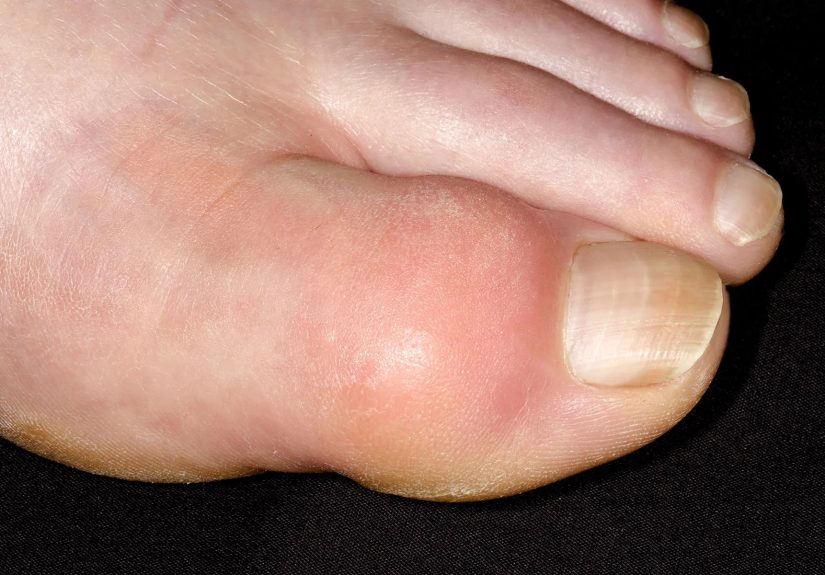
The most iconic gout symptom is sudden, severe pain in the big toeoften overnight. Many people describe it as burning, crushing,
or feeling like the joint is being attacked by a tiny dragon with excellent aim.
Redness, Heat, Swelling, and Tenderness
A gout flare often causes a joint to become red, warm, swollen, and extremely tender. Even light pressurelike a sock or
bedsheetcan feel unbearable.
Limited Range of Motion
During a flare, moving the joint can be difficult. Over time, repeated flares can affect joint function and lead to chronic pain
or stiffness if urate levels remain high.
Lingering Discomfort After the “Main Event”
The worst pain often peaks within the first day, but soreness can hang around for days or even weeks. As gout becomes more
advanced, flares may happen more often, last longer, and involve multiple joints.
Tophi: The “Crystal Storage Units” Under the Skin
Longstanding gout can lead to tophifirm lumps of urate crystals that can form under the skin (commonly around
fingers, elbows, toes, or the outer ear). Tophi can deform joints and sometimes become inflamed or infected.
When It Might Not Be Gout
If you have a hot, swollen joint plus fever, feel very ill, or the pain is rapidly worsening, seek urgent medical
care. Joint infections (septic arthritis) can look like gout and need immediate treatment.
What Triggers a Gout Flare?
Gout triggers vary from person to person, but patterns show up often. A flare can happen when uric acid rises, drops quickly, or
when crystals that are already present get “stirred up.”
Common Triggers and Risk Factors
- Alcohol (especially beer and heavy intake in general)
- Sugary drinks and foods high in fructose or high-fructose corn syrup
- Red meat, organ meats, and some seafood (like shellfish)
- Dehydration (your kidneys can’t clear uric acid as effectively)
- Higher body weight and metabolic issues
- Certain medications, including some diuretics (“water pills”)
- Kidney disease (reduced uric acid clearance)
- Rapid weight loss or fasting (a “metabolic shake-up” can provoke flares)
- Recent surgery, illness, or major physical stress
Important note: food matters, but it’s rarely the only factor. Many people with gout benefit from lifestyle changes, but
long-term control often requires a medical strategy to keep uric acid in a safe range.
How Gout Is Diagnosed
Gout is often suspected based on the pattern of symptoms (sudden, severe, inflamed jointespecially big toe). But the most
definitive diagnosis comes from examining joint fluid.
Joint Fluid Test (The Gold Standard)
A clinician can use a needle to draw fluid from the inflamed joint and look for urate crystals under a microscope.
This test also helps rule out infectioncritical when the joint is intensely hot and swollen.
Blood Uric Acid Levels (Helpful, but Not Perfect)
A blood test can measure uric acid, but it can be misleading. Some people have high uric acid without gout, and uric acid can be
normal during a flare. Blood work is still useful as part of the bigger picture and for tracking treatment response over time.
Imaging
In some casesespecially with unclear symptoms or longstanding diseaseimaging may help. Ultrasound and specialized CT methods can
sometimes detect urate deposits and joint changes consistent with gout.
Gout Treatments: Fast Relief During a Flare
The goal during a flare is simple: calm the inflammation quickly. Many guidelines emphasize treating earlyideally
within the first 24 hours of symptomsbecause that can reduce severity and duration.
1) NSAIDs (Nonsteroidal Anti-Inflammatory Drugs)
NSAIDs such as ibuprofen or naproxen may help reduce pain and swelling during a flare. However, they aren’t safe for everyonepeople
with certain kidney problems, stomach ulcers, bleeding risk, or specific cardiovascular issues may need alternatives. Always follow
dosing instructions and talk with a clinician if you’re unsure.
2) Colchicine
Colchicine is a prescription anti-inflammatory that can be effective, especially when taken early in a flare. It can cause
gastrointestinal side effects (like nausea or diarrhea) in some people, and dosing may need adjustment based on other medications
and kidney function.
3) Corticosteroids (Like Prednisone)
Steroids can be very effective for gout inflammation. They may be taken by mouth or injected into the joint, depending on the
situation. Clinicians often consider steroids when NSAIDs aren’t appropriate.
Supportive Moves That Actually Help
- Rest the joint (now is not the moment for “powering through”).
- Ice packs can reduce pain and swelling.
- Hydration supports kidney clearance.
- Avoid alcohol during a flareyour future self will thank you.
One big “don’t”: if you’re on long-term urate-lowering medication, don’t stop it during a flare unless a clinician tells you to.
Stopping and starting can make control harder.
Long-Term Gout Treatments: Preventing Future Flares
If gout flares are frequent, severe, involve multiple joints, cause tophi, or are linked with complications like kidney stones,
clinicians may recommend urate-lowering therapy (ULT). The purpose is to keep uric acid low enough that crystals
stop forming and existing deposits gradually dissolve.
Treat-to-Target: The “Thermostat” Strategy
Modern gout care often uses a treat-to-target approach, aiming for a serum urate level below 6 mg/dL for many
patients (your clinician may choose a different target depending on severity). The key is consistencylowering uric acid isn’t a
one-week project; it’s closer to brushing your teeth: small, repeated actions that prevent big problems.
Allopurinol (Common First-Line Option)
Allopurinol reduces uric acid production and is widely used for long-term gout prevention. Guidelines commonly recommend starting
at a low dose and gradually increasing while monitoring uric acid levels. This slow-and-steady approach helps reach the urate goal
and can reduce the risk of provoking flares during the ramp-up.
Febuxostat (Another Uric Acid–Lowering Option)
Febuxostat also lowers uric acid production and can be an option when allopurinol isn’t tolerated or isn’t effective. In the U.S.,
there has been an FDA boxed warning regarding an increased risk of death in certain patients with established cardiovascular disease,
so clinicians typically weigh benefits and risks carefully and consider individual heart history.
Uricosurics (Like Probenecid)
Some medications help the kidneys remove more uric acid (uricosurics). They may be considered in specific cases, sometimes as an
add-on if uric acid goals aren’t met with a single medication. Kidney function and history of kidney stones matter here, so this is
a “tailored plan” conversation.
Flare Prevention When Starting ULT
Here’s the plot twist: starting urate-lowering therapy can temporarily trigger flares because shifting urate levels can disturb
existing crystal deposits. To reduce this, clinicians often prescribe short-term anti-inflammatory prevention (like low-dose
colchicine, NSAIDs, or a steroid option) for several months when beginning ULT.
Diet and Lifestyle: A Practical Plan (No, You Don’t Have to Live on Lettuce)
Lifestyle changes can reduce flare frequency and support medication success. They’re not about perfection; they’re about stacking
small advantages in your favor.
Hydration: The Underappreciated Hero
Staying well-hydrated helps your kidneys clear uric acid. If you’re prone to kidney stones or have kidney disease, ask your clinician
for personalized hydration guidance.
Food Moves That Often Help
- Limit beer, spirits, and heavy alcohol intake (especially during flares).
- Cut back on sugar-sweetened beverages and high-fructose snacks.
- Reduce large portions of red meat and organ meats; be mindful with certain seafoods.
- Emphasize vegetables, fruits, whole grains, beans, nuts, and healthy fats (Mediterranean/DASH-style patterns).
- Consider low-fat dairy if it works for youit’s often included in gout-friendly patterns.
Weight and Metabolic Health
If weight loss is part of your plan, aim for gradual, sustainable changes. Rapid crash dieting can trigger flares. Improving blood
pressure, blood sugar, and overall cardiovascular health often helps the “whole gout ecosystem,” not just uric acid numbers.
A Quick Example (Realistic, Not “Influencer Perfect”)
Imagine two weekends:
Weekend A: heavy beer, sugary mixers, a giant steak dinner, and little water.
Weekend B: moderate alcohol or none, water between drinks, balanced meals, and a normal sleep schedule.
Weekend B doesn’t guarantee zero flaresbut it improves the odds. Over months, those odds matter.
Complications: Why Long-Term Control Matters
Untreated or poorly controlled gout can lead to:
- Tophi that damage joints and surrounding tissue
- Chronic gouty arthritis with ongoing pain and stiffness
- Kidney stones and kidney stress in susceptible people
- Reduced quality of life (because it’s hard to enjoy life when your toe is plotting against you)
The point of urate control isn’t to win a lab-number contest. It’s to prevent joint damage, reduce flares, and keep you functioning
in the real worldwork, family, travel, the whole thing.
FAQ: Quick Answers People Actually Want
Can gout go away on its own?
A flare can fade even without treatment, but that doesn’t mean the underlying urate problem is gone. Without long-term control,
flares often return and can become more frequent or severe.
Is gout caused only by diet?
No. Diet can contribute, but genetics, kidney function, body weight, medications, and overall health play major roles. Many people
do “everything right” and still need medication to reach safe urate levels.
Should I stop my urate-lowering medicine during a flare?
Generally, clinicians advise continuing long-term urate-lowering therapy during a flare (unless told otherwise). Stopping abruptly
can destabilize control.
What’s the fastest way to calm a flare?
Early anti-inflammatory treatment (NSAIDs, colchicine, or steroidsdepending on what’s safe for you), plus rest and ice, often helps.
If you’re unsure which medication is appropriate, contact a clinician promptly.
When should I see a doctor?
If it’s your first flare, symptoms are severe, you have fever, the joint is extremely hot/swollen, you can’t bear weight, or you
have multiple health conditions (especially kidney or heart disease), get medical guidance sooner rather than later.
Conclusion
Gout is dramatic, painful, and oddly punctual (why is it always at night?). But it’s also one of the most manageable forms of
inflammatory arthritis when treated correctly. The winning strategy is usually two-part: treat flares fast with anti-inflammatory
options, then prevent future attacks by keeping uric acid in a safe rangeoften with urate-lowering therapy plus realistic lifestyle
changes you can actually stick with.
If your symptoms match gout, don’t self-diagnose forever. A clear diagnosis and a personalized plan can save your joints, your sleep,
and your relationship with bedsheets.
Real-Life Gout Experiences: What People Often Notice (and What Helps)
The following experiences are composites based on common patient reports and clinical patternsbecause while everyone’s gout story is
unique, the plot points tend to rhyme.
1) “I Went to Bed Fine… and Woke Up Like I’d Been Hit by a Truck”
Many people say the first flare feels unreal: you fall asleep normal, then wake up with intense toe or ankle pain that seems to
come out of nowhere. A common reaction is, “Did I break something?” That sudden onset is classic. What helps: treating early, resting
the joint, and not waiting three days hoping it magically resolves. Getting a diagnosis matters, because the first flare sets the
tone for prevention.
2) The Bedsheet Problem (aka “Why Is Fabric So Loud?”)
People often joke that gout turns them into royalty: “No one may touch the toe.” But it’s not exaggerationlight pressure can hurt.
What helps: elevating the joint, using ice, and keeping pressure off the area. Some people switch to a loose blanket “tent” for a
couple nights. It’s not glamorous, but neither is hopping to the bathroom at 3 a.m.
3) Food Guilt: “Was It the Shrimp? The Steak? The One Beer?”
After a flare, many people start playing dietary detective. While certain foods and drinks can contribute, gout rarely has a single
villain. Often it’s the combination of dehydration, alcohol, a big purine-heavy meal, and existing high uric acid. What helps:
thinking in patterns, not single bitesmore water, fewer sugary drinks, moderate alcohol, and balanced meals most days. If your uric
acid stays high, medication may still be needed even with a great diet.
4) “My Uric Acid Was Normal… So It Can’t Be Gout, Right?”
This is a common frustration. Uric acid can be normal during a flare, and some people have high uric acid without gout symptoms.
What helps: viewing labs as one piece of evidence, not the whole verdict. If the diagnosis is unclear, asking about joint aspiration
or specialist input can be worthwhileespecially if flares keep happening.
5) Starting Long-Term Medication: “Wait… It Got Worse?”
It’s surprisingly common for people to begin urate-lowering therapy and then get a flare soon after. That doesn’t mean the medicine
is failing; it can happen as crystals start shifting. What helps: knowing this possibility ahead of time, using the short-term
anti-inflammatory prevention plan your clinician recommends, and sticking with the urate-lowering strategy long enough to reach and
maintain a safe target.
6) Work, Travel, and Life: “I Can’t Schedule a Flare”
Gout is a terrible calendar app. People describe canceling trips, missing work, or trying to hide a limp during important events.
What helps: having a flare plan ready (which medication is safe for you, when to start it, what to avoid), keeping hydrated during
travel, and following up on long-term prevention so your body stops surprising you at the worst times.
7) The Long Game: “Once I Took Prevention Seriously, Life Got Normal Again”
Many people with recurrent gout report a turning point: they stopped treating flares like isolated disasters and started managing
gout like a chronic condition with a measurable goal. Over timeoften monthsthe flares reduced or disappeared, joints felt more
stable, and anxiety about the next attack faded. What helps: consistent follow-up, uric acid monitoring, medication adjustments when
needed, and lifestyle changes that are sustainable (not punishing).
If you see yourself in any of these, you’re not aloneand you’re not doomed. The combination of accurate diagnosis, the right
medication strategy, and a practical lifestyle plan is powerful. Your toe can return to being just a toe. Not a supervillain.