Table of Contents >> Show >> Hide
- Quick navigation
- How to choose a smart home gift in 2025 (without accidentally buying a $200 headache)
- The 15 best smart home gifts that people actually use in 2025
- 1) A smart speaker that becomes everyone’s favorite remote control
- 2) A smart display or dedicated hub for the “I don’t want to use my phone” crowd
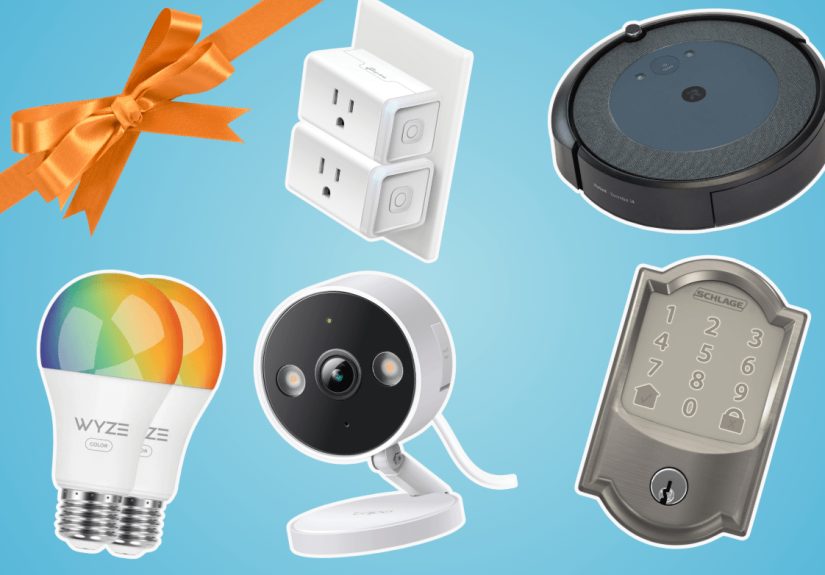
- 3) Matter-compatible smart plugs (the “turn anything smart” magic trick)
- 4) A smart bulb starter kit (the fastest “wow” per dollar)
- 5) LED light strips for instant ambiance (aka “I suddenly like my apartment” lighting)
- 6) A smart dimmer switch for “real home” lighting control
- 7) A smart thermostat that quietly pays them back
- 8) A video doorbell that answers the “who’s there?” question from anywhere
- 9) An indoor security camera with a privacy-first design
- 10) A smart lock that upgrades the front door into a superpower
- 11) Door/window contact sensors (the tiny gadgets that prevent big problems)
- 12) A presence sensor for “lights that behave like they live here” automation
- 13) A robot vacuum (or vacuum+mop) that gives time back every week
- 14) A water leak detector (the most unsexy gift that saves the most money)
- 15) A smart garage door controller (because “I left it open” is a universal fear)
- Easy bundle ideas (so your gift feels custom)
- Conclusion: the best smart home gifts feel invisible
- Real-world experiences: what gifting smart home gear is actually like (and how to make it a win)
Smart home gifts have a reputation: they’re either life-changing or they become a tiny, expensive paperweight that blinks in the corner like it’s judging you. In 2025, the odds finally swing in your favor. Thanks to better cross-platform compatibility (hello, Matter), smarter hubs, and devices that don’t demand a PhD in Wi-Fi, you can give something that gets used every single dayby real humans with real schedules and zero patience for “firmware update required.”
Below are 15 smart home gifts that hit the sweet spot: practical, easy to set up, and genuinely helpful after the “ooh shiny!” moment fades. I’ll also show you how to pick the right ecosystem, avoid subscription surprises, and bundle gifts so they feel thoughtfulnot random.
How to choose a smart home gift in 2025 (without accidentally buying a $200 headache)
The secret to giving a smart home gift that actually gets used is simple: make it work with what the person already has. In 2025, that usually means picking one of the “big” ecosystems (Alexa, Google Home, Apple Home, SmartThings) and staying compatible. Matter helps a lotmore on that in a secondbut you still want to avoid “it only works with my app” situations.
A five-point checklist that saves your sanity
- Match the ecosystem: If they talk to Alexa already, don’t gift something that demands a different app and a new account.
- Look for Matter when possible: Matter devices can connect locally and play nicer across platformsespecially for basics like lights, plugs, locks, and sensors.
- Confirm Wi-Fi basics: Many small gadgets still prefer 2.4 GHz Wi-Fi. It’s not “old,” it’s “reliable and long-range.”
- Avoid surprise subscriptions: Cameras and doorbells are the biggest offenders. The device may work without a plan, but features like cloud storage can cost extra.
- Choose “low-friction” installs: Renters and busy people love peel-and-stick sensors and plug-in devices. Hardwiring is for the brave (or the professionally installed).
One more practical tip: if you’re unsure about their setup, buy “foundation” giftssmart plugs, lighting, speakers, sensors. These add value even in a mostly-non-smart home, and they’re easier to return than, say, a smart lock that doesn’t fit the door.
The 15 best smart home gifts that people actually use in 2025
Each pick below is chosen for daily usefulness, not just “tech wow.” I’m including example products so you can shop faster, but think of these as categories you can match to budget and ecosystem.
1) A smart speaker that becomes everyone’s favorite remote control
Why it gets used: Music, timers, weather, quick questions, hands-free calls, and controlling other devices with voice. This is the most “normal” smart home devicepeople stop thinking of it as a gadget and start using it like a household utility.
Examples: Amazon Echo / Echo Dot, Google Nest Audio, Apple HomePod mini.
Gift-proof tip: If they already have one speaker, get a second for the kitchen or bedroom. Multi-room audio is an instant quality-of-life upgrade.
2) A smart display or dedicated hub for the “I don’t want to use my phone” crowd
Why it gets used: A screen in the kitchen or hallway becomes the home’s friendly command center: glanceable timers, calendar, weather, camera feeds, and big, tappable smart home controls.
Examples: Echo Show–style displays, Google Nest Hub–style displays, and newer hub-focused panels.
Gift-proof tip: This is a great gift for families and busy householdsanyone can tap a button labeled “Good Night” without learning an app.
3) Matter-compatible smart plugs (the “turn anything smart” magic trick)
Why it gets used: A smart plug can automate lamps, fans, coffee makers (with a physical on/off switch), holiday lights, and “did I leave that on?” appliances. It’s cheap convenience with a ridiculously high success rate.
Examples: TP-Link Tapo/Kasa Matter plugs, Amazon Smart Plug (for Alexa-first homes), energy-monitoring plugs for power nerds.
Gift-proof tip: Buy a 2-pack or 4-pack. People always find a second use within 48 hours. It’s science. Or procrastination. Same vibe.
4) A smart bulb starter kit (the fastest “wow” per dollar)
Why it gets used: Smart lighting improves mood, sleep routines, and conveniencewithout changing anything about daily life. Lights can fade in like sunrise, dim for movie night, or switch off automatically when everyone leaves.
Examples: Philips Hue starter kits, Nanoleaf, Govee, and budget-friendly smart bulb packs.
Gift-proof tip: Start with one room: living room lamps or bedroom. If you try to “smart” the whole house at once, you’ll spend your weekend naming bulbs like they’re pets.
5) LED light strips for instant ambiance (aka “I suddenly like my apartment” lighting)
Why it gets used: Light strips make spaces feel finishedbehind a TV, under kitchen cabinets, along a desk, or as a soft night light in a hallway. Great for dorms, rentals, and anyone who loves cozy vibes.
Examples: TV backlight kits, music-sync strips, under-cabinet strips.
Gift-proof tip: Look for strong adhesive, easy trims, and app controls that don’t require creating a 17-step “lighting account.”
6) A smart dimmer switch for “real home” lighting control
Why it gets used: A smart switch controls the wall lights everyone already usesno need for special bulbs. It’s the difference between “smart home” and “smart habits,” because guests can still use the wall switch like normal humans.
Examples: Lutron Caséta-style dimmers (popular for reliability and broad compatibility).
Gift-proof tip: Check whether the home needs a neutral wire (many older homes don’t have one). If you want a zero-drama gift, pick a kit known for compatibility.
7) A smart thermostat that quietly pays them back
Why it gets used: Smart thermostats make comfort automaticschedules, geofencing, room sensors, energy reports. In 2025, newer models also push deeper integration with other devices, so “Away mode” can coordinate lights, locks, and temperature.
Examples: Popular thermostat brands with room sensors, and newer Matter-compatible models entering the premium tier.
Gift-proof tip: Thermostats are best when the recipient owns the home (or has permission to swap). If they rent, consider a smart space heater + smart plug combo instead.
8) A video doorbell that answers the “who’s there?” question from anywhere
Why it gets used: Doorbells reduce missed deliveries, deter porch pirates, and let you respond without opening the door. They’re practical securityespecially when paired with a smart display that can show the live feed.
Examples: Ring, Nest, Arlo, and other mainstream options.
Gift-proof tip: Make sure the home has compatible power (battery vs wired). Also: check the cost of cloud video storage so the gift doesn’t come with a monthly “surprise.”
9) An indoor security camera with a privacy-first design
Why it gets used: People use indoor cameras for pets, kids, packages left inside, and peace of mind while traveling. The best models make privacy easy: physical shutters, clear status lights, and simple scheduling (on when away, off when home).
Examples: Mainstream indoor cams with app controls and optional local storage.
Gift-proof tip: “Camera anxiety” is real. If you’re gifting one, prioritize models with obvious privacy controls over fancy features.
10) A smart lock that upgrades the front door into a superpower
Why it gets used: No more hiding keys under doormats like it’s 1997. Smart locks allow keypad codes for guests, temporary access for dog walkers, and auto-locking so nobody does the “did I lock it?” U-turn.
Examples: Schlage Encode Plus–style locks (known for features like Apple Home Key in supported setups), and newer Matter-over-Thread locks that work across platforms.
Gift-proof tip: Measure the door and check the lock type (deadbolt vs handle). If you want the safest gift, choose a reputable brand with strong physical security ratings.
11) Door/window contact sensors (the tiny gadgets that prevent big problems)
Why it gets used: Contact sensors quietly improve daily life: get an alert if a door opens while you’re away, trigger lights when a closet opens, or get a reminder if the garage side door is left ajar.
Examples: Matter/Thread contact sensors from major smart home accessory brands, plus ecosystem-specific sensor kits.
Gift-proof tip: Sensors are the best “starter security” gift because they’re non-invasive and don’t feel creepy like cameras can.
12) A presence sensor for “lights that behave like they live here” automation
Why it gets used: Motion sensors are helpful, but presence sensors (often using radar) can detect someone sitting still which means lights don’t turn off mid-movie like a prank. It’s a subtle upgrade that feels surprisingly luxurious.
Examples: Newer Matter-over-Thread presence sensors and well-known mmWave models.
Gift-proof tip: Put one in a room where people linger: office, living room, or bathroom (yes, really).
13) A robot vacuum (or vacuum+mop) that gives time back every week
Why it gets used: Once someone experiences clean floors “happening in the background,” it’s hard to go back. In 2025, better mapping, obstacle avoidance, and self-emptying docks make robots far less needy than earlier generations.
Examples: Roborock, iRobot Roomba, Eufy, Ecovacs, and other major brands with mapping + self-empty options.
Gift-proof tip: If they have pets, prioritize tangle-resistant rollers and strong support for “clean this room now” commands. For mixed flooring, consider a combo model that can mop without soaking rugs (a surprisingly important life skill).
14) A water leak detector (the most unsexy gift that saves the most money)
Why it gets used: Leaks under sinks, near washing machines, or by water heaters can cause expensive damage fast. A leak sensor is the smart home equivalent of wearing a seatbelt: you don’t think about it… until you’re extremely glad you had it.
Examples: Eve Water Guard–style detectors, battery pucks for under-sink placement, and ecosystem sensor kits.
Gift-proof tip: Put it where problems happen: under the kitchen sink, behind the toilet, next to the water heater, or by the basement drain.
15) A smart garage door controller (because “I left it open” is a universal fear)
Why it gets used: This solves a very real anxiety loop: “Did I close the garage?” Smart controllers let you check status, get alerts, and close the door from anywhere. It’s simple, specific, and wildly appreciated.
Examples: myQ-compatible controllers and other major garage ecosystems.
Gift-proof tip: Verify compatibility with the existing opener model. Also set up “door left open” notificationsthis is where the magic lives.
Easy bundle ideas (so your gift feels custom)
Bundles make you look like the most thoughtful person in the room, even if you decided on the gift while standing in line. Here are three combos that punch above their weight:
“Starter Smart Home” bundle
- Smart speaker (or small smart display)
- 2–4 smart plugs
- 2 smart bulbs for a living room lamp
Why it works: It covers voice control, automation, and lightingwithout needing tools or a weekend install marathon.
“Comfort & sleep” bundle
- Smart bulbs or light strip for warm evening lighting
- Smart dimmer switch (if they own the place)
- Air quality monitor (optional, for the data-curious)
Why it works: This bundle changes how a home feels, not just how it functions.
“Safety first (but make it easy)” bundle
- Video doorbell
- Door/window contact sensor kit
- Water leak detector
Why it works: It adds real protection with minimal intrusionand no one has to explain to guests why there’s a camera pointed at the couch.
Conclusion: the best smart home gifts feel invisible
The smartest gift isn’t the one with the flashiest specsit’s the one that quietly removes friction from everyday life. In 2025, good smart home products are less about “look what my house can do” and more about “wow, my mornings are easier.”
Choose gifts that fit their ecosystem, avoid surprise subscriptions, and prioritize simple setup. If you do that, your gift won’t end up in a junk drawer next to mystery cables and an iPod Shuffle. (RIP, legend.)
Real-world experiences: what gifting smart home gear is actually like (and how to make it a win)
Here’s the truth nobody prints on the box: the success of a smart home gift is decided in the first 30 minutes. Not because the person is “bad at tech,” but because everyone’s tolerance for setup is different. If the gift feels like homework, it gets postponedand postponed gifts eventually join the great closet archive next to unused yoga mats.
The smoothest wins usually come from plug-in devices and “single-room” upgrades. A smart plug plus a lamp is a perfect example. The recipient plugs it in, scans a code, and suddenly they can say “turn on the lamp” or schedule it to switch on at sunset. That immediate payoff builds trust. Once they trust one device, they’re willing to try the next.
Lighting is another real-life hero because it improves the mood of a home without demanding behavior changes. People don’t have to remember new routines; they just notice that the living room looks better at night, or the bedroom wakes them up gently instead of blasting overhead lights like an interrogation room. The best part: lighting upgrades are easy to scale. Two bulbs become four. Then someone gets brave and adds a dimmer. Before you know it, “Movie Night” is a button, not a negotiation.
Cameras and doorbells are incredibly useful, but they come with two common speed bumps: subscriptions and placement decisions. Many households buy a camera, set it on a shelf, then spend a week debating the “perfect” location while it films… a plant. If you’re gifting a camera, include a simple suggestion card: “Try it here first: front entry or pet area.” Giving permission to start imperfectly is weirdly helpful.
Smart locks are the most emotionally satisfying upgradewhen they fit the door and the household. The happiest smart lock owners tend to love one specific feature: temporary codes. It solves real problems: letting a friend in during travel, sharing access with a cleaner, or giving a teenager a code that isn’t “1234” (please, no). The most common “oops” is buying the wrong style for the door or ignoring that someone in the household hates using apps. That’s why locks that support simple keypad entry are so giftable: they work even if nobody wants to talk to their phone today.
Finally, the sleeper hit giftthe one that gets the loudest “thank you” months lateris the leak detector. It’s not glamorous, but it’s the kind of device that prevents a bad day from becoming a bad month. People don’t brag about them, but they keep them. And if your goal is “actually used,” that’s the whole game.
If you want to level up your gifting reputation, add one more thing: a tiny “setup sprint” plan. Two sentences is enough: “Let’s set up just one room today. If you like it, we’ll add more later.” That turns the gift into an experiencewithout turning it into a project.