Table of Contents >> Show >> Hide
- Start Here: 4 Quick Rules for Deck Privacy That Actually Works
- 18 Deck Privacy Ideas (From Quick Wins to Full “Outdoor Room” Energy)
- 1) Add a slatted privacy wall that matches your railing
- 2) Frame in lattice panels for classic coverage (without feeling boxed in)
- 3) Install decorative privacy panels (metal, composite, or carved-look)
- 4) Hang outdoor curtains for instant “resort deck” privacy
- 5) Try roll-down shades for adjustable privacy (and glare control)
- 6) Build a pergola and add a canopy for overhead and side screening
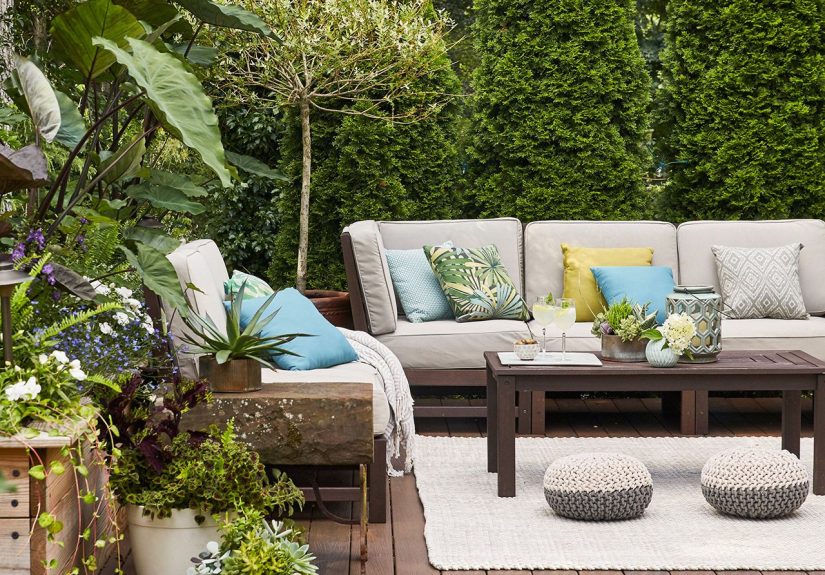
- 7) Use a shade sail strategically to block upper-story views
- 8) Create a “green wall” with a trellis + climbing vines
- 9) Line the edge with tall, narrow evergreens in planters
- 10) Use ornamental grasses for privacy that moves (and feels expensive)
- 11) Build a bench-with-back privacy wall (seating + screen in one)
- 12) Add a freestanding folding screen for flexible, rental-friendly privacy
- 13) Upgrade your railing with a privacy insert
- 14) Zip-tie (tastefully) reed/bamboo fencing to an existing railing
- 15) Create privacy with an offset layout (turn seating away from neighbors)
- 16) Use an umbrella or cantilever umbrella as a “privacy blocker”
- 17) Build a planter-box privacy screen (tall planter + screen frame)
- 18) Add sound privacy with a small water feature (yes, it counts)
- 3 Deck Privacy “Recipes” (Because Mixing Ideas Is Where the Magic Happens)
- Maintenance and Safety Tips (So Your Privacy Doesn’t Fly Away)
- Experience Notes: What Homeowners Commonly Learn After Trying These Ideas
- Conclusion
Your deck has big “main character energy.” Unfortunately, so do your neighbors’ second-story windows. If your outdoor hangout currently feels like you’re hosting a reality show called Keeping Up With the Fence People, it’s time to reclaim your space.
The best deck privacy solutions don’t just block viewsthey shape a cozy outdoor “room,” soften noise, filter wind, and still let in enough light that your plants don’t file a complaint. Below are 18 practical, good-looking deck privacy ideasranging from quick weekend upgrades to built-in featuresthat help you create a backyard retreat that feels calm, comfortable, and pleasantly unbothered.
Start Here: 4 Quick Rules for Deck Privacy That Actually Works
1) Fix sightlines, not just “privacy”
Privacy is mostly geometry. Sit in your favorite chair, then look outward: where are the “peeping angles” coming fromstreet level, next-door patio, second floor windows, or that one neighbor who seems to water their plants 11 times a day? Once you identify the angles, you can block only what matters (often cheaper and less bulky than building a wall everywhere).
2) Mix hard + soft layers
Hard layers (slats, lattice, panels) give instant screening. Soft layers (plants, curtains, grasses) make it feel like a retreat instead of a loading dock. The magic is combining the two: structure for coverage, greenery for warmth.
3) Respect wind and weight
Decks are breezy by designgreat for summer, less great for anything that wants to become a sail. Choose anchored posts for tall screens, and make sure planters are stable and won’t overload a corner of your deck. If you live in a windy area, prioritize slatted designs that let air pass through.
4) Check local rules before you go tall
Deck privacy can trigger zoning rules, HOA guidelines, or permit requirementsespecially if you’re adding tall fencing or permanent structures. It’s easier to adjust the plan now than to argue with a clipboard later.
18 Deck Privacy Ideas (From Quick Wins to Full “Outdoor Room” Energy)
1) Add a slatted privacy wall that matches your railing
A vertical slat wall is one of the cleanest, most modern deck privacy screens. You can build it as an extension of your railing posts or attach it to a pergola frame. Keep spacing tight enough to block views but open enough to breathethink “stylish cabana,” not “maximum-security patio.”
- Best for: side-neighbor sightlines, modern decks, windy areas
- Pro tip: stain it to match your decking or trim for a built-in look
2) Frame in lattice panels for classic coverage (without feeling boxed in)
Lattice is the deck privacy MVP: affordable, lightweight, and friendly to climbing plants. The trick is framing it like it’s intentionaluse trim boards, caps, and a sturdy frame so it reads as architecture, not “temporary fix from aisle 12.” Choose tighter patterns for more privacy.
3) Install decorative privacy panels (metal, composite, or carved-look)
Decorative panels can be the easiest way to get privacy and style in one shot. Laser-cut metal screens, composite panels, and patterned privacy sheets create a focal point while blocking the view. They’re especially good when you want privacy without the “solid wall” vibe.
- Best for: modern or eclectic decks, small spaces, statement backdrops
- Bonus: patterns throw cool shadows when the sun hitsfree drama, the good kind
4) Hang outdoor curtains for instant “resort deck” privacy
Outdoor curtains are the quickest way to turn a deck into a private loungeespecially if you have a covered deck, pergola, or beam to mount a rod. They also soften sun and wind. Use outdoor-rated fabric (or treat fabric for weather resistance) and add curtain tiebacks so you can open things up when you want.
5) Try roll-down shades for adjustable privacy (and glare control)
Roll-down bamboo shades or outdoor solar shades are perfect if you want privacy only at certain timeslike when the sun drops low or when your neighbor’s kitchen lights turn your deck into a stage. Mount them to a pergola, roofline, or privacy frame and keep them neat with hold-downs in windy weather.
6) Build a pergola and add a canopy for overhead and side screening
If you feel overlooked from above, vertical screens alone won’t fully fix it. A pergola with a canopy (or shade fabric) creates a ceiling that makes the whole deck feel tucked away. Add one screened side for the direction you need most, and you’ve got a true outdoor room.
7) Use a shade sail strategically to block upper-story views
Shade sails aren’t only for sunthey can disrupt awkward sightlines from above when positioned at the right angle. They’re also less “construction-y” than a full roof. Install with proper hardware and tension, and plan for rainwater runoff depending on your climate.
8) Create a “green wall” with a trellis + climbing vines
A trellis turns privacy into a living feature. Start with a sturdy trellis or lattice panel, then train climbers like jasmine, climbing hydrangea, or other region-appropriate vines. You’ll get a layered privacy screen that looks better every season.
- Best for: long-term privacy, softening hard edges, garden-forward decks
- Reality check: vines take timepair with a panel for instant coverage
9) Line the edge with tall, narrow evergreens in planters
Container evergreens are a powerful solution for decks because they add height without permanently altering your property. Choose upright varieties and large, stable planters. This approach creates a “living fence” that feels lush rather than rigid, and it can work even in tighter spaces.
10) Use ornamental grasses for privacy that moves (and feels expensive)
Tall grasses in long planters give privacy, texture, and that calming swishy sound in the breeze. They’re excellent when you want a softer screen that still blocks views at sitting height. Pick varieties that suit your region and sun exposure, and group planters for fuller coverage.
11) Build a bench-with-back privacy wall (seating + screen in one)
If you’re tight on space, dual-purpose features win. A built-in bench with a tall back (or a bench in front of a slatted screen) creates a cozy nook and blocks views at the same time. It’s perfect for conversation corners or a small dining setup.
12) Add a freestanding folding screen for flexible, rental-friendly privacy
Folding screens are the “move it where you need it” optiongreat for renters or anyone who wants to test layouts before building. Look for outdoor-rated materials, and add planters or weights at the base if wind is a factor.
13) Upgrade your railing with a privacy insert
Some railing systems offer privacy insertsslats, panels, or screens that attach directly to existing rails. This is one of the cleanest upgrades if your deck railing feels too open. It’s especially useful for elevated decks where you want to block street-level views without building a taller fence.
14) Zip-tie (tastefully) reed/bamboo fencing to an existing railing
For a fast, budget-friendly fix, reed or bamboo rolls can attach to a railing and create a beachy, casual look. It’s not as long-lasting as a built system, but it’s quick and surprisingly effective for blocking views at the railing line. Choose a tight weave for better screening.
15) Create privacy with an offset layout (turn seating away from neighbors)
Sometimes privacy is as simple as re-aiming your “hang zone.” Place a sofa so its back faces the neighbor side, or angle chairs inward. Add a slim console table behind seating and you’ve got a buffer that feels intentionallike you designed it that way (because you did).
16) Use an umbrella or cantilever umbrella as a “privacy blocker”
Umbrellas aren’t just for sun. A large patio umbrellaespecially a cantilever stylecan block views from a specific direction and make your seating area feel tucked in. It’s a great solution when you don’t want a permanent structure or you need something adjustable throughout the day.
17) Build a planter-box privacy screen (tall planter + screen frame)
This is one of the most practical hybrid builds: a tall planter at the base (for stability) with a screen above (for height). Plant with upright shrubs, grasses, or even faux greenery if you want zero maintenance. The planter adds weight, the screen adds coverage, and together they look like a designer feature.
18) Add sound privacy with a small water feature (yes, it counts)
Visual privacy is only half the “secluded” feeling. A small fountain or water bowl can mask neighborhood noise and make your deck feel calmereven if your screen isn’t fully opaque. Pair sound masking with a partial screen for a retreat that feels private in more than one way.
3 Deck Privacy “Recipes” (Because Mixing Ideas Is Where the Magic Happens)
The Quick Weekend Retreat
- Outdoor curtains or roll-down shades
- Two oversized planters with tall grasses
- Umbrella angled toward the problem sightline
The Lush Living Wall
- Framed lattice or trellis panels
- Climbing vines + drip irrigation (or self-watering planters)
- Layered planters at the base for instant fullness
The Modern Outdoor Room
- Pergola + canopy
- One slatted privacy wall + one decorative panel section
- Low lighting + a water feature for the “ahhh” factor
Maintenance and Safety Tips (So Your Privacy Doesn’t Fly Away)
- Anchor tall screens: Freestanding panels should be secured to posts or weighted bases if wind is common.
- Choose outdoor hardware: Stainless or coated fasteners help prevent rust streaks on wood.
- Plan for drainage: Use planters with drainage and saucers or hidden trays to protect deck boards.
- Think about growth: Plants get bigger. Give them room now so your “privacy hedge” doesn’t become a “deck monster.”
- Confirm rules: If you’re adding height or structures, double-check local guidelines and HOA requirements.
Experience Notes: What Homeowners Commonly Learn After Trying These Ideas
People usually start deck privacy projects with one big goal: “I don’t want the neighbors to see me eating chips in my pajamas.” Totally valid. But once the project begins, most homeowners realize privacy isn’t a single productit’s a strategy. The best results come from combining coverage, comfort, and flexibility. And yes, there are a few recurring “wish someone told me that first” moments.
One common experience: wind changes everything. That gorgeous full-height curtain wall you saved on your inspiration board? In a breezy neighborhood, it can behave like a sail and try to relocate to the next ZIP code. Homeowners who succeed with curtains typically add tiebacks, choose heavier outdoor fabric, and install hold-downs or weighted hems. Many also learn to treat curtains like a “privacy dimmer switch”closed when needed, tied back when not.
Another lesson: plants are privacy with a personality. A row of tall planters looks amazing and feels softer than fencing, but people often underestimate maintenance. Containers dry out faster than in-ground beds, especially on sunny decks. The homeowners who stay happiest long-term either (a) pick sturdy, drought-tolerant plants for their climate, (b) size up planters so soil holds moisture longer, or (c) add simple drip irrigation. Many also discover that mixing plant texturesevergreens for structure, grasses for movement, flowering vines for charmcreates privacy that looks “designed,” not accidental.
Then there’s the big surprise: privacy is also about where you sit. A lot of decks feel exposed because furniture is placed right at the edge (closest to the view you’re trying to block). Homeowners frequently report that pulling seating inward by even 12–24 inches makes the whole deck feel more shelteredespecially when paired with a screen or planters along the perimeter. Turning chairs inward, adding a rug, and placing a small side table can make the space feel like a room, not a platform.
People also learn the value of partial coverage. Full walls can feel heavy or reduce airflow and light. A popular “aha” approach is to block only the problem angles: one slatted panel where the neighbor’s patio lines up, a trellis section where the street view hits, and a shade sail where the second-story window peers down. This tends to look more intentional, costs less, and avoids the “fortress deck” effect.
Finally, many homeowners fall in love with sound privacy. Even when a screen isn’t completely opaque, adding a small fountain or even gentle background music can make the deck feel instantly more secluded. The result is less “Are they watching me?” and more “I live at a boutique resort now.” That’s the real win: not just hiding from neighbors, but creating a space that feels like your owncomfortable, calm, and ready for whatever your ideal backyard retreat looks like.
Conclusion
Deck privacy isn’t about building the tallest wallit’s about designing a space where you can actually relax. Whether you add a slatted screen, a trellis covered in vines, outdoor curtains, or a lineup of tall planters, the best approach is the one that fits your sightlines, your climate, and how you use the deck. Start with one problem angle, layer in a soft element like plants or fabric, and you’ll be shocked how quickly your deck turns into a secluded backyard retreat you’ll want to live in all season.