Table of Contents >> Show >> Hide
- Why Healthy Snack Swaps Work
- How to Build a Better Snack
- 20 Healthy Snack Swaps for Better Everyday Eating
- 1. Swap Potato Chips for Air-Popped Popcorn
- 2. Swap Candy Bars for Apple Slices With Nut Butter
- 3. Swap Sugary Yogurt for Plain Greek Yogurt With Berries
- 4. Swap Soda for Sparkling Water With Fruit
- 5. Swap Cookies for Energy Bites Made With Oats
- 6. Swap Ice Cream for Frozen Banana “Nice Cream”
- 7. Swap Crackers and Cheese Dip for Whole-Grain Crackers With Hummus
- 8. Swap Fruit Snacks for Real Fruit
- 9. Swap Nachos for Bell Pepper “Nachos”
- 10. Swap Sweet Granola Bars for Nuts and Dried Fruit
- 11. Swap Fried Tortilla Chips for Baked Tortilla Chips and Salsa
- 12. Swap Muffins for Whole-Grain Toast With Avocado
- 13. Swap Pretzels for Roasted Chickpeas
- 14. Swap Milk Chocolate for Dark Chocolate With Almonds
- 15. Swap Creamy Ranch Dip for Greek Yogurt Herb Dip
- 16. Swap Sugary Cereal for High-Fiber Cereal With Milk
- 17. Swap Pudding Cups for Chia Pudding
- 18. Swap Bagels With Cream Cheese for Mini Whole-Grain Pita With Egg
- 19. Swap Store-Bought Trail Mix for a DIY Lower-Sugar Mix
- 20. Swap Cupcakes for Cottage Cheese With Fruit
- Healthy Snack Swaps for Different Cravings
- Snack Prep Tips That Make Healthy Choices Easier
- Common Mistakes to Avoid With Healthy Snacking
- Real-Life Experiences With Healthier Snack Swaps
- Conclusion
Snacking has a public relations problem. It gets blamed for everything from the mysterious disappearance of office cookies to the “how did this whole bag of chips become one serving?” situation. But snacking itself is not the villain. In fact, smart snacks can help you stay energized, avoid getting wildly hungry before dinner, and add more fiber, protein, vitamins, and minerals to your day.
The trick is not to quit snacks forever and become a person who smiles calmly at celery. The trick is to make healthier snack swaps that still taste good, feel satisfying, and fit real life. A healthy snack does not need to be complicated, expensive, or Instagram-worthy. Sometimes it is as simple as swapping candy for fruit with nut butter, soda for sparkling water, or greasy chips for air-popped popcorn with seasoning.
This guide breaks down 20 practical food swaps for healthier snacking. Each one focuses on simple upgrades: more fiber, more protein, less added sugar, less sodium, and fewer ultra-processed ingredients when possible. Think of these as tiny snack renovations. Same cravings, better building materials.
Why Healthy Snack Swaps Work
Healthy snacking works best when it supports your appetite instead of fighting it. Snacks that combine protein, fiber, and healthy fats tend to keep you full longer than snacks built mostly from refined carbs and added sugar. That is why a handful of nuts with fruit usually feels more satisfying than a handful of candy, even if the candy is louder, shinier, and more emotionally dramatic.
Another reason snack swaps work is that they reduce the “all or nothing” mindset. You do not have to ban every favorite food. Instead, you can choose better everyday options and save the richer treats for times when you truly want them. That approach is more realistic than pretending rice cakes are birthday cake. They are not. Everyone knows.
How to Build a Better Snack
A balanced snack usually has at least two of these three elements: fiber-rich carbohydrates, protein, and healthy fats. For example, apple slices with peanut butter provide fruit-based carbs, fiber, and fat. Greek yogurt with berries offers protein, calcium, and antioxidants. Whole-grain crackers with hummus bring fiber, plant protein, and a creamy dip situation that feels more fun than “I ate a plain cracker and called it wellness.”
When buying packaged snacks, use the Nutrition Facts label as your snack GPS. Look for lower amounts of added sugar, saturated fat, and sodium. Check serving size, too, because some snack packages have the audacity to call three bites a serving. For fiber, whole grains, beans, fruits, vegetables, nuts, and seeds are your snack-time best friends.
20 Healthy Snack Swaps for Better Everyday Eating
1. Swap Potato Chips for Air-Popped Popcorn
Potato chips are crunchy, salty, and very good at vanishing. Air-popped popcorn gives you that same crunch with whole-grain fiber and a larger portion size for fewer calories. Keep it simple with a sprinkle of cinnamon, smoked paprika, garlic powder, nutritional yeast, or a light pinch of salt. Skip heavy butter coatings and sweet caramel versions for everyday snacking.
2. Swap Candy Bars for Apple Slices With Nut Butter
A candy bar may give you quick energy, but it often comes with lots of added sugar and not much staying power. Apple slices with peanut, almond, or sunflower seed butter offer natural sweetness, fiber, and healthy fats. It is crunchy, creamy, and satisfying enough to calm a sweet craving without sending your blood sugar on a theme park ride.
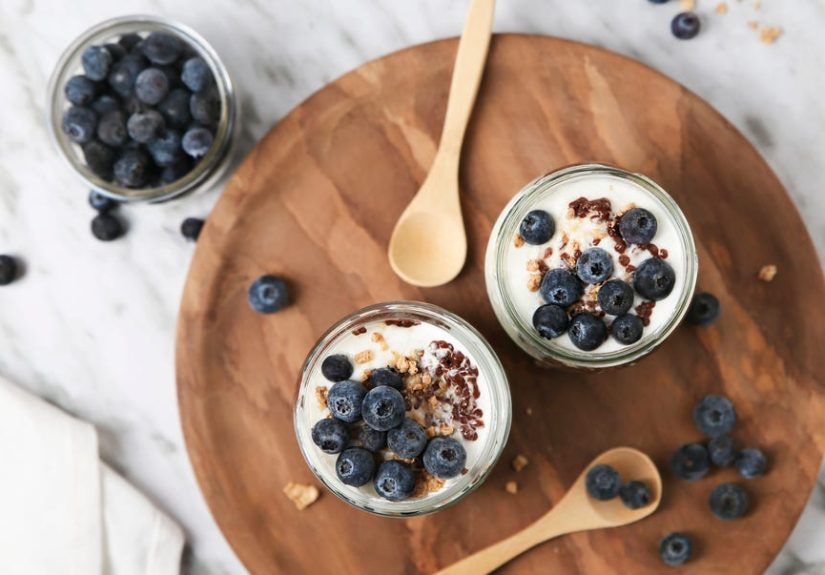
3. Swap Sugary Yogurt for Plain Greek Yogurt With Berries
Flavored yogurts can contain more added sugar than you expect. Plain Greek yogurt gives you protein and a creamy base, while berries add sweetness, fiber, and color. Add cinnamon, vanilla extract, or a few chopped nuts for texture. If you need more sweetness, drizzle a small amount of honey rather than letting the yogurt cup make all the decisions for you.
4. Swap Soda for Sparkling Water With Fruit
Soda is a common source of added sugar, and liquid calories do not always satisfy hunger. Sparkling water with lemon, lime, orange slices, cucumber, mint, or berries gives you bubbles without the sugar load. If plain sparkling water feels too boring, start with unsweetened flavored varieties and pour it into a fancy glass. Hydration loves a costume.
5. Swap Cookies for Energy Bites Made With Oats
Cookies are delicious, but many packaged versions rely on refined flour, added sugar, and saturated fat. Homemade oat-based energy bites can be made with rolled oats, nut butter, chia seeds, ground flaxseed, and a small amount of honey or mashed banana. They are chewy, portable, and easy to prep for the week.
6. Swap Ice Cream for Frozen Banana “Nice Cream”
For a creamy frozen treat, blend frozen banana slices with a splash of milk or fortified soy milk. Add cocoa powder for a chocolate version or frozen strawberries for a fruity twist. It will not replace premium ice cream at a birthday party, but for a Tuesday night snack, it is surprisingly convincing.
7. Swap Crackers and Cheese Dip for Whole-Grain Crackers With Hummus
Many creamy cheese dips are high in sodium and saturated fat. Hummus offers chickpea-based fiber, plant protein, and a smooth texture that pairs well with whole-grain crackers, carrots, cucumbers, bell peppers, or snap peas. Choose lower-sodium hummus when available, or make your own with chickpeas, tahini, lemon juice, garlic, and olive oil.
8. Swap Fruit Snacks for Real Fruit
Fruit snacks may have fruit pictures on the package, but many are closer to candy than produce. Real fruit brings fiber, water, vitamins, and natural sweetness. Grapes, orange slices, berries, peaches, apples, pears, and bananas are easy options. For convenience, keep washed fruit at eye level in the fridge so it does not enter the forgotten produce witness protection program.
9. Swap Nachos for Bell Pepper “Nachos”
If you love nachos, try sliced bell peppers as the base. Top them with black beans, salsa, a sprinkle of shredded cheese, avocado, and Greek yogurt instead of sour cream. You still get color, crunch, and flavor, but with more vegetables and fiber. This swap works especially well when you want a snack that feels like a mini meal.
10. Swap Sweet Granola Bars for Nuts and Dried Fruit
Some granola bars are basically cookies wearing hiking boots. A simple mix of unsalted nuts and unsweetened dried fruit can offer protein, healthy fats, fiber, and chewiness. Portion it into small containers because nuts are nutrient-dense, and “just one more handful” is a phrase that has tricked many good people.
11. Swap Fried Tortilla Chips for Baked Tortilla Chips and Salsa
When you want chips and dip, baked tortilla chips with salsa can be a lighter choice than fried chips with heavy dip. Salsa adds tomatoes, peppers, onions, and big flavor for relatively few calories. Look for lower-sodium salsa, or make a fresh version with diced tomatoes, lime juice, cilantro, onion, and jalapeño.
12. Swap Muffins for Whole-Grain Toast With Avocado
Many bakery muffins are oversized and closer to cupcakes than breakfast. Whole-grain toast with avocado provides fiber and heart-healthy unsaturated fats. Add tomato slices, a boiled egg, black pepper, or crushed red pepper for more flavor and protein. It is simple, filling, and much less likely to create a midmorning sugar slump.
13. Swap Pretzels for Roasted Chickpeas
Pretzels are crunchy but often low in fiber and high in sodium. Roasted chickpeas are crunchy, savory, and packed with plant protein and fiber. Toss cooked chickpeas with olive oil, paprika, garlic powder, or curry powder, then roast until crisp. They make a great snack for school, work, road trips, or pretending you meal-prepped like a champion.
14. Swap Milk Chocolate for Dark Chocolate With Almonds
If chocolate is calling your name, you do not have to pretend you cannot hear it. Try a small portion of dark chocolate with almonds. Dark chocolate usually has a stronger flavor, so a little goes further, while almonds add crunch, protein, fiber, and healthy fats. Choose chocolate with less added sugar when possible.
15. Swap Creamy Ranch Dip for Greek Yogurt Herb Dip
Traditional ranch dip can be high in sodium and saturated fat. Plain Greek yogurt mixed with garlic powder, dill, parsley, lemon juice, and black pepper creates a creamy dip with more protein. Serve it with carrots, cucumbers, celery, cherry tomatoes, or whole-grain pita wedges. Vegetables become much more exciting when they get a good dip. This is science, or at least snack diplomacy.
16. Swap Sugary Cereal for High-Fiber Cereal With Milk
A bowl of sugary cereal can taste fun but may leave you hungry again quickly. Choose a high-fiber, lower-sugar cereal made with whole grains. Pair it with low-fat milk, lactose-free milk, or fortified soy milk, and add berries or sliced banana. This makes a quick snack that feels nostalgic without turning into dessert in a bowl.
17. Swap Pudding Cups for Chia Pudding
Chia pudding is simple: chia seeds, milk or fortified plant milk, and a little vanilla. Let it thicken in the fridge, then top with berries, mango, cinnamon, or chopped nuts. Chia seeds provide fiber and healthy fats, making this snack more filling than many standard pudding cups. It also looks fancy despite requiring almost no effort, which is the best kind of fancy.
18. Swap Bagels With Cream Cheese for Mini Whole-Grain Pita With Egg
A large bagel with cream cheese can be heavy on refined carbs and saturated fat. A mini whole-grain pita stuffed with sliced boiled egg, spinach, tomato, or avocado offers protein, fiber, and more balanced nutrition. This swap is especially helpful when your “snack” needs to hold you over for several hours.
19. Swap Store-Bought Trail Mix for a DIY Lower-Sugar Mix
Store-bought trail mix can include candy pieces, sweetened dried fruit, and salty nuts. Make your own with unsalted almonds, walnuts, pumpkin seeds, unsweetened dried cranberries or raisins, and a small amount of dark chocolate chips if desired. DIY trail mix gives you control over sugar and sodium while keeping the snack fun.
20. Swap Cupcakes for Cottage Cheese With Fruit
Cupcakes have their place, and that place is often a celebration where frosting is emotionally necessary. For a regular afternoon sweet snack, cottage cheese with pineapple, peaches, berries, or cinnamon apples gives you protein and natural sweetness. If the texture is not your favorite, blend the cottage cheese until smooth and turn it into a creamy fruit bowl.
Healthy Snack Swaps for Different Cravings
When You Want Something Crunchy
Try air-popped popcorn, roasted chickpeas, raw vegetables with dip, whole-grain crackers, baked tortilla chips, or apple slices. Crunchy snacks are often about texture as much as taste, so replacing the crunch is important. A sad soft snack will not solve a chip craving. It will simply make you think about chips more intensely.
When You Want Something Sweet
Reach for fruit with nut butter, Greek yogurt with berries, chia pudding, frozen banana nice cream, cottage cheese with fruit, or dark chocolate with almonds. These options still satisfy a sweet tooth, but they bring more nutrition to the party.
When You Want Something Salty
Choose roasted chickpeas, hummus with vegetables, lightly salted popcorn, salsa with baked chips, or avocado toast with seasoning. To reduce sodium, use herbs, spices, citrus, vinegar, garlic, smoked paprika, chili powder, or nutritional yeast for bold flavor.
When You Need a Filling Snack
If your next meal is hours away, choose a snack with protein and fiber. Good examples include Greek yogurt with fruit, a boiled egg with vegetables, hummus with whole-grain crackers, cottage cheese with fruit, or nut butter with apple slices. A filling snack should quiet hunger, not start a snack parade that ends in the pantry.
Snack Prep Tips That Make Healthy Choices Easier
Healthy snacking is easier when the better choice is the easy choice. Wash and cut vegetables in advance. Portion nuts and trail mix into small containers. Keep fruit visible. Stock plain Greek yogurt, hummus, hard-boiled eggs, whole-grain crackers, and frozen berries. When snacks are ready to grab, you are less likely to negotiate with a vending machine.
It also helps to plan for your personal danger zones. If you usually get hungry after school, after work, or around 9 p.m., prepare snacks for those times. Hunger is not a character flaw. It is a biological message. The goal is to answer it with something that helps you feel good afterward.
Common Mistakes to Avoid With Healthy Snacking
The first mistake is assuming “healthy” means unlimited. Nuts, nut butter, granola, dried fruit, and avocado are nutritious, but portions still matter. The second mistake is choosing snacks that are too light. A plain rice cake may be low in calories, but if it leaves you hungry five minutes later, it is not doing its job.
The third mistake is ignoring added sugar in foods that look healthy. Flavored yogurt, granola bars, cereals, bottled smoothies, and dried fruit can contain more sugar than expected. Read labels and compare options. The fourth mistake is making snacks boring. If your snack tastes like cardboard with a side of regret, you will not keep eating it. Flavor matters.
Real-Life Experiences With Healthier Snack Swaps
The easiest way to understand healthy snack swaps is to picture a normal week, not a perfect wellness commercial where someone laughs joyfully at a bowl of kale. In real life, snacks happen in cars, classrooms, offices, kitchens, dorm rooms, and while standing in front of the fridge wondering what emotion you are currently eating.
One practical experience is the afternoon energy dip. Around 3 p.m., many people reach for cookies, candy, or a sweet coffee drink because they want quick energy. Swapping that routine for Greek yogurt with berries or apple slices with peanut butter can feel surprisingly different. The snack still tastes sweet, but the protein and fiber help prevent the crash that can happen after a sugary snack. Instead of feeling like you need another snack thirty minutes later, you may feel steady enough to finish homework, work, errands, or whatever task has been quietly judging you from your to-do list.
Another common experience is late-night snacking. This is when chips, ice cream, and leftover desserts start whispering from the kitchen. A helpful swap is to keep a “better late-night snack list” ready: air-popped popcorn, frozen banana nice cream, cottage cheese with fruit, or herbal tea with a small piece of dark chocolate. The goal is not to punish yourself for being hungry at night. The goal is to choose something that satisfies the craving without making you feel sluggish or overly full before bed.
Snack swaps also work well for people who love crunchy foods. Many crunchy snacks are salty and easy to overeat because the texture is so satisfying. Replacing chips with popcorn, roasted chickpeas, or vegetables with Greek yogurt dip gives you the crunch but adds more fiber and nutrients. At first, it may feel like a downgrade if you expect the exact same flavor. But when you season popcorn with smoked paprika or roast chickpeas with garlic and chili powder, the swap starts to feel less like “healthy food” and more like “why did I not make this sooner?”
For families, snack swaps can reduce the daily snack argument. Instead of removing every treat from the house, try creating snack zones. Keep everyday snacks like fruit, yogurt, nuts, hummus, whole-grain crackers, and vegetables easy to reach. Keep sweets and chips as occasional options. This approach helps kids, teens, and adults learn balance instead of treating certain foods like forbidden treasure. Forbidden treasure, as history has shown, tends to become very interesting.
For busy mornings, snack swaps can prevent emergency convenience-store choices. Packing a small container of trail mix, a boiled egg, a banana, or whole-grain crackers with hummus can make the difference between feeling prepared and buying a pastry the size of a small pillow. Preparation does not need to be dramatic. Even five minutes the night before can save money, improve nutrition, and lower the odds of choosing a snack purely because it was closest to the cash register.
Another useful experience is learning which snacks actually satisfy you. Some people feel full after yogurt, while others need something crunchy. Some prefer sweet snacks, while others want salty. Healthy snacking becomes easier when you stop copying someone else’s perfect snack routine and start noticing your own hunger patterns. If a snack keeps you full, tastes good, and helps you feel energized, it is doing its job.
Finally, the best snack swaps are the ones you can repeat. You do not need twenty new snacks every week. Choose three or four swaps that fit your taste and schedule. Maybe it is popcorn instead of chips, berries and yogurt instead of ice cream, hummus instead of creamy dip, and fruit instead of candy. Small changes add up because snacks happen often. Upgrade the snacks, and you quietly upgrade the whole day.
Conclusion
Healthy snacking is not about becoming a flawless eater or giving up every food that brings joy. It is about making smart, realistic choices most of the time. The best healthy snack swaps add protein, fiber, vitamins, minerals, and flavor while cutting back on excess added sugar, sodium, and saturated fat. They help you stay full, support steady energy, and make everyday eating feel easier.
Start with one or two swaps that match your cravings. Replace chips with popcorn. Trade sugary yogurt for Greek yogurt with berries. Try fruit with nut butter instead of candy. Build from there. A better snack does not have to be boring, complicated, or suspiciously green. It just has to help you feel better after you eat it.
Note: This article is for general educational purposes and is not a substitute for personalized medical or nutrition advice. People with allergies, diabetes, kidney disease, eating disorders, pregnancy-related nutrition needs, or other health conditions should consult a qualified healthcare professional or registered dietitian for individual guidance.