Table of Contents >> Show >> Hide
- Why a 3-piece rectangular set is the sweet spot
- What “3-piece” should mean (so you don’t get tricked by math)
- Materials that matter: plastic vs glass (and why lids decide everything)
- How to judge quality: the tests that actually matter
- Microwave, fridge, freezer: use it right so it lasts
- Cleaning & care: keep your set from getting gross
- How to choose the best 3-piece rectangular storage container set
- Common mistakes (and how to avoid them)
- FAQ
- Conclusion
- Real-life experiences with a 3-piece rectangular storage container set
Three containers. One mission: stop your fridge from turning into a leftovers museum.
A 3-piece rectangular storage container set is the “small tool, big impact” kind of kitchen upgrade.
Rectangles stack neatly, fit lunch bags better than most round containers, and make it easier to see and portion what you actually have.
If you meal prep, pack lunches, or just want leftovers to survive long enough to be eaten, this is a smart place to start.
Why a 3-piece rectangular set is the sweet spot
Giant bundle sets look like a bargainuntil you realize you’ve purchased 18 lids with commitment issues.
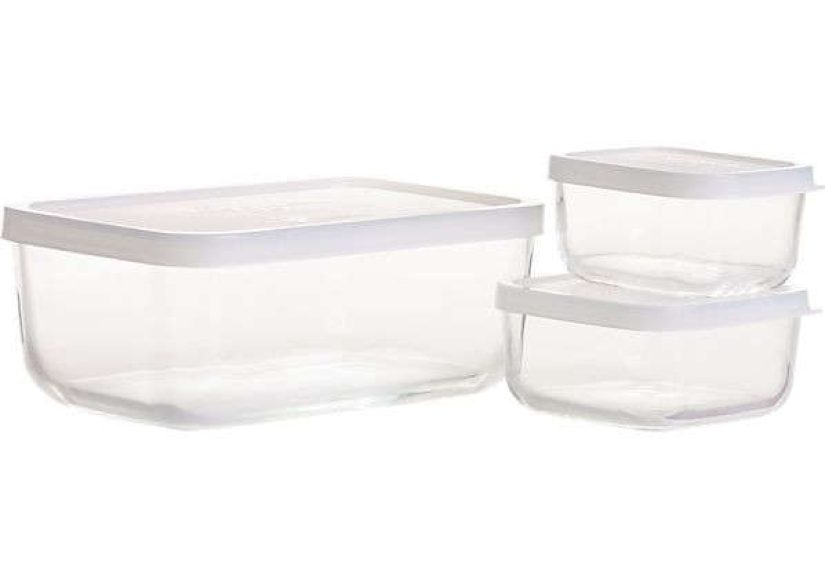
Three matching containers (each with its own lid) gives you variety without chaos: one small, one medium, one large.
It’s also the easiest way to test what you prefer (plastic vs glass, snap locks vs press-fit) before investing in a full system.
Pro tip: if you’re picky about long-term convenience, favor sets from brands that sell replacement lids or gaskets.
The container base rarely fails firstthe lid doesand replacing one part beats replacing the whole set.
What “3-piece” should mean (so you don’t get tricked by math)
Some listings count bases and lids separately. For everyday use, the most practical “3-piece” set is
three rectangular containers plus three matching lids.
That’s the version that works for leftovers, lunch, and pantry organizationwithout requiring spare parts.
The most useful size mix
Size names vary, but a good spread usually looks like this:
- Small (1–2 cups): snacks, chopped ingredients, dressing, salsa, nuts.
- Medium (3–5 cups): an everyday lunch portion, cut vegetables, pasta salad.
- Large (6–10 cups): family leftovers, batch-cooked food, pre-washed greens.
Rectangular shapes shine here: a lasagna slice fits, a sandwich sits flat, and stacking wastes less shelf space.
Materials that matter: plastic vs glass (and why lids decide everything)
Most 3-piece sets come in two main styles: lightweight plastic or heavier glass bases with plastic lids.
Both can be excellentif the lid design matches your routine.
Premium plastic sets
Plastic wins for portability. If you carry lunch daily, plastic is easier on your bag and your wrist.
Look for clear labeling: BPA-free, dishwasher-safe, and guidance for microwave use.
Higher-end plastics often resist staining and odors better than basic “takeout-style” containers.
Glass-base sets
Glass is great when reheating is part of your life. It doesn’t hang onto odors, cleans up easily, and handles sauces without staining.
Many glass bases are microwave-safe, and some are oven-safe (lids usually are not), which is handy for
“store it, reheat it, serve it” meals.
Why lids are the real MVP
A container can be gorgeous, but if the lid leaks, it’s basically a bowl with trust issues.
Two lid styles dominate:
- Snap-lock/latch lids with a gasket: usually the most airtight and leakproof.
- Press-fit lids: simple and light, best for dry foods and basic leftovers.
If you pack soups, dressing, or saucy leftovers, a gasketed latch lid is worth it.
If you mostly store cut fruit, grains, and pantry staples, press-fit can be perfectly fine.
How to judge quality: the tests that actually matter
“Food storage container” is a broad category, so reputable reviewers and testing labs usually focus on a few repeatable performance checks:
can it seal, can it survive, and does it stay pleasant to use over time? You can borrow the same logic when shoppingor when sanity-checking
a new set at home.
1) The leak test (a.k.a. the backpack confidence test)
Fill the container halfway with water, close the lid the way the instructions recommend, then tip it upside down over the sink.
If it drips, it’s telling you it’s a “dry foods only” container. If it stays tight, you’ve got a strong candidate for soups,
dressings, and saucy leftovers.
2) The drop-and-stack test
Great containers don’t just store foodthey survive real life. Testing groups often do basic drop checks and stacking checks because
weak plastic cracks, brittle corners chip, and lids pop open when pressure hits the wrong spot. At home, a gentler version works:
stack the full set in the fridge, then slide it in and out like you would on a busy weeknight. If the stack wobbles or lids shift,
you’ll feel it immediately.
3) The stain & odor test
Tomato sauce, curry, and garlic are the usual stress tests. Plastic that stains easily will start looking old fast, and plastic that holds odor
makes “today’s yogurt” taste like “yesterday’s shawarma.” If you cook with a lot of spices or tomato-based meals, glass bases or
stain-resistant premium plastic can be worth the upgrade.
4) The latch life test
Latches are fantasticuntil they’re flimsy. Open and close the latches a dozen times when the set is new. They should feel secure, not crunchy
or brittle, and the seal should sit evenly all the way around. If the gasket is removable, check that it snaps back into place without curling.
Microwave, fridge, freezer: use it right so it lasts
Microwave reheating without the “steam explosion”
“Microwave-safe” doesn’t mean “seal it tight.” Steam needs a way out.
Use a lid with a vent, or set the lid on top loosely. If your lid has latches, many systems advise heating with latches open.
Bonus: venting reduces splatters and keeps the gasket from taking a heat beating.
Food safety basics for leftovers
Containers help you store food well, but they don’t stop time. A common rule of thumb for cooked leftovers is
about 3–4 days in the refrigerator. For longer storage, freeze for best quality.
One easy upgrade: cool leftovers in smaller, shallow portions so they chill faster and reheat more evenly later.
Freezer tips that prevent sad, icy leftovers
- Leave a little headspace for soups and stews (liquid expands when frozen).
- Choose airtight lids to reduce freezer burn and odor transfer.
- Label and date before freezingfuture you will not remember what “orange block” means.
Cleaning & care: keep your set from getting gross
The fastest way to ruin a container set is heat and neglectespecially for lids and gaskets.
Wash and dry thoroughly, paying attention to the rim and any gasket groove where residue can hide.
If the label isn’t clear about dishwasher safety, hand-wash to be safe; if it is, lids usually last longer on the top rack.
For plastic odors, try a baking-soda wash or a brief vinegar rinse, then air-dry completely.
For tomato stains, warm soapy water and patience beat aggressive scrubbing (scratches trap smells).
How to choose the best 3-piece rectangular storage container set
A quick way to decide: if you mostly store dry foods (granola, crackers, cut fruit) and your containers stay upright,
you can prioritize easy lids and light weight. If you store wet foods (soups, marinades, dressed salads) or you carry containers in a bag,
spend your money on the sealgaskets and latches pay for themselves the first time you avoid a spill.
Also consider visibility and routine. Crystal-clear containers make leftovers easier to spot (and therefore more likely to be eaten),
while modular, stack-friendly shapes help when fridge space is tight. If you’re building a pantry system, rectangles also align well with shelves,
which reduces that awkward “dead space” that makes small kitchens feel even smaller.
- Pick your primary use: commuting lunches (plastic) vs frequent reheating (glass).
- Prioritize the seal: gasket + latches for leakproof performance.
- Check the fine print: microwave and dishwasher instructions, temperature limits.
- Think storage: stackable in the fridge, nestable in the cabinet.
- Look for replaceable parts: replacement lids/gaskets can extend the life of the set.
Common mistakes (and how to avoid them)
- Overfilling: lids seal best when the rim is clean and there’s a little room at the topespecially for liquid foods.
- Microwaving sealed: steam pressure can warp lids and weaken gaskets. Always vent.
- Storing hot food in one deep container: divide into smaller portions so food cools faster and stays safer.
- Ignoring the gasket groove: residue hides there and creates odors. A quick scrub around the seal area goes a long way.
FAQ
Are BPA-free containers automatically “safe” for everything?
BPA-free is a helpful signal, but always follow the container’s intended-use labels.
“Freezer-safe” and “microwave-safe” are not interchangeable, and lids often have different limits than bases.
If you reheat daily, glass is a low-fuss option for avoiding stains and odors.
Can I microwave with the lid on?
Only if the lid is designed for it and steam can vent. If there’s no vent, rest the lid loosely on top.
Never microwave a fully sealed containersteam pressure and warped lids are a predictable duo.
What’s the most versatile setup?
Many households like a hybrid approach: a glass 3-piece set for home reheating and a plastic 3-piece set for work lunches.
It keeps your system simple while matching each material to what it does best.
Conclusion
The right 3-piece rectangular storage container set makes everyday food storage easier:
leftovers stay visible, lunches pack cleaner, and your fridge stacks like it has a plan.
Choose a size mix you’ll actually use, treat lids gently, and vent when reheating.
It’s not glamorousbut it’s one of those quiet upgrades you’ll appreciate every single day.
Real-life experiences with a 3-piece rectangular storage container set
To make this practical, here are the kinds of “I didn’t expect this to help so much” experiences people commonly report after switching to a
simple 3-piece rectangular set.
Fridge cleanouts get faster
When leftovers are spread across takeout boxes, foil, and random bowls, you can’t see what you haveso you don’t eat it.
A 3-piece set creates an instant system: consolidate into the large container, portion tomorrow’s lunch into the medium,
and keep toppings or dressings in the small. The fridge looks less crowded, and food gets used before it turns into a science project.
Lunch packing stops feeling risky
The first “real” test is usually something saucy: curry, chili, pasta with marinara, or a big salad with dressing.
With a gasketed latch lid, people notice the difference immediatelybags stay clean, and containers can sit flat in a lunch tote without leaking.
The rectangular shape helps too: it doesn’t roll or wedge awkwardly, so the lid isn’t constantly being twisted by gravity.
Meal prep becomes realistic (not performative)
Instead of prepping seven identical meals, many people prep components: a tray of roasted veggies, a batch of rice, and a protein.
The large container holds the batch, the medium becomes a grab-and-go bowl for tomorrow, and the small stores add-ons like hot sauce, nuts,
or shredded cheese. You get variety with almost no extra effortand far fewer “I’m bored of this already” lunches.
Freezer storage finally stacks
Freezers love rectangles. Soups and stews freeze more cleanly when you leave headspace, label the lid, and stack containers like blocks.
People often find they waste less food simply because they can find it againno more digging through frozen mystery lumps at 9 p.m.
One more underrated perk: a three-piece set is easy to keep complete. With fewer pieces, you’re more likely to notice when a lid goes missing and fix it before the set becomes mismatched.
The common theme: when storage is easy, you actually use it. And when you use it, you waste less food, spend less time cleaning up spills,
and open your fridge without bracing for chaos. That’s the not-so-secret power of a humble three-container set.