Table of Contents >> Show >> Hide
- Why a Waiter May Seem Rude in the First Place
- 1. Stay Calm and Read the Room Before You React
- 2. Address the Problem Politely, Clearly, and Early
- 3. Escalate to a Manager if the Behavior Continues
- What About the Tip?
- Should You Leave a Negative Review?
- How to Protect Your Own Mood During the Meal
- Final Thoughts on How to Handle a Rude Waiter
- Real-Life Experiences and Situations Related to a Rude Waiter
- SEO Tags
Dining out is supposed to be relaxing. You show up hungry, hopeful, and maybe just a little too excited about the fries. Then your server arrives with the emotional warmth of a parking ticket. Suddenly, your peaceful dinner starts feeling like a test of character.
Here’s the good news: handling a rude waiter does not require a dramatic speech, a slammed menu, or a villain origin story. In most cases, the smartest move is a calm one. Whether the server is short with you, dismissive, visibly irritated, or just making you feel like your table is a personal inconvenience, there are ways to respond that protect your dignity and improve your chances of a better outcome.
This guide breaks down three practical ways to handle a rude waiter with good restaurant etiquette, common sense, and just enough humor to keep your blood pressure lower than the sodium content in the soup. You’ll learn when to let it go, when to speak up, and when to involve a manager without turning dinner into live theater.
Why a Waiter May Seem Rude in the First Place
Before assuming your server woke up and chose chaos, it helps to separate bad service from a bad moment. Restaurants are fast, noisy, stressful places. A waiter may be juggling too many tables, dealing with a kitchen delay, covering for a coworker, or absorbing heat from another customer who thinks “medium rare” means “emotionally complicated.”
That does not excuse rude behavior. But it does explain why jumping straight to outrage is not always the best opening move. Sometimes what feels personal is really poor pacing, short staffing, or plain old burnout. Other times, though, the service is genuinely disrespectful. If your waiter snaps at you, ignores reasonable requests, rolls their eyes, or speaks in a condescending way, you do not have to sit there smiling like you’re auditioning for a toothpaste commercial.
The trick is to respond in a way that gives the situation a chance to improve. That is where the first strategy comes in.
1. Stay Calm and Read the Room Before You React
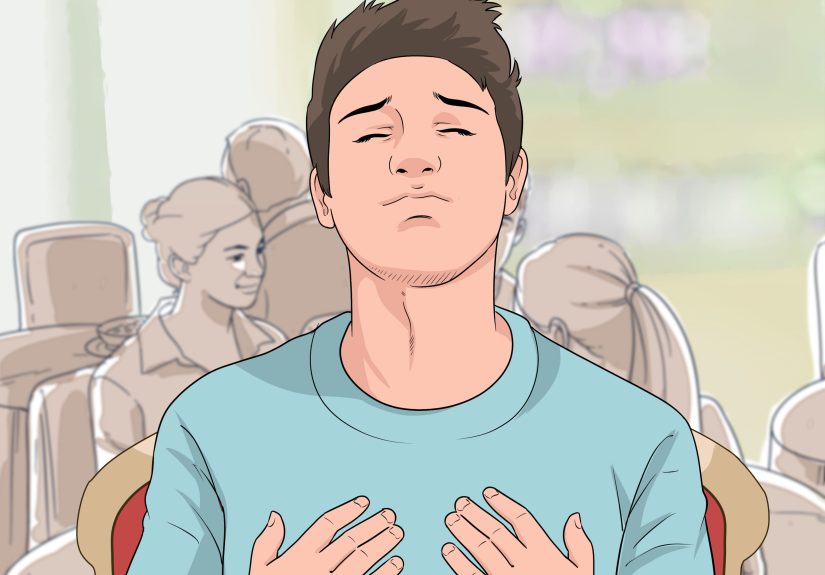
The first way to handle a rude waiter is also the least glamorous: pause. Take a breath. Count to 10. Sip your water. Mentally compose yourself before you say anything. Yes, this is annoyingly mature. Yes, it works.
When people feel insulted, the instinct is often to match energy with energy. Rudeness walks in, and suddenly your inner courtroom attorney is ready to present Exhibit A: “Actually, your tone since the appetizer course has been deeply disappointing.” Tempting? Absolutely. Effective? Rarely.
If you react while angry, you are more likely to sound aggressive, sarcastic, or dramatic. Once that happens, the conversation usually stops being about the original problem and starts being about your reaction. That is not the win you came for.
How to Tell Whether It’s Rudeness or Just Stress
Ask yourself a few quick questions:
- Is the waiter being rude only to your table, or do they seem overwhelmed with everyone?
- Was the behavior one sharp moment, or is there a repeated pattern?
- Is the issue tone, timing, neglect, or an actual mistake with the order?
If it is one brief moment and the rest of the service is fine, the best move may be to let it pass. Not every bad tone deserves a summit meeting. Sometimes your evening is worth more than your need to be right.
But if the behavior continues, staying calm gives you an advantage. You can describe what happened clearly instead of launching into a speech powered by indignation and iced tea.
What Calm Actually Looks Like
Staying calm does not mean being passive. It means being controlled. You are not swallowing the problem; you are choosing not to hand the other person a fresh one.
For example, instead of saying, “Wow, are you always this rude?” try, “Hey, I may be reading this wrong, but it feels like our table is getting a little brushed off.” That line is direct, human, and less likely to spark a defensive response.
The goal is not to win the interaction. The goal is to improve the meal.
2. Address the Problem Politely, Clearly, and Early
The second way to handle a rude waiter is to speak up calmly while the issue is still happening. This is often the most effective move because it gives the restaurant a chance to fix the problem in real time.
Too many diners wait until the check arrives, leave furious, tip in anger, and then write a review that sounds like it was composed during a thunderstorm. That may feel satisfying for four and a half minutes, but it rarely solves anything. If you want better service, the best time to say something is while you are still at the table.
What to Say to a Rude Waiter
Keep it short. Keep it specific. Keep your dignity fully dressed.
Here are a few examples:
- “Excuse me, I feel like our table has been overlooked. Could you help us with this order?”
- “I know it’s busy, but your tone felt a little sharp just now. Can we reset?”
- “We’ve been waiting a while and just want to make sure we’re still on your radar.”
- “I’d appreciate a little more help with this, please.”
Notice what these statements do. They focus on the behavior and the fix, not on insults. They also avoid mind-reading. You are not saying, “You hate us” or “You’re trying to ruin our dinner.” You are saying, “Here is the issue, and here is what we need.”
Use the “Problem, Feeling, Ask” Method
A good formula for complaining at a restaurant is simple:
- Problem: “We’ve been waiting 20 minutes for drinks.”
- Feeling: “We’re getting a little frustrated.”
- Ask: “Could you check on it for us?”
This works because it keeps the conversation grounded. It also makes you sound like someone with a reasonable request, not the final boss of table 12.
Be Specific About the Solution
If you know what would fix the problem, say so. Do you want an apology? Faster service? A corrected dish? Another server? A manager’s help? Being specific helps the other person respond productively.
For instance:
- “Could we get the dish remade?”
- “Could someone else take over our table?”
- “Could you remove this item if it can’t be corrected?”
Specific requests are powerful because they move the conversation out of the vague fog of “This whole experience is bad” and into “Here is a solvable problem.”
What Not to Do
Even if the waiter is acting like kindness is a limited-edition feature, skip these moves:
- Snapping, clapping, or waving money around
- Insulting the waiter’s intelligence or attitude
- Threatening a review before giving the restaurant a chance to respond
- Making the whole table participate in your righteous monologue
Those moves almost always make the situation worse. They also make innocent bystanders wish they had ordered takeout.
3. Escalate to a Manager if the Behavior Continues
The third way to handle a rude waiter is to ask for a manager when polite, direct communication does not work. This is the right move if the waiter stays hostile, ignores your attempts to resolve the problem, or makes the meal uncomfortable enough that you no longer trust the situation to improve on its own.
Asking for a manager is not inherently dramatic. It becomes dramatic when people do it like they are summoning a medieval judge. The better approach is calm, private, and focused.
When to Get a Manager Involved
Bring in a manager if:
- The waiter is openly disrespectful or insulting
- Your table is being repeatedly ignored
- Your order issue is not being addressed
- You no longer feel comfortable dealing with that server directly
- You want a practical solution, not an argument
This step is especially useful if you want another server, a corrected bill, a replacement item, or simply an adult in a black button-down shirt who can end the weirdness.
How to Ask Without Sounding Like a Menace
Try one of these:
- “Could I please speak with the manager for a moment?”
- “I’d appreciate a quick word with whoever is in charge.”
- “We’ve tried to sort this out, but I think we need some help resolving it.”
Once the manager arrives, explain the issue in plain language:
“Our server has been noticeably rude, and we tried to address it politely. We’d really just like to finish our meal comfortably. Is it possible to switch servers?”
That is clean, fair, and hard to dismiss.
Know Your Endgame
Before you ask for a manager, decide what you want. Do you want the issue acknowledged? A new server? A remake? A comped item? A note in the system? If you do not know what outcome you are hoping for, the conversation can become more emotional than useful.
And no, the goal should not be “I want this person fired immediately because my iced tea refill took forever and they sighed.” Aim for proportion. Restaurants are full of humans, and humans occasionally malfunction.
What About the Tip?
This is where many diners get stuck. If the waiter was rude, should you leave a smaller tip?
The better question is this: Did you communicate the problem while the restaurant still had a chance to fix it?
Using the tip as your only feedback tool is a weak strategy. It tells the server you are unhappy, but not necessarily why. It also does nothing for the manager, the restaurant, or the next customer. If the service problem was serious, direct communication is far more useful than silent punishment.
That said, tipping does reflect service in the United States, and many diners do adjust the gratuity when service is genuinely poor. But if the issue was one awkward interaction in an otherwise fine meal, going nuclear with the tip often says more about your mood than the meal itself.
In other words: don’t let the gratuity line become your diary.
Should You Leave a Negative Review?
Sometimes, yes. But only after you have given the restaurant a fair shot to address the problem in person.
If you do leave a review, keep it honest, factual, and specific. Describe what happened, when it happened, and how the restaurant responded. Avoid exaggeration. Avoid guessing motives. Avoid writing as though the waiter personally sabotaged your evening out of ancient spite.
A strong review sounds like this:
“Our server was dismissive and repeatedly ignored our table after we raised a simple order issue. We spoke politely and then asked for a manager. The manager apologized, but the experience remained uncomfortable.”
A weaker review sounds like this:
“Worst place ever. Everyone was horrible. My family was traumatized. Never again.”
See the difference? One helps future diners. The other sounds like a sequel nobody asked for.
How to Protect Your Own Mood During the Meal
Even when you handle the situation well, a rude waiter can still put a dent in the night. So protect your peace a little. Focus on your company. Order dessert if that was already the plan, not as emotional first aid. Do not spend the next 40 minutes replaying the interaction like game footage.
You are allowed to care about service without letting bad service steal the whole evening.
Final Thoughts on How to Handle a Rude Waiter
If you are wondering how to handle a rude waiter, remember this: the goal is not to “put them in their place.” The goal is to respond with enough confidence and composure that the situation either improves or gets resolved by someone who can fix it.
The three best moves are simple:
- Stay calm and assess the situation.
- Speak up politely, clearly, and early.
- Ask for a manager if the behavior continues.
That approach works because it is assertive without being theatrical, firm without being cruel, and practical without being passive. Good dining etiquette is not about tolerating bad behavior. It is about handling it well.
And if all else fails, remember: there are other restaurants, other servers, and probably better fries somewhere nearby.
Real-Life Experiences and Situations Related to a Rude Waiter
Imagine this: you and a friend sit down for a quick dinner after a long workday. You are not asking for much. A menu, a drink, maybe a burger that does not require emotional resilience. The waiter takes your order with a tight expression, disappears for 25 minutes, and returns only to correct you in a tone usually reserved for people who park diagonally. In that moment, many people do one of two things: they either say nothing and stew, or they overreact and create a bigger mess. The better move is usually the middle path. A simple, calm sentence like, “Hey, we’ve been waiting a while and just want to make sure our order is moving,” can shift the whole table’s energy.
Another common situation happens in busy restaurants on weekends. The server is clearly overwhelmed, but the attitude still lands badly. Maybe they interrupt, rush you, or make you feel as though asking for ketchup is a violation of international law. In cases like that, empathy matters. It is entirely possible that the waiter is drowning in a rough shift. But empathy does not mean pretending everything is fine. Many diners find that a respectful acknowledgment works well: “I know it’s busy tonight, but we’re feeling a little overlooked.” That line recognizes reality without surrendering your right to decent service.
Then there is the table where the problem is not neglect but open disrespect. Perhaps the waiter rolls their eyes, mocks a reasonable question, or becomes visibly annoyed when you point out a mistake. That is usually the point where direct conversation has to happen. You do not need to become stern enough to narrate a courtroom drama. You just need to be steady. “I want to say this respectfully, but your tone feels pretty dismissive right now.” Some people are shocked by how effective that sentence can be. It is hard for the other person to pretend nothing happened when you calmly describe exactly what happened.
Families often face a different version of this problem. Parents may already be stressed, the kids are hungry, someone spilled water, and now the server is impatient on top of it all. In that setting, the emotional temperature rises fast. The smartest thing a parent can do is avoid turning the waiter conflict into part two of the family meltdown. Keep the focus narrow: fix the order, keep the children calm, and get help from a manager if the server is making the table feel unwelcome. Kids notice more than adults think, and one useful lesson is that frustration can be handled without shouting.
There are also those awkward moments when a rude waiter improves after you speak up. That can feel strange. Suddenly the same person who acted annoyed is attentive, apologetic, and refilling your drink like it is an Olympic event. When that happens, let it happen. You do not need to keep punishing them for the first half of the meal if the second half improves. The whole point of speaking up is to create the chance for a reset. If the reset works, take the win.
And yes, sometimes nothing works. Sometimes the waiter stays cold, the manager offers a lukewarm apology, and the meal never recovers. That is when a calm, factual review can be useful. Not a novel. Not a revenge scroll. Just a clear account of what happened. In the end, the most satisfying response to a rude waiter is usually not the loudest one. It is the one that leaves you looking composed, credible, and fully in charge of your side of the table.