Table of Contents >> Show >> Hide
Note: This HTML includes only the <body> content, and the SEO tags appear in JSON format at the very end for easy copying and publishing.
There are few kitchen moments more dramatic than bread baking. One minute, your counter looks like a flour explosion with emotional baggage. The next, your house smells like a bakery that charges too much for a loaf called “rustic hearth country boule.” That is the magic of bread recipes: they can be simple, comforting, practical, and just fancy enough to make you feel like you have your life together.
This guide is built for real home bakers, not mythical people who wake up at 4 a.m. to whisper encouraging words to sourdough starters. We will cover the basics that make bread work, then move into a lineup of homemade bread recipes you will actually want to bake: a classic sandwich loaf, a crusty no-knead bread, fluffy dinner rolls, rosemary focaccia, banana bread, and skillet cornbread. Some are yeasted breads, some are quick breads, and all of them deserve a warm pat of butter.
Why Great Bread Recipes Work
The best bread recipes do not rely on luck. They rely on a few key ideas: good flour, active yeast when yeast is involved, the right amount of liquid, enough time to rise, and enough heat to bake through without drying out. In plain English, bread likes balance. Too much flour and you get a brick. Too much water and you get dough that behaves like it is trying to escape the bowl. Too little patience and you get a loaf with the personality of a paperweight.
Flour, Yeast, and Hydration
For many homemade bread recipes, bread flour gives a chewier, stronger structure because it has more protein than all-purpose flour. That extra protein helps build gluten, which is what gives yeast bread its stretch and bounce. Hydration, or the ratio of water to flour, also matters. Lower-hydration doughs are easier for beginners to handle, while wetter doughs can create airier crumbs and dramatic bakery-style holes. That is why a soft sandwich loaf and a rustic no-knead loaf do not feel the same in your hands or taste the same on your plate.
Proofing and Kneading
If you are making yeast bread, proofing and kneading are where the quiet magic happens. Proofing allows the dough to rise as yeast creates gas. Kneading strengthens the dough so it can trap that gas instead of collapsing into sadness. Not every bread recipe needs heavy kneading, though. Some no-knead breads rely on time and folds instead. In other words, bread is flexible, even if the dough is not always emotionally flexible.
How to Know Bread Is Done
A loaf should look deeply golden, feel lighter than it seems it should, and sound hollow when tapped. For many yeast loaves, an internal temperature around 190 to 200 degrees Fahrenheit is a helpful target. Quick breads, such as banana bread, are done when a tester comes out mostly clean with a few moist crumbs. “Wet batter” is not a personality trait your loaf should keep after baking.
6 Bread Recipes Worth Baking Again and Again
1) Classic Sandwich Bread
This is the dependable hero of homemade bread recipes. It slices neatly, makes excellent toast, and turns grilled cheese into a life event.
Ingredients:
- 4 cups bread flour
- 2 1/4 teaspoons active dry yeast
- 1 1/4 cups warm water
- 2 tablespoons sugar or honey
- 2 tablespoons unsalted butter, softened
- 1 1/2 teaspoons salt
Method: Dissolve the yeast and sugar in warm water and let it sit until foamy. Mix in the butter, salt, and flour until a shaggy dough forms. Knead for 8 to 10 minutes until smooth and elastic. Place in a greased bowl, cover, and let rise until doubled, about 1 hour. Shape into a loaf, place in a greased loaf pan, and let rise again until puffy and domed over the rim. Bake at 375 degrees Fahrenheit for 30 to 35 minutes. Cool before slicing, even though the smell will test your character.
Why it works: This loaf has enough fat for softness, enough structure for slicing, and enough flavor to remind you that store-bought sandwich bread often tastes like edible packing material.
2) Crusty No-Knead Bread
If you want artisan-style bread recipes without committing to a full gluten workout, this one is for you. It delivers a crackly crust and chewy interior with very little hands-on effort.
Ingredients:
- 3 cups all-purpose flour
- 1/4 teaspoon instant yeast
- 1 1/4 teaspoons salt
- 1 1/2 cups warm water
Method: Stir everything together until no dry flour remains. Cover and leave it at room temperature for 12 to 18 hours. The dough should look bubbly and relaxed. Turn it onto a floured surface, shape gently, and let it rest while a Dutch oven preheats at 450 degrees Fahrenheit. Bake covered for 30 minutes, then uncovered for 15 to 20 minutes until richly browned.
Why it works: Time replaces kneading. A hot covered pot traps steam, which helps the loaf rise dramatically and develop a crisp crust. It is a low-effort, high-reward move, like wearing sunglasses during a stressful meeting.
3) Rosemary Olive Oil Focaccia
Focaccia is one of the friendliest yeast bread recipes for beginners because the dough does not need perfect shaping. It likes being dimpled, drizzled, and treated like a glorious sponge for olive oil.
Ingredients:
- 4 cups all-purpose flour
- 2 1/4 teaspoons instant yeast
- 1 3/4 cups warm water
- 1/4 cup olive oil, plus more for topping
- 2 teaspoons salt
- 1 tablespoon chopped fresh rosemary
- Flaky salt for finishing
Method: Mix flour, yeast, salt, water, and olive oil until combined. Let the dough rise until doubled. Spread it into an oiled baking pan and let it rest again until puffy. Dimple the top with your fingertips, drizzle generously with olive oil, and sprinkle with rosemary and flaky salt. Bake at 425 degrees Fahrenheit for 22 to 28 minutes.
Why it works: The higher hydration helps create an airy crumb, while olive oil keeps the texture tender and flavorful. Focaccia is also wildly flexible. Add cherry tomatoes, caramelized onions, or sliced olives if you want the bread to show off a little.
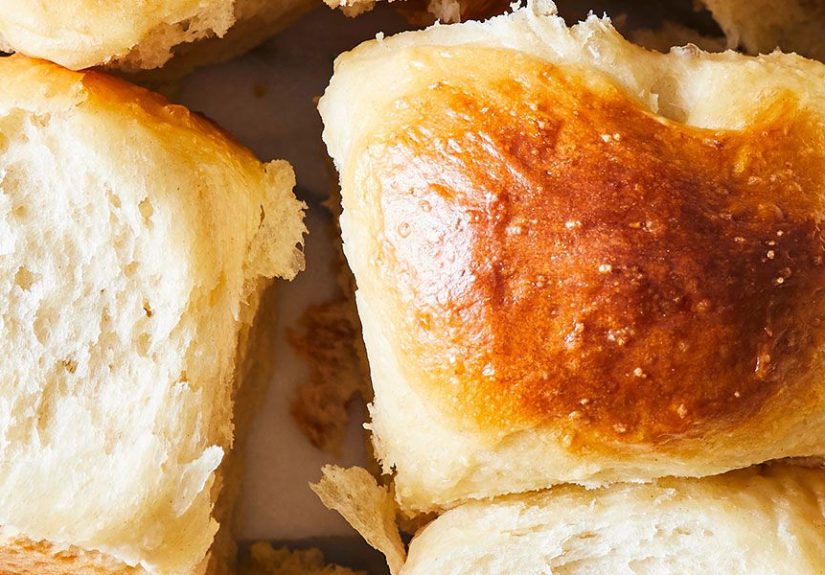
4) Soft Pull-Apart Dinner Rolls
Some bread recipes are about drama. These are about comfort. Soft dinner rolls are the overachievers of the bread basket: fluffy, buttery, and suspiciously easy to eat six at a time.
Ingredients:
- 3 1/2 to 4 cups bread flour
- 2 1/4 teaspoons active dry yeast
- 1 cup warm milk
- 1/4 cup sugar
- 1 egg
- 1/4 cup unsalted butter, softened
- 1 teaspoon salt
Method: Proof the yeast in warm milk with a pinch of sugar. Add the remaining sugar, egg, butter, salt, and enough flour to form a soft dough. Knead until silky. Let rise until doubled, divide into equal pieces, and roll into smooth balls. Arrange in a greased baking dish, let rise again, and bake at 375 degrees Fahrenheit for 18 to 22 minutes. Brush with melted butter while warm.
Why it works: Milk, egg, and butter enrich the dough, creating a soft, tender texture. These rolls pair with holiday meals, weeknight soups, and midnight refrigerator visits you pretend did not happen.
5) Moist Banana Bread
Yes, banana bread counts. If anyone wants to debate that, they can do it while holding a warm slice and realizing they are wrong. Quick bread recipes deserve a seat at the table.
Ingredients:
- 3 very ripe bananas, mashed
- 1/2 cup melted butter
- 3/4 cup brown sugar
- 2 eggs
- 1 teaspoon vanilla extract
- 1 1/2 cups all-purpose flour
- 1 teaspoon baking soda
- 1/2 teaspoon salt
- 1/2 teaspoon cinnamon
Method: Mix bananas, butter, sugar, eggs, and vanilla. Stir in the dry ingredients just until combined. Pour into a greased loaf pan and bake at 350 degrees Fahrenheit for 50 to 60 minutes.
Why it works: Overripe bananas bring sweetness, moisture, and flavor, while brown sugar adds a deeper caramel note. For extra credit, stir in walnuts or chocolate chips. For even more extra credit, eat the heel slice standing over the sink like a true home baker.
6) Jalapeño Cheddar Skillet Cornbread
Not all bread recipes need yeast, and cornbread proves the point beautifully. This version is savory, slightly spicy, and especially good with chili, barbecue, or a day that needs improving.
Ingredients:
- 1 cup yellow cornmeal
- 1 cup all-purpose flour
- 1 tablespoon baking powder
- 1/2 teaspoon baking soda
- 1 teaspoon salt
- 1 cup buttermilk
- 2 eggs
- 1/3 cup melted butter
- 1 cup shredded cheddar
- 1 jalapeño, finely chopped
Method: Preheat a cast-iron skillet in a 400-degree Fahrenheit oven. Mix dry ingredients in one bowl and wet ingredients in another. Combine just until moistened, fold in cheddar and jalapeño, then pour into the hot buttered skillet. Bake for 20 to 25 minutes.
Why it works: The hot skillet helps create crisp edges, while buttermilk keeps the crumb tender. It is the bread equivalent of arriving casual and somehow still being the best-dressed person in the room.
Best Tips for Better Homemade Bread
Use Warm, Not Hot, Liquid
Warm water or milk helps yeast wake up. Liquid that is too hot can damage it. Think comfortable bath, not volcanic spa treatment.
Do Not Add Too Much Flour Too Fast
A sticky dough is not always a bad dough. Many bakers add extra flour too early and end up with dense bread. Add flour gradually and give the dough time to absorb moisture before judging it too harshly.
Create a Good Rising Environment
Dough prefers a warm, draft-free spot. If your kitchen is chilly, place the covered dough in a turned-off oven with the light on or in a microwave beside a mug of hot water. No need for fancy equipment. Bread likes cozy, not glamorous.
Let Bread Cool Before Slicing
Fresh bread keeps cooking internally after it leaves the oven. Slice too soon and the crumb can turn gummy. Waiting is difficult, yes, but so is explaining to people why the middle of the loaf looks underdressed.
Store It Properly
Most breads keep well at room temperature for a short time if wrapped well. For longer storage, freeze slices or whole loaves. Quick breads also freeze beautifully, which is useful if your baking ambition briefly outruns your household size.
Conclusion
Great bread recipes are not about perfection. They are about rhythm, instinct, and the deeply satisfying moment when flour, water, heat, and patience turn into something memorable. Whether you want a simple white loaf, rustic no-knead bread, a pan of focaccia, fluffy dinner rolls, or a quick banana bread for a lazy weekend, the best recipe is often the one you will actually make again.
Start with one loaf. Learn what soft dough feels like. Learn when the crust looks right. Learn that proofing takes as long as it takes, and that bread baking will occasionally humble you before rewarding you. Then keep going. Because once you pull a warm loaf from the oven and hear that little crackle as it cools, ordinary grocery-store bread starts looking a lot less magical.
Experience and Kitchen Stories: What Bread Recipes Teach You
Bread baking has a funny way of becoming more than a recipe. At first, it feels technical. You measure flour, test yeast, check the dough, and wonder whether it is too sticky, too dry, too lumpy, too alive, or somehow personally offended. Then, somewhere between your second loaf and your tenth, it starts to feel familiar. You stop panicking every time the dough looks shaggy. You understand that rising is not always dramatic and that some days the kitchen is warm, other days it behaves like a refrigerator with opinions.
One of the most common experiences home bakers share is learning patience the hard way. Bread does not care that you are hungry now. It does not care that guests are arriving in 45 minutes. It does not care that you already told someone, very confidently, that homemade rolls would be ready by dinner. Bread runs on dough time. And dough time is a humbling institution. But that is also part of the charm. Bread asks you to slow down, pay attention, and notice details: the way the surface smooths after kneading, the way a risen dough feels puffier and lighter, the way a loaf sounds when tapped.
There is also the smell. Anyone who has baked bread knows the smell should qualify as emotional support. A simple loaf in the oven can make the whole house feel calmer, warmer, and more put together than it really is. It suggests competence. It suggests comfort. It suggests that maybe, just maybe, everything is going to be okay because there is focaccia on the counter.
Another real bread-baking experience is that no two loaves are ever exactly the same. Humidity changes things. Flour changes things. Even your mood might change things, although that part is less scientific and more flour-dusted philosophy. Some loaves rise beautifully. Some come out slightly uneven but still taste incredible. Some banana breads split dramatically across the top like they are making a grand entrance. That is normal. Bread is handmade. A little variation is not failure; it is personality.
Perhaps the best part of baking bread is sharing it. A loaf of homemade bread carries a kind of generosity that store-bought bread rarely does. You can bring dinner rolls to a family meal, banana bread to a neighbor, or cornbread to a friend with soup, and people react like you handed them a tiny edible miracle. And honestly, maybe you did. Bread is simple, but it never feels ordinary when it is fresh, warm, and made by hand.
In the end, bread recipes are worth returning to because they make the kitchen feel alive. They give you something useful, delicious, and deeply comforting. And even when a loaf comes out a little too pale or a little too enthusiastic on one side, you still learn something. Then you bake another. And another. Eventually, bread stops being intimidating and starts feeling like home.