Table of Contents >> Show >> Hide
- Quick Jump
- Before You Judge: Blue Cheese Is Supposed to Look “Off”
- Way #1: The Look Test (Spot the “Wrong” Colors and Growth)
- Way #2: The Smell Test (Funky vs. Flat-Out Foul)
- Way #3: The Texture-and-Taste Test (The Final Boss)
- The “Should I Eat It?” Safety Checklist
- How to Make Blue Cheese Last Longer (So You Don’t Have to Play Detective)
- FAQ
- Conclusion
- Kitchen “Experiences” and Stories (Extra )
Blue cheese is the friend who shows up to the party wearing a tuxedo covered in glitter and smelling like a basementon purpose.
So when you ask, “Is this blue cheese bad?” you’re really asking: “Is this the normal kind of weird… or the
call-a-priest kind of weird?”
The good news: you don’t need a lab coat to figure it out. With three simple checkslook, smell, and
texture/tasteyou can confidently decide whether your wedge belongs on a salad… or in the trash.
Before You Judge: Blue Cheese Is Supposed to Look “Off”
Let’s set expectations. Blue cheese is made with specific molds (often from the Penicillium family) that create those
blue-green veins and that unmistakable funky aroma. In other words, visible mold isn’t automatically a problemit’s literally the point.
What you’re watching for is change: new colors, new textures, new smells, and new “mystery moisture” that weren’t there
when the cheese was fresh. Think of it like having a friend who’s always dramaticbut you still notice when the drama becomes
medically concerning.
One more thing: different blue cheeses behave differently. A firmer blue (like Stilton-style) can stay crumbly for longer, while a creamy
blue (like some Gorgonzola dolce styles) can feel softer even when it’s perfectly fine. That’s why the best approach is a mix of tests,
not one single “gotcha.”
Way #1: The Look Test (Spot the “Wrong” Colors and Growth)
Blue cheese can look wild on a good day, so the look test is about identifying what’s not part of the normal blue-cheese
party. Use bright light, and don’t be shyinspect the surface and the cut edges.
What “normal” usually looks like
- Blue-green veins running through the interior.
- White to pale cream base (sometimes slightly yellow depending on the milk and style).
- Some surface bloom or mottling, especially if it’s a wedge with a natural rind.
Red flags: colors that should make you suspicious
If you see any of these, treat them as a loud “nope”:
- Pink, red, or orange spots that look shiny or smeary (often yeast or unwanted microbes).
- Fuzzy gray or black patches that weren’t part of the cheese when you bought it.
- Yellowing that looks wet or sticky rather than a natural aging tone.
A helpful rule: blue cheese’s mold is typically veiny and integrated. When you start seeing new fuzzy “carpet” growth
on the surfaceespecially in dark shadesyour cheese is no longer the main character.
Watch the moisture: “sweating” vs. slime
Some moisture is normal, especially as the cheese warms up or if it’s been tightly wrapped. But there’s a difference between:
- Normal moisture: a light sheen or a tiny bit of oiliness.
- Bad moisture: pooled liquid, a sticky film, or a glossy “slick” surface that looks like it belongs on a fish, not a cheese board.
If the cheese looks slimy (especially around crumbles or pre-sliced pieces), that’s a strong sign it’s gone bad. Pre-crumbled
cheese spoils faster because it has more exposed surface areamore places for oxygen, moisture, and microbes to throw a house party.
Packaging clues: the crime scene evidence
Your wrapper can tell you a lot. If you open the package and notice:
- Excess condensation trapped inside
- Liquid that smells odd or looks cloudy
- A surface that’s suddenly much wetter than last time
…move on to the smell test immediately. Which brings us to the most powerful tool you have: your nose.
Way #2: The Smell Test (Funky vs. Flat-Out Foul)
Blue cheese is famous for smelling strong. But “strong” isn’t the same as “spoiled.” A good blue-cheese aroma can be sharp, earthy,
buttery, or tangylike a bold, savory perfume.
What “good stinky” can smell like
- Earthy and mushroomy
- Tangy like cultured dairy
- Salty, savory, and a little peppery
- Strong, but not gaggy
Smell red flags: when your nose files a complaint
If you get any of these, consider it a serious warning sign:
- Ammonia (think window cleaner, “Windex,” or a sharp chemical punch)
- Sour spoiled-milk odor that feels rotten rather than tangy
- Rancid notes that smell like old oil, dirty socks (in a bad way), or “something died in here”
Ammonia deserves special attention because it can show up as cheese over-ripens or gets trapped in tight plastic. A faint whiff
that disappears after a few minutes of breathing can be a “storage problem,” not necessarily a “trash problem.” But if ammonia is
strong, persistent, or burns your nosedon’t negotiate with it. Toss the cheese.
A quick sanity check: let it breathe (briefly)
Sometimes blue cheese smells extra intense straight from the fridge, especially if it’s been wrapped too tightly. Try this:
- Unwrap the cheese.
- Let it sit at room temperature for 5–10 minutes.
- Smell again.
If the smell transforms into a more balanced tangy funk, you’re probably okay. If it stays harshly chemical, sour-rotten, or simply
offensive, your nose has done its job. Respect it.
Way #3: The Texture-and-Taste Test (The Final Boss)
Texture is where spoilage often becomes obvious. Blue cheese should generally feel creamy-crumblyit can be soft, but not
slick; crumbly, but not dusty and dead.
Texture warning signs
- Slime or stickiness on the surface or between crumbles
- Excessive mushiness that looks like it’s collapsing into paste (especially if it used to be firmer)
- Odd toughness or a rubbery skin that feels like it’s been dehydrated
- Gritty, gritty-wet combo that feels “broken” rather than creamy
A cheese can dry out and still be safe, but it won’t be enjoyable. Spoilage is different: it often comes with slime, stickiness,
or a texture that screams “microbes have moved in.”
Should you taste-test questionable blue cheese?
Only if the look and smell tests didn’t raise major alarms. If you see suspicious colors or smell strong ammonia/rotskip tasting and toss it.
If it passes the first two tests, do a cautious taste test:
- Take a tiny nibble (like a breadcrumb-sized piece).
- Notice if the flavor is pleasantly tangy/salty or if it’s bitter, harsh, soapy, or “off.”
- If it tastes wrong, spit it out and rinse your mouth.
Spoiled cheese can taste bitter, overly sour, or strangely metallic. “Good blue” can be intense, but it should still taste like food
you’d voluntarily eat again.
When to toss without tasting
- New fuzzy black/gray mold
- Pink/orange shiny spots
- Slime or sticky film
- Persistent ammonia or rotten odor
- Unknown time out of refrigeration (especially in warm rooms)
The “Should I Eat It?” Safety Checklist
Even if you’re brave, your immune system may not want to join the adventure. Use this quick checklist:
Be extra cautious if you are:
- Pregnant
- Over 65
- Immunocompromised
- Serving food to someone in the above categories
Pasteurized vs. unpasteurized matters
If your blue cheese is made from unpasteurized milk (or the label doesn’t clearly say pasteurized),
it can carry higher food-safety risk for certain groups. For high-risk eaters, choose pasteurized products and follow
strict storage habits.
If you’re on the fence, choose the boring option: throw it out
Food waste stinksbut food poisoning stinks more, and it also texts you at 2 a.m. from the bathroom.
If your senses are giving mixed signals, it’s safer to toss and replace.
How to Make Blue Cheese Last Longer (So You Don’t Have to Play Detective)
Most “my blue cheese went bad” stories start with one villain: bad storage. Blue cheese likes a Goldilocks environment:
not too dry, not too wet, and not sealed in an airtight plastic sauna.
Best wrapping method for wedges
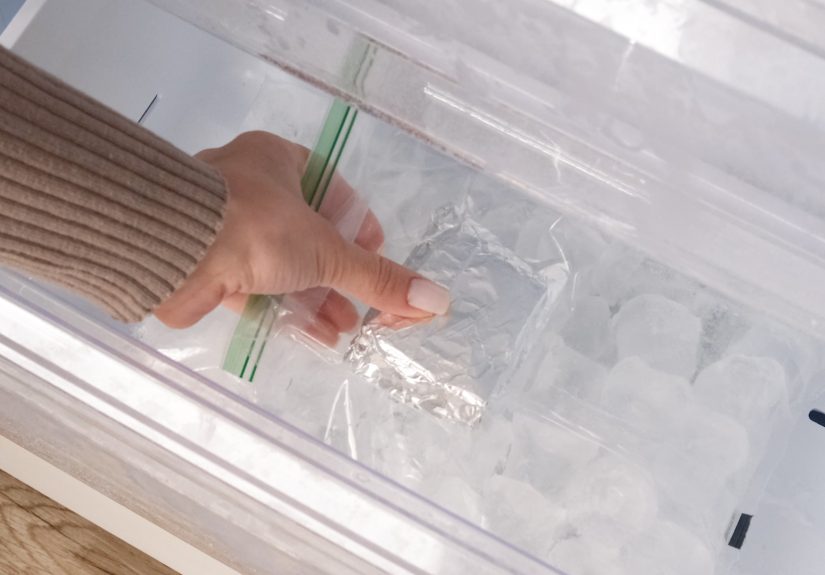
- Wrap in parchment or wax paper first (breathable layer).
- Add a loose outer layer of foil (reduces drying and odor spread).
- Store in the crisper drawer or a lidded container in the fridge to stabilize humidity.
This keeps the cheese from drying out while avoiding the moisture-trap problem that often makes cheese go funky in the wrong way.
For crumbles: seal tight and keep them cold
Blue cheese crumbles spoil faster than a wedge. After opening, press air out of the bag or move crumbles to a small airtight container.
Keep them cold and dry, and don’t sprinkle straight from the container with wet fingers (yes, I’m calling out salad-bar behavior).
How long does blue cheese last in the fridge?
It depends on the form and how you store it. A wedge stored properly can often stay enjoyable for around 1–2 weeks after opening,
while crumbles may be closer to a week once opened. Always treat “best by” dates as quality guidance, not magical force fields.
Can you freeze blue cheese?
You can, but texture will sufferexpect it to crumble more and lose creaminess. If you freeze it, plan to use it in cooked applications:
sauces, dressings, burgers, mac and cheese, or a “why not” steak topping.
FAQ
Is it okay if blue cheese has more blue mold than before?
Some intensification is normal as it ages, especially if it’s stored a bit warm or has more oxygen exposure. But if the growth looks
fuzzy, dark, or comes with slime or bad smells, treat it as spoilage.
Can I cut off the “bad part” like with hard cheese?
With many hard cheeses, trimming mold can be acceptable. But blue cheese is typically considered a softer, higher-moisture cheese
and unwanted molds and bacteria can spread beyond what you can see. If the issue is “unwanted mold” or slime, the safest move is to discard it.
My blue cheese smells strong. Is that automatically bad?
Nope. Strong is the brand. What matters is the type of strong. If it’s tangy, earthy, and “blue-cheesy,” you’re probably fine.
If it’s ammonia, rotten, rancid, or chemical, it’s done.
What’s the fastest way to ruin blue cheese?
Wrapping it tightly in plastic and forgetting it in the warmest part of the fridge. That’s the express train to moisture buildup, off smells,
and questionable life choices.
Conclusion
Blue cheese is supposed to be bold, funky, and a little intimidating. But you can still tell when it’s crossed the line from “deliciously intense”
to “dangerously gross.” Remember the three checks:
- Look: watch for pink/orange spots, fuzzy black/gray mold, slime, and suspicious pooling liquid.
- Smell: funky is fineammonia, rotten sourness, or rancid odor is not.
- Texture/taste: creamy-crumbly is normal; sticky, slimy, or harshly bitter/chemical flavor is a deal-breaker.
When in doubt, toss it. Your future selfwho would prefer not to spend quality time staring at bathroom tileswill thank you.
Kitchen “Experiences” and Stories (Extra )
If you’ve ever owned blue cheese, you’ve probably lived through at least one of these very specific kitchen moments. Consider this the
unofficial support group sectionbecause nothing bonds people like collectively whispering, “I think it’s fine?” while holding a funky wedge
at arm’s length.
Scenario 1: The Salad Night Surprise. You buy blue cheese crumbles for salads, use two tablespoons, and then the bag goes into the
fridge to live its second life as a forgotten artifact. A week later, you open it and find the crumbles clumping together like wet sand.
You shake the bag, and it doesn’t “rain” crumbles anymoreit thuds. That’s your texture test waving a flag. Crumbles have lots of exposed surface
area, so when moisture gets in (hello, imperfect seals), they’re the first to go from “sprinkle me” to “please don’t.”
Scenario 2: The Plastic Wrap Trap. Someone lovingly rewraps the wedge in tight plastic like they’re preparing it for a space mission.
Two days later, the cheese smells like it’s trying to remove paint from the walls. This is where people learn the hard truth: blue cheese needs to
breathe. Trapped moisture and gases can make the aroma sharper and less pleasant, and in the worst cases, encourage the wrong kind of microbial growth.
The fixif the cheese still looks okayis often to rewrap properly (paper first, then foil) and see if the smell calms down. If it stays aggressively
chemical, it’s not being “bold.” It’s being bad.
Scenario 3: The “New Color” Panic. Blue-green veins? Expected. But then you spot a shiny pink dot and suddenly feel like you’ve discovered
a rare species. This is one of the clearest visual red flags: pink/orange hues can indicate yeast or unwanted bacteria that don’t belong in the blue-cheese
ecosystem. It’s the difference between a curated garden and random weeds taking over. When the color palette expands into neon territory, the safest
response is to stop negotiating and toss it.
Scenario 4: The Cheese Board Hangover. You hosted, you served a gorgeous board, everyone was impressed, and then the cheese sat out while
the conversation turned into a three-hour debate about the best movie sequel. The next day, you wonder if the leftover wedge is safe. Here’s the practical
lesson: if cheese sat out for a long stretchespecially in a warm roomit’s not just about taste anymore. Bacteria don’t care that your guests said,
“This is amazing.” If you don’t know how long it was out, you’re rolling dice with a dairy product. And dairy is not where you want to experiment.
Scenario 5: The Confidence Test. This is the moment you realize the “three ways” work best together. The cheese looks normal, smells tangy,
and feels creamy-crumbly. Greateat it. Or maybe it looks normal but smells like ammonia and feels slick. That’s a no. The biggest kitchen upgrade isn’t
buying fancy cheese paper (though it’s nice). It’s learning to trust the combined verdict of your senses. Blue cheese is allowed to be weird. It’s not
allowed to be suspicious in three different ways at once.
In the end, the goal isn’t perfectionit’s fewer “maybe” meals and more confident bites. Store it well, check it smartly, and let blue cheese be the
lovable funk goblin it was born to be.