Table of Contents >> Show >> Hide
- Why Dog Worms Need More Than a “Natural Fix”
- Common Signs Your Dog May Have Worms
- Way 1: Use Food to Support the Gut During Deworming
- Way 2: Use Safe Food-Based Additions to Rebuild Strength
- Way 3: Use Herbs With Caution, Not as a Worm Cure
- What Actually Kills Worms in Dogs?
- Prevention: The Best “Natural” Worm Strategy
- Experiences Related to Treating Dog Worms With Food and Herbs
- Conclusion
- SEO Tags
Note: Food and herbs can support a dog’s digestive health during a worm problem, but they should not replace veterinary diagnosis or a proper deworming medication. Think of nutrition as the helpful sidekick, not the superhero with the cape.
Why Dog Worms Need More Than a “Natural Fix”
Dog worms are common, sneaky, and wildly unimpressed by wishful thinking. Roundworms, hookworms, whipworms, and tapeworms can live in a dog’s intestines, steal nutrients, irritate the gut, and sometimes spread to people. Puppies, senior dogs, pregnant dogs, and dogs with weak immune systems are especially vulnerable.
Many pet owners search for ways to treat dog worms with food and herbs because they want something gentle, affordable, and natural. That instinct comes from love. But here is the honest, tail-wagging truth: no food, herb, seed, or kitchen remedy has been proven to reliably eliminate intestinal worms in dogs the way veterinary dewormers can. Worms are parasites, not picky dinner guests. They usually need targeted medication.
That does not mean food and herbs are useless. A smart diet can help your dog recover from diarrhea, poor appetite, weight loss, dull coat, and digestive upset. Certain gentle foods may help firm stool, support gut bacteria, and make deworming easier on the stomach. Vet-approved herbal support may soothe mild nausea or digestive irritation. The key is using food and herbs safely, while letting your veterinarian handle the worm-killing part.
This guide explains three practical, responsible ways to use food and herbs when your dog has worms: support digestion, rebuild strength, and reduce reinfection risk. No magic potions. No garlic bombs. No internet witchcraft in a mason jar. Just sensible care that keeps your dog safer.
Common Signs Your Dog May Have Worms
Some dogs with worms look perfectly normal, which is why routine fecal testing matters. Others show obvious symptoms. Watch for diarrhea, vomiting, weight loss, a bloated belly, scooting, coughing, low energy, a dull coat, or visible worm segments in poop. Tapeworm segments may look like tiny grains of rice near the tail or in bedding. Roundworms may occasionally appear like spaghetti in vomit or stool. Yes, it is as unpleasant as it sounds. Dog ownership is glamorous in very specific ways.
If your dog is a puppy, has bloody diarrhea, is vomiting repeatedly, refuses food, loses weight quickly, or seems weak, call a veterinarian promptly. Hookworms can cause anemia, and heavy parasite loads can become serious fast. A fecal exam helps identify the type of parasite so your vet can choose the right treatment.
Way 1: Use Food to Support the Gut During Deworming
The first way to “treat” dog worms with food is not to pretend food is a dewormer. It is to use food as recovery support while your veterinarian treats the actual parasite. When worms irritate the intestines, dogs may develop loose stool, gas, appetite changes, or a sensitive stomach. A gentle diet can make recovery smoother.
Choose Easy-to-Digest Meals
For dogs with mild digestive upset, veterinarians often recommend bland, easily digestible meals for a short period. Common examples include plain boiled chicken or turkey with plain white rice, provided your dog tolerates those foods and has no allergy or medical reason to avoid them. Keep meals small and frequent instead of serving one giant bowl. A stomach already dealing with worms does not need a buffet challenge.
A bland diet is usually temporary. Long-term, your dog needs a complete and balanced food that meets their age, size, and health needs. Puppies, pregnant dogs, working dogs, and dogs with chronic disease should not be placed on homemade diets without veterinary guidance.
Add Plain Pumpkin for Fiber Support
Plain canned pumpkin can be helpful for some dogs with loose stool because it contains soluble fiber. Fiber can absorb water in the digestive tract and improve stool consistency. Choose 100% plain pumpkin, not pumpkin pie filling. Pumpkin pie filling may contain sugar, spices, and ingredients dogs do not need.
Start with a very small amount and ask your veterinarian what is appropriate for your dog’s size. Too much fiber can backfire and cause gas, bloating, or more diarrhea. Pumpkin supports the stool; it does not paralyze roundworms, evict hookworms, or send tapeworms packing with tiny suitcases.
Hydration Matters More Than Fancy Remedies
Dogs with diarrhea can lose fluids quickly. Keep fresh water available and monitor your dog’s drinking. If your dog will not drink, seems weak, has pale gums, or has ongoing vomiting or diarrhea, contact your vet. Food support is useful, but dehydration is not a DIY situation.
Way 2: Use Safe Food-Based Additions to Rebuild Strength
Worms can interfere with nutrient absorption, especially when the infestation is heavy or long-lasting. Once your vet begins proper deworming, the next goal is helping your dog regain normal digestion, energy, and body condition. Food-based support can be useful here, especially when it is simple and safe.
Feed a Balanced, High-Quality Dog Food
A complete and balanced commercial dog food is usually the best foundation. Look for food appropriate for your dog’s life stage: puppy, adult, senior, pregnancy, or nursing. Puppies recovering from worms need dependable calories, protein, fat, vitamins, and minerals. They do not need experimental “parasite cleanse” recipes from someone whose main credential is owning a blender.
If your dog has lost weight, ask your veterinarian whether you should increase calories, switch diets, or use a recovery formula. Sudden overfeeding can upset the gut, so gradual changes are better.
Consider Prebiotic Fiber and Vet-Recommended Probiotics
Prebiotics are fibers that feed beneficial gut bacteria. Probiotics are live microorganisms that may support digestive balance in certain cases. Some veterinary diets include prebiotic fiber, and some vets recommend pet-specific probiotics during or after digestive illness.
Do not assume human yogurt is the perfect probiotic for every dog. Some dogs do not tolerate lactose well, and flavored yogurts may contain sweeteners or additives. If using probiotics, choose a product made for pets and follow your veterinarian’s advice.
Use Cooked Vegetables Carefully
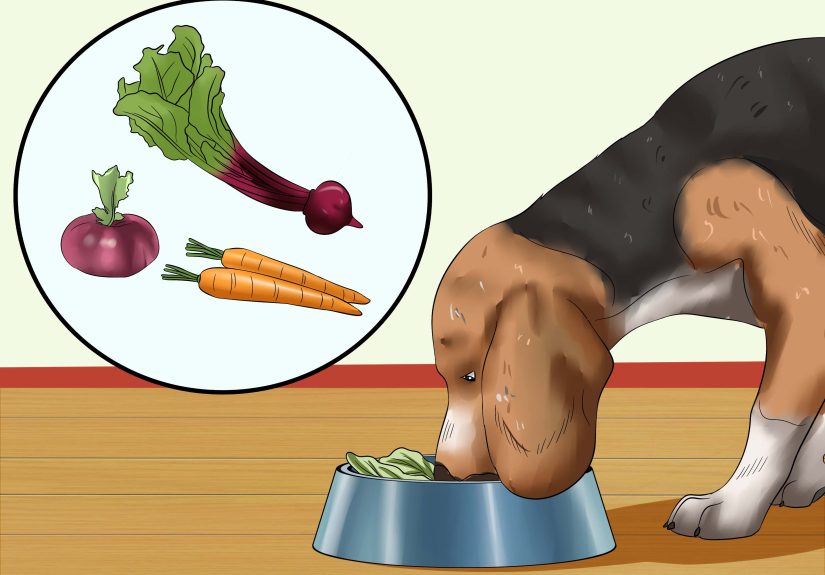
Small amounts of plain cooked carrots, sweet potato, or pumpkin may help some dogs by adding gentle fiber. These foods should be cooked, unseasoned, and served in moderation. Avoid butter, garlic, onion, heavy oils, salt, and spicy seasoning. Your dog does not need a five-star parasite recovery casserole.
Food additions should make up only a small part of the diet unless your veterinarian designs a complete home-cooked plan. Too many extras can unbalance nutrition, especially for growing puppies.
Way 3: Use Herbs With Caution, Not as a Worm Cure
Herbs are where many “natural dog worm treatment” articles wander into risky territory. Some herbs promoted online for worms can be irritating, toxic, or unsafe at the wrong dose. Others may interact with medications or be dangerous for puppies, pregnant dogs, nursing dogs, or dogs with liver, kidney, or seizure disorders.
The safest approach is simple: use herbs only as supportive care and only after checking with a veterinarian. The goal is to soothe digestion, not replace deworming medicine.
Gentle Herbal Support to Discuss With Your Vet
Some veterinarians may approve gentle digestive support such as chamomile, ginger, or slippery elm in specific situations. These are not dewormers. They may help with mild stomach discomfort, nausea, or irritated digestion when used correctly. However, the right product and amount depend on your dog’s size, health history, medications, and symptoms.
Never give essential oils by mouth unless specifically directed by a veterinarian trained in their use. Essential oils are highly concentrated and can be dangerous for pets.
Be Careful With Pumpkin Seeds
Pumpkin seeds are often mentioned in natural deworming conversations. They contain nutrients and fiber, and plain unsalted ground pumpkin seeds are not the same as dangerous herbal cleanses. However, they should not be presented as a proven cure for worms. If your dog likes them and your vet approves, they may be used as a small food topper, not a stand-alone treatment.
Do not feed salted, seasoned, chocolate-coated, spicy, or trail-mix pumpkin seeds. Dogs are wonderful creatures, but they do not need snack-bar chaos in their digestive tract.
Avoid Risky “Natural Dewormers”
Garlic is commonly promoted online for parasites, but garlic and other allium foods such as onion, leek, and chives can damage a dog’s red blood cells and cause serious illness. Black walnut, wormwood, clove oil, and strong herbal parasite blends may also be unsafe, especially without veterinary supervision.
If a remedy promises to kill every parasite, detox the liver, boost immunity, shine the coat, clean the aura, and fix your Wi-Fi, be suspicious. Real medicine is usually more specific and much less dramatic.
What Actually Kills Worms in Dogs?
Veterinary dewormers are designed to target specific parasites. For example, pyrantel or fenbendazole may be used for certain roundworms or hookworms, while praziquantel is commonly used for tapeworms. Whipworms may require repeated treatment and environmental control. The correct medication depends on the worm type, your dog’s weight, age, health, and exposure risk.
This is why guessing is risky. A tapeworm problem related to fleas needs flea control as well as deworming. A dog with hookworms may need monitoring for anemia. A puppy with roundworms may require repeated deworming on a schedule. A dog with diarrhea might have parasites, but could also have giardia, bacterial disease, food intolerance, pancreatitis, or something else entirely.
Bring a fresh stool sample to your veterinarian. It is not glamorous, but it is useful. Think of it as your dog’s least charming health report.
Prevention: The Best “Natural” Worm Strategy
The best way to handle worms is to prevent reinfection. Pick up poop promptly in the yard, avoid letting your dog eat feces, keep bedding clean, use veterinarian-recommended flea control, and maintain year-round parasite prevention when advised. Wash your hands after handling waste, and teach children not to play in areas contaminated with pet feces.
Raw diets are sometimes promoted as natural immunity boosters, but raw meat can expose pets and people to harmful bacteria and parasites. If you are interested in fresh or home-prepared feeding, talk with a board-certified veterinary nutritionist or your veterinarian. “Natural” should not mean “served with a side of salmonella.”
Experiences Related to Treating Dog Worms With Food and Herbs
Many dog owners first notice a worm problem in a very ordinary way: a puppy with a round belly, a dog scooting across the rug like a furry floor mop, or a strange rice-like speck near the tail. The first reaction is usually panic, followed by a search for home remedies. That is understandable. Nobody wants to imagine parasites renting space inside their best friend.
In real-life experience, the dogs that recover most smoothly are usually the ones whose owners combine quick veterinary care with practical home support. For example, a young rescue puppy may arrive with loose stool, a dull coat, and a bloated belly. After a fecal test, the vet may prescribe a dewormer and schedule repeat treatment. At home, the owner feeds small meals, keeps the puppy hydrated, adds a vet-approved amount of plain pumpkin, and cleans bedding daily. Within a couple of weeks, the puppy often looks brighter, eats better, and starts gaining healthy weight.
Another common situation involves tapeworms. An owner may see tiny white segments near the dog’s rear and immediately try pumpkin seeds or herbs. But tapeworms are often linked to fleas. Without flea control, the dog may keep getting reinfected. In that case, the most useful “natural” support is not a miracle herb; it is a clean environment, consistent flea prevention, washed bedding, vacuuming, and the correct tapeworm medication. Food can help the dog feel better, but flea control shuts the revolving door.
Owners also learn that too many remedies can make things worse. A dog with worms may already have an irritated gut. Adding garlic, strong herbal powders, oils, dairy, and multiple supplements at once can trigger vomiting or diarrhea. Then it becomes hard to tell whether the dog is reacting to worms, medicine, or the homemade “parasite cleanse.” Simple is usually safer: balanced food, water, gentle fiber if appropriate, and vet-approved supplements only.
One of the most useful lessons from experienced pet owners is to track progress. Write down when medication was given, what the dog ate, stool changes, appetite, energy level, and any side effects. Take photos of suspicious worm segments if needed. Bring follow-up stool samples when your vet recommends them. This practical record helps your veterinarian adjust treatment and confirm whether the worms are gone.
The emotional side matters too. Finding worms can make owners feel embarrassed, but parasites are common. Dogs sniff dirt, lick mysterious things, chase wildlife, step in contaminated soil, and sometimes make snack choices that would horrify a raccoon. Worms are not a sign that you are a bad owner. Responding quickly and safely is what matters.
The best experience-based advice is this: use food to support, herbs with caution, and veterinary medicine to treat. That combination gives your dog the best chance of a comfortable recovery without turning your kitchen into a risky chemistry lab.
Conclusion
Treating dog worms with food and herbs sounds appealing, but the safest answer is balanced: use veterinary dewormers to eliminate parasites and use food or herbs only to support digestion and recovery. Plain pumpkin, easy-to-digest meals, balanced nutrition, hydration, and vet-approved probiotics may help your dog feel better. Gentle herbs may be considered only with professional guidance. Risky remedies such as garlic, strong essential oils, black walnut, and wormwood should be avoided unless a qualified veterinarian specifically directs their use.
Your dog does not need a trendy parasite cleanse. Your dog needs the right diagnosis, the right dewormer, a clean environment, good nutrition, and an owner who notices when something is off. That is not just natural care. That is smart care.