Table of Contents >> Show >> Hide
- Why Stomach Pain Gets Worse at Night
- 1. Change Your Sleep Position and Raise Your Upper Body
- 2. Settle Your Stomach Before Bed With Heat, Fluids, and Bland Foods
- 3. Make Your Evening Easier on Your Digestive System
- 4. Use Over-the-Counter Relief Carefully and Know When Not to DIY
- A Quick Bedtime Plan Based on the Type of Stomach Pain
- What Usually Makes Nighttime Stomach Pain Worse
- Common Experiences People Describe When Trying to Sleep With Stomach Pain
- Final Thoughts
Trying to fall asleep with stomach pain is a special kind of nighttime nonsense. You turn left, turn right, fluff the pillow, question every snack you have eaten since 2009, and somehow your abdomen still acts like it is hosting a protest. The good news is that mild stomach pain from things like indigestion, heartburn, gas, mild constipation, or a short-lived stomach bug can sometimes calm down enough for you to sleep. The trick is choosing the right kind of relief for the kind of pain you are having.
If your stomach pain is sudden, severe, sharply worsening, or keeps coming back, this is not a “light a candle and hope for the best” situation. But for common, non-emergency discomfort, a few simple bedtime moves can make a real difference. Below are four practical ways to sleep with stomach pain, plus what not to do, when to call a doctor, and what these miserable nights often feel like in real life.
Why Stomach Pain Gets Worse at Night
Stomach pain often feels louder after dark for a few reasons. First, lying flat can make reflux and heartburn worse by making it easier for stomach contents to move upward. Second, bloating, gas, and pressure may feel more obvious when you are still and quiet instead of busy and distracted. Third, if you ate a heavy meal late, your digestive system may still be doing overtime while the rest of you is trying to clock out.
That is why the best nighttime relief usually focuses on three goals: reduce pressure, reduce irritation, and avoid making your digestive system work harder than it has to.
1. Change Your Sleep Position and Raise Your Upper Body
Best for heartburn, reflux, sour stomach, and upper-belly burning
If your stomach pain feels like burning, acid creeping upward, pressure in the upper abdomen, or that charming “lava throat” sensation, your sleep position matters more than you might think. Sleeping on your left side is often the most comfortable choice for reflux-related symptoms. Elevating your upper body can also help keep acid where it belongs: in your stomach, not freelancing in your esophagus.
A wedge pillow or raising the head of your bed is usually more helpful than stacking regular pillows like a bedding-based engineering experiment. A tower of pillows can bend your body in awkward ways, while a wedge lifts your upper body more evenly.
- Try sleeping on your left side if your pain feels like reflux or heartburn.
- Raise your upper body with a wedge pillow or by elevating the head of the bed.
- Avoid lying completely flat right after eating.
- Skip stomach sleeping if it increases pressure or burning.
This one simple change can be especially helpful if your stomach pain gets worse the moment your head hits the pillow. When the cause is acid-related, posture is not a minor detail. It is part of the treatment plan.
2. Settle Your Stomach Before Bed With Heat, Fluids, and Bland Foods
Best for cramping, mild nausea, bloating, and a plain old upset stomach
If your stomach feels crampy, achy, or unsettled, the goal is to calm it down without adding more drama. Think gentle, not heroic. A warm compress or heating pad on the abdomen can be soothing when cramping or general belly discomfort is keeping you awake. Warmth can help your muscles relax and can make your stomach feel less clenched and angry.
Small sips of water may also help, especially if your pain is connected to mild dehydration, diarrhea, or vomiting. The key phrase here is small sips. Chugging a huge glass of water right before bed can leave you sloshy, uncomfortable, and very familiar with the hallway between your bed and the bathroom.
If nausea is part of the problem, ginger may help. Ginger tea, ginger chews, or ginger added to warm water can be easier on the stomach than heavy snacks or sugary drinks. When hunger seems to make the nausea worse, a small bland snack may help. Good options include:
- Plain crackers
- Toast
- Bananas
- Applesauce
- Plain oatmeal
The strategy is simple: do not make your stomach audition for a food challenge at 10:30 p.m. A tiny bland snack can be calming. A spicy burrito the size of a throw pillow is less likely to help.
3. Make Your Evening Easier on Your Digestive System
Best for preventing another round of pain once you get into bed
Sometimes the best way to sleep with stomach pain is to stop giving your stomach new reasons to complain. Evening habits can make a big difference, especially if your symptoms tend to flare after dinner.
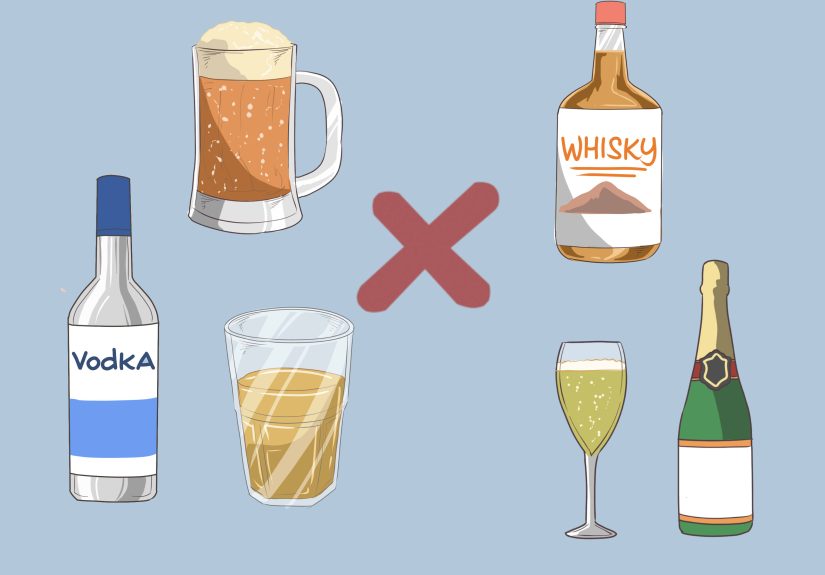
Start with timing. If possible, avoid lying down right after eating. Give your digestive system some time to work before you recline. Large late-night meals, especially fatty, fried, spicy, or acidic foods, can make nighttime symptoms worse. The same goes for alcohol, caffeine, and carbonated drinks in many people.
If constipation or bloating seems to be the issue, hydration matters. Over the longer term, getting enough fiber and fluids can help prevent constipation, but on a rough night, a heavy fiber load right before bed may not be the hero you want. Tonight is about keeping things gentle. Tomorrow can be about the grander lifestyle choices.
Here is a smart low-drama evening approach:
- Eat a smaller dinner instead of a heavy late feast.
- Avoid foods that usually trigger your symptoms.
- Hold off on alcohol and carbonated drinks if they worsen bloating or reflux.
- Choose bland, low-fat foods if your stomach already feels irritated.
- Do not lie down immediately after eating.
This step is not glamorous, but it works because it reduces the chances that your stomach pain will get a second wind right when you are trying to drift off.
4. Use Over-the-Counter Relief Carefully and Know When Not to DIY
Best for mild acid indigestion, occasional heartburn, or known symptoms you have had before
If your symptoms clearly feel like acid indigestion or heartburn, over-the-counter options may help. Antacids can offer short-term relief for mild symptoms. Some acid reducers, such as famotidine, are also used for heartburn and sour stomach. The important word here is occasional. If you need these medicines all the time, or your symptoms are severe, it is time to stop playing home pharmacist and talk with a clinician.
Also, not every pain reliever is stomach-friendly. Nonsteroidal anti-inflammatory drugs, or NSAIDs, such as ibuprofen and naproxen, can irritate the stomach and increase the risk of ulcers or bleeding. So if your stomach already hurts, taking one of those “just in case” may be the medical equivalent of pouring lemon juice into a paper cut.
Use any medication only as directed on the label, and do not assume a product marketed for “upset stomach” is automatically harmless. Some aspirin-containing products can also increase the risk of stomach bleeding.
Get medical help promptly if you have any of these red flags:
- Sudden or severe abdominal pain
- A hard, rigid, or very tender abdomen
- Vomiting blood
- Black, tarry, or bloody stools
- Persistent vomiting
- Fever with significant stomach pain
- Yellowing of the skin or eyes
- Signs of dehydration, such as dizziness, very dry mouth, or barely urinating
- Chest, jaw, neck, or arm pain along with “indigestion” symptoms
- Unexplained weight loss, ongoing pain, or symptoms lasting more than a couple of weeks
In other words, mild stomach pain can be a bedtime nuisance. Severe stomach pain can be a medical problem. Those are not the same category.
A Quick Bedtime Plan Based on the Type of Stomach Pain
If it feels like heartburn or acid reflux
Sleep on your left side, elevate your upper body, avoid late snacks, and consider an over-the-counter antacid or acid reducer if appropriate for you.
If it feels like cramping or a mild stomach bug
Use warmth, sip fluids slowly, and stick with bland foods until your stomach settles down.
If it feels like bloating or gas
Avoid carbonated drinks, heavy meals, and greasy foods before bed. Gentle warmth and looser sleepwear may help you feel less compressed.
If it feels like constipation discomfort
Hydration matters, and ongoing prevention usually involves enough fiber and fluid. But if the pain is constant, severe, or comes with vomiting or an inability to pass gas, do not try to “sleep it off.”
What Usually Makes Nighttime Stomach Pain Worse
- Eating a large meal right before bed
- Fried, fatty, spicy, or acidic foods late at night
- Alcohol or too much caffeine
- Carbonated beverages if bloating is part of the problem
- Lying flat immediately after eating
- Taking NSAIDs on an already irritated stomach
- Ignoring symptoms that keep repeating
The pattern matters. If your stomach pain always shows up after pizza, wings, two sodas, and a dramatic flop into bed 14 minutes later, your digestive system may already be leaving you strongly worded feedback.
Common Experiences People Describe When Trying to Sleep With Stomach Pain
The following are composite, everyday examples of how stomach pain often shows up at night. They are not diagnoses, but they may sound very familiar.
One common experience is the “I was fine until I lay down” moment. A person eats dinner, maybe feels a little full, brushes it off, and heads to bed. Then, as soon as they recline, the burning starts. It creeps from the upper belly into the chest or throat, and suddenly sleep feels impossible. These people often notice that sitting up helps almost immediately, which is a big clue that reflux may be part of the story. For them, sleeping on the left side or using a wedge can feel like a small miracle wrapped in foam.
Another classic scenario is the crampy, unsettled stomach that comes with a mild stomach bug or something questionable eaten in a hurry. The pain may come in waves, with nausea joining the party like an uninvited guest. In these cases, people often say warmth helps. A heating pad can take the edge off enough that they stop bracing their abdominal muscles every five seconds. Small sips of water feel manageable, but a full glass feels like too much. Dry crackers suddenly become the most trustworthy food on Earth.
Then there is the bloated, gassy, pressure-filled kind of discomfort. This can happen after a rich meal, too much soda, eating too fast, or simply because your digestive system decided to become a brass band after 9 p.m. The pain is not always sharp. Sometimes it is more like fullness, stretching, or a stubborn pressure that makes every position feel wrong. People with this kind of stomach pain often toss around trying to find the one angle that does not make them feel like an overinflated beach ball. They may also notice that tight waistbands suddenly feel deeply offensive.
Constipation-related pain can be different again. It may feel dull, heavy, or crampy, and it often comes with bloating and that miserable sensation that your body is just not cooperating. People describe feeling tired but unable to relax because their abdomen feels tight and uncomfortable. They may be tempted to eat more in hopes that it “gets things moving,” but that can sometimes make the pressure feel worse at night. Usually, what helps most is not forcing more food but focusing on fluids, comfort, and paying attention if the pain becomes constant or severe.
Stress can also turn mild digestive discomfort into an all-night event. A person might have ordinary indigestion, but once the room gets quiet, every gurgle and twinge feels louder. That does not mean the pain is imaginary. It means the body and brain are very good at amplifying discomfort when you are exhausted and trying desperately to sleep. In those moments, a simple routine helps: change position, add warmth, sip something gentle, avoid doom-scrolling your symptoms, and see whether the pain is calming or clearly signaling that it needs medical attention.
The thread connecting all these experiences is this: the best nighttime fix depends on the kind of stomach pain you have. Position helps some people. Bland foods help others. Heat is surprisingly useful. And sometimes the most important move is recognizing that the pain is not normal bedtime discomfort and should not be ignored.
Final Thoughts
If you are trying to sleep with stomach pain, keep it simple. Change your position, calm the irritation, avoid adding more digestive work, and use over-the-counter relief carefully if it truly fits your symptoms. For many mild cases, those four steps are enough to help you rest.
But if the pain is severe, unexplained, recurring, or comes with red-flag symptoms, do not turn your bedroom into a waiting room. Get checked out. Sleep is important, but so is not ignoring a body part that is clearly sending a strongly worded message.
Note: This article is for general educational purposes only and is not a substitute for medical diagnosis or treatment.