Table of Contents >> Show >> Hide
- Why a real roasting pan beats the disposable tray (and saves your gravy)
- What to look for in a turkey roasting pan
- 1) Size: the “will it fit in my oven?” reality check
- 2) Material: stainless steel, nonstick, or enameled cast iron?
- 3) Rack design: flat racks are fine… until they aren’t
- 4) Handles and weight: mitt-friendly wins
- 5) Stovetop compatibility: because gravy is not optional
- 6) One more tip: skip the water bath turkey
- 5 Best Turkey Roasting Pans You Need Before Thanksgiving
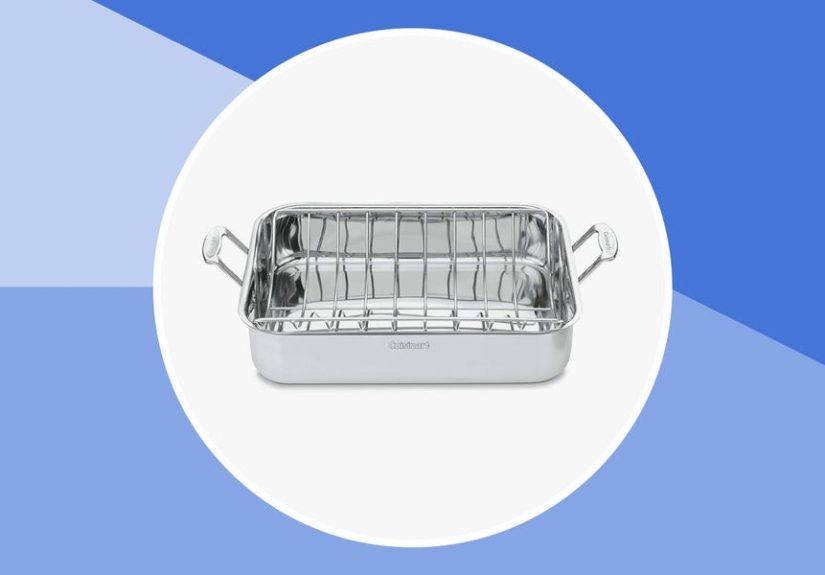
- 1) Cuisinart MultiClad Pro 16-Inch Roasting Pan with Rack (Best Overall)
- 2) Anolon Triply Clad Stainless Steel Roaster with Nonstick Rack (Best for Easy Cleanup)
- 3) All-Clad D3 Stainless-Steel Flared Roasting Pan with Rack (Best Splurge)
- 4) Cuisinart Chef’s Classic 16-Inch Roaster with Rack (Best Budget)
- 5) Le Creuset Signature Rectangular Roaster (Best Oven-to-Table for Smaller Turkeys & Sides)
- How to use your roasting pan like a Thanksgiving pro
- Quick FAQ
- Conclusion: pick the pan that matches your Thanksgiving personality
- Real-World Experiences: What It’s Actually Like Shopping for (and Using) a Turkey Roasting Pan
- SEO Tags
Thanksgiving turkey has main-character energy. It also has “please don’t let me dry out” anxiety, plus a side quest called gravy. The unsung hero that keeps the whole operation from turning into a smoky, drippy, oven-floor soap opera? A solid turkey roasting pan.
If you’ve ever tried to hoist a 15-pound bird in a flimsy disposable tray, you already know the emotional arc: confidence → wobble → regret → “WHY is the rack shaped like a paperclip?” Let’s upgrade your setup with five roasting pans that actually earn their cabinet space.
Why a real roasting pan beats the disposable tray (and saves your gravy)
Disposable aluminum pans look convenient until you remember two things: (1) turkey is heavy, and (2) gravy demands drippings you can deglaze without the pan folding like a lawn chair. A sturdy pan gives you better heat distribution, safer handling, and a flat-enough surface to whisk up gravy on the stovetop after roasting.
Bonus: real roasting pans usually include a rack that lifts your turkey up, helping hot air circulate so the skin browns and the drippings collect underneath for next-level pan gravy.
What to look for in a turkey roasting pan
1) Size: the “will it fit in my oven?” reality check
The best turkey roasting pan is the one that fits your oven and your bird. Before you fall in love with a pan, measure the interior of your oven and account for handles. Rectangular pans tend to maximize usable cooking surface, but wide handles can add surprise inches.
General rule: if you routinely roast a full Thanksgiving turkey (think 12–20+ pounds), you want a “large” roaster that leaves at least a little breathing room around the bird for airflow and vegetables.
2) Material: stainless steel, nonstick, or enameled cast iron?
- Stainless steel (often tri-ply) is the classic for a reason: it browns well, can handle high heat, and is great for stovetop gravy.
- Nonstick is easier to clean, but dark coatings can sometimes over-brown where vegetables touch the pan. (Translation: your carrots might tan faster than your turkey.)
- Enameled cast iron retains heat beautifully and looks gorgeous on the table, but it’s heavy and often smaller in capacity than big stainless roasters.
3) Rack design: flat racks are fine… until they aren’t
A rack isn’t mandatory, but it’s extremely helpful. Curved or angled racks tend to cradle poultry better than flat racks, keeping the bird more stable when you move the pan. A good rack also makes it easier to baste and lets drippings fall away so the bottom doesn’t stew.
4) Handles and weight: mitt-friendly wins
A turkey + pan + drippings is a legitimate workout. Look for roomy, easy-to-grip handles that work with oven mitts. Also consider the pan’s empty weight: a heavy pan is stable, but a too-heavy pan becomes a two-person lift on turkey day.
5) Stovetop compatibility: because gravy is not optional
If you plan to make gravy in the pan, prioritize a roaster that can go from oven to stovetop (including induction, if that’s your setup). A flat-ish bottom and good heat conduction help you dissolve browned bits into liquid without scorching.
6) One more tip: skip the water bath turkey
Many cooks add water to the roasting pan thinking it prevents dryness. In practice, adding water can steam the bird, making it harder to get crisp, golden skin and concentrated drippings for gravy. Your turkey deserves better.
5 Best Turkey Roasting Pans You Need Before Thanksgiving
These picks cover the most common Thanksgiving realities: big birds, small ovens, gravy dreams, dishwashing dread, and the occasional “I just want it to work” budget.
1) Cuisinart MultiClad Pro 16-Inch Roasting Pan with Rack (Best Overall)
If you want one pan that can roast a turkey, brown vegetables evenly, and still behave when it’s gravy time, this is the move. It’s widely praised for sturdy construction, solid browning, and the kind of “feels like it’ll last” build that makes you stop side-eyeing your cookware choices.
- Why it’s great: Stainless construction browns well and cleans up easier than you’d expect.
- Turkey-day advantage: A rack helps lift poultry for airflow and better skin.
- Also useful for: Roasting potatoes, vegetables, prime rib, and making pan gravy.
Best for: Most home cooks who want a “buy it once, use it forever” stainless roasting pan with rack.
Keep in mind: Like most serious roasters, it’s not tinystore it where your sheet pans live, not where your hopes and dreams live.
2) Anolon Triply Clad Stainless Steel Roaster with Nonstick Rack (Best for Easy Cleanup)
Thanksgiving generates enough dishes to qualify as a local weather event. If cleanup is your personal villain arc, Anolon’s tri-ply roaster with a nonstick rack is a smart pick. In testing, it’s been praised for how easily baked-on bits wipe awayeven when things get crispy (which, frankly, is the point).
- Why it’s great: Easy cleanup without giving up the sturdiness of clad stainless.
- Turkey-day advantage: A rack helps keep the bird elevated; less sticking means less scrubbing.
- Great for: Turkey, chickens, roasts, and any “lots of drippings” situation.
Best for: Cooks who want performance and a faster path back to the couch.
Keep in mind: Some users note the handles are slimmer than chunkier, “mitt-hugging” designsfine, but you’ll want a confident grip when the pan is loaded.
3) All-Clad D3 Stainless-Steel Flared Roasting Pan with Rack (Best Splurge)
This is the pan you buy when you’re ready to stop messing around. The flared sides are designed to help with browning and maneuveringespecially when you’re flipping vegetables or whisking gravy in the corners. It’s also one of those roasters that feels like it belongs in a “grown-up kitchen,” even if you still eat cereal for dinner sometimes.
- Why it’s great: Strong roasting performance, solid browning, and premium build quality.
- Turkey-day advantage: Large versions are marketed to handle very large birds (up to about 25 pounds, depending on size).
- Great for: Big holiday roasts, crisp vegetables, and pan sauces/gravy.
Best for: Frequent roasters, holiday hosts, and anyone who wants one pan that looks and cooks like a pro tool.
Keep in mind: Price. Also, some flat racks don’t “hug” a raw turkey as well as curved racksso move the pan carefully when the bird is still uncooked.
4) Cuisinart Chef’s Classic 16-Inch Roaster with Rack (Best Budget)
If you want a classic turkey roasting pan that’s roomy, straightforward, and doesn’t demand a “special occasion budget,” this is a reliable pick. It’s often recommended as a value option: you get a large pan, a U-shaped rack, and handles that are easy to graball without paying luxury-pan prices.
- Why it’s great: Affordable, roomy, and oven-friendly for Thanksgiving-level roasting.
- Turkey-day advantage: U-shaped rack helps hold poultry and lift it above drippings.
- Great for: Whole turkey, turkey breast, and roasting vegetables alongside.
Best for: First-time Thanksgiving hosts or anyone upgrading from disposable trays.
Keep in mind: Lighter/thinner stainless can make stovetop gravy a bit trickier on some ranges (hot spots happen). If gravy is your crown jewel, use medium heat and stir like you mean it.
5) Le Creuset Signature Rectangular Roaster (Best Oven-to-Table for Smaller Turkeys & Sides)
Enameled cast iron brings the dramain a good way. This roaster holds heat like it’s guarding a secret, which makes it excellent for roasting and keeping food warm at the table. It’s also a gorgeous choice for casseroles, dressing, roasted vegetables, and smaller poultry.
- Why it’s great: Heat retention + even heating, and it looks legitimately stunning for serving.
- Turkey-day advantage: Great for turkey breast, smaller birds, or roasting turkey legs/wings while the big bird claims the main roaster.
- Great for: Casseroles, mac and cheese, stuffing, roasted vegetables, and gravy/sauce work.
Best for: Cooks who want an heirloom-feeling roaster that can jump from oven to table without an outfit change.
Keep in mind: Cast iron is heavy, and even the larger sizes may not be ideal for the biggest turkeys. If you roast a 20+ pound bird every year, pair this with a large stainless roaster for the main event.
How to use your roasting pan like a Thanksgiving pro
Give the bird some space
Crowding is the enemy of browning. If the turkey is pressed up against the sides, airflow suffers and the skin can cook unevenly. Choose a pan that fits the bird with a little room to spareespecially if you want to roast vegetables underneath or around it.
Rack or no rack? Here’s the deal
A rack lifts the turkey so heat circulates and the skin can crisp more evenly. No rack? You can still roast, but you may sacrifice some browning underneath. If you’re improvising, a sturdy wire rack that fits the pan can help. (Just make sure it’s oven-safe.)
Drippings management: don’t drown your gravy future
You want flavorful drippings, not a watery puddle. Skip adding water to the roasting pan unless your recipe specifically calls for it. If drippings start getting too dark, add a splash of broth and scrape lightlythink “save the fond,” not “start a hot tub.”
Gravy in the pan: deglaze like you mean it
After the turkey rests, place the roasting pan on the stovetop (if it’s compatible). Add broth or stock, then whisk and scrape up the browned bits. Those bits are flavor. If your pan has corners you can reach easily, even betterthis is where flared sides can shine.
Cleaning without regret
- Stainless steel: Soak with hot water and dish soap. For stubborn spots, a gentle scrub pad and cleanser help.
- Nonstick: Avoid harsh abrasives; let it soak and wipe clean.
- Enameled cast iron: Warm water + mild soap; skip metal scouring that can dull enamel over time.
Quick FAQ
Do I need a roasting pan specifically for turkey?
If you roast big birds or large cuts a few times a year, yesit’s worth it. The right pan makes handling safer, cooking more even, and gravy easier. If you only roast occasionally, a sturdy, appropriately sized pan (plus a rack) can still do the job.
What’s better: straight sides or flared sides?
Straight sides offer more volume (handy for big birds and lots of drippings). Flared sides can improve access for flipping vegetables and whisking sauces. Either can work; the best choice depends on whether you prioritize capacity or maneuverability.
What size turkey fits most “large” roasting pans?
Many large roasters are designed for typical Thanksgiving birds in the 12–20 pound range, and some are marketed for even larger turkeys depending on the exact model and shape. The safest move is to measure your oven and compare pan dimensions to your bird’s footprintespecially if you dry brine (which can make the turkey sit a bit prouder).
Conclusion: pick the pan that matches your Thanksgiving personality
If you want the all-around winner, go stainless with a rack and good handles. If you want easier cleanup, choose a pan (or rack) that won’t punish you for crisping the good stuff. If you host big, invest in a roomy roaster that can handle a serious bird and still let you make gravy without drama.
Most importantly: test-fit the pan in your oven before Thanksgiving morning. Because the only surprise you want that day is how fast the pie disappears.
Real-World Experiences: What It’s Actually Like Shopping for (and Using) a Turkey Roasting Pan
Let’s talk about the part no one puts in the product listing: the lived reality of turkey roasting pans. Not the glamorous “golden bird” photo. The real stufflike discovering your pan doesn’t fit your oven while your turkey is already seasoned and staring at you like, “So… what’s the plan, boss?”
First, there’s the disposable pan era. Almost everyone starts here. It feels practical: you can toss it afterward, and it’s cheap. But the minute you lift it with a full turkey inside, you realize the pan has the structural integrity of a soda can. Home cooks regularly describe the same moment of panic: hands under the flimsy edges, turkey wobbling, juices sloshing, and you doing a slow-motion shuffle to the oven like you’re carrying a newborn… made of poultry… and consequences.
Then comes the “upgrade” phase: you buy a real roasting pan, feel instantly competent, and discover your next challenge: weight. A sturdy stainless steel roaster is wonderfuluntil it’s loaded. Add a turkey, drippings, vegetables, and maybe a rack, and suddenly you understand why roasting pans come with big handles. The best advice from experienced hosts is simple: pick the pan up with oven mitts on before you cook. If it feels awkward empty, it won’t become easier when it’s full of bird.
Another very real experience is the gravy awakening. People buy a roasting pan thinking, “This is for turkey,” and then they make gravy in it once and realize: oh, this is actually for gravy. The turkey is the headline, but gravy is the reason you’ll love a pan with good heat conduction and corners you can reach with a whisk. That’s also when cooks learn the value of a pan that sits flat on the burner and doesn’t have weird channels that trap liquid where you can’t properly deglaze.
Nonstick roasters create a different set of stories. Many people love them because cleanup is fasterespecially after roasting sticky, sugary vegetables like carrots or sweet potatoes. But some cooks notice that very dark nonstick interiors can brown (or over-brown) food where it’s in direct contact with the pan. That’s not a dealbreaker, but it changes your strategy: you rotate vegetables more often, use a rack when possible, and pay attention earlier so “deep caramelization” doesn’t turn into “charcoal audition.”
And finally, there’s the “I bought the beautiful one” experienceusually enameled cast iron. People fall in love with a Le Creuset-style roaster because it can go from oven to table and look like part of the centerpiece. In real life, it’s fantastic for sides, casseroles, turkey parts, and smaller birds, and it holds heat like a cozy blanket. The only surprise is that it’s heavy, and the biggest Thanksgiving turkeys may still need a large stainless roaster. Many hosts end up doing a two-pan Thanksgiving: a big stainless pan for the main turkey and a gorgeous cast iron roaster for dressing, roasted vegetables, or turkey legs. Honestly? That’s a power move.
The best “experienced cook” takeaway is this: your roasting pan isn’t just a containerit’s a tool that affects browning, drippings, gravy, and your stress level. Choose the pan that matches how you cook and how you clean. Thanksgiving is already a production. Your roasting pan should be part of the solution, not a surprise plot twist.