Table of Contents >> Show >> Hide
- 1. Everyday Clutter on the Dining Table
- 2. Small Countertop Appliances You Will Not Need During the Gathering
- 3. Off-Season Knickknacks and Random Decor That Adds Visual Noise
- 4. Tech Distractions: Screens, Remotes, Chargers, and Loose Cords
- 5. Shoes, Jackets, Bags, and Mail Piled Up in the Entryway
- A Quick Thanksgiving Decluttering Checklist Before Guests Arrive
- What This Advice Looks Like in Real Life: Thanksgiving Hosting Experiences
- Conclusion
Thanksgiving has a funny way of turning ordinary household clutter into a full-blown supporting character. The pile of unopened mail by the door suddenly looks like a monument to procrastination. The toaster, air fryer, blender, stand mixer, and coffee grinder line up on the counter like they’re auditioning for a kitchen reboot of The Avengers. And that decorative bowl that usually looks charming on the dining table? On Thanksgiving, it becomes one more thing fighting your mashed potatoes for elbow room.
That is why smart Thanksgiving hosting is not just about what you add to your home. It is also about what you remove. According to design pros and holiday-hosting experts, the fastest way to make your home feel calmer, cleaner, and more welcoming is to edit the visual noise before guests arrive. In other words: before you light the candles, fluff the napkins, and start basting the turkey, put a few things away.
This is especially true if you want a home that feels polished without seeming stiff. Great Thanksgiving decor is not about making your house look like a catalog exploded in the foyer. It is about creating breathing room. A guest-ready home lets the food, the people, and the conversation take center stage. That means fewer distractions, clearer surfaces, and better flow in the spaces guests actually use.
Below are the five things a designer would absolutely stash before hosting Thanksgiving, plus practical ways to do it without panic-cleaning like your in-laws are five minutes away and somehow already in the driveway.
1. Everyday Clutter on the Dining Table
If your dining table has been moonlighting as a home office, homework station, package-sorting center, or storage shelf for random life debris, Thanksgiving is the moment to call time on that arrangement. The dining table is the star of the day. It is where the meal lands, where the toasts happen, and where somebody inevitably asks who wants more stuffing while reaching across the gravy boat with suspicious confidence.
That is why everyday table clutter should be the first thing to disappear. Laptops, paper stacks, charging cords, half-burned candles, decorative objects, and “I’ll deal with this later” piles all make the room feel busy before a single guest sits down. A clean table instantly makes your Thanksgiving setup feel intentional.
Why it matters
When the table is clear, the meal becomes the focal point. It also gives you room to create a more functional Thanksgiving tablescape. A simple runner, low arrangement, or understated centerpiece works better than a crowded collection of objects competing for attention. Guests should be able to see one another, pass dishes easily, and have a conversation without peeking around a decorative branch arrangement tall enough to qualify as landscaping.
What to do instead
Strip the table down to zero, then rebuild it with purpose. Use only what supports the meal or the mood: place settings, serving pieces, candles, a low centerpiece, and maybe one seasonal accent. If something does not help the table function better or look better, it belongs somewhere else for the day.
This one change alone can make your Thanksgiving dining room look larger, calmer, and far more photo-ready. Not that Thanksgiving is about photos, of course. It is just a complete coincidence that everyone suddenly starts arranging pie slices near the best natural light.
2. Small Countertop Appliances You Will Not Need During the Gathering
Kitchen counters are prime real estate on Thanksgiving. They need to hold serving platters, pie dishes, drinks, prep bowls, hot pads, last-minute appetizers, and possibly one frantic relative asking where the foil lives. So if your counters are packed with small appliances you are not actively using, they are wasting valuable space.
Toasters, blenders, stand mixers, air fryers, slow cookers that have already done their job, coffee accessories, knife blocks that sprawl wider than they need to, and decorative canisters can all contribute to visual clutter. Even in a beautiful kitchen, too much countertop gear makes the room feel crowded and less functional.
Why it matters
Thanksgiving guests tend to gather in the kitchen whether you invited them there or not. It is the unofficial headquarters of every holiday meal. Clear counters help the room feel cleaner and more organized, but they also make entertaining easier. Guests need landing space for drinks and dishes. Hosts need elbow room. And nobody wants to balance a plate of deviled eggs on top of a toaster because there is literally nowhere else to set it down.
What to do instead
Be ruthless but practical. Keep out only the appliances you are still using on Thanksgiving Day. Everything else can move to a pantry shelf, lower cabinet, laundry room shelf, or temporary storage bin. Wipe the counters after you clear them, then designate zones: one for active food prep, one for drinks, one for serving, and one for overflow.
Bonus move: clean out the fridge at the same time. Toss expired condiments, mystery leftovers, and produce that has seen better centuries. You are going to need the room for ingredients before the meal and leftovers after it. Thanksgiving without fridge space is basically a trust fall with food safety.
3. Off-Season Knickknacks and Random Decor That Adds Visual Noise
Holiday decorating goes sideways when people start layering seasonal decor on top of all their regular decor like a frosting emergency. A few fall accents can look warm and festive. But when pumpkins are wedged between coastal shells, spring florals, souvenir figurines, and three unrelated candleholders, the room starts to feel less “curated autumn gathering” and more “gift shop during a power outage.”
Before you add anything seasonal, remove what is not supporting the look. That means off-season decor, dusty trinkets, overly busy shelf accessories, and any object that is making your entertaining spaces feel visually crowded.
Why it matters
Good Thanksgiving decor relies on editing. Seasonal design feels more elegant when it has room to breathe. A bowl of pears, a vase of branches, a linen tablecloth, or a cluster of unscented candles can do a lot of heavy lifting when the surrounding surfaces are not already packed.
What to do instead
Take a quick pass through the dining room, living room, entryway, and kitchen. Remove decor that feels off-theme, too small to matter, too numerous to ignore, or too fussy for a room that is about to host real humans carrying real plates of food. Store those items in a labeled bin or closet and keep your holiday styling simple.
The best Thanksgiving entertaining spaces usually have one thing in common: restraint. They do not try to prove they own every leaf-shaped object ever manufactured. They choose a few strong elements and let the atmosphere do the rest.
4. Tech Distractions: Screens, Remotes, Chargers, and Loose Cords
There is nothing wrong with technology. Thanksgiving football exists. Family group texts exist. Emergency recipe searches absolutely exist. But there is a big difference between using tech intentionally and letting it sprawl across your living space like a nest of blinking, beeping visual clutter.
If the room is filled with visible chargers, tangled cords, extra remotes, tablets on side tables, gaming controllers on the coffee table, and a television blaring in the background for no reason, the space can feel less cozy and more chaotic.
Why it matters
Holiday hosting is about connection. Too much visible tech pulls focus away from the atmosphere you are trying to create. It also makes a room look less finished. Even a beautifully decorated living room loses some of its charm when a charging cable snakes across the console like it pays rent there.
What to do instead
Tuck remotes into a drawer or basket. Coil chargers and stash them out of sight. Put away gaming accessories that are not in use. Silence unnecessary notifications. If the television is not central to your celebration, turn it off or set it to something subtle. A quiet room with music in the background and clear surfaces almost always feels more inviting than a room lit by six charging LEDs and the glow of a paused streaming menu.
This does not mean you need to create a digital monastery. It just means reducing the tech footprint in guest-facing spaces so your home feels warm, not wired.
5. Shoes, Jackets, Bags, and Mail Piled Up in the Entryway
Your entryway is your home’s handshake. It sets the mood before guests even make it to the kitchen. If the first thing people see is a mountain of shoes, a chair draped in coats, a tote bag graveyard, and enough unopened mail to qualify as an archive, the space feels chaotic right out of the gate.
This area matters more than most hosts realize. Guests need room to enter, pause, take off their shoes if that is your house rule, set down a pie, hang a coat, and get oriented without feeling like they just walked into a storage closet with seasonal wreath ambitions.
Why it matters
A clean, functional entry makes your home feel cared for. It also makes guests more comfortable. When there is an obvious place for coats, shoes, bags, and hostess gifts, people settle in faster. The entire arrival experience becomes smoother, which is especially useful on Thanksgiving when several people may show up at once carrying food, flowers, children, or all three.
What to do instead
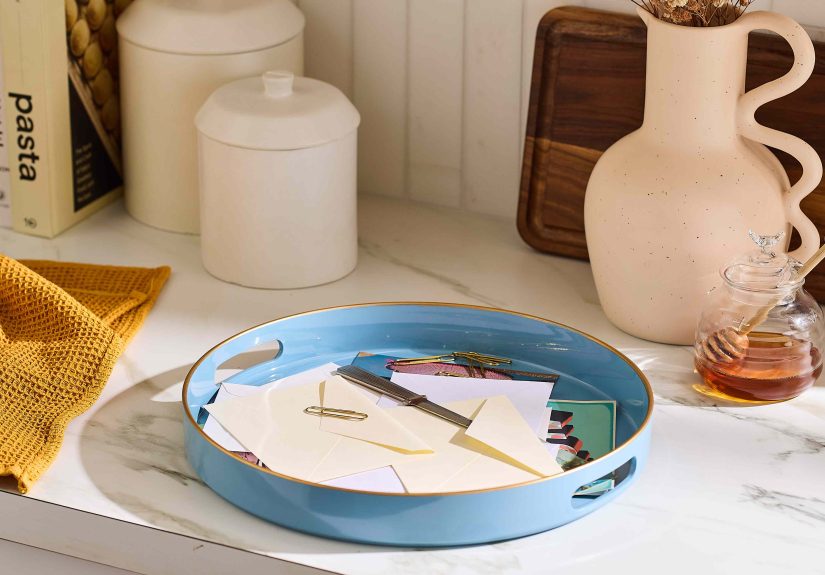
Clear the floor first. Then clear the console or side table. Relocate everyday coats, extra shoes, sports bags, and stacks of paper. Leave only essentials: a small tray for keys, a basket if needed, maybe a candle or small arrangement, and enough open space to receive guests. If you have a hall closet, make room in it. If you do not, use hooks, a bench with storage, or a dedicated bedroom as the temporary coat zone.
Think of the entryway as a transition space, not a dumping ground. On Thanksgiving, function is the most beautiful thing in the room.
A Quick Thanksgiving Decluttering Checklist Before Guests Arrive
- Clear the dining table completely before setting it.
- Put away extra countertop appliances and wipe every visible surface.
- Edit out off-season decor and busy knickknacks.
- Hide remotes, chargers, tablets, cords, and unused electronics.
- Remove shoes, coats, mail, bags, and everyday clutter from the entryway.
- Empty trash cans and refresh hand towels in the kitchen and bathroom.
- Make sure guests have somewhere to set down coats, dishes, and leftovers.
What This Advice Looks Like in Real Life: Thanksgiving Hosting Experiences
In real homes, this advice works because Thanksgiving is rarely a neat little magazine moment from start to finish. It is movement. It is noise. It is someone arriving early while you are still whisking gravy and pretending you absolutely planned to answer the door in an apron dusted with flour. The homes that feel the best on Thanksgiving are usually not the fanciest ones. They are the ones that have been edited with guests in mind.
Picture the difference between two hosting experiences. In the first house, the entryway is clogged with school shoes, delivery boxes, jackets, and reusable grocery bags. Guests shuffle sideways through the doorway holding casseroles like obstacle-course participants. The dining table is covered with paperwork until the last second. The kitchen counters are packed with appliances, so every serving dish gets balanced in increasingly dangerous locations. Someone asks where to put the salad, and the honest answer is, “Emotionally? Nowhere.”
In the second house, nothing is perfect, but the important spaces are clear. The coats have a home. The table is set early. The counters are open enough to hold appetizers and pies. The decor is simple, so the room feels festive without feeling crowded. The television is not shouting over conversation. Guests walk in and instantly understand where to stand, where to help, and where to relax. That is not magic. That is editing.
Many hosts learn this lesson the hard way. They spend hours deep-cleaning rooms no one will enter, then forget to clear the one chair by the front door where every coat will land. Or they decorate every available surface, only to realize the food itself needs somewhere to go. The most successful Thanksgiving prep is not about doing more. It is about removing friction.
One of the most common hosting regrets is underestimating visual clutter. Even when a home is technically clean, too much stuff on surfaces makes it feel messy. A stack of mail, an army of countertop gadgets, or tangled chargers can quietly make a room feel stressful. Once those things are put away, the same home often looks brighter, bigger, and more welcoming in about twenty minutes. It is one of the highest-return tasks in holiday prep.
Another real-life truth: guests remember how your home felt more than how it looked. They remember whether it was easy to hang a coat, find a bathroom, sit down with a drink, and talk across the table without bumping into a centerpiece the size of a shrub. They remember warmth, ease, and whether there was enough room on the counter for the pie they brought. Those tiny details create the mood.
So if you are hosting Thanksgiving this year, do not panic about perfection. You do not need a professionally styled home. You need a home that makes space for people. Put away the clutter that competes with the moment. Let the table breathe. Let the kitchen function. Let the entryway welcome. Then serve the turkey, pass the rolls, and enjoy the fact that your house is working with you instead of against you.
Conclusion
If you want your Thanksgiving hosting to feel easier and your home to look better, start by putting things away. Clear the dining table, edit the counters, simplify the decor, hide the tech clutter, and reset the entryway. These five changes are small, but together they transform the way your home functions for holiday entertaining.
The best part is that none of this requires a major renovation, a giant budget, or a full weekend of stress-cleaning. It just takes a designer’s mindset: remove what distracts, keep what serves, and make room for the people who matter most. On Thanksgiving, that is the whole point.