Table of Contents >> Show >> Hide
- Why Wallpaper Works So Well on Lampshades
- Choose the Right Lampshade Before You Start
- What You Need
- How to Upcycle a Lampshade With Wallpaper, Step by Step
- Peel-and-Stick vs. Traditional Wallpaper: Which Is Better?
- Design Ideas That Make the Lamp Look Custom
- Common Mistakes to Avoid
- How to Make the Finished Shade Safe and Long-Lasting
- Why This Is a Great Upcycling Project for Beginners
- Real-World Experience: What This Project Is Actually Like
- Final Thoughts
If your lamp shade looks tired, stained, bland, or like it has survived three apartments and one questionable design phase, good news: you do not need to replace the whole lamp. You can give it a fresh, stylish second life with wallpaper. Yes, wallpaper. The same material that can transform a boring wall can also turn an old shade into a custom piece that looks far more expensive than it actually is.
Upcycling lampshades with wallpaper is one of those rare home projects that checks every box. It is affordable, beginner-friendly, surprisingly fast, and satisfying in a way that makes you immediately start eyeing other objects in your house like, “What else can I dramatically improve before dinner?” It is also a smart way to use leftover wallpaper scraps, peel-and-stick samples, or those gorgeous patterned remnants you bought because they were “too pretty not to,” even though you had no plan for them.
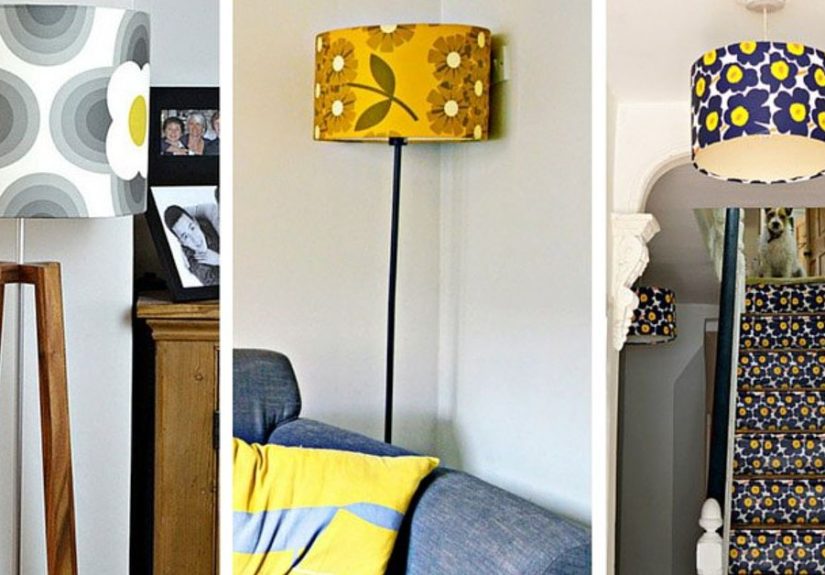
The best part is that this project works for all kinds of decorating styles. Love cottage charm? Try a tiny floral print. Prefer modern spaces? Go for a graphic stripe, grasscloth-inspired texture, or a clean neutral pattern. Want a maximalist moment? Match the wallpaper on the shade to nearby drapery, pillows, or even the room’s wallcovering for a layered, designer look. It is a small change, but it can completely shift the mood of a room.
Here is how to upcycle a lampshade with wallpaper the easy way, plus what to know before you start so your finished piece looks intentional instead of “craft night took a turn.”
Why Wallpaper Works So Well on Lampshades
Wallpaper is practically made for this kind of makeover. It adds color, pattern, texture, and personality in one move. A plain lamp becomes a decorative accent. A thrift-store find becomes a conversation piece. A builder-grade shade becomes something that looks custom.
Wallpaper also gives you more design options than paint alone. Paint can be chic, sure, but wallpaper brings visual depth. You can create a tailored look with stripes, a playful mood with botanicals, or a soft, elegant finish with faux grasscloth, linen-effect prints, or subtle metallic detail. Even better, many peel-and-stick wallpapers are easy to trim, simple to wipe clean, and beginner-friendly.
There is also a practical reason this project is so popular: lampshades are relatively small. That means you do not need a full roll of material. One leftover strip, a wallpaper sample, or a small peel-and-stick panel is often enough. Translation: less waste, less cost, and less chance of ending up with an entire roll of wallpaper haunting your storage closet for the next seven years.
Choose the Right Lampshade Before You Start
Not every shade is equally easy to wrap. If you want this project to feel simple, start with the right shape and size.
Best shade shapes for wallpaper
The easiest lampshades to upcycle are straightforward shapes like drums, tapered drums, cylinders, and squares. These are much more forgiving because the surface is predictable and the wallpaper can be wrapped smoothly with fewer dramatic surprises. A heavily pleated, scalloped, or unusually curvy shade may look charming in theory, but it can turn a quick makeover into a geometry problem you did not ask for.
Check the condition of the shade
The frame should be sturdy, and the outer surface should be intact. Small cosmetic flaws are fine because the wallpaper will cover them, but if the shade is warped, crushed, or shedding its original layer like a sad onion, start with another one. Upcycling is fun. Structural repair disguised as optimism is less fun.
Measure first, decorate second
If you are replacing or comparing shades, it helps to know the standard measurements: top diameter, bottom diameter, slant, and height. These dimensions matter if you decide the old shade is not worth saving or if you want to duplicate a size you already know works well in the room.
As a general rule, many decorating experts suggest a lampshade height of about two-thirds the height of the lamp base and a shade width roughly twice the width of the base. The goal is balance. Too tall and the lamp can look top-heavy. Too small and it looks like the shade borrowed itself from a lamp half its size.
Do not forget the fitter
Before you commit to any makeover, check how the shade attaches to the lamp. Common fitter styles include spider, uno, and clip-on. If you ever decide to swap the shade later, knowing the fitter type will save you from that classic DIY side quest called “Why does this not fit?”
What You Need
- An old or plain lampshade in good condition
- Wallpaper, peel-and-stick wallpaper, or wallpaper remnant
- Kraft paper or butcher paper for a template
- Pencil
- Scissors or a sharp craft knife
- Ruler or measuring tape
- Spray adhesive or craft glue if using non-adhesive wallpaper
- Smoothing tool, plastic card, or clean cloth
- Binder clips or clothespins for temporary positioning
- Low-heat LED bulb for final use
If you are using traditional wallpaper, always read the manufacturer’s instructions first. Some papers are easier to work with than others. For many beginners, peel-and-stick wallpaper is the simplest path because it skips the glue drama and makes repositioning easier.
How to Upcycle a Lampshade With Wallpaper, Step by Step
1. Clean the shade
Before attaching anything, wipe the shade so the surface is smooth, dust-free, and dry. Adhesive and dust are not friends. A clean surface helps the wallpaper stick better and lie flatter. If the old shade has grime, pet hair, or oily residue, clean it gently and let it dry completely before moving on.
2. Make a template
This is the step that separates a polished result from a “close enough” result. Place a large sheet of kraft paper on a flat surface and roll the lampshade across it while tracing the top and bottom edges. Start and stop at the seam so you complete one full rotation. Then cut out the template, leaving a little extra around the edges. It is much easier to trim excess later than it is to invent missing wallpaper out of thin air.
3. Test the pattern placement
Lay the paper template on your wallpaper and move it around before cutting. This is your chance to decide what part of the pattern will be front and center. With florals, you may want one large bloom in the middle. With stripes, you may want them lined up perfectly at the seam. With abstract prints, you want it to look balanced rather than like the shade lost a fight with randomness.
4. Cut the wallpaper carefully
Transfer the template shape to the wallpaper and cut slowly. Sharp scissors or a craft knife will give you cleaner edges than dull blades. If the wallpaper is thick, textured, or slightly stiff, work patiently so you do not tear the corners or distort the shape.
5. Do a dry fit
Before removing any backing or applying glue, wrap the cut piece around the shade to check alignment. Make sure the ends meet neatly and the height works all the way around. If something is off, trim now. This is the calm, civilized stage of the project. Enjoy it.
6. Apply the wallpaper
If you are using peel-and-stick wallpaper, peel back only a small section of the backing to begin. Press the wallpaper onto the shade at the seam, then smooth it gradually as you wrap the shade, removing more backing a little at a time. Work slowly to avoid bubbles, wrinkles, or stretching.
If you are using standard wallpaper or a remnant without adhesive, apply a thin, even coat of spray adhesive or craft glue to the shade or paper, depending on the product instructions. Then wrap and smooth the wallpaper into place. Do not use so much adhesive that the paper becomes soggy or starts sliding around like it has given up on structure.
7. Smooth and trim
Use a smoothing tool, plastic card, or soft cloth to push out air bubbles and ensure good contact. Pay special attention to the seam. Once the paper is secure, trim any excess neatly. If you want an extra finished look, you can add ribbon, braid, or narrow trim along the top and bottom edges.
8. Let it cure fully
Do not rush the final reveal. Let the adhesive set completely before putting the shade back on the lamp. This helps prevent lifting edges and shifting seams. Once dry, install the shade and use an LED bulb to keep heat as low as possible.
Peel-and-Stick vs. Traditional Wallpaper: Which Is Better?
Both can work, but they behave differently.
Peel-and-stick wallpaper is usually the easiest choice for beginners. It is great for renters, easier to reposition, and often comes in trendy prints and small-scale options. Many vinyl versions are also easy to wipe clean. The downside is that some peel-and-stick papers can stretch slightly if handled too aggressively, and they need a very smooth, clean surface to adhere well.
Traditional wallpaper or non-adhesive remnants can work beautifully, especially if you already have leftover material from another project. It can sometimes look a bit more refined or high-end depending on the paper. The trade-off is that it usually requires more care with glue or spray adhesive and may not be as forgiving for first-timers.
If you are doing this as a quick weekend refresh, peel-and-stick is often the low-stress option. If you are coordinating the shade with wallpaper already used in the room, traditional wallpaper may give you the most seamless match.
Design Ideas That Make the Lamp Look Custom
Match the room’s wallpaper
This is the boldest move, and it can look fantastic. A matching lampshade can make the room feel layered, curated, and intentional. Done well, it reads as designer, not overly precious. This works especially well in powder rooms, bedrooms, reading nooks, and spaces with a strong decorative point of view.
Use leftover wallpaper scraps
If you have scraps from another decorating project, this is one of the smartest ways to use them. It gives the room subtle continuity without redoing an entire wall. It is also budget-friendly, which is always a beautiful design language.
Try texture-look wallpaper
Faux grasscloth, linen-look prints, raffia-inspired designs, and woven patterns can make a basic lamp feel elevated. You get the visual richness of texture without having to wrestle with heavy specialty materials.
Go small-scale with bold pattern
Because a lampshade is a small object, large mural-style prints can sometimes feel chaotic. Tiny florals, delicate stripes, geometric repeats, or toile patterns often look more balanced. They also feel especially charming on bedside lamps and accent lights.
Add trim if you want polish
A simple ribbon or narrow decorative braid can hide the cut edges and make the whole project look more finished. This is optional, but it is a nice trick if you want the shade to look less DIY and more boutique.
Common Mistakes to Avoid
- Skipping the template: Freehand cutting is a brave choice. Usually not a wise one.
- Using a dirty shade: Dust and debris can prevent good adhesion.
- Choosing a heavily textured or damaged shade: Wallpaper shows more than you think.
- Applying too much glue: Oversaturation can warp paper and create lumps.
- Ignoring the seam placement: A sloppy seam is often the first thing people notice.
- Using a hot incandescent bulb: Wallpaper and high heat are not a charming combination.
- Forcing wallpaper onto a tricky shape: Some shades are worth admiring, not wrapping.
How to Make the Finished Shade Safe and Long-Lasting
Any time you use paper-based materials on a lampshade, heat matters. That is why LED bulbs are the safest and smartest choice. They run far cooler than incandescent bulbs and are also more energy efficient. If your lamp currently uses an incandescent bulb, swap it out before showing off your newly wallpapered masterpiece.
Also keep the wallpaper on the outside of the shade only, and make sure no material extends inward where it could get too close to the bulb. If your lamp uses a clip-on shade or another small fitter style, be extra cautious and follow the fixture’s wattage guidance.
For longevity, keep the shade dry, dust it gently, and avoid placing it in a spot where it will get splashed, steamed, or baked by direct moisture. If you love the look in a bathroom, choose a wallpaper with some moisture resistance and make sure the room has decent ventilation.
Why This Is a Great Upcycling Project for Beginners
Some DIY projects begin with “easy” and end with you watching three repair videos while sitting on the floor. This is not usually one of them. Upcycling a lampshade with wallpaper is approachable because the scale is small, the supply list is short, and the visual payoff is immediate.
You do not need advanced tools. You do not need to commit to a full-room makeover. And if you are experimenting with pattern for the first time, a lamp is a low-risk place to try something fun. A floral shade can warm up a plain room. A striped one can sharpen a traditional space. A tone-on-tone texture can make a modern room feel more collected.
It is also an ideal project for thrifted finds. A dated lamp from a flea market, garage sale, or secondhand store can become something fresh with one wallpaper remnant and a little patience. In a world full of throwaway décor, that feels pretty satisfying.
Real-World Experience: What This Project Is Actually Like
Here is the honest truth about upcycling lampshades with wallpaper: it is easy, but it also rewards patience. The first time people try it, they often assume the wallpaper will just magically wrap itself around the shade like gift wrap in a holiday commercial. In real life, it is more of a slow dance. You line up the seam, smooth a little, adjust a little, step back, squint, smooth again, and suddenly it clicks. Once it clicks, it feels almost ridiculously satisfying.
One of the best things about this project is how quickly it changes the personality of a room. A lamp that used to blend into the background suddenly becomes part of the décor story. A plain white shade becomes soft and romantic with a delicate vine print. A boring beige lamp turns crisp and tailored with a stripe. A thrift-store shade that looked one bad sneeze away from retirement suddenly looks intentional, stylish, and a little smug about it.
Another real-world lesson is that wallpaper scale matters more than many people expect. A giant tropical pattern may look fabulous on a wall, but on a small bedside shade it can feel like the lamp is yelling. Smaller repeats usually look calmer and more polished. That said, if you are styling a large floor lamp or a bold eclectic room, dramatic prints can absolutely work. The trick is choosing a pattern that makes sense at the size of the shade, not just one you like in the abstract.
People also tend to discover that this project makes them more confident with pattern in general. Once you have wrapped a shade in wallpaper and lived with it for a week, wallpaper no longer feels so intimidating. It starts to seem playful instead of permanent and scary. That little success can inspire bigger decorating moves later, whether that means lining the back of a bookshelf, framing wallpaper as art, or finally ordering that peel-and-stick print you have had open in a browser tab for months.
There is also something oddly personal about a wallpapered lampshade. It does not feel factory-made. It feels chosen. It reflects your taste in a very specific way. Even when the project is simple, the result often looks custom because most people are used to seeing plain shades from big-box stores. A patterned shade reads as thoughtful. Guests notice it. They ask where it came from. You get to say, as casually as possible, “Oh, I made it,” while pretending that was not the exact outcome you were hoping for.
And yes, there can be little hiccups. Maybe the seam is not absolutely invisible. Maybe you trimmed one edge a hair too close and had to reposition the pattern. Maybe peel-and-stick wallpaper tried to cling to itself like an overly attached friend. None of that usually ruins the outcome. In fact, the tiny imperfections are often what make the piece feel handmade in the best way. Lamps are not museum objects. They are working pieces of décor. If the finished shade looks clean, balanced, and charming from normal viewing distance, you have succeeded.
In the end, this is one of those projects people remember because the effort-to-reward ratio is unusually good. You spend an afternoon, use materials you may already have, and end up with something that looks special every time you switch on the light. That is a pretty excellent return on investment for one humble lampshade.
Final Thoughts
If you want an easy home upgrade with real style payoff, upcycling lampshades with wallpaper is a genuinely smart project. It is low-commitment, budget-friendly, creative, and beginner approachable. With the right shade, a clean template, careful application, and an LED bulb, you can turn an old lamp into something that looks fresh, custom, and surprisingly polished.
So the next time you find a tired lamp at a thrift store, or stare at a leftover wallpaper scrap wondering whether it deserves better than life in a drawer, take the hint. Your next favorite décor piece may be one careful wrap away.