Table of Contents >> Show >> Hide
- Why a 1954 Spartan Still Turns Heads
- From Old Trailer to Tiny Tiki Retro Hideaway
- Why This Retro Tiny Home Works So Well
- The Real Work Behind the Charm
- What This Tiny Home Says About Modern Living
- Design Lessons You Can Borrow From This Trailer
- Experience: What It Feels Like to Live With a Retro-Style Tiny Home
- Conclusion
- SEO Tags
Some homes begin with a blueprint. This one began with a gleam of aluminum, a whole lot of nerve, and the kind of optimism that says, “Yes, I absolutely can turn a 1954 trailer into a place people will never want to leave.” And honestly? That confidence was justified.
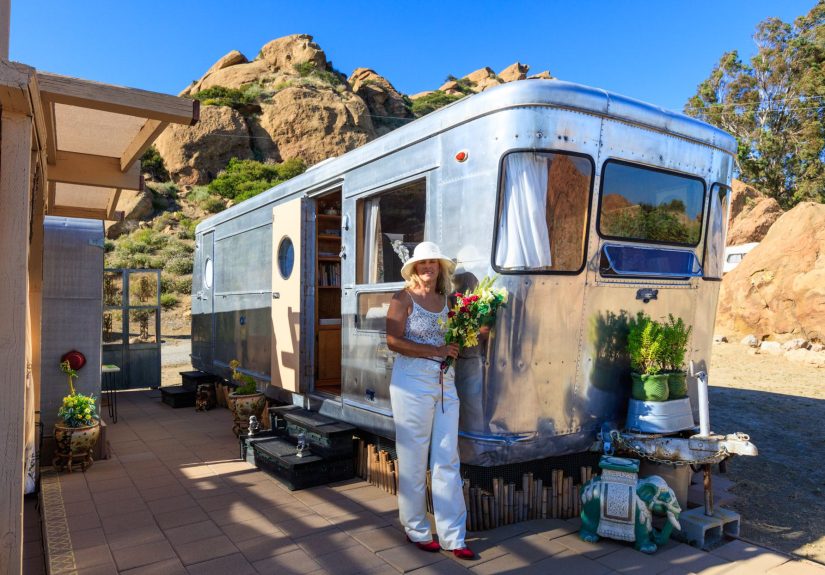
Set about an hour outside Los Angeles, Julia Kastendiek’s restored 1954 Spartan trailer proves that tiny living does not have to look cold, cramped, or like a sterile white box with a composting toilet and unresolved feelings. Instead, this vintage trailer leans hard into what makes old-school design so lovable: warm wood paneling, curved walls, cheerful textiles, clever built-ins, and a sense that every square inch has a reason to exist.
The result is a retro-style tiny home with genuine personality. It honors the trailer’s midcentury roots while making room for modern comfort, practical upgrades, and one very important truth about small-space living: when a home is this compact, boring is not an option. Every finish, every storage solution, and every decorative choice has to earn its keep.
That is what makes this story more than a cute before-and-after. It is also a lesson in adaptive reuse, thoughtful restoration, and the growing appeal of tiny homes that feel soulful rather than stripped down. A 1954 trailer may not sound like the obvious candidate for a dreamy retreat, but that is exactly why this transformation works so well. It takes something many people would overlook and turns it into a tiny home with charm, memory, and style baked right in.
Why a 1954 Spartan Still Turns Heads
To understand why this trailer matters, it helps to know what a Spartan is. Spartan travel trailers were built by the Spartan Aircraft Company, a Tulsa-based manufacturer that shifted toward trailer production after World War II. That industrial backstory matters because these trailers were not random tin cans with windows. They were shaped by aircraft-era thinking, and many were built with a level of craftsmanship that still earns admiration decades later.
In the postwar years, trailers like these fit neatly into a rising American fantasy: mobility, convenience, and modern living all packed into a streamlined shell. They were marketed as furnished, flexible homes that could move with you, and they landed right at the crossroads of housing need, road-trip culture, and midcentury design optimism. In other words, they were the cool kids of compact living long before “tiny home” became a keyword.
That history is part of the appeal today. A vintage Spartan is not just small; it carries a specific design language. The rounded corners, metal exterior, large windows, and efficient floor plans feel cinematic in a way most new builds would frankly kill for. Restoring one is not simply a construction project. It is a conversation with a different era of American domestic life.
From Old Trailer to Tiny Tiki Retro Hideaway
When Kastendiek bought the trailer for $13,000, she did not try to erase its past. That was the smartest move she could have made. The trailer, a 24-by-8-foot Spartan, already had what so many expensive renovations desperately try to manufacture: character. Instead of flattening it into generic “modern farmhouse but make it mobile,” she kept and restored as much of the original personality as possible.
Step inside and the first thing that lands is the birch wood paneling. It instantly warms the space, softens the metal shell, and makes the interior feel more like a jewel box than a downsized compromise. The main living area, nicknamed the observation lounge, takes advantage of large windows that flood the trailer with light. That choice is key. In small homes, natural light is not decoration; it is architecture.
The furnishings continue the retro story without turning the whole place into a stage set. A handmade daybed, vintage chairs, antique dishware, floral curtains, and collected artwork create a home that feels lived in rather than curated within an inch of its life. The décor has humor and warmth. It winks at midcentury style without becoming costume-y. That is a hard balance to strike, and this trailer nails it.
The observation lounge does the heavy lifting
In many tiny homes, the main sitting area feels like an afterthought, as if everyone agreed the sofa should apologize for existing. Not here. The front lounge makes the trailer feel generous because it gives the eye somewhere to travel. The daybed adds function, the windows expand the mood, and the collected fabrics keep the room from feeling overly polished. It is cozy, yes, but it is also visually active.
That is one of the biggest design lessons in the entire home: tiny spaces need focal points. A compact room without a strong identity just reads as small. A compact room with texture, shape, and something delightful to notice reads as intentional.
The kitchen keeps its vintage credentials
The kitchen retains original countertops and birch cabinetry, preserving the color and finish associated with classic Spartan interiors. This was another excellent call. Too many renovations treat original materials like a disease that must be bleached away. Here, the wood tone becomes the backbone of the design. Modern appliances, including a full-size refrigerator and microwave, bring the convenience people actually want, but they do not bully the space into losing its soul.
That balance between original and updated is what separates a good restoration from a glossy mistake. Keep everything old and the trailer may become charming but inconvenient. Replace everything and you lose the reason to buy vintage in the first place. The sweet spot is exactly what this kitchen delivers: modern function in a room that still remembers who it is.
The bathroom is proof that tiny can still feel special
Kastendiek calls it the jewel-box bathroom, which is the correct energy. Tiny bathrooms often become purely practical zones, but this one gets to be expressive. Blue-and-white tile turns the shower into a visual event, while a custom vanity and a repurposed hammered aluminum bowl sink show the power of creative reuse. In a home this size, charm does not live in square footage. It lives in choices.
This is also where the retro tiny home concept becomes more than aesthetics. Reusing found objects, working with custom dimensions, and letting unusual materials shine are not just budget decisions. They are design decisions that make a small home feel memorable.
The bedroom respects the trailer’s curves
At the far end of the trailer, the bedroom is separated by a pocket door and fitted with a custom-built bed frame designed to work with the curved interior shell. That detail is important because vintage trailers are not obedient boxes. Their curves are beautiful, but they demand adaptation. A standard bed and off-the-shelf approach would have wasted valuable space and looked awkward doing it.
Instead, the custom frame and rounded mattress make the room feel like it was always meant to be there. Add in vintage-style textiles, and the bedroom becomes private, restful, and surprisingly complete. It does not feel like a compromise. It feels tailored.
Why This Retro Tiny Home Works So Well
The magic here is not just that the trailer is cute. Plenty of things are cute for five minutes. This home works because it follows a few timeless principles of good small-space design.
1. It preserves what makes the home unique
Across successful camper and trailer renovations, one theme keeps showing up: people regret flattening all the original personality out of the space. The best projects keep the paneling, the shape, the hardware, the quirks, or at least the spirit of them. This trailer understands that old materials are not obstacles. They are assets.
2. It uses light like a design tool
Large windows, open sightlines, and a refusal to block natural light are what keep tiny homes from feeling claustrophobic. This trailer’s observation lounge is especially strong because it allows daylight to become part of the design. You feel the space before you measure it.
3. Every inch has a job
Small homes succeed when every corner earns its paycheck. That does not mean stuffing storage into every available crack until the place looks like a survival bunker. It means thoughtful utility: a lounge that can host, a kitchen that actually works, a pocket door that saves swing space, a custom bed that respects the shell, and decorative pieces that also provide warmth and function.
4. Outdoor space expands the footprint
Outside, the furnished patio and shady gazebo are not just nice extras. They are a major part of why the home feels livable. Tiny houses often live larger when the outside is treated as a real room. Shade, seating, and scenery can do more for a small home than another expensive interior upgrade.
The Real Work Behind the Charm
Of course, a vintage trailer does not become a retro-style tiny home through vibes alone. Restoration is where the romance meets reality, and reality tends to show up carrying a toolbox.
Old trailers often need serious attention to plumbing, electrical systems, weather sealing, and moisture damage. Curved walls complicate furniture and cabinetry. Original parts can be difficult to source. Even when the structure is solid, there is the constant challenge of updating a home without making it feel like a showroom clone. That is why restored vintage trailers can command serious prices. In reporting related to vintage RV shopping, a comparable restored unit can easily land around $30,000 before delivery.
That number helps explain why projects like this are so compelling. They are not just pretty. They represent labor, research, patience, and a willingness to make hundreds of small decisions correctly. A trailer from the 1950s does not forgive lazy renovation. It rewards care.
What This Tiny Home Says About Modern Living
There is a reason restored trailers keep showing up as rentals, creative studios, guesthouses, and full-time homes. People are hungry for spaces that feel specific. In a housing landscape crowded with copy-and-paste finishes, a vintage trailer has instant identity.
This 1954 Spartan also pushes back against the idea that tiny living must be austere. The point is not deprivation. The point is editing. It is choosing fewer things, better details, and more intention. A small home with visual richness often feels better than a large home filled with disposable stuff and rooms nobody uses except during holiday arguments.
There is also something deeply appealing about the retro element. Midcentury style still resonates because it mixes optimism with practicality. It is warm, graphic, playful, and efficient. That combination works beautifully inside a trailer, where every color, line, and surface matters a little more.
Design Lessons You Can Borrow From This Trailer
Even if you have no plans to buy a 1954 Spartan and tow it into the sunset, this home offers useful ideas for anyone decorating a small space.
Use original materials as your style anchor
If a room has beautiful wood, metal, tile, or old hardware, start there. Build around the strongest existing element instead of automatically replacing it.
Choose furniture that keeps the eye moving
Leggy pieces, open sightlines, and custom fits help compact rooms feel lighter. In tiny spaces, visual heaviness is expensive.
Let storage hide in plain sight
Hooks, rails, built-ins, trays, narrow shelving, and multiuse pieces work harder than bulky cabinets. Functional can still look charming.
Make one small room dramatic
A tiny bathroom or sleeping nook is the perfect place to go bold. Pattern, color, tile, or vintage art can turn a necessary space into a memorable one.
Never underestimate the outside
A patio, awning, pergola, or even a pair of chairs in the right spot can make a tiny home feel much bigger. Square footage is only part of the story.
Experience: What It Feels Like to Live With a Retro-Style Tiny Home
There is a particular kind of pleasure that comes from walking into a retro trailer that has been restored with care. It is not the same feeling as entering a luxury home, where the goal is often to impress you on sight. It is more intimate than that. A vintage trailer invites you to notice things. The curve of the ceiling. The glow of wood in late afternoon light. The cheerful stubbornness of a space that knows exactly what it is.
In a home like this, your routines change in subtle ways. You become more deliberate. You put the coffee mug back because there is no mystery drawer where chaos can hide. You choose textiles more carefully because one curtain pattern can change the mood of the entire interior. You learn that clutter is loud and that beauty, in a small space, has to be both visible and useful.
Morning would probably feel especially cinematic in this trailer. Light would hit the windows early, the birch paneling would warm up, and the observation lounge would become the obvious place to sit with coffee and pretend you are a more centered person than you were yesterday. Tiny homes are very good at manufacturing this fantasy, but in a restored vintage trailer, the fantasy feels earned. The architecture is doing some of the emotional work for you.
Afternoons would likely spill outdoors. That is one of the pleasures of trailer living when it is done well: the home extends naturally into the landscape. A patio becomes a dining room. A gazebo becomes a second lounge. You read longer, eat slower, and start referring to ordinary air as if it were a design feature. It sounds ridiculous until you try it, and then suddenly fresh wind off a hillside feels like the best amenity on the property.
Even the limitations become part of the experience. You cannot ignore what does not fit. You cannot buy a giant armchair on a whim and hope to “make it work later.” The home teaches restraint, but not in a miserable way. It teaches discernment. What deserves to stay? What adds comfort? What tells the story of the place? In a larger house, those questions are easy to postpone. In a trailer, they are standing at the door asking for an answer.
There is also nostalgia, of course, and not the fake kind sold in mass-produced “retro” décor. A restored 1950s trailer can make you feel connected to a broader American design story: road trips, postwar optimism, practical ingenuity, and the belief that a compact home could still be stylish and full of possibility. That emotional resonance is hard to replicate with new construction, no matter how many brass fixtures or trendy arches you throw at it.
Most of all, spending time in a retro-style tiny home like this would remind you that comfort is not always about having more room. Sometimes it is about having better room. Room with intention. Room with memory. Room where the materials, the light, and the scale all seem to agree with one another. A well-restored vintage trailer does not just shelter you. It edits the noise. It makes daily life feel a little more tactile, a little more thoughtful, and a lot more fun.
Conclusion
A 1954 trailer finding new life as a retro-style tiny home is not just a feel-good makeover story. It is proof that smart restoration can turn a forgotten object into a deeply livable, highly personal space. Julia Kastendiek’s Spartan works because it does not fight its history. It uses that history as the design engine. The wood paneling stays warm. The windows stay generous. The bathroom gets playful. The bedroom gets tailored. The outside becomes part of the home. Nothing feels accidental.
That is why this tiny home lingers in the mind. It is not chasing trends. It is building on identity. In a culture obsessed with newer, bigger, and shinier, there is something refreshing about a home that says, “Actually, I was already interesting. I just needed someone to notice.”