Table of Contents >> Show >> Hide
- First, the basics: what an “AI personal trainer” can (and can’t) do
- The fitness fundamentals ChatGPT should build around
- Goal-setting that survives real life
- How to use ChatGPT to build a workout plan you’ll actually do
- Using ChatGPT as your coach between workouts
- Nutrition help without turning into the “macro lecture” person
- Recovery, sleep, and the “I did too much on Monday” problem
- Safety and privacy: don’t let convenience make you careless
- The best ChatGPT prompts for fitness (steal these)
- A realistic 4-week roadmap (example)
- Experiences: what using ChatGPT like an AI personal trainer feels like in real life (500-ish words)
- Conclusion
Confession: most “fitness plans” fail for the same reason most New Year’s gym memberships faillife shows up wearing sweatpants and holding a drive-thru bag. The good news is you don’t need superhuman motivation. You need a plan that adapts, a system that nudges you when you drift, and a coach who doesn’t judge you for counting “carrying groceries” as farmer’s carries.
That’s where ChatGPT can shine: not as a replacement for certified trainers, doctors, or physical therapists, but as a smart, always-available assistant that helps you organize workouts, stay consistent, troubleshoot obstacles, and turn vague goals (“get in shape”) into a realistic weekly plan you’ll actually do.
Think of ChatGPT as a helpful gym buddy who’s great at planning, tracking, and brainstormingyet has one big flaw: it can be confidently wrong if you ask it the wrong way or feed it messy info. Use it like a tool, not a crystal ball, and it can genuinely level up your fitness journey.
First, the basics: what an “AI personal trainer” can (and can’t) do
What ChatGPT is great at
- Turning goals into a plan: workouts, schedules, progressions, and “if-then” backups (busy day options, travel routines, no-equipment workouts).
- Explaining concepts simply: progressive overload, training splits, recovery, warm-ups, technique cues, and beginner-friendly modifications.
- Tracking and accountability: weekly check-ins, training logs, habit streaks, and “coach-style” questions that keep you honest (in a nice way).
- Meal and habit support: grocery lists, high-protein meal ideas, snack swaps, hydration reminders, and routine-building.
Where you should not rely on it
- Medical advice: injuries, chest pain, dizziness, medication interactions, eating disorders, pregnancy/postpartum complications, or chronic conditions should be handled with a clinician.
- Diagnosing pain or prescribing rehab: if something hurts “in a weird way,” stop and get professional guidance.
- Form “verification” without video: ChatGPT can offer cues and common mistakes, but it can’t see your movement unless you provide images/video to a qualified professional platform designed for that.
Rule of thumb: Use ChatGPT for planning, education, motivation, and structure. Use licensed and certified pros for diagnosis, treatment, and anything high-stakes.
The fitness fundamentals ChatGPT should build around
If you want a plan that isn’t just “random sweat,” anchor it to widely accepted, evidence-based principles:
1) Do enough weekly movement to matter
U.S. public health guidance commonly recommends aiming for about 150 minutes of moderate-intensity activity per week (or about 75 minutes vigorous), plus muscle-strengthening work at least 2 days per week. If you can do more, greatmany guidelines note additional benefits as you move toward higher weekly totals. Translation: walking counts, lifting counts, and you don’t need to do it all in one heroic Saturday session.
2) Strength training is not optional (unless you enjoy struggling with jars)
Strength training supports muscle, bone health, metabolism, and everyday function. A practical starting point is full-body training 2–3 days per week with simple movements (push, pull, squat, hinge, carry, core). Many reputable health organizations emphasize that you don’t need complicated routinesconsistency beats complexity.
3) Progressive overload: the secret sauce that’s not actually secret
Your body adapts to what you repeatedly ask it to do. If the challenge never increases, progress stalls. Progressive overload can mean adding a little weight, a rep or two, an extra set, a slightly harder variation, or shortening rest timessmall, steady upgrades over time.
4) Warm-up, cool-down, hydration, and recovery are part of training
Warm-ups prepare your joints and heart rate. Cool-downs ease you out of intensity. Hydration matters, especially when you sweat. Rest days aren’t “doing nothing”they’re when your body rebuilds. A plan that ignores recovery is basically a plan to feel sore, grumpy, and personally offended by stairs.
Goal-setting that survives real life
Most people pick goals like they’re ordering off a menu: “One six-pack, please, with a side of motivation.” A better approach is a goal laddera big outcome supported by small, controllable behaviors.
Example: Weight loss goal ladder
- Outcome goal: Lose 10 pounds in 12 weeks.
- Performance goals: Walk 8,000 steps/day average; lift 3x/week; hit protein at most meals.
- Process goals: Schedule workouts in calendar; pack gym clothes; prep two easy dinners; track 3 days/week.
ChatGPT is especially useful here because it can turn “I want to be healthier” into a weekly plan with specific steps, backups, and reminders.
How to use ChatGPT to build a workout plan you’ll actually do
The trick is giving the model enough context to be helpfulwithout turning your prompt into a novel. Use clear constraints: your schedule, equipment, preferences, and experience level.
A simple prompt that works
Try this: “Create a 4-week beginner workout plan for fat loss and strength. I can train 3 days/week for 45 minutes. Equipment: dumbbells + bench. I like simple routines. Include warm-up, main lifts, and a short finisher. Use progressive overload and give a ‘busy day’ 20-minute version.”
Sample beginner-friendly structure (3 days/week)
Day A (Full Body Strength)
- Warm-up: 5–8 minutes easy cardio + dynamic mobility
- Goblet squat: 3 sets of 8–12 reps
- Dumbbell bench press (or push-ups): 3 sets of 8–12
- One-arm dumbbell row: 3 sets of 10–12/side
- Romanian deadlift (dumbbells): 2–3 sets of 8–12
- Finisher: 6–10 minutes brisk incline walk or intervals
Day B (Full Body + Core)
- Warm-up: 5–8 minutes + hip/shoulder mobility
- Split squat: 3 sets of 8–10/side
- Overhead press (dumbbells): 3 sets of 8–12
- Lat pulldown (or band row): 3 sets of 10–12
- Glute bridge/hip thrust: 3 sets of 10–15
- Core: plank variations 2–3 rounds
Day C (Strength + Conditioning)
- Warm-up: 5–8 minutes
- Deadlift pattern (light/moderate): 3 sets of 6–10
- Incline press or push-ups: 3 sets of 8–12
- Row variation: 3 sets of 10–12
- Conditioning: 10–15 minutes (bike, rower, brisk walk intervals)
Progression idea: Keep weights the same for week 1. In week 2, add 1–2 reps per set. In week 3, add a little weight (or a set). In week 4, keep intensity moderate and focus on great form. ChatGPT can automate this progression based on your log.
Using ChatGPT as your coach between workouts
The biggest advantage of AI isn’t that it knows every exerciseit’s that it can keep your plan organized and adjustable.
Weekly check-in template
Paste this every Sunday:
- Workouts completed: ___ / planned: ___
- Average steps (or cardio minutes): ___
- Sleep average: ___ hours
- Energy level (1–10): ___
- Stress level (1–10): ___
- What felt easy: ___
- What felt hard: ___
- Any pain or nagging issues: ___
- Schedule challenges next week: ___
Then ask: “Adjust next week’s plan based on this check-in. Keep it realistic. Provide two options: normal week and chaotic week.”
Nutrition help without turning into the “macro lecture” person
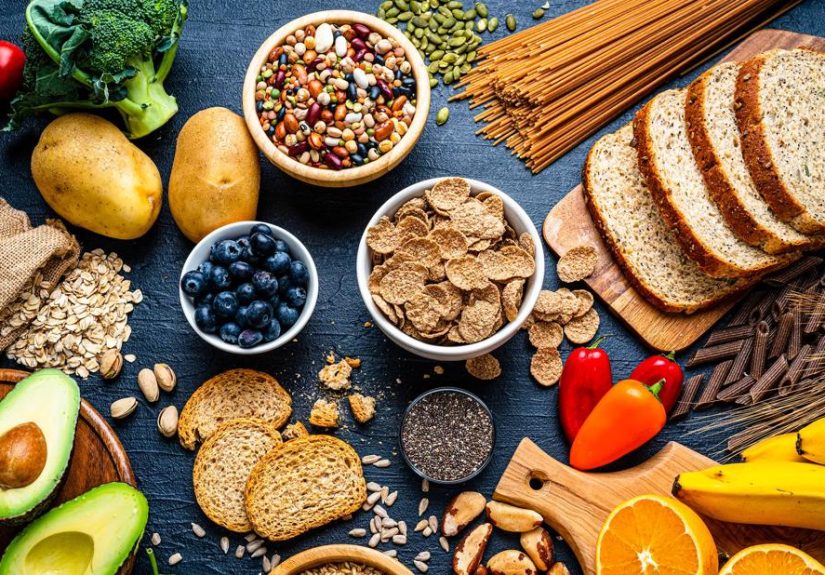
You don’t need a perfect diet. You need a repeatable one. ChatGPT can help you build a simple strategy:
1) Protein, fiber, and minimally processed basics
Many U.S. nutrition authorities discuss protein needs in ranges (for example, common baselines like 0.8 g/kg/day for adults, with higher needs often discussed for active people depending on goals). Practical version: include a quality protein source at most meals, plus fruits/vegetables and high-fiber carbs when they fit your goal.
2) Meal planning that matches your life
Ask for “3 breakfasts, 3 lunches, 3 dinners” you can rotate, with a grocery list and 15-minute prep options. If you travel or eat out a lot, ask for “restaurant ordering rules” (e.g., protein + produce first, sauces on the side, liquid calories watch-out).
3) Common-sense tracking
If tracking triggers stress, don’t do it. If it helps you learn, try “training wheels tracking”: track 2–3 days/week, or track only protein and steps. ChatGPT can create a simple checklist-style tracker that doesn’t feel like an accounting internship.
Recovery, sleep, and the “I did too much on Monday” problem
ChatGPT can help you avoid the classic pattern: go hard → get wrecked → disappear for 10 days → “start fresh” next Monday (again).
Use a recovery rule
- Green day: you feel good → follow the plan.
- Yellow day: low energy → reduce volume (fewer sets) or intensity (lighter weight).
- Red day: sick, sharp pain, dizziness → rest and seek medical advice if needed.
You can tell ChatGPT: “I’m having a yellow day. Modify today’s workout to 25 minutes, low impact, full body.”
Safety and privacy: don’t let convenience make you careless
Safety checklist before you “trust the plan”
- If you have a health condition, are pregnant/postpartum, or are new to exercise, consider getting clearance and/or a plan from a professional.
- Stop if you feel chest pain/pressure, severe dizziness, fainting, or unusual shortness of breath.
- Use conservative progressions. Form first, load second, ego never.
Privacy reality check
Health and fitness data can be sensitive. U.S. regulators have highlighted that health apps and connected devices may collect and share personal health information, and that certain companies have notification obligations if breaches occur. Practical advice: don’t share more personal detail than needed, review privacy settings, and treat your fitness data like you treat your email password (i.e., not as a party favor).
The best ChatGPT prompts for fitness (steal these)
- “Ask me 10 questions to design a safe beginner plan. Then build it.”
- “Make me a 3-day gym plan using progressive overload and 45-minute sessions.”
- “Give me a 20-minute ‘busy day’ workout that still supports my goal.”
- “Create a warm-up for squat day and explain what each move does.”
- “I missed two workouts this week. Adjust next week realistically without punishing me.”
- “Design a walking plan that increases weekly steps gradually.”
- “Plan high-protein meals for a picky eater who hates cooking.”
- “Create a simple workout log template and a weekly check-in script.”
- “Explain progressive overload using examples for dumbbells and bodyweight.”
- “Help me troubleshoot: I’m always sore and my motivation drops after 2 weeks.”
A realistic 4-week roadmap (example)
Week 1: Baseline and consistency
- Do the minimum plan (2–3 strength sessions, 2–3 walks).
- Track how you feel, not just what you do.
- Pick two habits: bedtime routine + protein at breakfast.
Week 2: Add a small challenge
- Add 1–2 reps per set on major lifts.
- Add 10 minutes of walking on two days.
- Meal prep one “fallback” dinner.
Week 3: Progress and personalize
- Add a little load (or a set) to 1–2 lifts.
- Use a “yellow day” option once to practice flexibility.
- Improve one thing: hydration, fiber, or steps consistency.
Week 4: Consolidate (and don’t sabotage yourself)
- Keep form clean, reduce intensity slightly if needed.
- Compare baseline to now: strength, energy, steps, consistency.
- Ask ChatGPT to build your next 4-week block based on your log.
Experiences: what using ChatGPT like an AI personal trainer feels like in real life (500-ish words)
Here’s the part nobody tells you: using an AI coach isn’t a “lights out, montage music, instant glow-up” situation. It’s more like having a very organized friend who keeps handing you sticky notesexcept the sticky notes are workouts, grocery lists, and gentle reminders that you did say you wanted to train this week.
Experience #1: The “I need a plan by lunchtime” win
A lot of people start with panic energy: they join a gym, stare at the machines like they’re decoding hieroglyphics, then go home and do nothing. With ChatGPT, the first win is speed. You can say, “I have dumbbells, 30 minutes, and I’m a beginnerwhat do I do today?” and get a simple plan in seconds. The best part isn’t perfection; it’s that you stop wasting brainpower and start moving. The plan becomes your “default answer” when motivation is missing.
Experience #2: The “chaotic week” save
Real life loves surprise plot twists: travel, deadlines, family stuff, weather, a mysterious couch that becomes extra gravitational on Wednesdays. This is where AI coaching feels magical. You can paste your schedule and ask for two versions: “normal week” and “chaotic week.” Suddenly, you have a 20-minute hotel routine, a no-equipment workout, and a walking goal that doesn’t require a complete personality change. People often find this reduces guilt because the plan expects life to happen.
Experience #3: The confidence boost (and the humility check)
ChatGPT is great at explaining training concepts in plain English. When you finally understand progressive overload, warm-ups, and why random workouts don’t work, you feel in control. But you also learn humility: sometimes the AI suggests something that doesn’t fit your body, equipment, or experience. The “aha” moment is realizing you’re the coach-in-chief. You verify, you simplify, you adjust. The AI is the assistant, not the authority.
Experience #4: The “I’m stuck” troubleshooting session
After two or three weeks, many people hit the classic snag: soreness, boredom, or inconsistent sleep. This is where ChatGPT shines like a patient problem-solver. You describe what’s happening (“I’m sore for three days after leg day, and I’m skipping the next workout”), and it can suggest practical fixes: reduce volume, improve warm-up, add rest, adjust exercise choices, or change the weekly layout. The experience feels less like failure and more like iterationlike you’re upgrading a system instead of judging your willpower.
Experience #5: The small daily nudge that changes everything
Honestly, the biggest “AI personal trainer” benefit is consistency support. A weekly check-in, a simple log, and a few behavior prompts (“What’s the smallest version of this workout you can do today?”) can keep you moving when motivation isn’t showing up. It’s not glamorousbut it’s effective. And after a month, the results usually look like this: fewer missed workouts, better structure, and a lot less time spent wondering what to do.
Bottom line: ChatGPT won’t do the push-ups for you (rude), but it can remove the friction that stops you from startingand that’s often the difference between “I should” and “I did.”
Conclusion
ChatGPT can be a surprisingly useful “AI personal trainer” when you treat it like a smart assistant: it helps you plan, track, adapt, and stay consistent with fitness fundamentals like regular movement, strength training, progressive overload, and recovery. The key is using it responsiblyprioritizing safety, verifying advice when needed, and leaning on qualified professionals for medical issues or complex conditions. If you want a fitness plan that fits your real life (not your fantasy life), AI can help you build itand actually stick to it.