Table of Contents >> Show >> Hide
- Quick Snapshot (For Busy Humans)
- What Is a Gunite Pool, Exactly?
- How a Gunite Pool Is Built (Step by Step)
- Gunite Pool Cost in the U.S.: What You’ll Pay and Why
- Materials and Finishes: What You See (and Feel) Matters
- Gunite vs. Fiberglass vs. Vinyl Liner: A Practical Comparison
- Maintenance and Ownership Costs: The Part Nobody Posts on Instagram
- Cracks, Leaks, and Resurfacing: What to Expect Over Time
- How Long Does It Take to Build a Gunite Pool?
- Buying Smarter: Questions to Ask Before You Sign
- Real-World Experiences (500+ Words): What Owning a Gunite Pool Actually Feels Like
- Conclusion: Is a Gunite Pool Worth It?
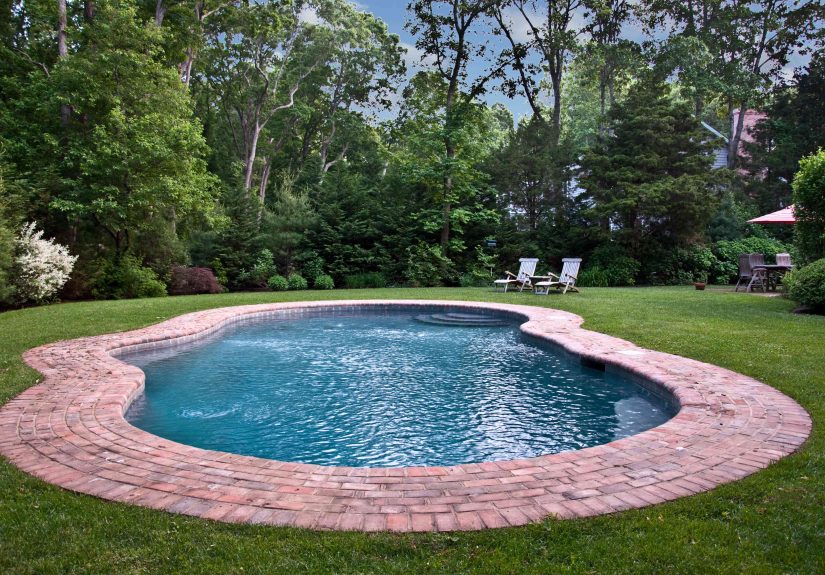
If you’ve ever stood in someone’s backyard staring at a gorgeous, curvy, resort-looking pool and thought,
“Wow… this is definitely not the inflatable donut I bought during a heat wave,” you were probably looking at
a gunite pool.
Gunite pools are the custom-built “tailor-made suit” of inground pools: flexible in shape, tough as nails,
and priced accordingly. In this guide, we’ll break down what gunite is, how these pools are built, what they
actually cost in the U.S., which finishes last longest, and what owning one feels like after the first
“new pool smell” fades (yes, that’s a thingkind of).
Quick Snapshot (For Busy Humans)
- Best for: Custom shapes, built-in spas, premium looks, long-term homes
- Typical U.S. installed cost: Often tens of thousandscommonly around the $65k–$120k+ range, but can go much higher with upgrades
- Timeline: Usually several weeks to a few months depending on permits, weather, and complexity
- Big “gotcha”: The concrete shell lasts a long time, but the interior finish needs resurfacing eventually
What Is a Gunite Pool, Exactly?
“Gunite” is a type of pneumatically applied concrete used to create the structural shell of many concrete pools.
It’s typically a blend of cement and sand that’s propelled through a hose and applied under pressure to a framework
reinforced with steel rebar. In short: your pool starts life as a hole in the ground, then gets a steel skeleton,
then gets “sprayed into existence” as a rock-solid shell.
Gunite vs. Shotcrete: Same Family, Different Recipe
These terms get used interchangeably in everyday pool talk, but the main difference is when water is added.
Gunite is commonly described as a “dry-mix” process where water is introduced at the nozzle during application, while
shotcrete is generally “wet-mix” where water is added before it’s sprayed. Both fall under the umbrella of “shotcrete”
in technical standards, and both can produce durable pool shells when installed correctly.
How a Gunite Pool Is Built (Step by Step)
A gunite pool is not a weekend DIY project unless your weekend plans include heavy equipment, engineering expertise,
and a friendly relationship with your city’s permitting office.
1) Design, Engineering, and Permitting
This is where the shape, depth, steps, tanning ledges, spa integration, and equipment layout get finalized. Permitting
can be a major wild card depending on where you live, and it often affects the timeline more than the actual digging.
2) Excavation
The pool “hole” gets dug, and soil conditions matter a lot here. Rocky soil, groundwater issues, tight access, and
sloped yards can all raise costs and slow the build.
3) Steel (Rebar) and Plumbing Rough-In
The crew builds a rebar grid (the pool’s structural skeleton), then installs plumbing lines for skimmers, returns,
main drains, water features, and spa jets (if you’re going fancyno judgment).
4) Gunite Application (The Big Day)
Gunite gets sprayed onto the rebar framework to form the pool shell. This step is fast, intense, and strangely
mesmerizing to watch. It’s also one of the most quality-sensitive stagescrew skill matters.
5) Curing
Concrete needs proper curing to reach strength and reduce shrinkage cracking. Many builders emphasize controlled
curing practices, and timelines vary by climate and project schedule. This is one reason “rushing the build” is a
terrible planunless you enjoy paying twice.
6) Tile, Coping, Decking, and Hardscape
Next comes the “this is starting to look like a pool” phase: waterline tile, coping (the edge cap), decking, and
surrounding features.
7) Interior Finish (Plaster/Quartz/Pebble/Tile)
The finish is what your feet touch. It affects color, texture, durability, and how often you’ll resurface.
A new plaster finish also comes with a startup period where water chemistry and brushing are especially important.
8) Fill, Startup, and Swim
The pool is filled, equipment is turned on, chemistry is balanced, and you officially gain the right to say:
“We should have done this years ago.” (This is typically followed by: “Wait, how do I test alkalinity?”)
Gunite Pool Cost in the U.S.: What You’ll Pay and Why
Let’s talk moneybecause the pool builder will, and your wallet deserves emotional support.
Gunite pools are usually the most expensive type of residential inground pool because they’re custom-built on site,
labor-intensive, and often paired with premium upgrades.
Typical Cost Ranges (Reality Check Included)
In U.S. cost guides, gunite/concrete pool installations commonly land in a broad bandoften
starting around the mid five figures and frequently reaching $100,000+,
depending on size, site complexity, and features. National averages for inground pools overall can cluster around
the mid-$60k range in many datasets, but gunite often runs higher than vinyl and sometimes higher than fiberglass
once customization ramps up.
Cost Per Square Foot (Helpful, But Not the Whole Story)
Some estimates break gunite pools into price-per-square-foot ranges. This can be useful for early planning, but
remember: spas, retaining walls, stairs, automation, heaters, lighting, and “I want it to look like Santorini”
can turn a basic estimate into a whole new number.
What Drives Gunite Pool Pricing?
- Size and depth: More digging, more steel, more concrete, more finish.
- Shape complexity: Freeform curves and custom features typically increase labor.
- Soil and access: Rock, groundwater, slope, narrow gates, and crane access can add real cost.
- Finish choice: Basic plaster vs. quartz vs. pebble vs. tile changes both upfront and long-term cost.
- Upgrades: Spa, water features, fire bowls, automation, salt systems, lighting, heaters, covers.
- Hardscape and landscaping: Decking, drainage, fencing, outdoor kitchens, retaining walls.
- Location: Labor rates and demand vary dramatically by state and metro area.
Sample Budgets (Three Realistic Scenarios)
| Scenario | What You’re Getting | What Typically Pushes Cost Up |
|---|---|---|
| Basic Custom Gunite | Simple shape, standard plaster, essential equipment, modest decking | Site access, permits, excavation surprises, upgraded decking |
| Mid-Range “Forever Home” | Quartz/pebble finish, nicer tile/coping, upgraded lighting, better equipment | Automation, heater, larger deck, landscaping, drainage |
| High-End Resort Build | Integrated spa, water features, premium finish, extensive hardscape | Complex engineering, premium materials, outdoor living additions |
Tip: ask builders what’s included in the quote. Some pricing is “pool shell only,” while other bids are closer to
“turnkey” (pool + equipment + decking + startup). Those are very different worlds.
Materials and Finishes: What You See (and Feel) Matters
The gunite shell is the structure, but the interior finish is where owners notice daily differences:
texture underfoot, resistance to staining, how the water color looks in sunlight, and how soon you’ll be resurfacing.
Common Finish Types
- White plaster: Classic, smooth, often the most budget-friendly, but can stain and wear sooner.
- Quartz: Adds durability and color options; typically outlasts basic plaster.
- Pebble (aggregate): Often longer-lasting and more stain-resistant; texture is more “natural” and can feel more grippy.
- Tile: Premium look and longevity, usually at a premium price and labor cost.
How Long Do Finishes Last?
The shell can last for decades, but finishes are consumable over time. Many owners plan on resurfacing roughly
once per decade or so, depending on finish type, chemistry maintenance, climate, and use. Premium finishes can
stretch that timeline, while neglected water chemistry can shorten it fast.
New Finish Startup: The “Don’t Wing It” Month
Fresh plaster finishes are often associated with a startup period where consistent brushing, careful water chemistry,
and avoiding certain automated cleaning practices may be recommended. This early care helps the finish cure properly
and reduces issues like plaster dust and uneven curing.
Gunite vs. Fiberglass vs. Vinyl Liner: A Practical Comparison
The “best pool” is the one that fits your yard, budget, and tolerance for maintenance chores.
Here’s the plain-English comparison:
Gunite (Concrete)
- Pros: Most customizable shapes, can integrate spas and features beautifully, premium look, strong shell.
- Cons: Often highest upfront cost, longer build time, surface can be more maintenance-sensitive, resurfacing required eventually.
Fiberglass
- Pros: Faster installation in many cases, smooth surface, often lower maintenance due to non-porous gel coat.
- Cons: Limited shapes/sizes (molded shells), access constraints for delivery, less “custom architecture” flexibility.
Vinyl Liner
- Pros: Often lower upfront cost, smooth surface.
- Cons: Liners need replacement periodically, puncture risk, fewer high-end design options.
Maintenance and Ownership Costs: The Part Nobody Posts on Instagram
A gunite pool can be a backyard masterpiecebut it’s still a water-filled system with chemistry, filtration,
cleaning, and energy use. Many homeowners budget an annual maintenance range in the low-thousands for ongoing care,
influenced by climate, whether you hire weekly service, and how much equipment (heaters, pumps, automation) you run.
Why Gunite Maintenance Can Feel “Higher”
- Surface texture and porosity: Concrete finishes can be more prone to algae adhesion if chemistry slips.
- Brushing: Many gunite pools benefit from regular brushing to prevent buildup.
- Chemistry discipline: Balanced water helps protect finishes and equipment and reduces staining/etching.
Common Ongoing Expenses
- Chemicals (or salt system maintenance)
- Electricity for circulation and cleaning
- Filter cleaning/replacement
- Occasional repairs (valves, lights, pumps)
- Seasonal opening/closing (in colder climates)
Cracks, Leaks, and Resurfacing: What to Expect Over Time
Yes, gunite pools can crack. Concrete is strong, but it’s not magicsoil movement, freeze-thaw cycles, improper
installation, or drainage issues can create problems. Not every crack is structural, but any crack paired with
unexplained water loss deserves professional evaluation.
Signs Your Pool May Need Resurfacing
- Rough spots that feel like sandpaper (or like your pool is quietly plotting revenge on your toes)
- Persistent staining that won’t brush out
- Visible crazing/cracking in the finish
- More chemical demand than usual (after ruling out other causes)
- Chalking or flaking finish material
Resurfacing Cost (Typical Ballpark)
U.S. cost guides often place pool resurfacing in a broad range that depends on pool size and the finish you choose.
Basic resurfacing can be thousands, while premium finishes can climb significantly higher. Many homeowners encounter
a common “middle zone” cost range, especially for plaster-based refreshes, but special prep (like paint removal) and
repairs can increase the total.
How Long Does It Take to Build a Gunite Pool?
If someone promises a fully custom gunite pool in two weeks, you should smile politely and back awayslowlylike you
just realized they also sell “oceanfront property” in Nebraska.
Many builders describe timelines ranging from several weeks to a few months. A realistic timeframe often includes
scheduling, inspections, and permit approvalnot just construction steps. Weather delays, material availability,
and municipal processes can extend the schedule.
Buying Smarter: Questions to Ask Before You Sign
Gunite pools are a serious investment. A smart buyer doesn’t just pick tile samples and hope for the bestyou want
clarity on workmanship, materials, and what’s included.
Builder and Build-Quality Questions
- Who does the gunite/shotcrete workyour crew or a specialist subcontractor?
- What strength specs and application standards do you follow?
- How do you handle curing?
- What rebar schedule and thickness are you using, and is it engineered for my soil conditions?
- How do you manage drainage around the pool to reduce soil movement issues?
- What warranty applies to the shell vs. the finish vs. equipment?
Ownership Questions
- What finish do you recommend for my climate and usageplaster, quartz, pebble, or tile?
- What maintenance routine will best protect that finish?
- What should I budget for annual maintenance and periodic resurfacing?
Real-World Experiences (500+ Words): What Owning a Gunite Pool Actually Feels Like
Let’s get real: a gunite pool is part luxury, part routine, and part “why is there a leaf in here five minutes
after I cleaned it?” To make this section useful, here are composite experiences that reflect what many U.S.
homeowners and pool pros commonly reportespecially after the honeymoon phase wears off.
The First Month: “We’re Basically a Resort Now”
The early days are pure joy. Friends show up more often. Neighbors suddenly wave. Your backyard becomes the default
hangout spot. If you chose a fresh plaster finish, the first month can also feel like a crash course in pool care.
Owners often discover that “balancing water chemistry” isn’t a vibeit’s a practice. Many learn to test water
consistently, brush more than expected, and avoid shortcuts that can stain or roughen a new finish. This is also
when people realize that a pool has a personality: some stay crystal clear with minimal effort, while others act
dramatic if you skip a week of brushing.
Year One: “The Pool Is Perfect… and Now I Notice Everything”
Once the novelty settles, owners often become surprisingly observant. They can tell when the pump basket is slightly
clogged by the sound. They know exactly which corner gets the most debris. They learn that landscaping choices matter:
certain trees are basically leaf cannons, and pollen season is not a rumorit’s an annual event. Many owners who
installed automation say it feels like a quality-of-life upgrade more than a luxury: fewer “oops” moments and more
predictable water.
This is also when budgeting becomes clearer. The cost of electricity, the occasional replacement part, the extra
water during hot months, and professional service (if hired) become part of the household rhythm. People who budgeted
only for installation sometimes feel surprised; people who planned for ownership costs tend to feel calm and smug
(as they should).
Years 3–7: “Maintenance Is Either Easy… or It’s Your New Hobby”
Over time, the biggest difference between “easy pool ownership” and “why do I own a chemistry set?” often comes down
to consistency. Owners who keep water balanced, brush occasionally, and address small problems quickly (like a minor
stain or a slow leak) typically report fewer major headaches. Owners who let chemistry drift, ignore early warning
signs, or run equipment irregularly are more likely to deal with algae blooms, staining, or premature wear on the
finish.
Climate plays a role too. Freeze-thaw regions can be harder on concrete structures if drainage and winterization
aren’t handled well. Hot, sunny climates may accelerate certain types of surface wear. And then there are the
“surprise variables,” like heavy rain seasons that throw water balance off, or new landscaping that introduces more
debris than expected.
Years 8–15: “Okay, It Might Be Time to Resurface”
Many gunite pool owners eventually reach a point where the structure is still solid, but the surface looks tired:
rough patches, discoloration, stubborn stains, or a finish that just doesn’t sparkle like it used to. This is where
resurfacing becomes a planned upgrade rather than an emergency. Owners who chose more durable finishes often go longer
before resurfacing, while basic plaster may need attention soonerespecially if chemistry wasn’t kept in range.
The common emotional arc here is funny and predictable: first, mild denial (“It’s fine.”); then research (“Wait, plaster
can last how long?”); then acceptance (“We’re resurfacing.”); and finally relief (“Why didn’t we do this sooner?”).
Many owners say resurfacing feels like getting a brand-new pool without rebuilding the whole thing.
Conclusion: Is a Gunite Pool Worth It?
A gunite pool is often the right choice when you want maximum design freedom, a premium look, and a pool that can grow
into a true backyard destinationespecially for long-term homeowners. The trade-offs are real: higher upfront cost,
a longer build timeline, and the responsibility of ongoing care (plus future resurfacing).
If you love the idea of a custom shape, integrated spa, and finishes that can make your water look like a boutique
hotel brochure, gunite is hard to beat. Just go in with eyes open, ask smart questions, budget for ownershipnot just
installationand your pool can stay beautiful for the long haul.