Table of Contents >> Show >> Hide
- Is It OK If a Baby Rolls Over in Sleep?
- What to Do When Your Baby Starts Rolling in Sleep
- Do You Need to Roll Your Baby Back Over?
- What If My Baby Rolls Onto Their Stomach and Sleeps Better?
- How to Make Sleep Safer During the Rolling Stage
- When to Call the Pediatrician
- Common Questions Parents Ask
- The Real-Life Parent Experience: What This Stage Actually Feels Like
- Final Takeaway
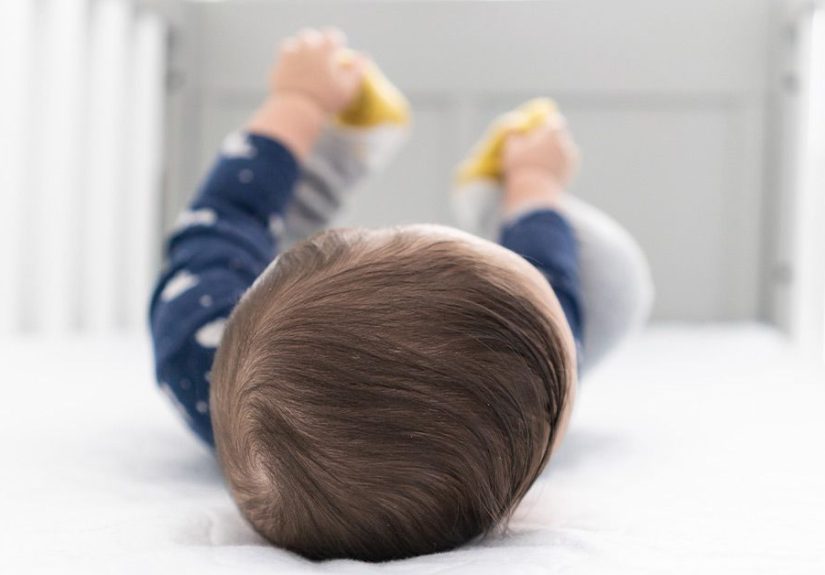
If your baby has started rolling over in sleep, congratulations: you’ve reached one of parenting’s most exciting milestones and one of its most panic-inducing plot twists. One night you place your baby down like a neat little burrito on their back, and the next thing you know, they’ve flipped themselves over like a tiny gymnast with no regard for your blood pressure.
The good news is that baby rolling over in sleep is usually a normal part of development. The more important question is not “How do I stop this tiny acrobat?” but “How do I make sleep as safe as possible now that rolling is in the picture?” That is where safe-sleep basics matter more than ever.
In general, it is still safest to place your baby on their back for every nap and every nighttime sleep during the first year. But once a baby can roll independently, many pediatric experts say you usually do not need to stay up all night flipping them back over every time they move. Instead, your job becomes setting up a sleep space so boring, plain, and hazard-free that it would never trend on social media. And that is a compliment.
Is It OK If a Baby Rolls Over in Sleep?
Usually, yes. Rolling over is a normal developmental milestone, and many babies begin working on it around 4 to 6 months, though some start showing early rolling attempts sooner. If your baby rolls over on their own during sleep, that does not automatically mean something is wrong. In fact, it often means your baby is getting stronger, more coordinated, and more interested in moving around.
Here is the key distinction: you should always place your baby down on their back to sleep. That remains the safest starting position for sleep. But if your baby gets there on their own after you have placed them safely on their back, it is generally considered acceptable to let them stay in the position they assumed, provided the sleep space is safe.
That means a firm, flat mattress, a fitted sheet, and absolutely no pillows, loose blankets, crib bumpers, stuffed animals, positioners, wedges, or other “helpful” extras. A baby who rolls onto their stomach in a clean, hazard-free crib is in a very different situation from a baby who rolls into soft bedding, a wedge, or a padded sleep nest.
Think of it this way: rolling itself is not the main problem. Unsafe sleep setups are the problem. The milestone isn’t the villain. The clutter is.
What to Do When Your Baby Starts Rolling in Sleep
1. Keep putting your baby down on their back
Even after your baby starts rolling, the rule does not change at the beginning of sleep: always start on the back. Do this for naps, bedtime, and even those “this is definitely not a real nap” 17-minute snoozes in the crib.
Some parents assume that once a baby can roll, it is fine to start putting them down on their side or stomach. It is not. The recommendation is still to begin every sleep on the back. If your baby then rolls into another position independently, that is different from an adult placing them there.
2. Stop swaddling as soon as rolling is on the horizon
This is a big one. If your baby is showing signs of trying to roll, actually rolling, or even doing that dramatic side-lean that makes you suspicious, it is time to stop swaddling. A swaddled baby who rolls can have a harder time lifting or repositioning themselves, which increases danger.
For many families, this is the real transition point. One week you are lovingly wrapping your baby like a tiny takeout order, and the next week you are introducing a sleep sack and hoping everyone adapts with minimal public crying. Yours included.
If your baby still likes the cozy feeling, consider a non-weighted wearable blanket or sleep sack that leaves the arms free. Avoid weighted swaddles, weighted sleep sacks, and weighted blankets for infants.
3. Strip the sleep space down to the basics
If your baby is rolling, the crib or bassinet should contain:
- A firm, flat sleep surface
- A tightly fitted sheet
- Your baby, dressed appropriately for the room temperature
That is the whole guest list. No decorative blankets. No plush toys. No head-positioning gadgets. No bumpers. No little pillows shaped like clouds, stars, or your hopes and dreams.
The safer the sleep space, the less you have to panic when your baby changes position overnight.
4. Check whether your baby has outgrown the bassinet
Some babies start rolling before parents are emotionally prepared or before the bassinet gets the memo. But many bassinets have limits related to weight, mobility, or pushing up on hands. If your baby is showing rolling skills or approaching those manufacturer limits, it may be time to move to a crib or play yard that meets safe-sleep standards.
Always follow the product instructions for your specific sleep space. When in doubt, bigger and safer beats “but they look so tiny in the crib.”
5. Avoid gadgets that promise “safer” positioning
When parents get nervous about rolling, the internet has a habit of showing up with suspiciously confident solutions. Sleep positioners, wedges, nests, and inclined sleepers may look reassuring, but they are not the fix. In fact, some products marketed to keep babies in one position have been linked to suffocation risks or have been banned or warned against by U.S. regulators.
If a product promises to keep your baby from rolling, pin your baby into place, or improve sleep by raising the surface, that is your cue to back away slowly. Safe infant sleep is wonderfully unglamorous: flat, firm, empty, simple.
Do You Need to Roll Your Baby Back Over?
This is the question that launches a thousand late-night searches.
In most cases, no, you do not need to keep rolling your baby back over every time they flip during sleep, especially once they can roll independently. If you placed your baby on their back to begin with and they moved on their own, constantly repositioning them can turn into a miserable game of nocturnal ping-pong that helps no one.
That said, context matters. If your baby is newly experimenting with rolling, can get onto their stomach but seems unable to reposition at all, or keeps getting stuck against the side of the sleep space, talk with your pediatrician about the safest setup and next steps. Some sources emphasize that comfort rolling both ways is reassuring, while others focus on independent rolling more generally. The common thread is this: start on the back, stop swaddling, and keep the sleep environment clear and safe.
If your baby wakes up angry because they rolled and now regret their choices, that is not necessarily a safety problem. It may just be a developmental phase. Babies are famous for unlocking a new skill and then immediately becoming annoyed by having unlocked it.
What If My Baby Rolls Onto Their Stomach and Sleeps Better?
Many parents notice that once their baby can roll, tummy sleeping suddenly becomes the VIP lounge of sleep positions. The naps are longer. Bedtime is smoother. Everyone briefly considers sending a thank-you card to gravity.
But the recommendation remains the same: do not place your baby on their stomach to sleep. Always start on the back. If they roll there on their own, that is different. The distinction matters because babies who are accustomed to being placed on their backs have a lower sleep-related risk profile than babies who are routinely placed prone for sleep.
So yes, your baby may seem more comfortable on their stomach once they get there on their own. No, that does not mean you should start placing them that way. Babies are adorable, but they are not certified safety consultants.
How to Make Sleep Safer During the Rolling Stage
When rolling begins, these safe-sleep habits become especially important:
- Room-share without bed-sharing when possible, especially during the first 6 months.
- Use a firm, flat sleep surface such as a safety-approved crib, bassinet, or play yard.
- Keep the sleep area empty except for a fitted sheet.
- Dress your baby lightly and avoid overheating.
- Use a pacifier at sleep time if your baby accepts one, unless your pediatrician has told you otherwise.
- Make sure all caregivers follow the same rules, including grandparents, babysitters, and the very confident relative who says, “We did things differently back then.”
If your baby has reflux, it is still important not to improvise with wedges, elevating the mattress, or inclined sleepers unless a medical professional specifically tells you to do something different for a diagnosed condition. For most babies, back sleeping remains safest, even when spit-up makes parents nervous.
When to Call the Pediatrician
Rolling in sleep is usually normal, but there are times when it is worth checking in with your pediatrician:
- Your baby is swaddled and has started rolling or trying to roll
- Your baby seems unable to move their head or arms freely in sleep
- Your baby regularly gets stuck in an unsafe position or trapped against sleep products
- You are unsure whether your sleep space is still appropriate for your baby’s age and mobility
- Your baby has a medical condition, breathing issue, low muscle tone, or special sleep instructions
- Your gut tells you something is off
Parents are often told not to worry, but “don’t panic” is not the same as “don’t ask questions.” If you are unsure, ask. Pediatricians are very used to sleep questions because infant sleep can make otherwise rational adults google like raccoons at 3 a.m.
Common Questions Parents Ask
What age do babies usually roll over in sleep?
Many babies begin rolling around 4 to 6 months, but attempts can start earlier. Some babies surprise everyone by doing it sooner than expected, which is one more reason not to wait too long to rethink swaddling.
Should I use a sleep positioner to keep my baby on their back?
No. Sleep positioners and similar products are not recommended for routine sleep and can be dangerous.
Can my rolling baby still sleep in a bassinet?
Only if the bassinet instructions allow it. Many do not once a baby can roll, push up, or reaches a certain weight limit. Check the manual, not your optimism.
Are sleep sacks OK for a rolling baby?
Generally, yes, as long as the sleep sack is not weighted and does not restrict your baby’s arms. A wearable blanket is often a safer replacement for a swaddle once rolling starts.
What about naps in swings, loungers, or car seats?
Routine sleep should happen on a firm, flat sleep surface. If a baby falls asleep in a sitting device, move them to a safe sleep space as soon as practical and safe to do so.
The Real-Life Parent Experience: What This Stage Actually Feels Like
The rolling stage is one of those parenting chapters that sounds simple in theory and feels like a full-contact sport in real life. On paper, the advice is straightforward: place baby on the back, stop swaddling, clear the crib, breathe. In reality, many parents spend a week staring at the monitor like they are decoding government signals.
A very common experience goes something like this: your baby has been sleeping in a reasonably predictable way, and then suddenly they roll onto their stomach at 1:12 a.m. You freeze. You zoom the monitor in. You wonder whether blinking too hard could somehow make things worse. You tiptoe into the room, stare at your peacefully sleeping child, and realize the only one fully awake and spiraling is you.
Another common version is the “angry roller.” This baby desperately wants to roll, finally succeeds, and then acts shocked by the result. They wake themselves up, complain loudly, and demand that someone reverse the situation they personally created. Parents often spend several nights helping baby settle while the new skill becomes more familiar. That does not mean the baby is unsafe if the sleep setup is appropriate. It usually means development is messy and dramatic, which is very on-brand for babies.
Some parents also describe the emotional whiplash of ending the swaddle. One day the swaddle feels like a sleep miracle. The next day it feels like a lawsuit waiting to happen. Transitioning out of it can make sleep temporarily bumpier, but this is often just part of the adjustment. Plenty of babies need a few nights to figure out what to do with their suddenly free arms besides wave them around like tiny conductors leading an invisible orchestra.
Families with second or third children often say the rolling milestone feels different the next time around. With the first baby, every movement can feel like an emergency press conference. With later babies, parents are still careful, but a little less likely to interpret each roll as a breaking-news event. The sleep rules do not change, but confidence often does.
Perhaps the most reassuring shared experience is this: many parents discover that once they make the sleep space truly safe and stick to the back-to-sleep routine, their anxiety eases. Not instantly. Not magically. But enough to sleep again without checking the monitor every six minutes. And that matters, because exhausted parents need rest too.
If this is your current season, you are not overreacting, and you are definitely not the only one whispering, “Please just stay on your back,” into the darkness like it is a legally binding request. This stage is normal, often stressful, and very survivable. Good information, a safe crib, and a little patience go a long way.
Final Takeaway
If your baby is rolling over in sleep, the headline is reassuring: it is usually OK, as long as you still place your baby on their back to start every sleep and keep the sleep space flat, firm, and completely free of loose items. The rolling itself is usually a healthy milestone, not a reason to panic.
Your action plan is simple: start every sleep on the back, stop swaddling as soon as rolling begins or even looks likely, skip sleep gadgets that promise magic, and make sure the crib is as empty as a refrigerator before payday. If you have questions or your baby has special medical needs, check with your pediatrician. Otherwise, take a breath. Your baby is growing. And yes, they picked a stressful way to show it.