Table of Contents >> Show >> Hide
- What Are Carotenoids?
- Why Carotenoids Matter for Human Health
- Common Types of Carotenoids You Should Know
- Best Food Sources of Carotenoids
- Carotenoids vs. Supplements: What’s Better?
- Do You Need to Worry About Getting Too Much?
- How Cooking and Storage Affect Carotenoids
- Carotenoids and Long-Term Wellness
- Real-Life Experiences and Practical Insights with Carotenoids (Extended)
- Conclusion
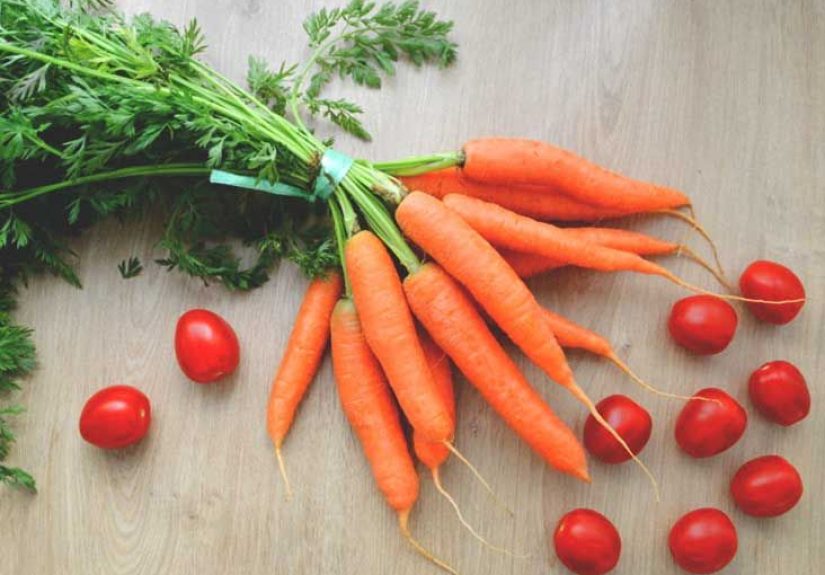
Color isn’t just decorationit’s information. The vibrant reds of tomatoes, the sunny orange of carrots, and the deep greens of spinach are visual clues pointing to a family of plant compounds that quietly work overtime for human health. Those compounds are carotenoids, and once you understand them, grocery shopping starts to feel a lot like preventive medicinewith better flavors.
This guide breaks down what carotenoids are, how they function in the body, where to find them, and why nutrition experts keep encouraging you to “eat the rainbow.” We’ll keep it science-backed, practical, and yesfriendly enough that you won’t feel like you’re reading a biochemistry textbook.
What Are Carotenoids?
Carotenoids are naturally occurring pigments found in plants, algae, and some bacteria. They’re responsible for many of the yellow, orange, red, and even dark green colors in fruits and vegetables.
From a nutritional standpoint, carotenoids are powerful phytonutrients. More than 600 carotenoids exist in nature, but only about 40 regularly show up in the human diet. Of those, a smaller group actually circulates in the bloodstream and accumulates in tissues.
Carotenes vs. Xanthophylls
Carotenoids fall into two main categories:
- Carotenes – Hydrocarbon-based carotenoids such as beta-carotene, alpha-carotene, and lycopene.
- Xanthophylls – Oxygen-containing carotenoids like lutein, zeaxanthin, and beta-cryptoxanthin.
This chemical difference may sound abstract, but it affects how these compounds behave in the bodyespecially in the eyes, skin, and brain.
Why Carotenoids Matter for Human Health
Carotenoids are best known for their antioxidant properties. Antioxidants help neutralize free radicalsunstable molecules that can damage cells and contribute to aging and chronic disease.
Provitamin A Activity
Some carotenoids, including beta-carotene, alpha-carotene, and beta-cryptoxanthin, are classified as provitamin A carotenoids. This means the body can convert them into vitamin A, which plays a critical role in:
- Vision and eye health
- Immune system function
- Skin integrity
- Cell growth and differentiation
Not all carotenoids become vitamin A, but the ones that do act as a steady, food-based source that avoids the toxicity risks associated with excessive retinol supplements.
Eye Health and Vision Protection
Lutein and zeaxanthin are superstar carotenoids when it comes to eye health. They accumulate in the maculathe central part of the retinaand help filter harmful blue light while reducing oxidative stress.
Diets rich in these carotenoids are associated with a lower risk of age-related macular degeneration and cataracts, two of the leading causes of vision impairment in older adults.
Heart and Metabolic Health
Carotenoids have been linked to improved cardiovascular markers, including healthier cholesterol profiles and reduced inflammation. Lycopene, in particular, has been studied for its potential role in supporting heart health.
While carotenoids aren’t a magic shield against heart disease, they’re an important part of dietary patterns associated with long-term cardiovascular resilience.
Skin Protection from the Inside Out
Think of carotenoids as nature’s internal sunscreenemphasis on “internal,” not “replacement.” Certain carotenoids accumulate in the skin and help protect against UV-induced damage, support skin elasticity, and even contribute to that healthy glow people often attribute to “good genetics.”
Common Types of Carotenoids You Should Know
Beta-Carotene
Found in carrots, sweet potatoes, and pumpkin, beta-carotene is the best-known provitamin A carotenoid. It’s also one of the easiest for the body to convert into vitamin A when needed.
Lycopene
Lycopene gives tomatoes their red color and has been widely researched for its association with prostate and cardiovascular health. Interestingly, cooked tomato products like tomato sauce often provide more bioavailable lycopene than raw tomatoes.
Lutein and Zeaxanthin
These are abundant in leafy greens like kale, spinach, and collard greens. They’re also present in egg yolks, where fat content enhances absorption.
Beta-Cryptoxanthin
Less famous but still valuable, beta-cryptoxanthin is found in oranges, papaya, and tangerines. It combines antioxidant activity with provitamin A benefits.
Best Food Sources of Carotenoids
The easiest way to increase carotenoid intake is simple: eat more colorful plants. Here’s a practical breakdown:
- Orange & Yellow: Carrots, sweet potatoes, butternut squash, mangoes
- Red: Tomatoes, watermelon, pink grapefruit
- Green: Spinach, kale, broccoli (green masks carotenoids underneath)
- Yellow-Green: Corn, peas, avocados
Pro tip: carotenoids are fat-soluble. Pair your veggies with healthy fats like olive oil, avocado, or nuts to boost absorption.
Carotenoids vs. Supplements: What’s Better?
Whole foods remain the gold standard. Research consistently shows that carotenoids consumed through food perform better than isolated supplements, likely due to synergy with other nutrients.
High-dose beta-carotene supplements, particularly in smokers, have even been associated with increased health risks. Translation: carrots are your friend; megadoses in pill form, not so much.
Do You Need to Worry About Getting Too Much?
Carotenoid toxicity from food is extremely rare. In some cases, excessive beta-carotene intake can cause carotenemiaa harmless condition where skin develops a yellow-orange tint. It’s cosmetic, reversible, and not dangerous.
Your body is remarkably good at regulating carotenoid conversion based on need.
How Cooking and Storage Affect Carotenoids
Contrary to popular belief, cooking doesn’t always reduce nutrient value. In fact, light cooking can improve carotenoid bioavailability by breaking down plant cell walls.
- Raw carrots: high beta-carotene content, lower absorption
- Cooked carrots with oil: slightly lower content, significantly higher absorption
Balance raw and cooked vegetables to get the best of both worlds.
Carotenoids and Long-Term Wellness
Carotenoids aren’t a quick fixthey’re part of a long game. Diets rich in carotenoid-containing foods are consistently linked with lower risks of chronic conditions, improved aging outcomes, and better overall vitality.
If nutrition had a “compound interest” category, carotenoids would be firmly in it.
Real-Life Experiences and Practical Insights with Carotenoids (Extended)
Over the years, many people notice unexpected changes once they start eating more carotenoid-rich foods. A common experience is improved skin tone. People don’t necessarily wake up glowing overnight, but after a few weeks of consistent intakeespecially from leafy greens and orange vegetablesfriends start asking if they’re “doing something different.” Technically, they are. They’re eating their vegetables.
Another frequently reported experience involves vision comfort. Individuals who spend long hours staring at screens often describe less eye fatigue after increasing their intake of lutein- and zeaxanthin-rich foods. While this isn’t a replacement for proper screen habits or eye care, it’s a noticeable lifestyle upgrade.
Parents introducing more carotenoid-rich foods to children often discover something interesting: presentation matters. Bright colors on a plate make vegetables more approachable. Sweet potatoes cut into fries or spinach blended into smoothies often get better acceptance than expected. Sometimes carotenoids work best when they quietly sneak into meals.
Older adults frequently report improvements in energy and recovery when their diet includes more whole fruits and vegetables. While carotenoids aren’t stimulants, they contribute to cellular healthsomething people often describe as feeling “more balanced” or “less run down.”
There’s also a mindset shift that comes with understanding carotenoids. Grocery shopping becomes intentional. Instead of random produce choices, people start scanning for color diversity: red, orange, deep green, bright yellow. Meals look better, taste better, and feel more purposeful.
For athletes and active individuals, carotenoids may support recovery by helping manage oxidative stress. While no food cancels out overtraining, diets high in carotenoids often align with better training consistency and fewer nagging issues.
Perhaps the most valuable experience of all is sustainability. Carotenoids don’t require special powders, rigid plans, or expensive products. They show up in familiar foods, adapt to different cuisines, and reward consistency rather than perfection.
When people stop chasing nutrition trends and simply focus on colorful, whole foods, carotenoids become a silent partner in long-term healthno hype required.
Conclusion
Carotenoids are proof that nutrition doesn’t have to be complicated to be powerful. They’re accessible, well-researched, and deeply integrated into how the body protects and maintains itself. Eat more color, add a little healthy fat, and let plants do what they’ve been doing for millions of yearssupport life.