Table of Contents >> Show >> Hide
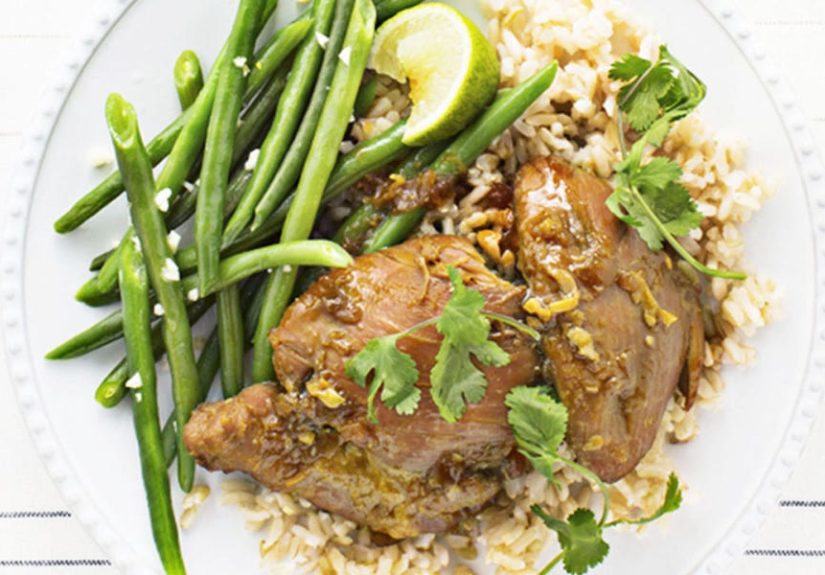
If comfort food and bold flavor had a very delicious meeting, it would probably look like chicken adobo over gingery rice. You get savory, tangy, garlicky chicken with a glossy sauce, then pile it over warm rice that smells like ginger and good decisions. It is weeknight-friendly, meal-prep-friendly, and “why does my kitchen smell amazing?” friendly.
This version is built for home cooks who want the soul of Filipino-style adobo with a practical, modern flow: simple ingredients, clear timing, and enough technique to help you avoid the usual mistakes (like watery sauce or mushy rice). You will also get flavor analysis, variations, and storage tips so the dish tastes just as good tomorrow.
Why This Dish Works So Well
Chicken adobo is beloved for a reason: the flavor architecture is simple but powerful. The backbone is a braising liquid built around soy sauce and vinegar, then layered with garlic, bay leaves, and black peppercorns. As the chicken simmers, the sauce turns from sharp and punchy into rounded, savory, and deeply aromatic. It is one of those dishes that tastes like you worked harder than you did.
Putting adobo over gingery rice is not just a nice ideait is a strategic move. Ginger adds warmth and fragrance that lifts the richness of the sauce. Rice also acts like a built-in flavor sponge, which is exactly what you want when you have a glossy adobo sauce on the stove and no patience for waste.
Recipe Overview
Yield: 4 servings
Time: About 1 hour 15 minutes (plus optional marinating time)
Ingredients for the Chicken Adobo
- 2 pounds boneless, skinless chicken thighs (or bone-in thighs if you prefer)
- 1/2 cup low-sodium soy sauce
- 1/2 cup rice vinegar (or Filipino cane vinegar if available)
- 1/2 cup water or low-sodium chicken broth
- 1 medium yellow onion, chopped
- 6 garlic cloves, smashed
- 1 tablespoon fresh ginger, grated
- 2 to 3 bay leaves
- 1 1/2 teaspoons whole black peppercorns
- 1 to 2 tablespoons brown sugar (optional, for balance)
- 1 teaspoon lime juice (optional, for brightness at the end)
Ingredients for the Gingery Rice
- 1 1/2 cups jasmine rice (or brown rice if you want a nuttier base)
- 1 tablespoon grated fresh ginger
- 1 small bay leaf (optional but excellent)
- 1 teaspoon kosher salt
- 1/2 teaspoon black pepper
- 2 1/4 cups water (adjust if your rice brand calls for a different ratio)
- 1 teaspoon sugar (optional, for a subtle fragrant finish)
Optional Add-Ons
- Steamed green beans with garlic and lime
- Sliced scallions
- Extra black pepper
- Lime wedges
- Crispy garlic chips
How to Make Chicken Adobo Over Gingery Rice
Step 1: Build the Adobo Base
In a large non-reactive bowl or Dutch oven, combine soy sauce, vinegar, water (or broth), onion, garlic, ginger, bay leaves, peppercorns, and brown sugar (if using). Add the chicken and toss to coat.
You can cook immediately, but if you have time, marinate for 30 minutes to overnight in the refrigerator. Longer marinating develops flavor, but a no-marinate version still works beautifully. If marinating, keep everything in the fridge and use a covered non-reactive container.
Step 2: Simmer the Chicken
Transfer the chicken and marinade to a pot if needed. Bring to a gentle boil over medium-high heat. Once it starts bubbling, reduce to a steady simmer and cook uncovered for 30 to 40 minutes, stirring occasionally after the liquid has come up to temperature.
The chicken is done when it is tender and reaches 165°F in the thickest part. If you are using bone-in thighs, it may take a bit longer. The sauce should reduce noticeably and start looking glossy instead of watery.
Step 3: Make the Gingery Rice
While the chicken cooks, rinse the rice if you are using jasmine, basmati, or another non-enriched rice and you want fluffier grains. Place the rice in a mesh strainer or bowl, rinse until the water is mostly clear, and drain well.
In a saucepan, combine water, ginger, salt, pepper, bay leaf, and optional sugar. Bring it to a boil for 1 to 2 minutes to infuse the water. Stir in the rice, reduce heat to low, cover, and cook until tender (about 15 to 18 minutes for jasmine; longer for brown rice). Turn off the heat and let it sit covered for 10 minutes, then fluff with a fork.
Step 4: Reduce and Finish the Sauce
If the sauce is still thin, remove the chicken to a plate and simmer the sauce for 5 to 10 more minutes until it thickens enough to coat the back of a spoon. Taste and adjust: a little sugar can soften sharp acidity, and a small squeeze of lime can brighten a sauce that tastes too heavy.
Return the chicken to the pot and spoon the sauce over it. Serve the chicken over the gingery rice and top with scallions, extra pepper, or crispy garlic if you are feeling fancy on a Tuesday.
Flavor Analysis and Pro Tips
1) The Tangy-Salty Balance Matters
The biggest adobo question is usually this: “Why does mine taste too sharp?” The answer is almost always balance. Vinegar is the star, but soy sauce brings salt and umami, and a small amount of sugar can round the edges without making the dish sweet. If your sauce tastes harsh, reduce it a bit longer before adding more sugar. Time often fixes what panic tries to fix with extra ingredients.
2) Ginger Should Support, Not Take Over
Ginger in the adobo and rice creates a layered effect. In the chicken, it adds warmth and a subtle bite. In the rice, it acts like a fragrance bridge between the grains and the sauce. The goal is “wow, this smells incredible,” not “surprise, this is ginger soup.” Stick to moderate amounts and grate it finely so it disperses well.
3) Keep the Peppercorns Whole
Whole black peppercorns are classic in many adobo versions because they perfume the braising liquid without muddying it. If you love bold pepper flavor, leave them in. If not, strain them out before serving. Either approach is legitimate and your dinner will not file a complaint.
4) Rice Choice Changes the Personality
Jasmine rice gives a softer, more aromatic base and feels extra cozy with ginger. Brown rice adds chew and nuttiness and stands up well to a punchy sauce. If you use enriched American long-grain rice, check the package before rinsingsome enriched rice is designed to be cooked without rinsing.
5) Sauce Texture Is the Finish Line
A good adobo sauce should look shiny and cling lightly to the chicken. If it is thin and brothy, it may still taste good, but it will not hit the same. Reducing the sauce for a few extra minutes is often the difference between “nice dinner” and “please make this again tomorrow.”
Smart Variations You Can Try
Coconut Adobo Style
Some cooks add coconut milk to the braising liquid for a richer, silkier sauce. This softens the vinegar’s bite and creates a more luxurious texture. If you want to try it, replace part of the water with 1/2 cup coconut milk. It is especially good with bone-in thighs.
Crispy Chicken Finish
For more texture contrast, braise the chicken until tender, then briefly broil or pan-sear it before returning it to the reduced sauce. This gives you crisp edges and all the flavor of adobo without losing that saucy goodness.
Weeknight Shortcut
If you are short on time, skip the marinating and go straight to simmering. The dish will still be flavorful because adobo builds most of its character in the braise. You can also make the rice in a rice cooker while the chicken cooks on the stove.
Serving Ideas
This dish is excellent on its own, but a crunchy or green side makes it feel complete. Try steamed green beans with garlic and lime, a quick cucumber salad, or sauteed bok choy. The adobo sauce is strong and savory, so pair it with sides that are fresh, simple, and not too salty.
If you are serving guests, spoon the rice onto a platter, top with the chicken, and drizzle the sauce over everything. It looks dramatic, smells amazing, and makes people think you planned your life better than you did.
Storage and Reheating Tips
Adobo is one of those magical dishes that often tastes even better the next day. Store the chicken and rice in separate airtight containers when possible so the rice does not get overly soft.
- Refrigerate leftovers promptly (within 2 hours of cooking, or sooner if the room is hot).
- Use refrigerated leftovers within 3 to 4 days.
- Reheat chicken and rice thoroughly to 165°F.
- If freezing, use tight containers to protect quality and reduce freezer burn.
A quick rice note: cooked rice is delicious, but it is not a “let it sit on the counter all afternoon and hope for the best” food. Cool it quickly, refrigerate it, and reheat it thoroughly. Future-you will be grateful.
500-Word Kitchen Experience Notes
Home cooks who make chicken adobo over gingery rice for the first time often notice the same thing: the aroma changes in stages. At the beginning, the vinegar smell is sharp and loud, almost like the sauce is trying to prove a point. A few minutes later, the garlic and peppercorns start to round it out, and by the time the chicken is nearly done, the kitchen smells savory, deep, and warm. That transformation is part of the fun. It is a dish that teaches patience without making you wait all day.
Another common experience is learning how much sauce texture matters. A lot of people assume the dish is ready as soon as the chicken is cooked through, but the sauce is where the magic lands. When it reduces properly, it turns glossy and clings to the meat. Spoon that over rice and the whole dish tastes intentional. Skip that final reduction, and the flavor can feel diluted. This is one of those recipes where five extra minutes at the stove can make the difference between “pretty good” and “restaurant-level comfort.”
The rice side also surprises people. Gingery rice sounds like a small detail, but it changes the entire experience. Plain rice is great, of course, but ginger-infused rice makes the plate smell brighter and more layered before you even take a bite. Many cooks discover that the rice becomes the quiet hero because it catches all the adobo sauce and adds a warm fragrance that keeps the dish from tasting too heavy. It is the culinary equivalent of a great supporting actor stealing the scene.
For meal preppers, this recipe is a big win. The chicken holds up well in the fridge, and the flavor usually deepens overnight. A lot of people report that the day-two version tastes more integrated, like the sauce and chicken finally had time to become best friends. The rice can dry out a little in storage, but a splash of water before reheating usually fixes that. Reheat gently, stir the sauce, and dinner feels revived instead of recycled.
Families also tend to adapt this recipe quickly. One person wants it tangier, another wants it sweeter, someone else wants extra garlic, and suddenly the recipe becomes a household signature. That is a good sign. Chicken adobo is not a rigid, one-right-way dish in most home kitchensit is a flexible framework built around soy sauce, vinegar, garlic, bay leaves, and pepper. The gingery rice can shift too: jasmine for softness, brown rice for texture, or even basmati for a slightly different perfume. Once cooks make it a few times, they stop reading the recipe as a script and start using it like a map. That is usually when the dish becomes a repeat favorite.
Conclusion
Chicken adobo over gingery rice is the kind of recipe that earns permanent rotation status: bold flavor, pantry-friendly ingredients, and leftovers that still taste fantastic. It is deeply comforting but not heavy, simple but not boring, and flexible enough to fit weeknights, meal prep, or casual entertaining.
If you want a dish that delivers big flavor without a complicated process, this is it. Make it once, and there is a strong chance it becomes one of those “we should make that again” dinners that keeps showing up for all the right reasons.