Table of Contents >> Show >> Hide
- What Is a Chili-Pasta Skillet, Exactly?
- Why This Chili-Pasta Skillet Recipe Works
- Ingredients for the Best Chili-Pasta Skillet
- How to Make Chili-Pasta Skillet Recipe
- Pro Tips for a Better Chili-Pasta Skillet
- Easy Variations to Keep Dinner Interesting
- What to Serve With Chili-Pasta Skillet
- How to Store and Reheat It
- Why This Recipe Belongs in Your Weeknight Rotation
- Real-World Cooking Experiences With Chili-Pasta Skillet Recipe
- Conclusion
If chili and pasta ever decided to move in together, this would be their dream apartment: warm, cheesy, a little spicy, and suspiciously good at making people wander into the kitchen asking, “Is that ready yet?” A great chili-pasta skillet recipe is the kind of dinner that works hard without acting dramatic. It gives you the hearty comfort of chili, the cozy charm of pasta, and the weeknight convenience of a one-pan meal that does not leave your sink looking like it lost a fight.
This version is built for real life. It is fast enough for a Tuesday, satisfying enough for a Friday, and flexible enough for the night when your fridge contains half an onion, a lonely can of beans, and a block of cheddar that deserves a better future. The best part is that chili-pasta skillet is not just comfort food. It is clever comfort food. The pasta thickens the sauce, the sauce seasons the pasta, and the cheese slides in at the end like it owns the place. Honestly, it kind of does.
What Is a Chili-Pasta Skillet, Exactly?
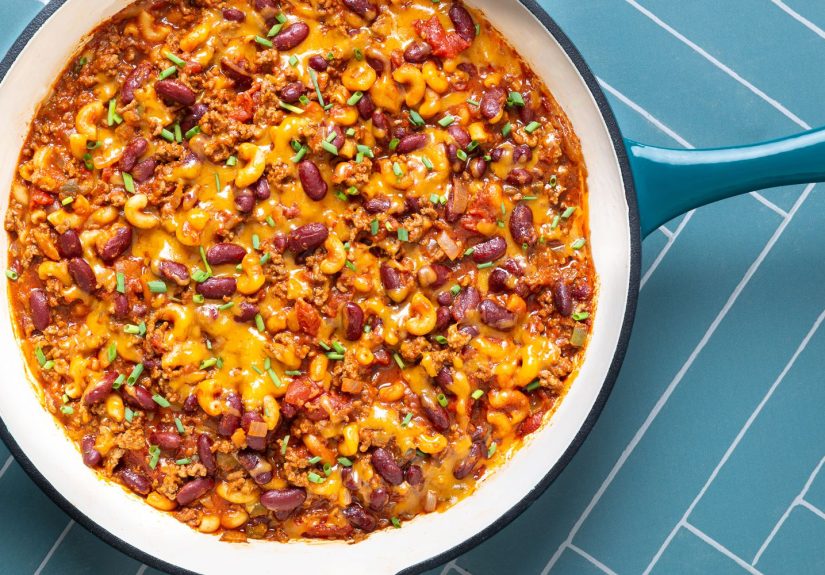
A chili-pasta skillet recipe sits somewhere between chili mac, one-pot pasta, and a deeply comforting beef-and-noodle dinner. It usually starts with ground beef, onion, garlic, chili seasonings, tomatoes, beans, broth, and short pasta. Everything cooks together until the pasta turns tender and the sauce becomes rich, savory, and scoopable. Then cheese joins the party, because this is America and we know what morale looks like.
The beauty of this dish is balance. Good chili brings bold flavor, but pasta softens the edges and makes the whole meal feel extra comforting. Instead of a bowl of chili served next to noodles like distant cousins at a reunion, everything becomes one unified skillet. That means every bite has beef, tomato, spice, starch, and melted cheese. It is not subtle. It is not pretending to be spa food. It is delicious.
Why This Chili-Pasta Skillet Recipe Works
1. The spices bloom early
Adding chili powder, cumin, paprika, or garlic powder directly to the hot meat and vegetables gives the skillet a deeper flavor than tossing them into liquid later. That quick spice bloom wakes everything up and keeps the dish from tasting flat.
2. The pasta cooks with the sauce
When pasta cooks in the skillet, it absorbs the tomato-broth mixture and pulls in all that chili flavor. It also releases starch, which helps the sauce thicken naturally. Translation: fewer dishes and more flavor. That is what experts call a win-win. Or what the rest of us call dinner.
3. The cheese goes in at the end
Cheddar, Monterey Jack, or a Mexican-style blend gives the skillet a creamy finish, but the timing matters. Stir the cheese in after the heat is lowered or turned off, and you get a smooth, silky finish instead of an oily, clumpy situation that looks like it had a rough day.
Ingredients for the Best Chili-Pasta Skillet
Main ingredients
- 1 tablespoon olive oil
- 1 pound ground beef
- 1 medium yellow onion, diced
- 3 cloves garlic, minced
- 1 red or green bell pepper, diced
- 1 to 2 tablespoons chili powder
- 2 teaspoons ground cumin
- 1/2 teaspoon smoked paprika
- 1/4 teaspoon cayenne pepper, optional
- 1 can fire-roasted diced tomatoes
- 1 can kidney beans or black beans, drained and rinsed
- 2 to 3 cups low-sodium broth
- 8 to 12 ounces short pasta, such as elbow macaroni, shells, rotini, or cavatappi
- 2 cups shredded cheddar cheese
- Salt and black pepper to taste
Optional toppings
- Sour cream or Greek yogurt
- Sliced scallions
- Pickled jalapeños
- Fresh cilantro
- Extra shredded cheese
- Crushed tortilla chips for crunch
These ingredients create the classic flavor profile people expect from an easy chili mac skillet: savory beef, tomato-rich sauce, warm spices, tender pasta, creamy cheese, and enough topping options to keep everyone at the table from negotiating like tiny food critics.
How to Make Chili-Pasta Skillet Recipe
- Brown the beef. Heat the oil in a large deep skillet or Dutch oven over medium-high heat. Add the ground beef and cook until browned, breaking it up as it cooks.
- Add the aromatics. Stir in the onion and bell pepper. Cook until softened, then add the garlic and cook for about 30 seconds more.
- Bloom the spices. Add chili powder, cumin, paprika, cayenne, salt, and pepper. Stir for 30 seconds to 1 minute until fragrant.
- Build the sauce. Add the diced tomatoes, beans, and broth. Stir well and bring the mixture to a simmer.
- Cook the pasta. Stir in the dry pasta. Cover loosely and simmer, stirring often, until the pasta is tender and most of the liquid has reduced into a thick sauce, usually 10 to 15 minutes.
- Finish with cheese. Lower the heat or remove the skillet from the burner. Stir in half the cheese, then scatter the rest over the top and cover for a minute or two until melted.
- Serve immediately. Add sour cream, scallions, jalapeños, or cilantro if you like. Then stand back, because people will suddenly become very interested in dinner.
The result should be thick but not dry, creamy but not soupy, and boldly seasoned without feeling heavy-handed. If the skillet thickens too much before the pasta is fully cooked, add an extra splash of broth. If it looks too loose at the end, let it sit for a couple of minutes. Pasta is good at solving its own problems.
Pro Tips for a Better Chili-Pasta Skillet
Pick the right pasta shape
Short pasta works best because it cooks evenly in the skillet and catches the sauce nicely. Elbows are classic, shells are adorable and practical, rotini hangs onto the sauce like a champion, and cavatappi adds extra texture.
Use fire-roasted tomatoes
If you want a deeper, slightly smoky flavor without extra effort, fire-roasted tomatoes are your best friend. They make the sauce taste like you tried harder than you actually did, which is one of cooking’s finest secrets.
Drain excess fat
If the beef releases a lot of grease, drain some of it before adding the spices and liquid. A little fat builds flavor. Too much turns the skillet into an edible traffic accident.
Do not overcook the pasta
Take the skillet off the heat when the pasta is just tender. The noodles will continue softening slightly as the dish rests. Nobody dreams about mushy pasta, and for good reason.
Cheese matters
Sharp cheddar brings the classic flavor, but mixing in Monterey Jack, pepper Jack, or a Mexican cheese blend creates a smoother melt. Pre-shredded cheese is convenient, but freshly grated cheese usually melts better and tastes brighter.
Easy Variations to Keep Dinner Interesting
Turkey chili-pasta skillet
Swap ground beef for ground turkey if you want a lighter version. Add a little extra olive oil or tomato paste to keep the skillet from tasting too lean.
Vegetarian chili pasta
Use black beans, pinto beans, corn, diced zucchini, and mushrooms instead of meat. A spoonful of tomato paste and a little smoked paprika help keep the flavor rich and hearty.
Extra spicy version
Add diced jalapeños, chipotle powder, hot sauce, or pepper Jack cheese. This is the move for people who think “medium” is just a suggestion.
Family-friendly mild version
Skip the cayenne, use green bell peppers instead of hotter chiles, and serve hot sauce on the side. This keeps the base flavorful while letting spice-lovers customize their bowls like civilized adults.
Baked finish
If your skillet is oven-safe, top the finished pasta with extra cheese and broil it for a couple of minutes until bubbly and lightly golden. It is not required, but it does make the skillet look like it has excellent self-esteem.
What to Serve With Chili-Pasta Skillet
This is already a complete comfort-food dinner, but a few side dishes make it even better. A crisp green salad adds freshness. Cornbread leans into the chili side of the skillet. Garlic bread is gloriously unnecessary and therefore deeply welcome. Roasted broccoli or a quick slaw can also help balance the richness.
For drinks, iced tea, sparkling water with lime, or a cold soda all work. For mood, try serving the skillet directly at the table. Few things say “casual confidence” like putting down a bubbling pan of cheesy pasta and letting everyone grab a spoon.
How to Store and Reheat It
Leftover chili-pasta skillet keeps well in the refrigerator for up to 4 days in an airtight container. Reheat it gently on the stovetop or in the microwave with a splash of broth, milk, or water to loosen the sauce. Pasta tends to keep drinking liquid overnight like it is emotionally processing the meal.
You can also freeze it, although the texture of the pasta will soften a bit after thawing. If freezing is part of your plan, slightly undercook the pasta the first time around. Future You will appreciate the gesture.
Why This Recipe Belongs in Your Weeknight Rotation
There are dinners that look fancy, dinners that feel healthy, dinners that are practical, and dinners that genuinely make people happy. Chili-pasta skillet is one of the rare meals that can check several of those boxes without making you juggle three pans and a spreadsheet. It is affordable, adaptable, filling, and forgiving. That last part matters. A forgiving recipe is a recipe that gets made again.
It also hits a sweet spot that many pasta recipes miss. It is not just creamy. It is not just tomatoey. It is not just spicy. It layers all of that into one skillet that feels familiar but still exciting. The chili spices give it warmth, the beans make it hearty, the pasta keeps it approachable, and the cheese makes it almost suspiciously popular. This is the kind of meal that disappears fast and gets requested again before the dishes are done.
Real-World Cooking Experiences With Chili-Pasta Skillet Recipe
One reason people keep coming back to chili-pasta skillet is the experience of cooking it, not just eating it. It feels generous from the moment the onions hit the pan. The kitchen starts smelling like dinner early, which is one of the quickest ways to improve the mood of a busy evening. You do not need specialty ingredients, a culinary degree, or the emotional stamina for a multi-hour braise. You need a skillet, a spoon, and a willingness to accept that shredded cheese is sometimes the hero of the story.
Home cooks often describe this kind of recipe as dependable. That makes sense. On nights when schedules are chaotic, the dish still works. If someone is extra hungry, it stretches with more beans or an extra handful of pasta. If the family includes a spice-lover, a picky eater, and a person who thinks every meal needs hot sauce, everyone can still leave the table happy. The base stays mild and hearty, while toppings let each bowl become its own little personality test.
There is also a comfort in the texture of the dish that is hard to overstate. A good chili-pasta skillet lands in that magical zone between spoonable and scoopable. It is thicker than soup, looser than baked pasta, and rich enough to feel cozy without tipping into food-coma territory. The pasta absorbs flavor as it cooks, which means leftovers often taste even deeper the next day. That first reheated bowl can be a pleasant surprise, like finding money in a coat pocket, except cheesier.
Another common experience is how forgiving the recipe is during improvisation. Out of kidney beans? Use black beans. Only have rotini? Perfect. No sour cream? Greek yogurt will do the job. Want to clean out the vegetable drawer? Bell peppers, corn, celery, zucchini, and even mushrooms can fit in without causing culinary chaos. This flexibility makes the recipe feel less like a strict formula and more like a reliable framework, which is exactly what many weeknight cooks need.
Perhaps the most relatable part of the chili-pasta skillet experience is what happens at the table. It tends to quiet people down for a minute. That is usually a very good sign. The combination of chili spices, savory meat, tender pasta, and melted cheese has a way of turning a regular dinner into something that feels a little more special, even if everyone is eating in sweatpants. It is casual, but it does not feel careless. It is hearty, but it does not feel heavy. It is familiar, but it still feels worth talking about.
And then there is the practical joy: fewer dishes. A recipe that delivers big comfort with less cleanup earns a kind of loyalty that glossy restaurant-style meals rarely achieve. Chili-pasta skillet is not trying to be trendy or precious. It is trying to feed people well, make leftovers worth saving, and keep your evening from collapsing under the weight of unnecessary effort. That may not sound glamorous, but in a real kitchen, it is pretty close.
Conclusion
If you are looking for an easy skillet meal that delivers bold chili flavor, tender pasta, and melty cheese in one pan, this chili-pasta skillet recipe deserves a permanent spot on your list. It is comforting without being boring, flexible without being vague, and satisfying without asking you to sacrifice your entire evening. In other words, it is the kind of recipe that earns repeat status the old-fashioned way: by being ridiculously good.