Table of Contents >> Show >> Hide
- Why Wanda Sykes’ Story Still Hits Home
- What Stage 0 Breast Cancer Actually Means
- Why “Early Detection Is Key” Is More Than a Slogan
- The Treatment Conversation: Personal, Complex, and Never Cookie-Cutter
- Family History Changes the Conversation
- What Readers Can Learn From This Without Spiraling
- Why Her Story Matters for Public Health, Too
- The Human Experience Behind the Diagnosis
- Experiences Related to Stage 0 Breast Cancer and Early Detection
- Conclusion
Wanda Sykes has never been a comedian who whispers. She delivers punchlines like they owe her money, and when she talks about breast cancer, she brings that same direct energy. Her message is simple, memorable, and refreshingly free of fluff: early detection matters. In a media world that can turn every health headline into either doom or clickbait confetti, Sykes has managed to do something much more useful. She has made a serious topic sound real, human, and urgent without making it feel hopeless.
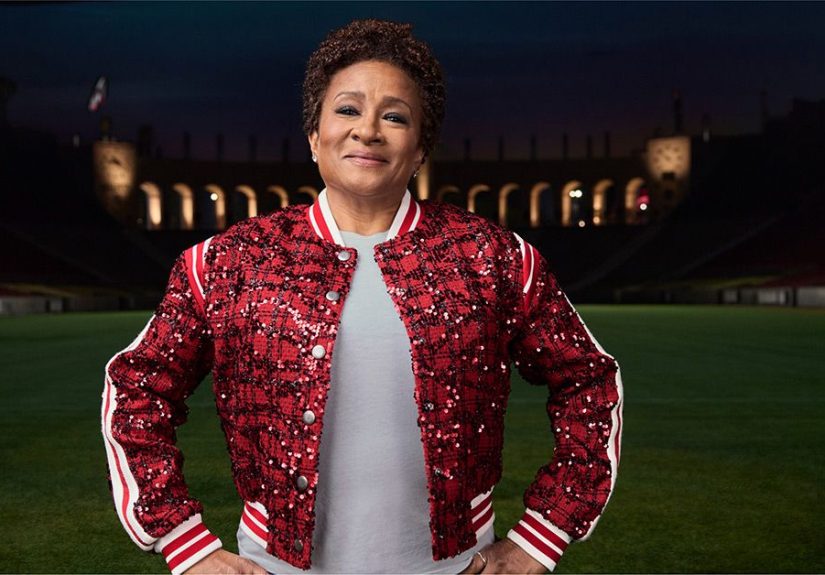
That is one reason her story continues to resonate. Sykes revealed that she had stage 0 breast cancer, also known as ductal carcinoma in situ, or DCIS, after pathology from a breast reduction procedure found abnormal cells. She later chose a double mastectomy, influenced in part by her family history and her desire to take a decisive approach. Since then, her public comments have consistently brought the conversation back to one point: finding breast cancer early can change everything.
For readers, patients, caregivers, and frankly anyone who has ever postponed a screening because life got busy, her experience offers a useful reminder. Breast cancer awareness is not supposed to be a pink-ribbon performance review. It is supposed to help people understand risk, pay attention to their bodies, and get screened on time. Sykes’ story does exactly that.
Why Wanda Sykes’ Story Still Hits Home
Sykes first shared publicly that she had been diagnosed with DCIS after doctors discovered it in lab work following a breast reduction surgery. In plain English, this was not a case where a dramatic movie scene or a sudden symptom changed everything overnight. It was a reminder that very early breast changes are often found through medical imaging, pathology, and careful screening, not because the body sends a giant flashing billboard that says, “Excuse me, there is a problem.” The body is many things. Subtle is definitely one of them.
That detail matters because DCIS usually does not cause symptoms. Many people with stage 0 breast cancer do not feel a lump, do not notice pain, and do not experience anything dramatic enough to interrupt an ordinary Tuesday. That is exactly why screening matters so much. Mammograms can find suspicious changes before a person would ever know something is wrong.
Sykes’ case also highlights a truth that many patients discover the hard way: an early diagnosis is emotionally easier than a later one, but it is not emotionally easy. Hearing the word cancer can flatten a room. Even when doctors explain that it is noninvasive or stage 0, many people still hear the alarm first and the nuance later. That emotional whiplash is part of the experience, and it deserves to be acknowledged.
What Stage 0 Breast Cancer Actually Means
DCIS is early, but it is not imaginary
Stage 0 breast cancer usually refers to ductal carcinoma in situ. The phrase sounds technical, but the concept is straightforward: abnormal cells are found in the lining of the milk ducts and have not spread beyond them. That is why it is often called noninvasive or preinvasive. It is the earliest stage on the breast cancer map, which is good news, but it still requires evaluation and treatment planning.
Here is the key distinction: stage 0 does not mean “ignore it and go get tacos.” It means the disease has been caught before it has moved into surrounding breast tissue. That earlier timing gives patients and doctors more options and usually leads to excellent outcomes. It is a window of opportunity, not a permission slip for denial.
Why mammograms matter so much
DCIS is often found on a mammogram as tiny calcifications, not because a person feels a lump. That is why routine screening remains such a cornerstone of breast health. A mammogram is not glamorous. Nobody posts, “Just had the best mammogram ever!!!” with the same enthusiasm people reserve for brunch. But as public health tools go, it is one of the most important. Mammograms can catch problems early, when treatment is often simpler and outcomes are better.
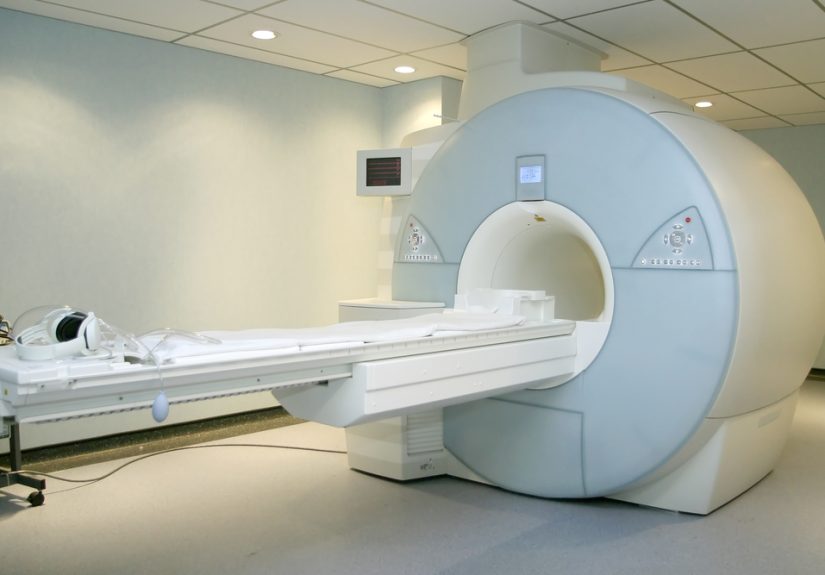
Current U.S. screening guidance varies slightly by organization, but the consistent theme is that women in midlife should not treat breast screening as optional background noise. Average-risk women are generally encouraged to discuss mammograms beginning in their 40s, with regular screening continuing through the years when breast cancer risk rises. People with higher-than-average risk may need earlier or more intensive screening, including MRI in some cases. The best schedule is personal, not one-size-fits-all.
Why “Early Detection Is Key” Is More Than a Slogan
Celebrity health headlines can sometimes feel like motivational posters wearing expensive shoes. But Sykes’ statement works because it is grounded in lived experience. She was not delivering a vague awareness slogan designed by a committee in a windowless conference room. She was talking about a real diagnosis that was found at a very early stage, when there were still meaningful choices on the table.
That is the practical power of early detection. It does not guarantee an easy journey. It does not erase fear. It does not mean every treatment decision becomes simple. What it often does is improve the odds that the disease is caught before it becomes more advanced, more invasive, and more difficult to manage.
In Sykes’ case, that message lands especially well because she communicates it with humor and blunt honesty. She has spoken about feeling fortunate that her cancer was found early. That wording is striking because no one wants to feel “fortunate” in a sentence that includes cancer. Yet many survivors use that exact language when a diagnosis comes before the disease has spread. The gratitude is not for getting sick. It is for having had a chance to act early.
The Treatment Conversation: Personal, Complex, and Never Cookie-Cutter
One of the most important takeaways from Sykes’ story is that breast cancer treatment is deeply individual. She chose a double mastectomy. That was her decision, based on her diagnosis, her family history, and her comfort level with risk. Not every person with DCIS makes the same choice, and not every doctor recommends the same path.
Depending on the size, location, grade, and biology of the DCIS, treatment may include lumpectomy, radiation therapy, hormone therapy, mastectomy, or a combination of approaches. Some patients want the most breast-conserving option available. Others want the option that feels most definitive to them psychologically. Neither response is frivolous. Treatment decisions are not made by robots, and patients are not equations.
This is where celebrity stories can be both helpful and tricky. They can encourage people to take screening seriously, but they should never be mistaken for universal instructions. The lesson is not “do what Wanda Sykes did.” The lesson is “talk with a qualified clinician, understand your diagnosis, weigh your risk, and make an informed decision that fits your life.”
Family History Changes the Conversation
Sykes has said that breast cancer on her mother’s side of the family influenced her thinking. That is an important detail because family history is one of the major factors clinicians consider when assessing breast cancer risk. A strong family history does not mean a diagnosis is inevitable, and no family history does not mean someone is magically off the hook. But knowing your family’s health history can help shape screening plans, genetic counseling discussions, and risk-reduction strategies.
This is one of the least glamorous but most useful health habits a person can have: ask questions at family gatherings. In between potato salad debates and weird uncle commentary, find out who had breast cancer, ovarian cancer, prostate cancer, or related conditions, and at what age. It is not exactly party entertainment, but it may be some of the most valuable information you ever collect.
For people with a higher risk profile, doctors may recommend screening earlier, screening more often, or adding other tools beyond mammography. That is one reason broad awareness campaigns still matter. They get people through the first door. Risk assessment helps determine which hallway they should take next.
What Readers Can Learn From This Without Spiraling
There is a healthy middle ground between ignoring breast health and turning every twinge into a personal medical drama. Sykes’ story lives in that middle ground. It encourages attention, not panic.
- Keep up with screening. Routine mammograms remain one of the best ways to find breast changes early.
- Know your risk. Family history, genetics, and prior health history can change screening recommendations.
- Do not self-diagnose from the internet. Search engines are excellent for recipes and terrible for emotional moderation.
- Ask better questions. If you receive a diagnosis, ask what stage it is, whether it is invasive, what your treatment options are, and what the goals of treatment would be.
- Take the emotional part seriously. Even an early diagnosis can feel overwhelming. Support matters.
That last point often gets less attention than it should. The phrase “caught early” can make outsiders assume the emotional burden is minor. It is not. Early-stage patients still face scans, pathology reports, specialist visits, treatment decisions, and the unnerving realization that life can split into a before and after faster than expected.
Why Her Story Matters for Public Health, Too
Sykes’ message also matters beyond her individual case because breast cancer outcomes are not distributed equally. In the United States, Black women continue to face higher breast cancer mortality than white women, despite lower overall incidence. That gap reflects a mix of factors, including differences in access to high-quality care, later diagnosis, tumor biology, and structural inequities in the health system.
So when a well-known Black woman talks openly about screening, diagnosis, and early action, it is not just celebrity testimony. It is also a form of public-health communication. It can encourage people who might otherwise delay care, distrust the system, or put themselves last on the to-do list behind work, caregiving, bills, and approximately seven hundred other responsibilities.
Awareness, of course, is not enough by itself. It must be matched by access. People need appointments they can afford, imaging centers they can reach, clinicians who listen, and follow-up that does not feel like a bureaucratic obstacle course. But awareness is still a meaningful start, especially when it comes from someone whose voice people actually want to hear.
The Human Experience Behind the Diagnosis
What makes the story memorable is not just the diagnosis. It is the recognizable human reaction to it. First there is the surprise: “Wait, what?” Then the flood of information. Then the strange new vocabulary lesson nobody requested: DCIS, pathology, margins, bilateral, surveillance. Then comes the decision-making, which often feels like having to choose a long-term life strategy while your brain is still stuck in disbelief.
Many people diagnosed with stage 0 breast cancer describe a similar emotional contradiction. They are relieved because it was found early. They are frightened because it is still cancer-related. They are grateful for options. They are exhausted by options. They are told the outlook is good, and yet they still lose sleep at 2:17 a.m. wondering what they are missing. This is normal. It is not overreacting. It is being human.
Sykes has helped normalize that complexity. Her story does not suggest that early detection makes everything easy. It suggests something more honest: early detection gives you a better chance to face the problem before it grows larger than it needed to be.
Experiences Related to Stage 0 Breast Cancer and Early Detection
For many women, the experience of stage 0 breast cancer begins in the most ordinary way possible: a routine mammogram squeezed in between work meetings, school pickups, grocery runs, and the ongoing national pastime of pretending stress is a personality trait. Nobody wakes up expecting a screening appointment to become a major life event. That is partly why early detection stories feel so powerful. They reveal how something quiet and routine can end up being life-changing in the best possible way.
One common experience is disbelief. A person feels perfectly fine, has no pain, and notices no visible changes. Then the callback comes. More imaging is needed. Maybe a biopsy. The words sound calm on the phone, but the mind instantly starts doing gymnastics without a coach. By the time an answer arrives, many patients have already lived through every possible scenario in their imagination. When the diagnosis is DCIS or stage 0, the emotional reaction is often mixed: relief that it was caught early, fear because the word “cancer” is still involved, and confusion because family and friends may not fully understand what stage 0 means.
Another shared experience is decision fatigue. Early-stage disease often comes with options, and options are wonderful until they become a 3 a.m. mental spreadsheet. Some patients feel comfortable with breast-conserving surgery and follow-up treatment. Others prefer a mastectomy because the idea of constant monitoring feels emotionally unbearable. Neither reaction is irrational. People do not make these choices in a vacuum. They bring their personal history, family history, anxiety level, caregiving responsibilities, finances, body image, and plain old personality into the room.
There is also the deeply practical side of the experience. People still have to work, cook dinner, answer texts, explain things to partners or children, and somehow absorb medical information at the same time. Many describe a surreal period where life looks normal from the outside while everything feels newly fragile on the inside. That emotional split can be one of the hardest parts. A stage 0 diagnosis may be medically early, but it can still feel psychologically enormous.
And then there is the after. After surgery, after pathology, after the first wave of appointments, many patients say they become more attentive to their health in a lasting way. Screenings stop feeling optional. Family history conversations become more urgent. Preventive care suddenly seems much less boring and much more brilliant. That may be the most enduring lesson in stories like Wanda Sykes’. Early detection is not just about finding disease sooner. It is about giving people time, choices, and a better shot at moving forward with confidence instead of regret.
Conclusion
Wanda Sykes’ stage 0 breast cancer story matters because it strips the issue down to what people truly need to hear. Screening is not a nuisance. Family history is not trivia. Early detection is not an empty slogan. It is a real advantage that can lead to earlier diagnosis, more treatment options, and better outcomes.
Her story also reminds us that early-stage cancer can still be emotionally intense, medically serious, and deeply personal. There is no single “correct” reaction, and there is no universal treatment script. What there is, however, is a strong case for paying attention before symptoms force the issue. That means knowing your risk, talking with your doctor, and keeping screenings on the calendar even when life gets loud.
In the end, Sykes did what she does best: she told the truth plainly. And in this case, the truth is worth repeating. Early detection is key. Not because it makes cancer easy, but because it gives people a better chance to meet it early, act wisely, and keep writing the rest of their story.